GeForce Now is officially launching in India in November 2025, bringing cloud-powered, high-end PC gaming to anyone with a solid internet connection and a basic device. Nvidia is partnering with Brothers Picture, its GeForce Now Alliance (GFNA) partner, to manage the Indian rollout. This collaboration will help ensure that the service is optimized for local performance, connectivity, and pricing, following a similar launch model used by Nvidia in other regions. With Brothers Picture handling the local service footprint and Nvidia providing the platform and technology, Indian gamers can expect better latency and network performance compared to previous solutions that relied on overseas data centers.
What It Means for Gamers
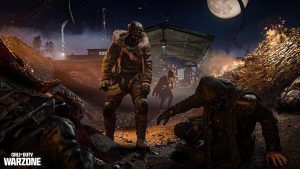
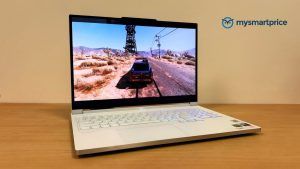
Indian gamers will soon have immediate access to blockbuster titles—including new releases like Call of Duty: Black Ops 7, Borderlands 4, and over 4,500 others—regardless of their device's power, as everything streams directly from Nvidia's upgraded servers. Even users limited to budget laptops, tablets, or phones will be able to play at high visual fidelity, thanks to Nvidia's robust Indian data center and the latest RTX architecture, offering up to 4K/240fps game streams.
Subscriptions range from a free, ad-supported tier (one-hour sessions at 1080p/60fps) to "Performance" and "Ultimate" paid plans supporting higher resolutions, longer play sessions, and advanced visual features.
What You Need to Take Advantage
While Nvidia recommends a minimum connection speed of 25Mbps to enjoy the highest “Ultimate” tier of GeForce Now, it is advisable for Indian users to have at least a 100Mbps connection, ideally fiber optic, to reduce latency issues and avoid connectivity problems. This recommendation aligns with international reviews that suggest a minimum of 100Mbps broadband with low latency is needed to take connectivity concerns out of the equation. A stable broadband connection with low latency is essential—preferably with wired Ethernet or 5GHz Wi-Fi.
Any device—Windows PC, Mac, smartphone, tablet, select smart TVs, or handhelds like Steam Deck—can be used. No high-end GPU or CPU is required. Gamers should set up accounts, select an appropriate subscription tier, and either use their existing Steam/Epic/Ubisoft libraries or access games supported in the GeForce Now service.
Replacing Your High-End Gaming PC?
The cloud can deliver nearly the same level of visual fidelity and fast frame rates—sometimes at up to 5K/120fps or more—without needing to upgrade physical hardware every few years. Nvidia's Install-to-Play feature lets paid users install games directly in the cloud, turning GeForce Now into a near-complete PC-in-the-cloud experience.
However, internet reliability becomes crucial—unstable local internet or power outages will disrupt gaming, unlike an offline PC setup. Network latency, especially for users far from the data center or with congested connections, can slightly affect fast-paced multiplayer games. Cloud gaming restricts direct access to game files, meaning modding, offline play, and customizations are limited compared to a traditional PC. Subscriptions replace large one-time hardware costs, but add up over years and may not suit everyone.
If GeForce Now delivers on its promise, it could impact the sales of gaming PCs and laptops in India as there may be less incentive to spend on expensive hardware. However, international markets where the service has been available for some years have not seen significant changes in gaming hardware sales. Casual gamers, especially those who play primarily for entertainment rather than competitive or pro-level gaming, are likely the first to convert to cloud-based gaming. This shift might be more relevant for single-player gamers than multiplayer, where every frame or frame drop counts.
Can Cloud Gaming Change How India Plays?
By eliminating the need for expensive gaming rigs and enabling AAA gaming on virtually any device, GeForce Now has the potential to fundamentally change how Indians access and play games. For casual and single-player gamers especially, it removes the high upfront cost barrier while delivering RTX-powered performance and console-quality visuals.
Its cloud-first approach could also accelerate gaming adoption in tier-2 and tier-3 markets, where high-end PCs are less common but fast broadband penetration is rising steadily. Gamers are no longer tied to a desk — they can play on a phone, TV, or work laptop, anywhere with a stable connection. Nvidia's regular upgrades to backend hardware ensure users automatically benefit from the latest graphics capabilities and AI-driven visual enhancements without needing to invest in expensive, high-performance machines.
However, the long-term success of cloud gaming in India will depend on several factors: the reliability of internet infrastructure, fair usage policies from ISPs, and whether competitive gamers — who rely on ultra-low latency — embrace streaming over dedicated hardware. With Nvidia and Brothers Picture working together to optimize performance locally, India's gaming landscape could become more inclusive, more mobile, and more accessible than ever before.