When Ghost of Tsushima (Ghost of Yotei’s predecessor) was first announced, I was hugely sceptical. After all, the PlayStation 5 isn’t exactly bereft of third-person action-adventure titles. Marvel’s Spider-Man, God of War, The Last of Us, and more found homes in Sony’s console and were favourably reviewed. But then I played Ghost of Tsushima, and it was good. At the time, I couldn’t exactly figure out why. But as I played Ghost of Yotei, I think I finally figured out why.
Let me explain.
What Is Good?
- Deep story enhanced by cinematic visuals
- Vibrant, colourful, and immersive world
- Polished and nuanced combat
What Is Bad?
- Plays a little too safe in terms of gameplay
- Some DualSense minigames feel gimmicky and intrusive
Gameplay
You see, gameplay-wise, Ghost of Yotei doesn’t really do anything pathbreaking. Atsu, the protagonist from this game, offers a pretty similar set of abilities as Jin from Tsushima. It’s your standard open-world RPG stuff. Play the game, improve your character, unlock more abilities, gain access to new areas. Whoop-de-doo right? Well, cynicism aside. All of this is incredibly well polished. The excellent traversal mechanics and logical progression stand out. All the upgrades are about making you a more efficient killing machine, and that’s always fun! By the end of my playthrough, I was stealth killing multiple enemies in one go, sniping the archers before they could alert the base, and then decapitating large enemies to terrify the remaining stragglers.
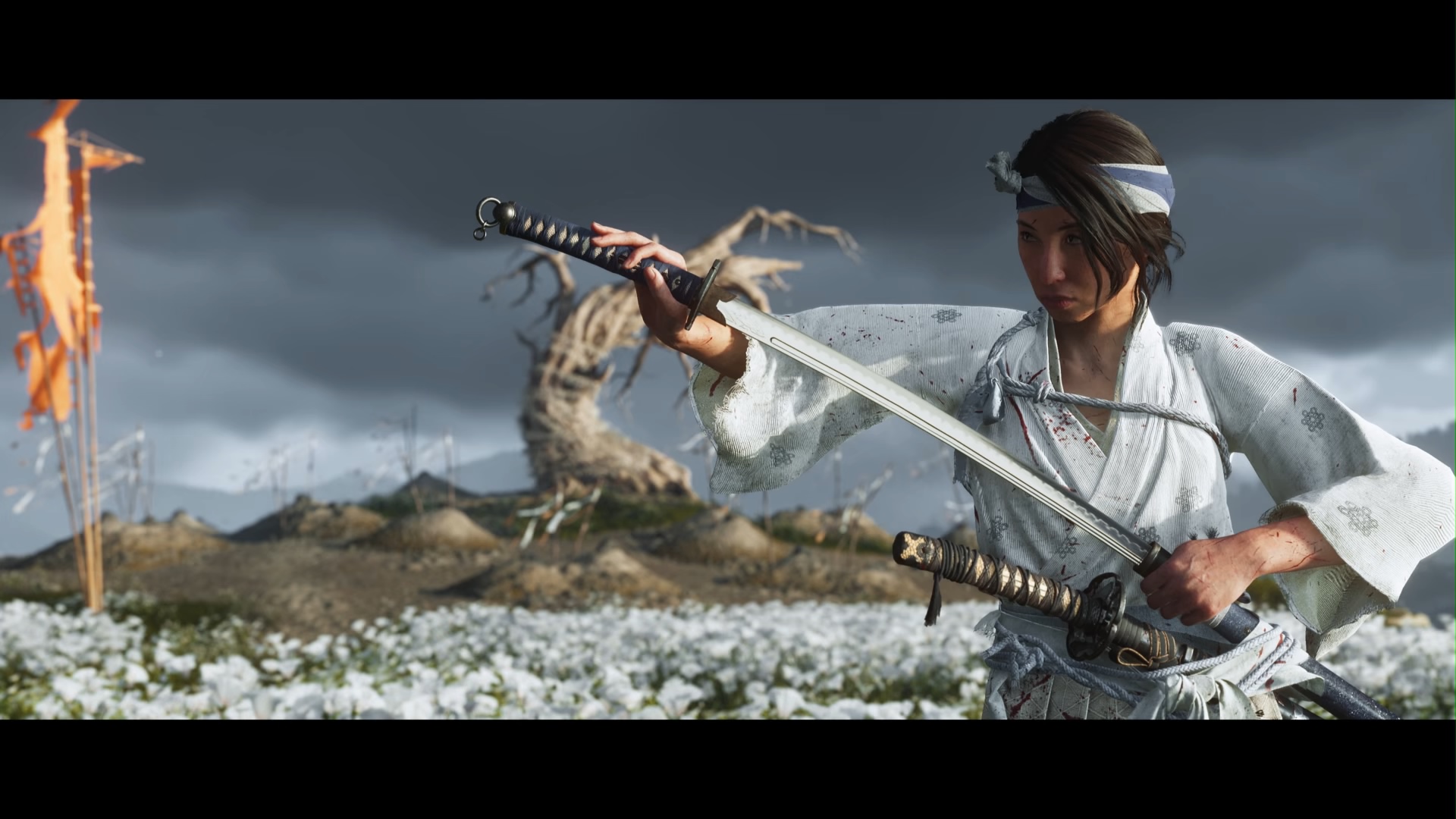
Then, what about combat? Well, Yotei features a more polished version of the combat mechanics that we saw in Tsushima. You have your ranged weapons, throwables and your trusty katana. But in that game, Jin countered different enemy types by switching stances. In Yotei, Atsu has access to different weapons, and in the classic rock-paper-scissors, each one counters the other. So you get a standard katana, dual katanas, a spear (yari), and a chain-sickle (kusarigama). You also get a small dagger for stealth kills. In terms of ranged weapons, the trusty bow is complemented by matchlock pistols and muskets, which do add a new layer of challenge to proceedings. Again, all this is great, and the system is extremely well polished. However, this is not exactly pathbreaking material here.
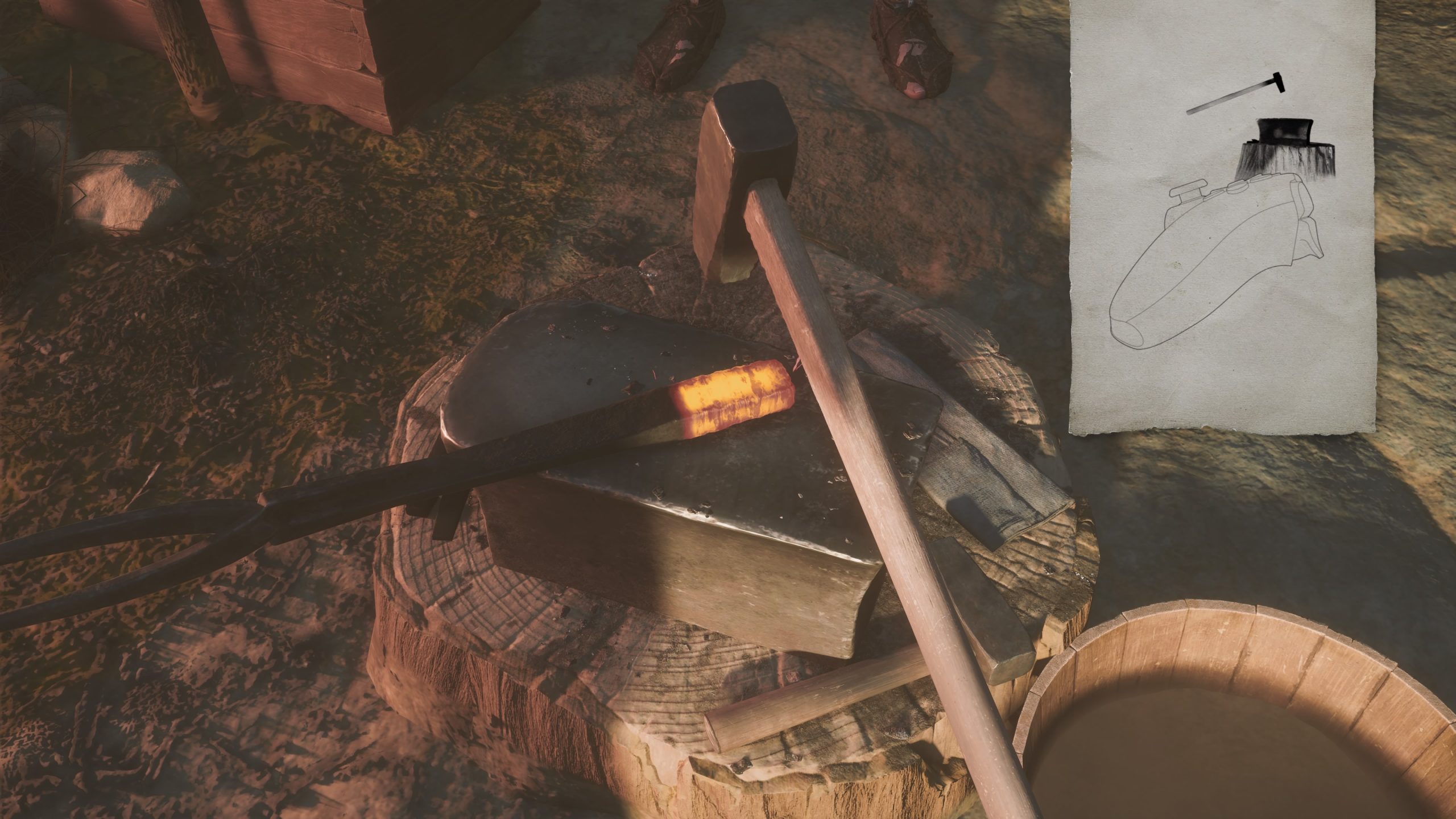
Honestly, these gameplay elements were still quite good and added nothing to the experience. It also makes very good use of the DualSense controller’s touchpad, where swiping in any of the four major directions results in an action. It’s like having a secondary D-pad. But it’s not all great. I personally did not like the gimmicky ones that used the DualSense Controller’s features. The cooking, painting, fire starting, forging and shamisen minigames require you to either swipe on the touchpad or move the controller around. It’s pretty pointless, and I personally find it immersion-breaking rather than immersive. I think the developers, Sucker Punch Studios, were aware of this and, thankfully, added a skip button.
The gameplay is good, but not exceptional. So where was this mystical X factor? Was it the graphics? Was it the story?
Graphics and Story
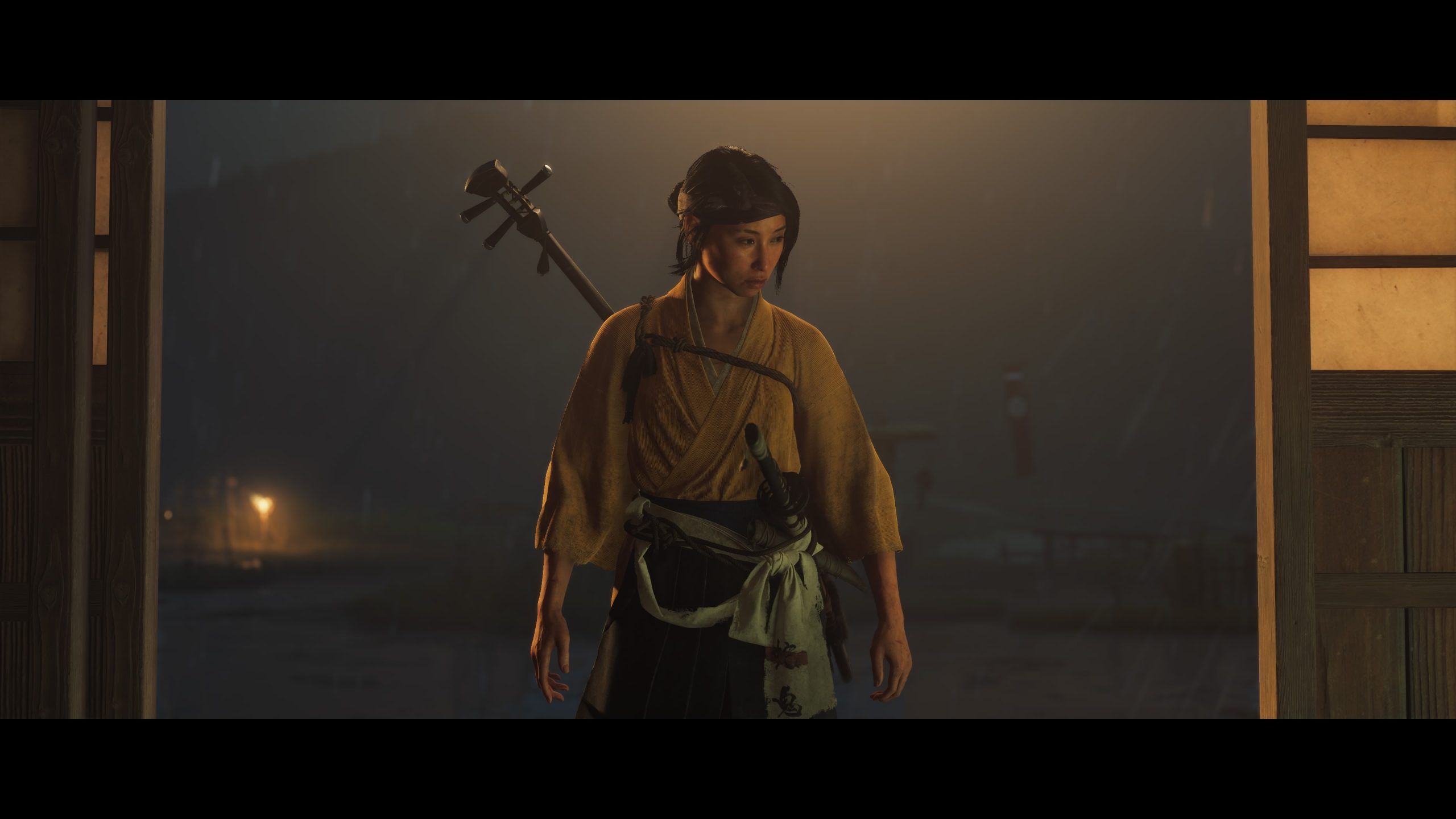
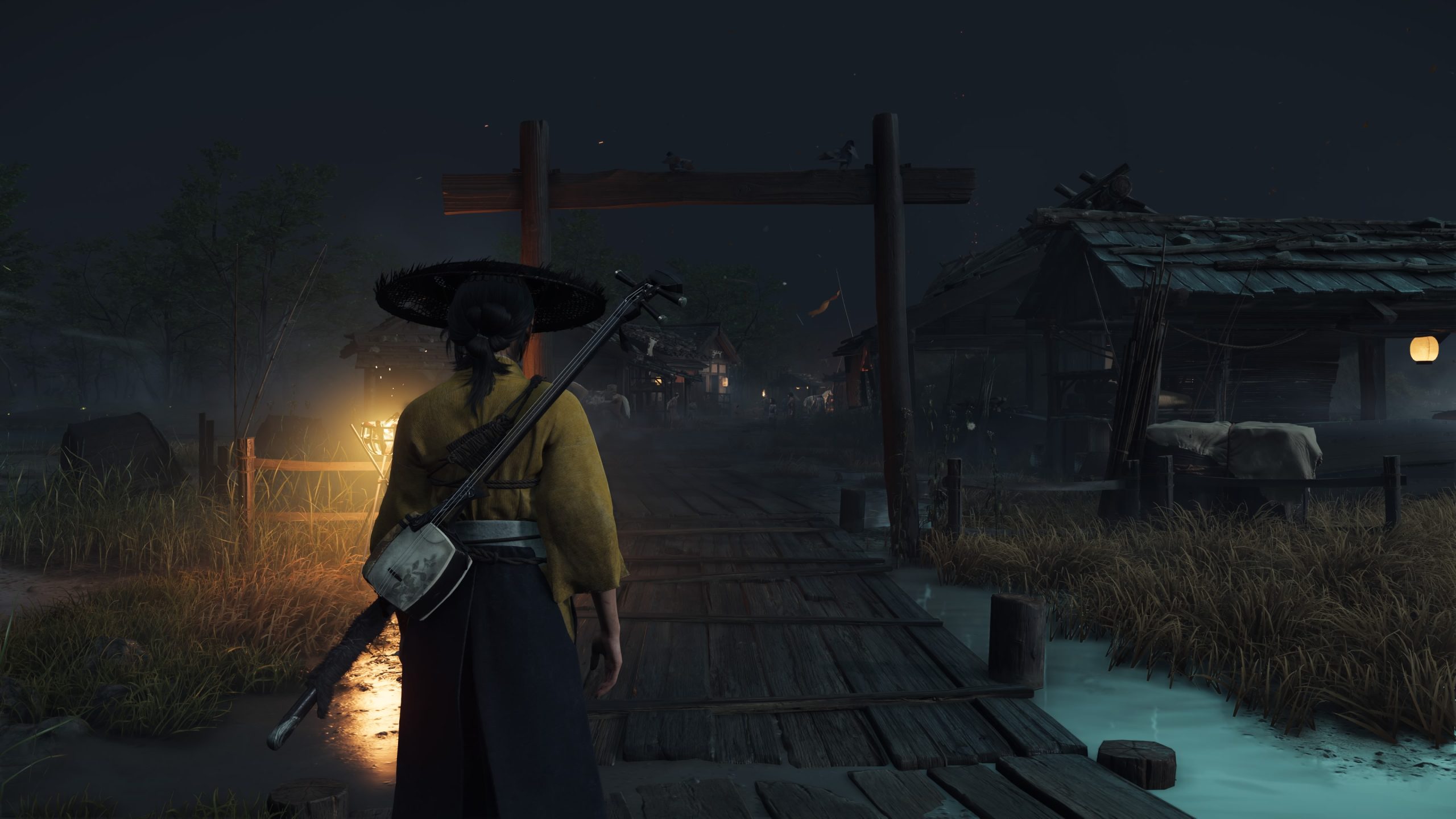
Well, yes and yes. But it’s more complicated than that simple answer. Generally, the story and graphics would be in separate sections. But in Ghost of Yotei, they are intrinsically linked together. First and foremost, let’s get this out of the way. The game looks fantastic. The visuals are vibrant and colourful. The way the wind, trees and grass move makes the game world feel alive in a way that few games can match up to. But that’s only a part of the story because Sucker Punch manages to use the world to tell the story so efficiently. And it is here that I’ll need to digress a little.
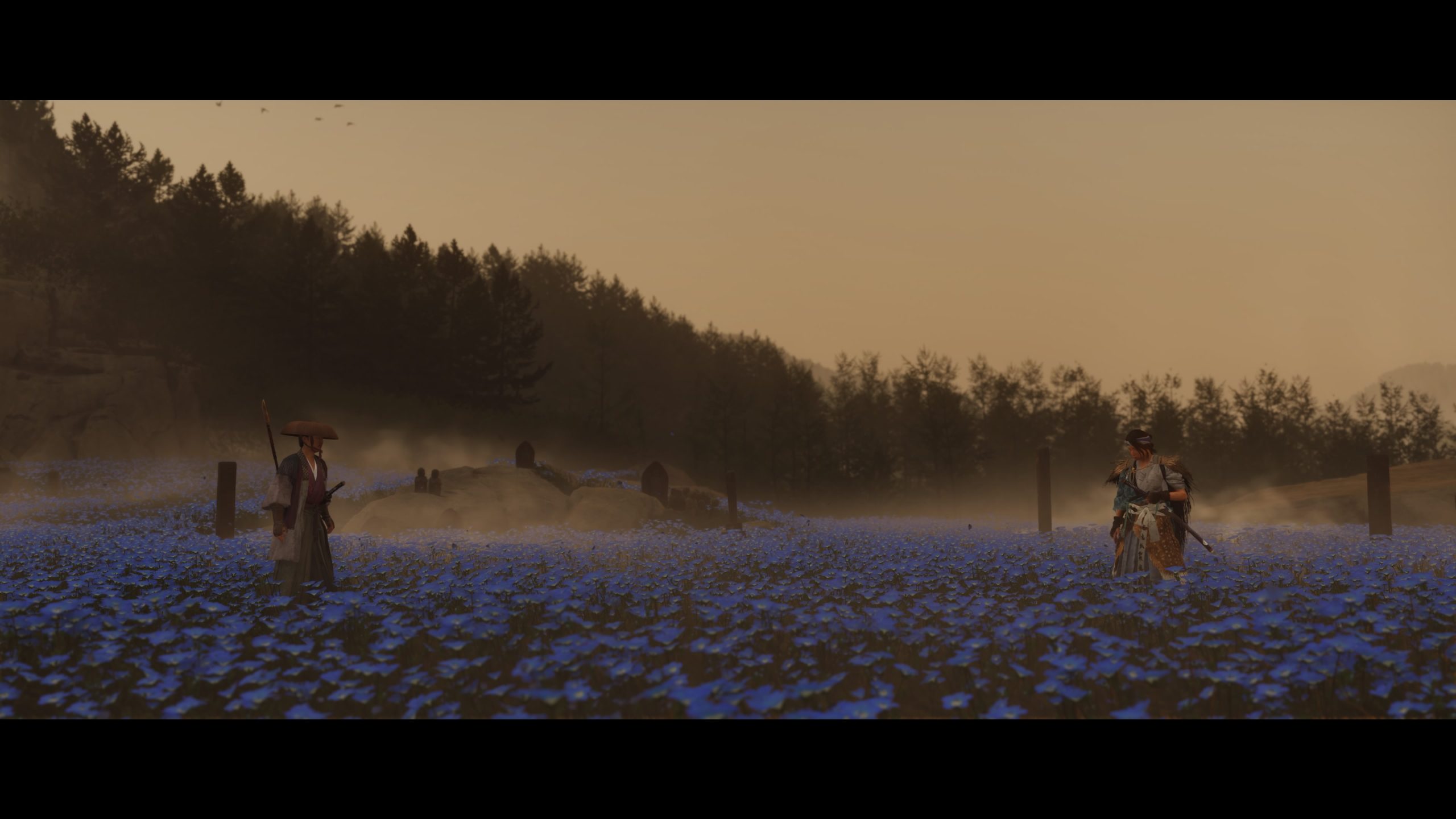
A lot of reviewers have pointed out that Yotei (as well as Tsushima) was heavily inspired by Akira Kurosawa’s movies. In fact, the games feature a ‘Kurosawa Mode’ that adds a B/W filter, switches dialogues to Japanese with English subtitles. But the whole game is already in a ‘Kurosawa Mode’ already. Let me explain.
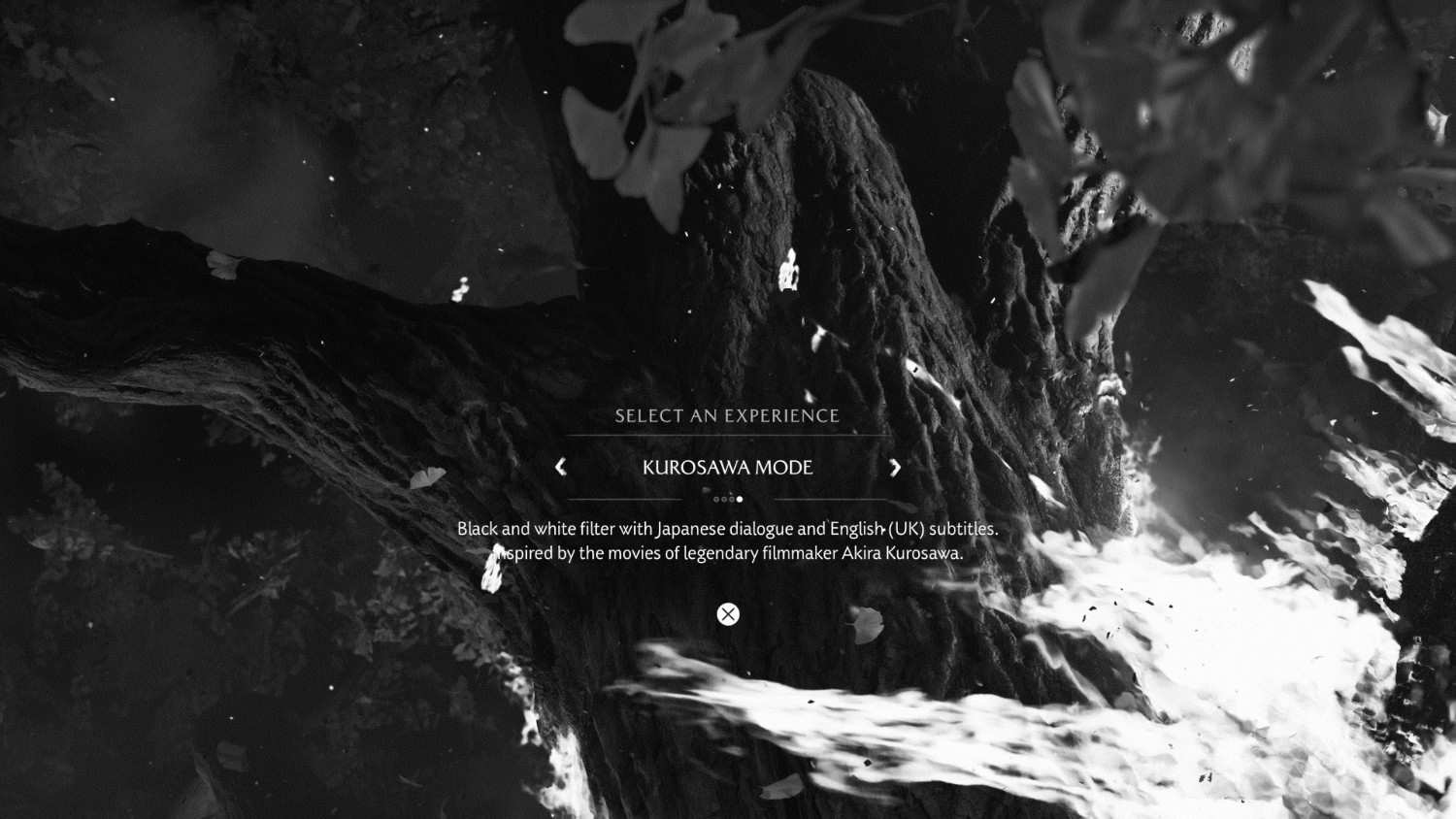
Saying that Kurosawa was influential would be an understatement. The man’s filmmaking techniques are a major part of his legacy and would inspire filmmakers from around the world. His telltale signatures include aspects like the Heroic Champion, the Master-Disciple relationship (the latter being more prominent in Tsushima), and the use of nature and the weather. In fact, nature plays a crucial role in the background of many of his shots and adds just as much to the scene as the foreground.
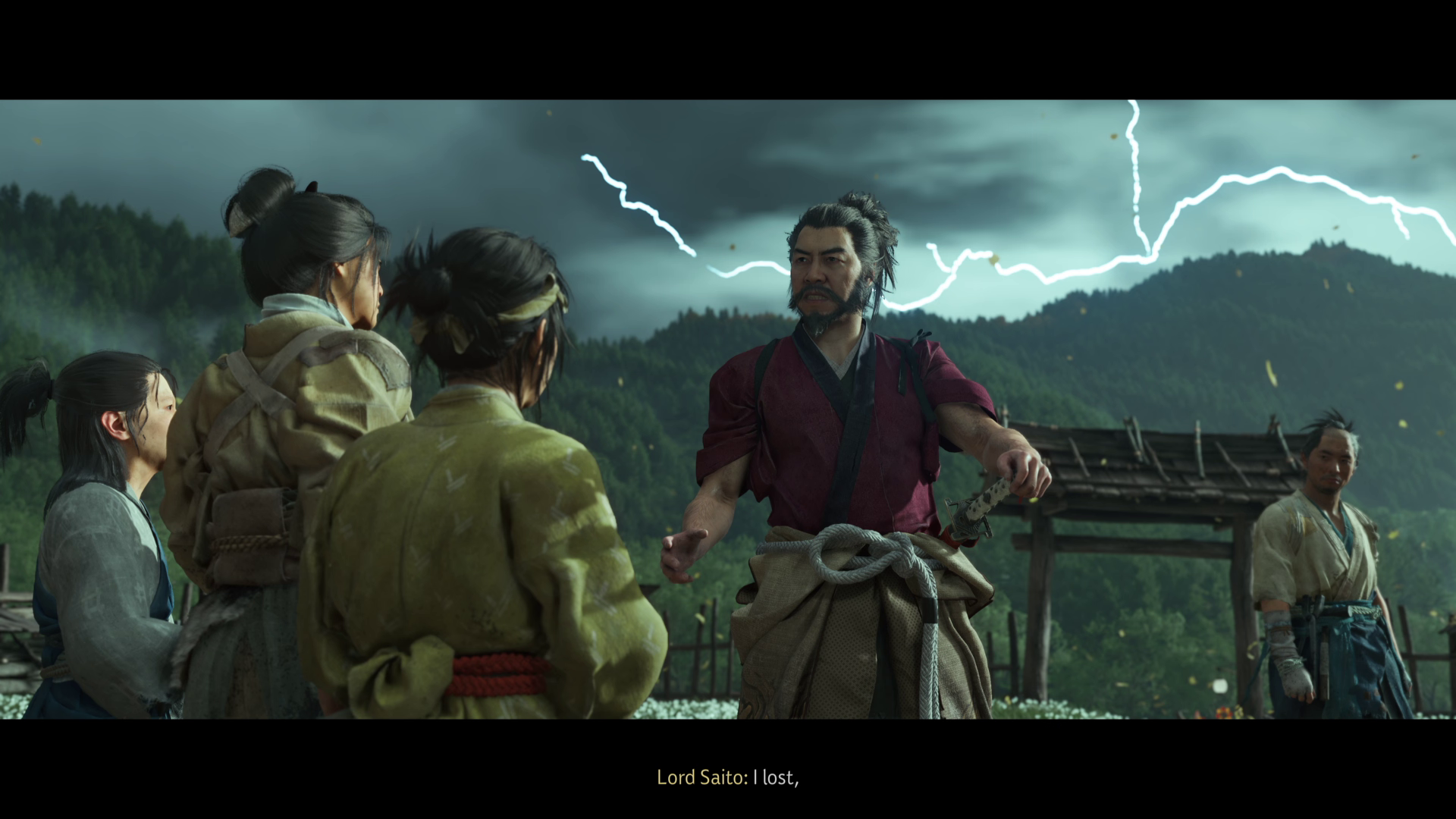
The use of nature and weather is pretty much the base gameplay element of Tsushima and Yotei. The swirling leaves not only look great, but also act as a beacon. Calling players to it. For Atsu, this also acts as a place where she can revisit her memories. The wind plays a crucial part in both games, acting as a guide. A similar role is done by songbirds and foxes in the game. The weather shifts during cutscenes to heighten emotion and drama. Speaking of cutscenes. There is also prominent letterboxing during cutscenes while the camera shifts to dramatic angles. Even the exaggerated deaths and violence are quite cinematic. If you have watched Seven Samurai, The Hidden Fortress, Yojimbo or any of Kurosawa’s samurai movies, you will find the connection.
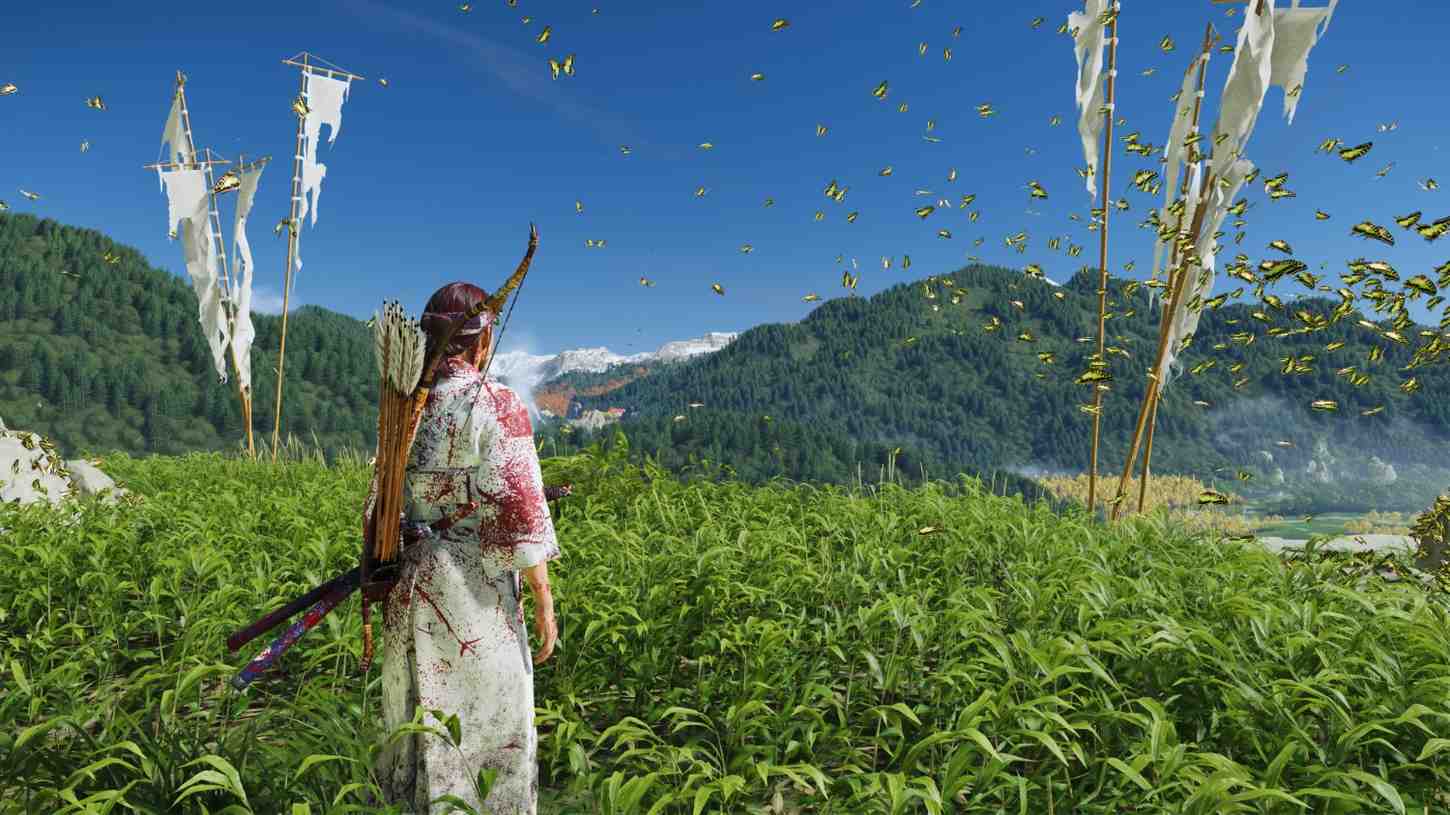
This is what turns the simple revenge story in Ghost of Yotei into a cinematic masterpiece. It compels you to play more and bring closure to Atsu’s story. Because we all want to know how a movie ends.
Verdict
Calling Ghost of Yotei a game would be an understatement. Sucker Punch has made a love letter to Akira Kurosawa and his samurai movies. I know that sounds like hyperbole, but it is what it is. It takes everything that made Ghost of Tsushima such a memorable game and makes it better. It offers pretty run-of-the-mill gameplay if I am being honest, but the story, graphics and cinematics elevate it to a different level. Ghost of Yotei reminds us that artistry can make even the familiar feel profound.
Let me put it this way. Imagine a burger (in this case, a metaphor for a third-person RPG). There is a set recipe to make a burger, and many people can use it to make a great burger. Still with me? Awesome! Now, what Sucker Punch did was take a great burger as its base and then drizzle it with its Kurosawa-inspired super secret sauce that makes it unique and awesome compared to the other burgers!