Travel photographs usually come back full of colour: blue skies, bright shopfronts, memorable meals and striking buildings. My photographs from Germany include all of these, but several of my favourites leave colour out altogether. Black and white brought a different emphasis to the places I visited. Architecture, passing details and everyday scenes became interesting for their shapes, textures and the way light fell across them.
The Xiaomi 17 was my companion throughout. I had spent some time using it in Paris, but Germany was where it became my go-to camera for the trip. I used it for landmarks, casual snapshots and smaller discoveries along the way. Among those photographs, the Leica black-and-white treatment became a particular favourite. Looking through the results, its appeal extended well beyond the obvious architectural subjects.
Why Leica Made Black and White Worth Exploring
Leica's involvement in the Xiaomi 17 covers its camera system and imaging approach, bringing the partnership's photographic identity to the standard flagship. On this trip, my interest lay in how those choices translated into pictures I enjoyed taking and keeping.
A good monochrome photograph needs more than the removal of colour. Shades of grey help separate surfaces, establish depth and guide the eye. Pale stone needs to stand apart from a bright sky, while darker areas need enough definition to remain part of the scene. Strong contrast can make a photograph striking, although pushing it too far risks losing subtler details.
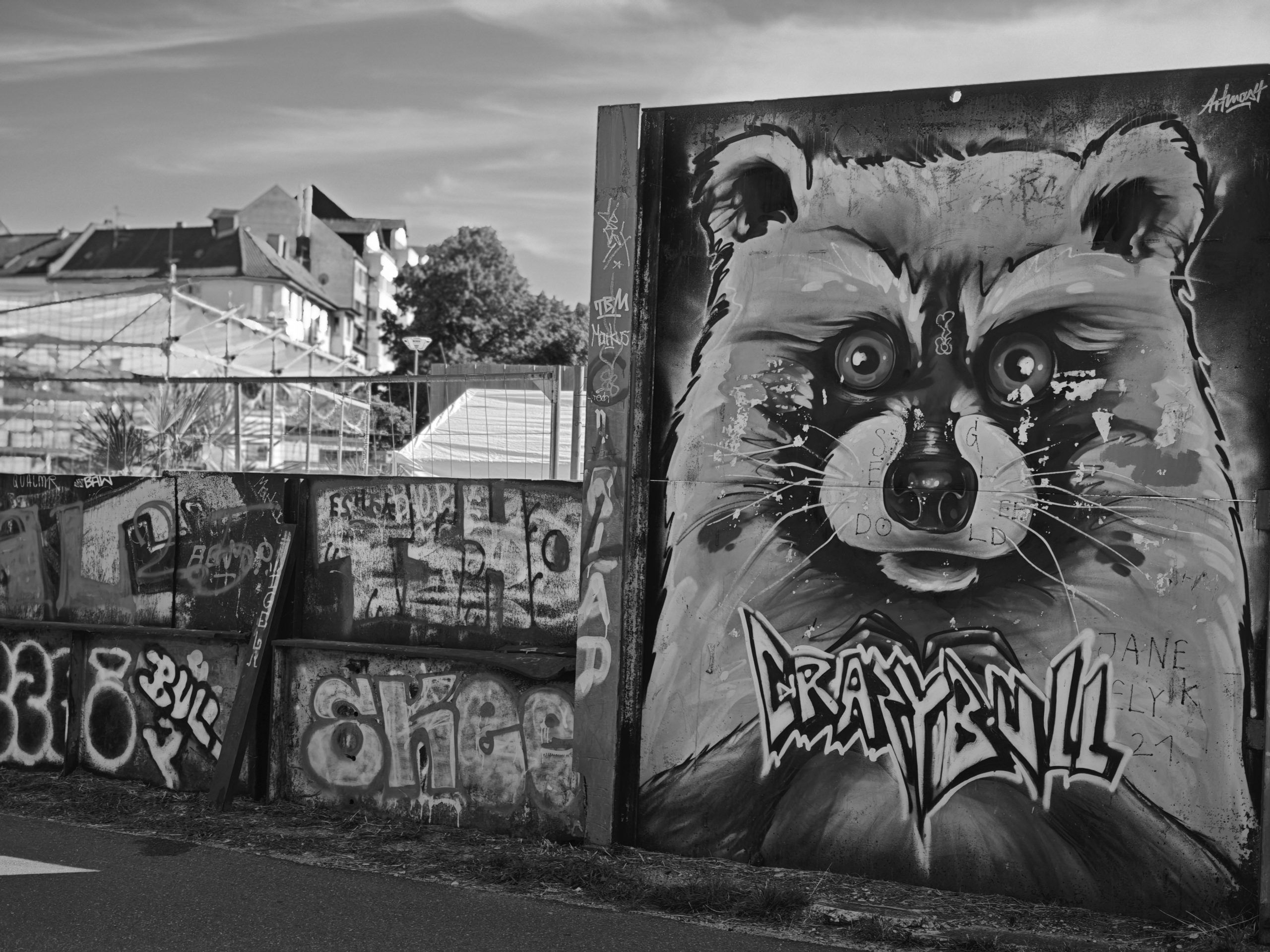
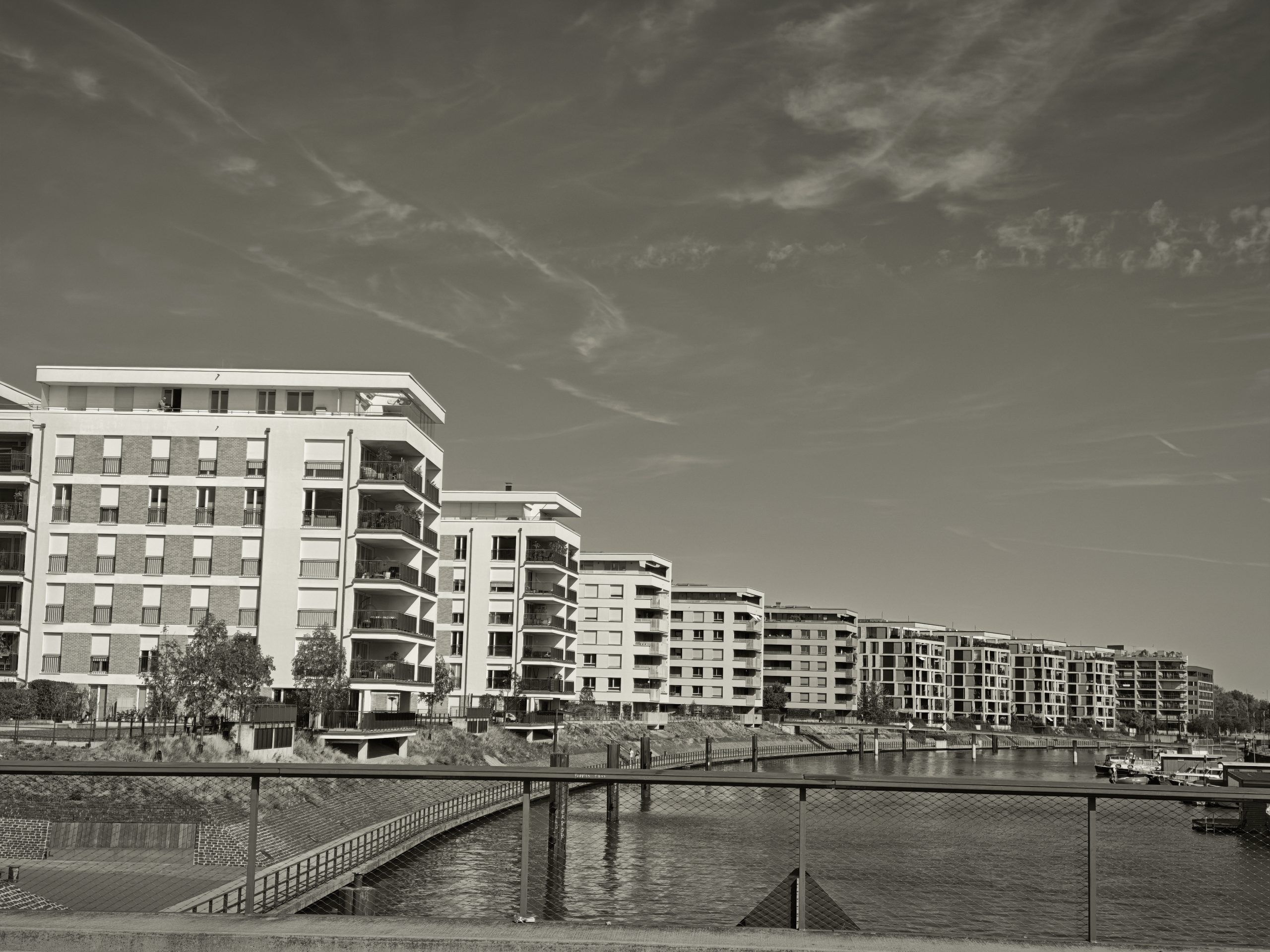
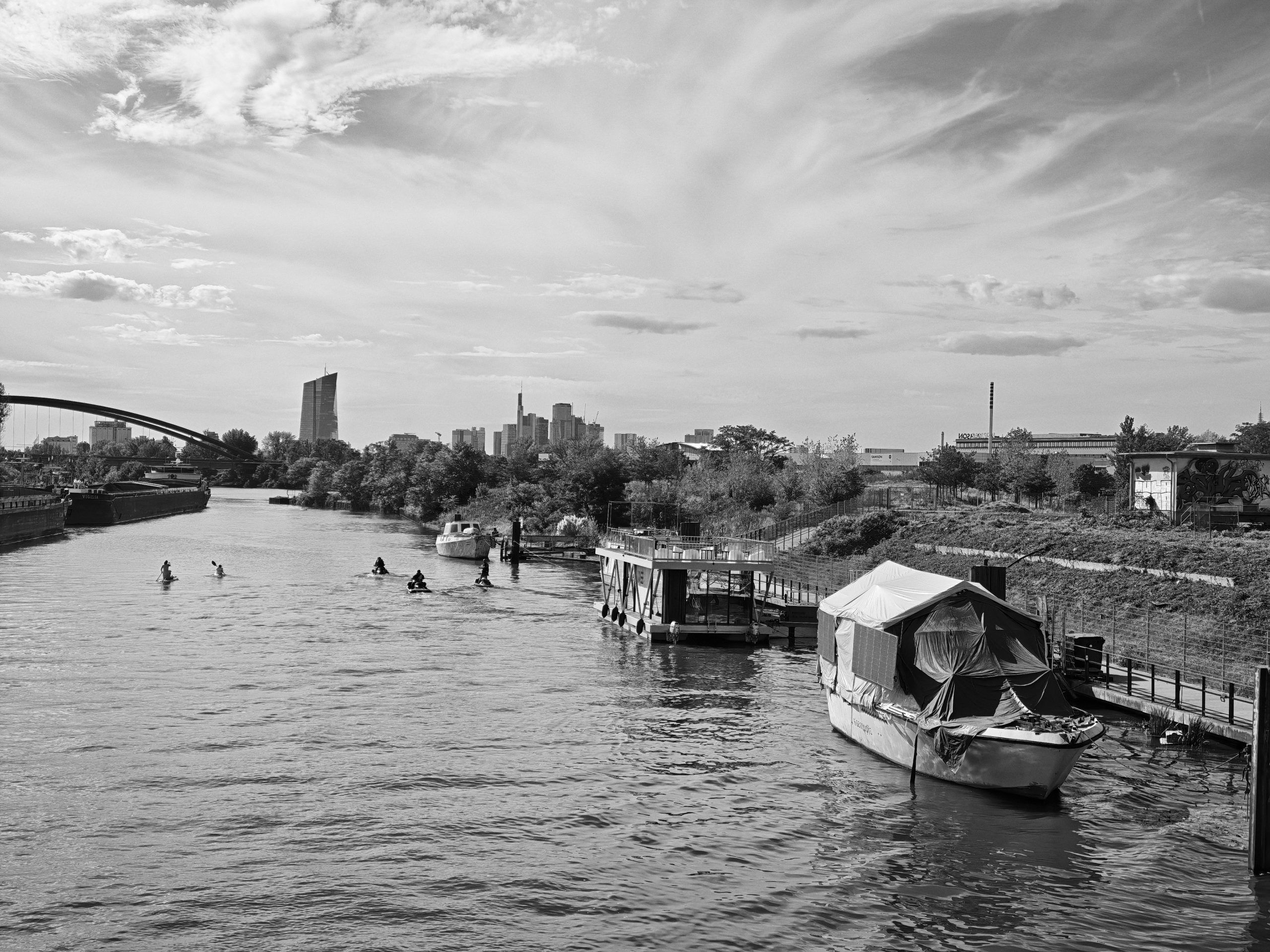
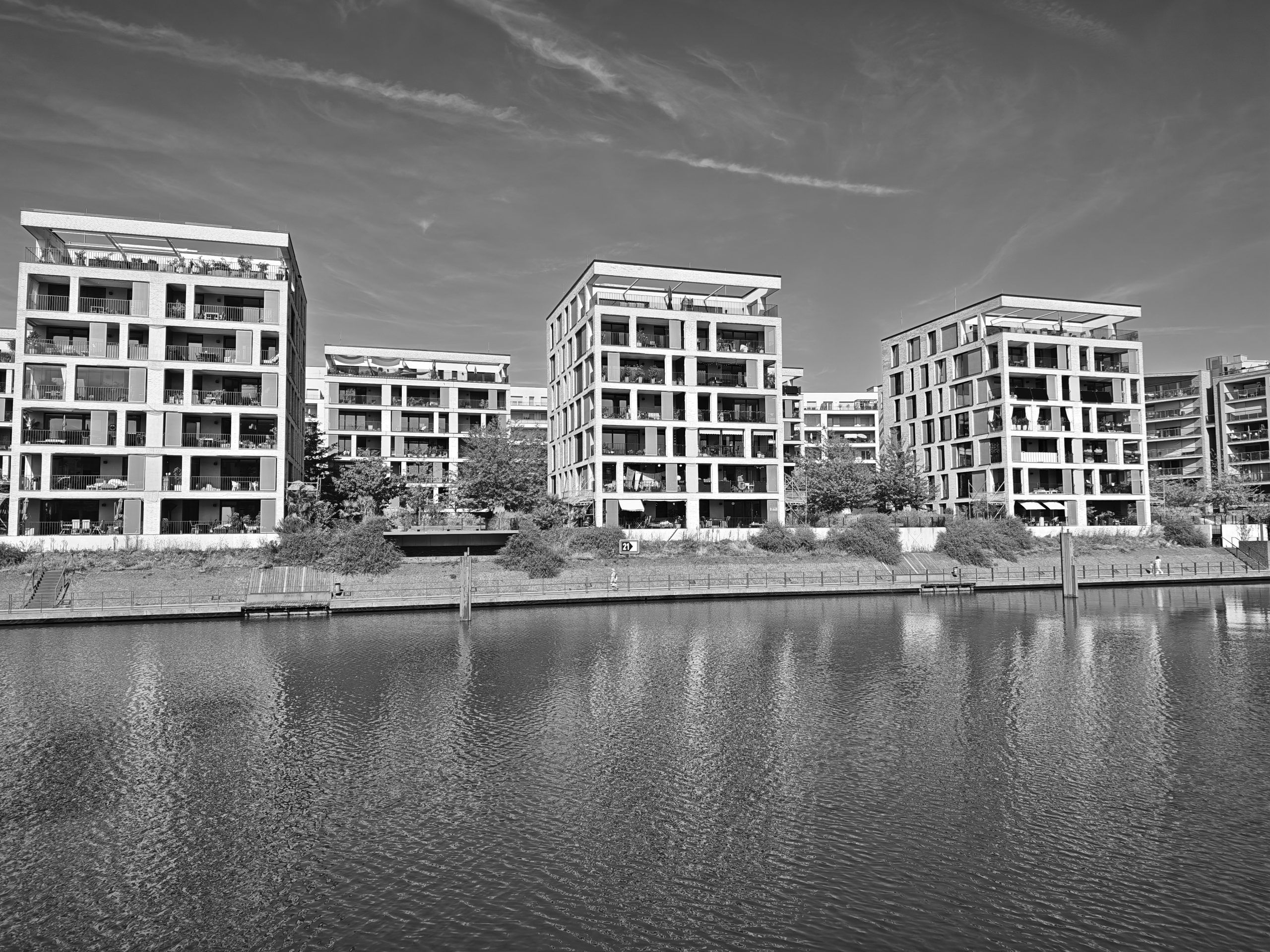
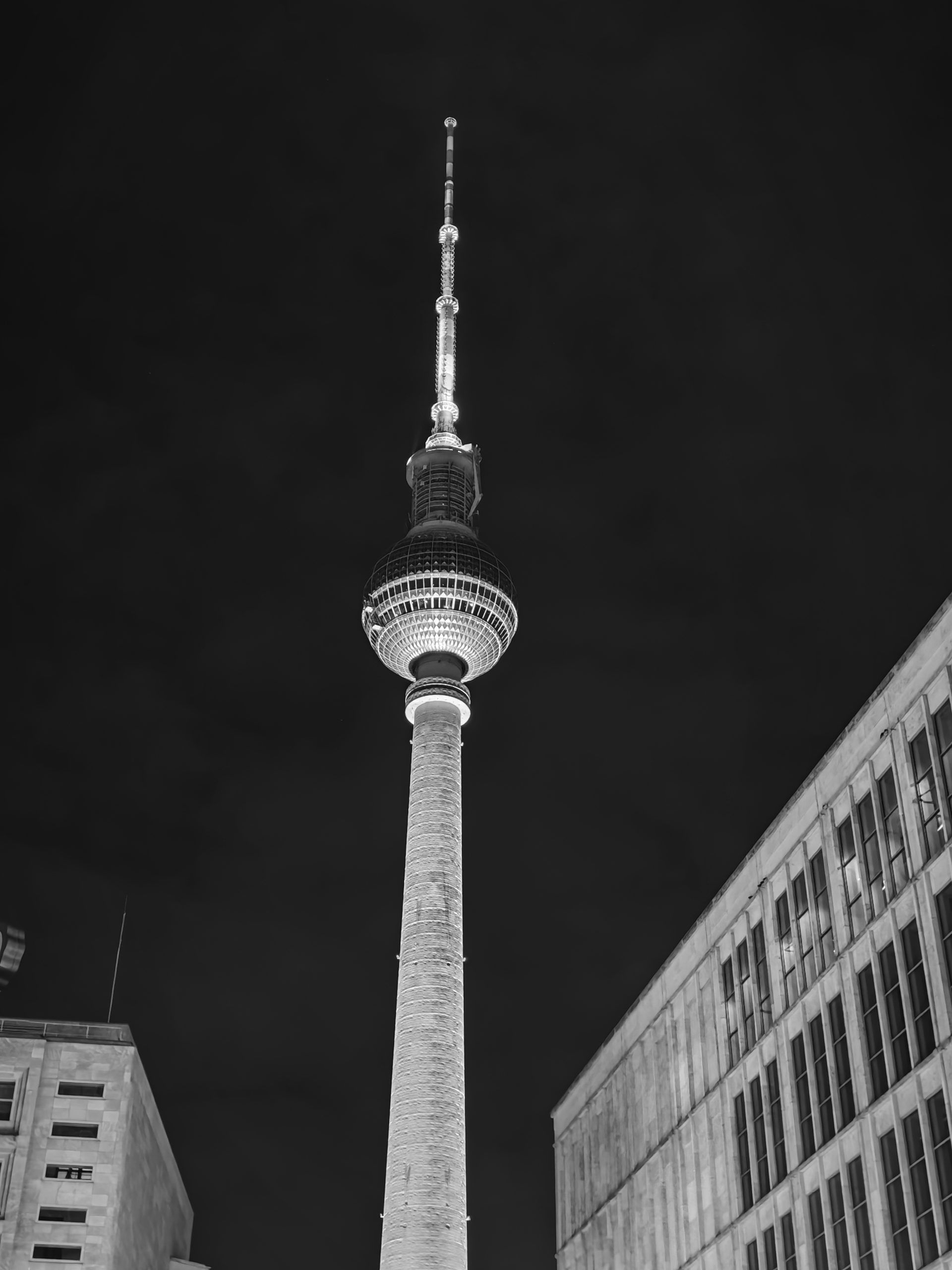
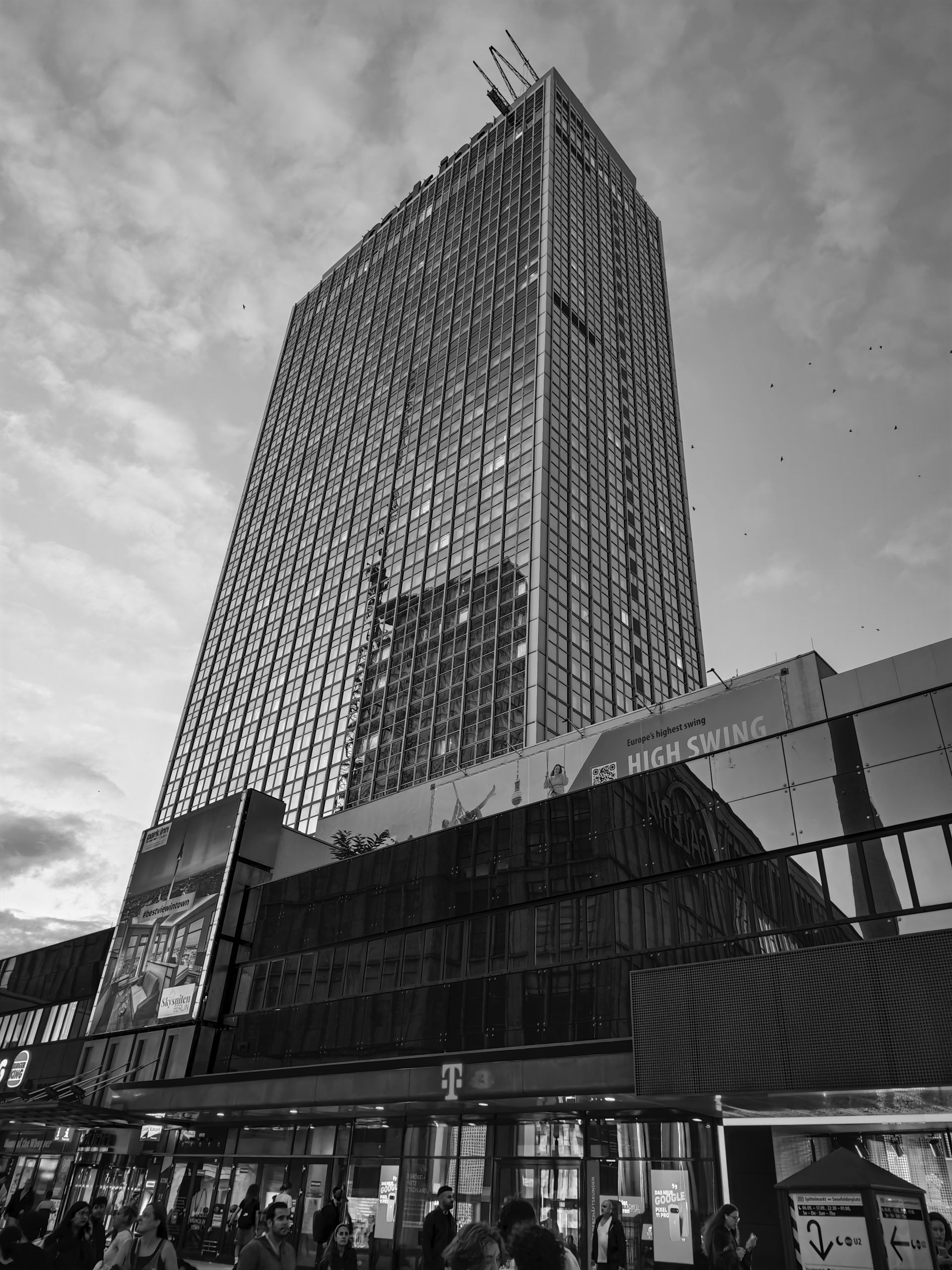
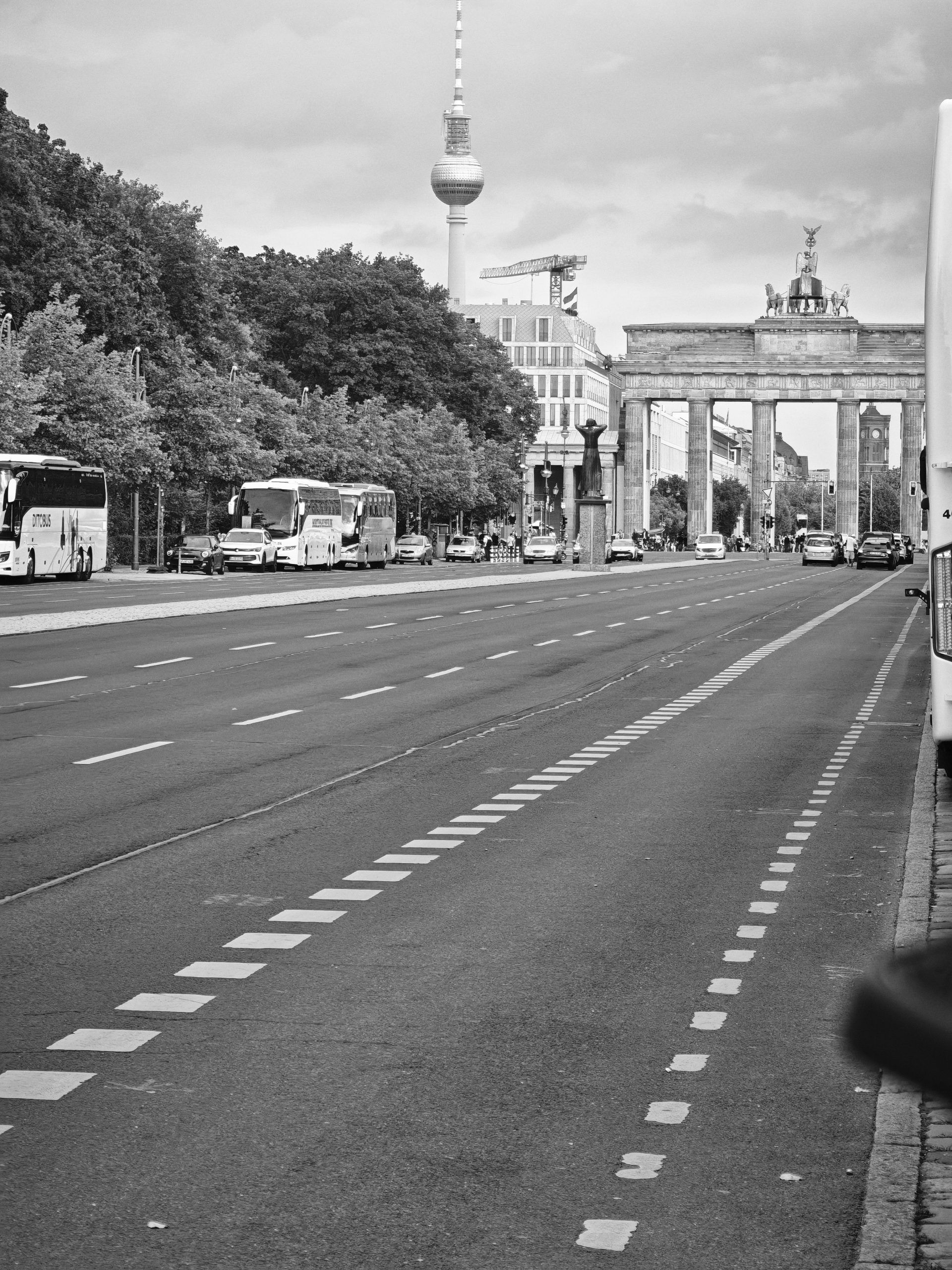
The variety in these photographs appealed to me. The narrow passage has a softer appearance, its pale walls and textured paving clearly visible. The church photograph feels more dramatic, thanks to the dark building rising against bright clouds. Each scene has its own mood, without every image needing the same heavy contrast.
Leica's monochrome treatment on the Xiaomi 17 gave me an enjoyable way to explore these differences. Across this selection, windows become repeating patterns, clouds take on greater prominence, and paving contributes as much to a composition as the buildings around it. Colour would offer another way of reading these scenes; black and white draws attention towards their structure.
Architecture, Light and Shade
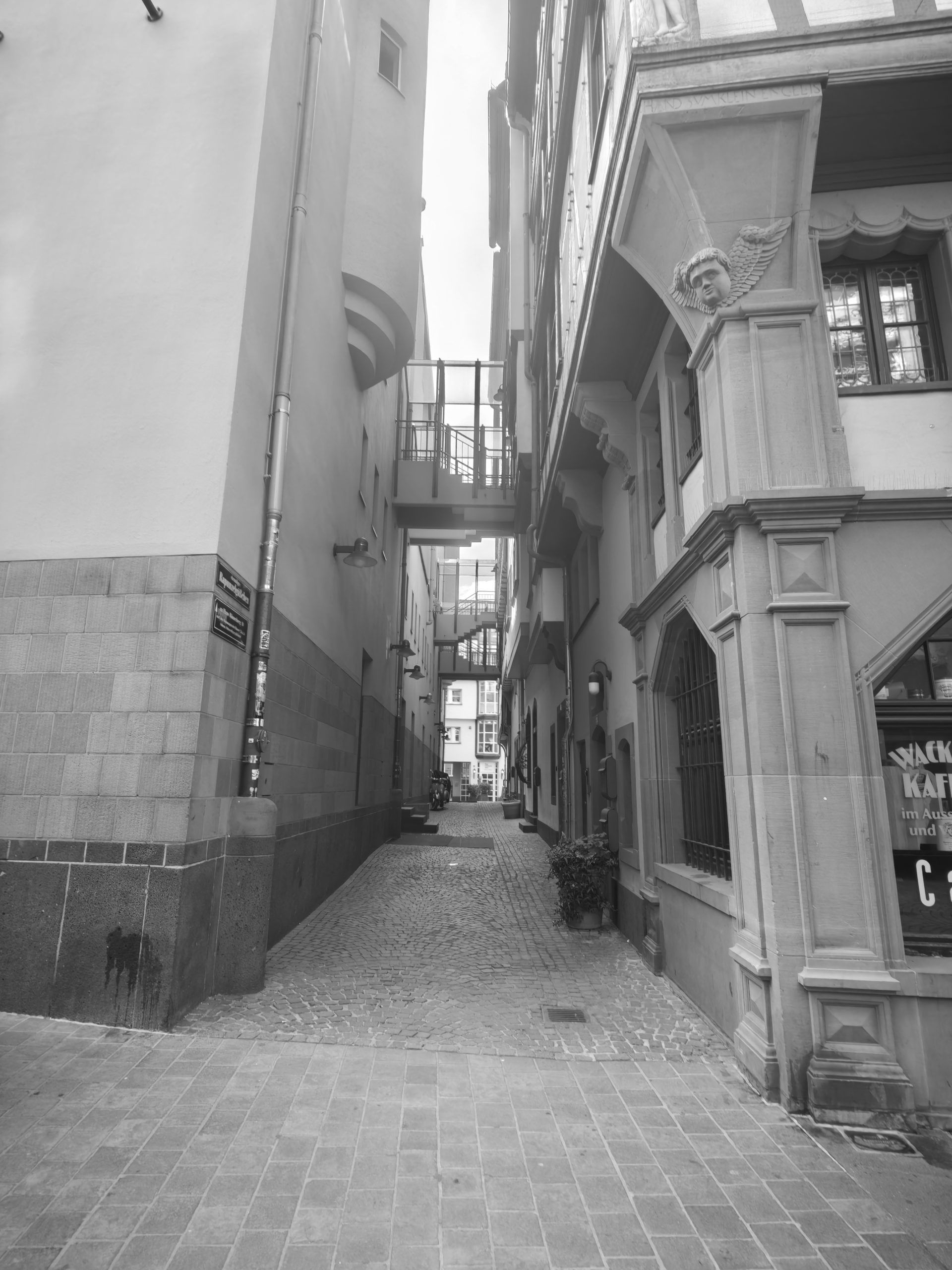
The narrow passage is one of the quieter photographs in this selection. Paving stones draw the eye towards the far end, while the buildings create a natural frame on either side. Windows, ledges and a projecting balcony add points of interest along the way.
Much of its appeal comes from the different surfaces. The paving feels uneven and textured, the walls appear smoother, and the recessed doorways introduce darker patches. Monochrome gives these details space to register. The brighter opening at the end provides a destination for the eye, helping the photograph retain depth despite the confined setting.
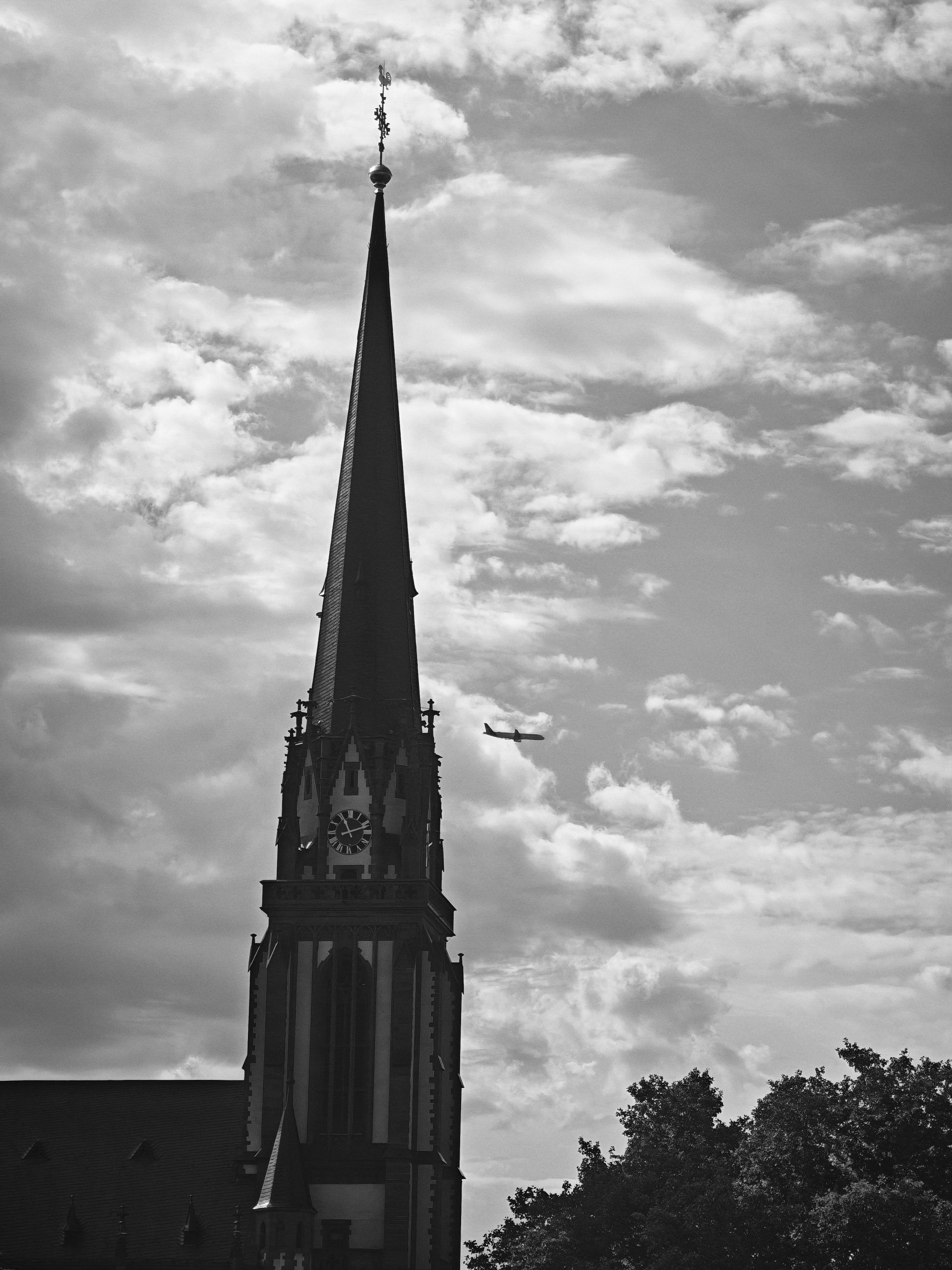
The church photograph makes a more immediate impression. Its tall spire cuts through the sky, creating a strong outline against the clouds. The building anchors the lower portion of the frame, while the sky provides movement and variation above it.
Black and white suit the relationship between the two. The architecture has firm edges and a clear shape; the clouds are softer and less predictable. Some detail remains visible across the darker façade, although the spire commands most of the attention. A small aircraft on the left offers a second discovery, adding a fleeting everyday moment to the scene.
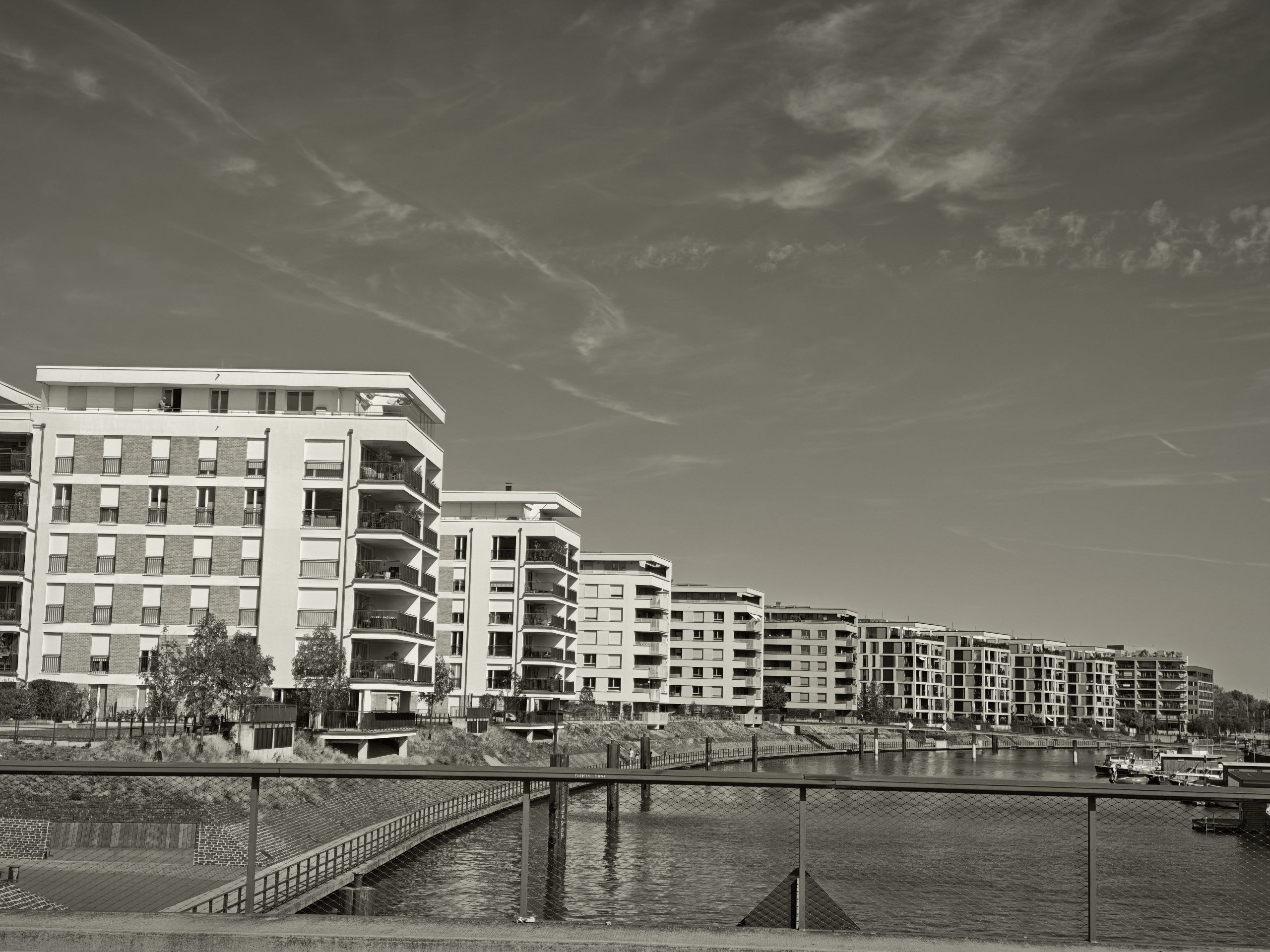
Along the waterfront, the composition becomes broader and more orderly. Windows and balconies repeat across the buildings, which recede into the distance. Water below and open sky above give the architecture breathing room.
Here, monochrome brings the arrangement of the scene forward. The eye follows the line of buildings and picks up the repeated shapes along the way. Its appeal comes from the overall pattern rather than one dominant structure.
The Smaller Details I Wanted to Remember
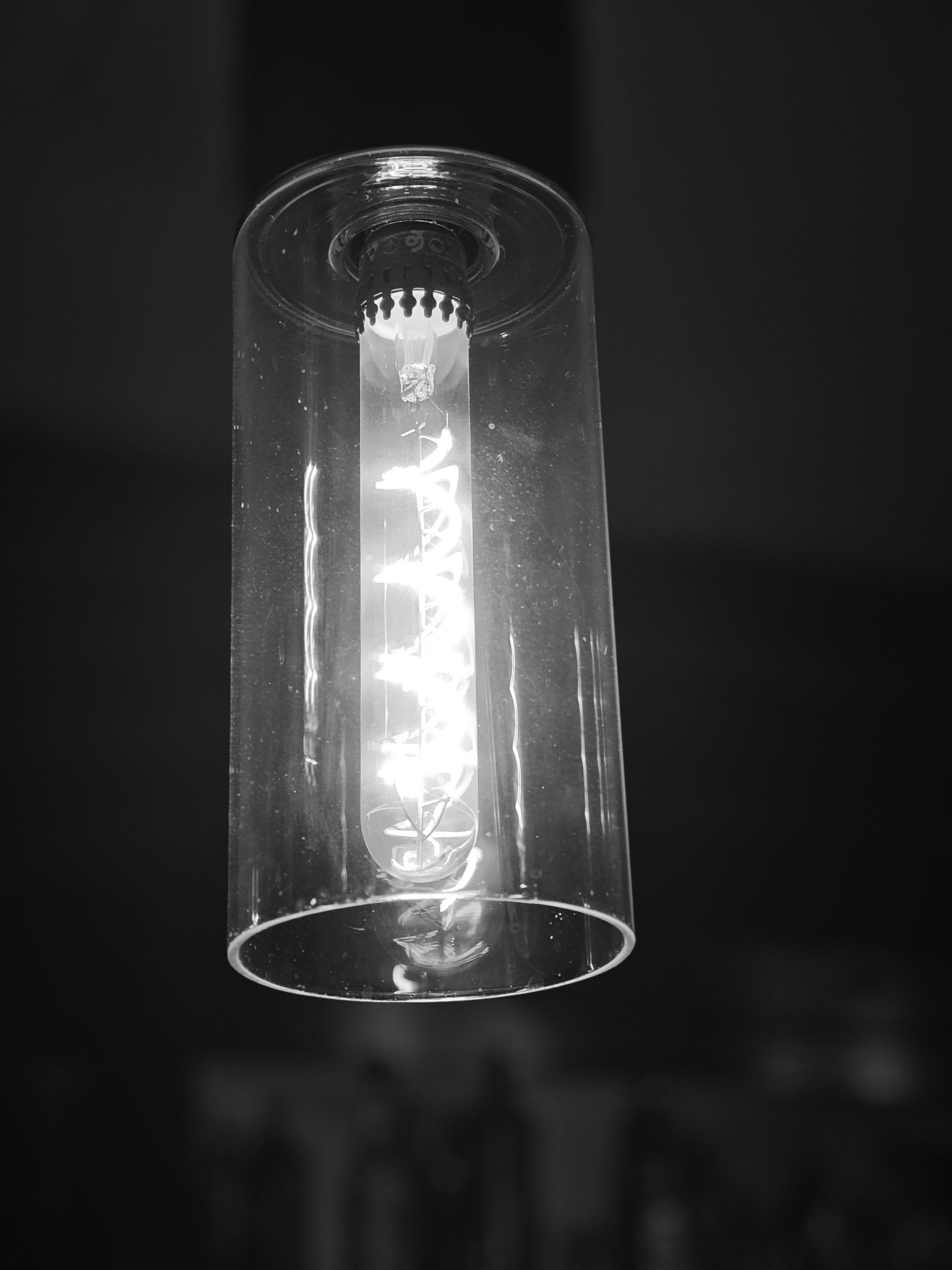
A hanging light offers a change of scale after the streets and buildings. The glowing filament sits inside a glass cylinder, surrounded by a dark background. Reflections trace sections of the glass, making its outline visible without drawing attention away from the centre.
The brightest portion loses some definition, so highlight control is not perfect. Even so, the concentrated glow gives the photograph its character. Darkness around the lamp keeps the composition simple, leaving the filament and curved glass to hold the eye.
I enjoy this frame alongside the wider views. The church and waterfront record places I visited. The hanging light preserves a smaller detail I noticed along the way, giving it a place in the trip's photographs.