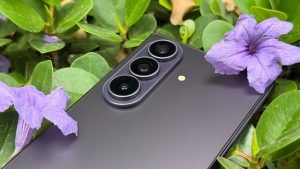
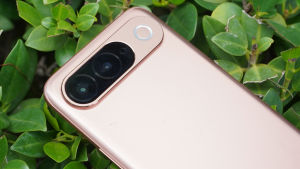
Every so often, a launch comes along that reminds the industry who actually built the ground it stands on. The Galaxy Z Fold8 series is that launch. What Samsung unveiled in July is not merely a new set of foldables. It is seven generations of hard-earned experience, engineering scar tissue and software maturity all converging at once to redefine what the foldable market looks like. And it has left Samsung’s foldable supremacy not just intact, but several notches higher than where it stood a month ago.
For everything you need to know about the new Galaxy foldables, from their biggest upgrades to which one you should consider, head to our detailed guide here.
Brand New, Battle Tested
The most impressive thing about the all-new Galaxy Z Fold8 is not that it is fresh; it is that it is fresh and finished. This is a brand-new form factor, a genuine reimagining of what a book-style foldable can be, yet nothing about it feels tentative. The hinge is smooth and assured. The crease has all but vanished. The proportions feel considered rather than provocative, giving the phone a passport-like identity that stands apart from every rectangular slab on the market. The weight, the balance, the materials: everything communicates a product that has been refined, not prototyped.
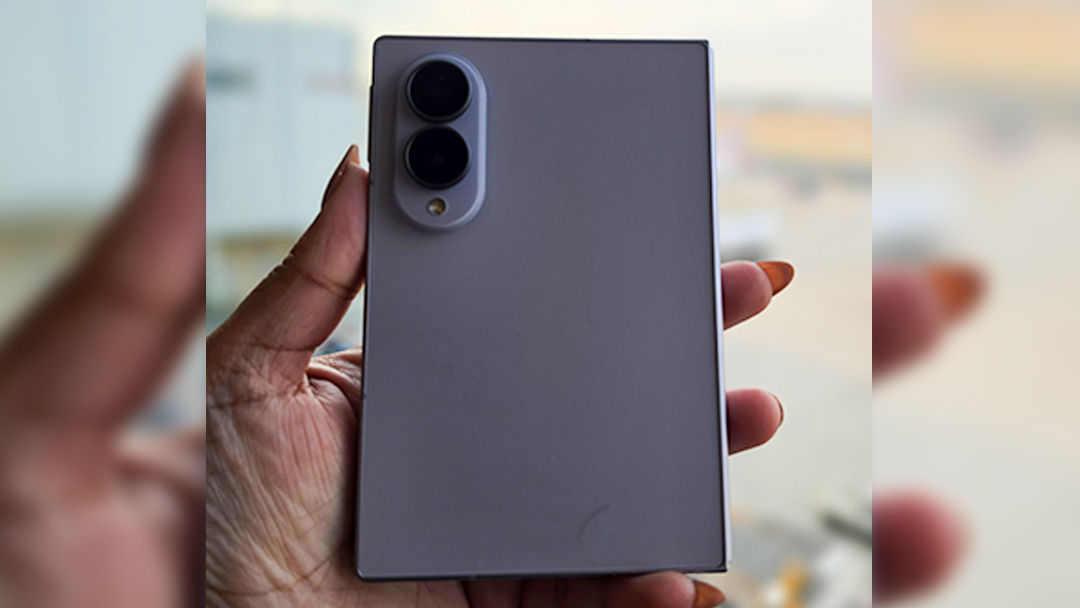
That distinction matters enormously. New form factors from most brands arrive as beta versions in disguise: promising shapes wrapped around first-generation compromises, sold to early adopters willing to tolerate the rough edges. The Fold8 is the opposite. It is new to the world but not new to Samsung, because every problem the company has solved across seven generations of Folds, from hinge durability and display resilience to crease management, weight reduction and software adaptation, flows directly into it. It launches polished because the polishing happened over a decade. That is an advantage no competitor can shortcut, and it is precisely why the Fold8 feels like a finished thought where rivals’ first attempts will inevitably feel like drafts.
Specs Are a Race. Experience Is the Proof.
Look at the current crop of conventional flagships, and a pattern emerges: they compete on specifications. A brighter panel here, a bigger sensor there, a benchmark score traded back and forth every six months. It is a race with no finish line, and crucially, one where the differences have stopped being felt in daily use.
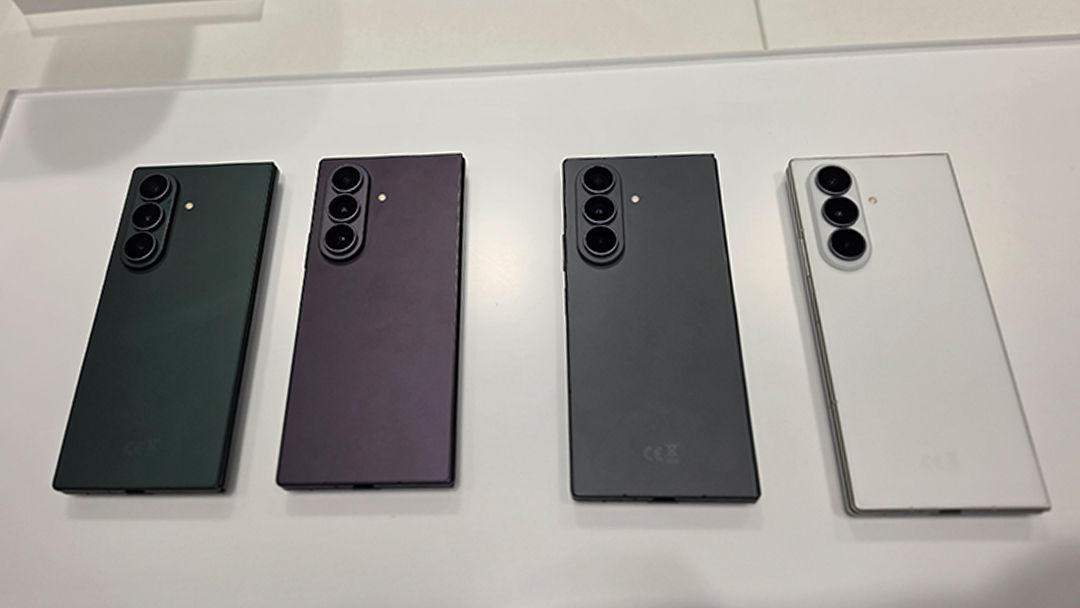
Samsung’s foldables have exited that race entirely. Their edge is not a number on a spec sheet; it is what happens when cutting-edge hardware, an innovative form factor and deeply integrated software come together in service of the user. The screen that reshapes itself around what you’re reading or watching. Galaxy AI that surfaces the right action at the right moment. Camera enhancements that treat the fold as a creative tool rather than a constraint: hands-free angles no tripod is needed for, capturing both sides of a moment at once, intelligent reframing that turns raw footage into share-ready clips, and flagship-grade imaging that no longer asks foldable buyers to compromise. One UI orchestrating all of it so seamlessly that the technology recedes and only the experience remains. It all comes together like a well-orchestrated song, every element playing its role, delivering something frictionless that just works, every single time. No spec sheet, however stacked, can match that; a flat flagship can win a benchmark, but it cannot fold into an entirely different device in your hands.
Two Moves, One Masterstroke
Credit where it is due: Samsung resisted the temptation to gamble everything on novelty. Instead, it made two moves at once, and the pairing is the real genius of this launch.
For the millions of loyalists who swear by the classic Fold, and they are legion, the Fold8 Ultra refines the Fold7 formula into its finest form yet. The familiar shape and muscle memory are now housed in the slimmest Z Fold Samsung has ever built at just 4.1mm unfolded, supported by a larger 5,000mAh battery and new dual-path 45W charging. The camera system receives similar elevation: the 200MP main sensor now shoots with High Dynamic Range at full resolution, a new 50MP ultra-wide at f/1.9 sharpens landscapes, interiors and close-up macro work, and 8K recording through the new APV codec adds production-grade reach. It is a camera system that shoots with genuine flagship intent, closing a gap the category has carried since its birth. It offers a clear, comfortable upgrade path that respects the years users have invested in the format. No relearning, no compromise, just the phone they love, perfected.
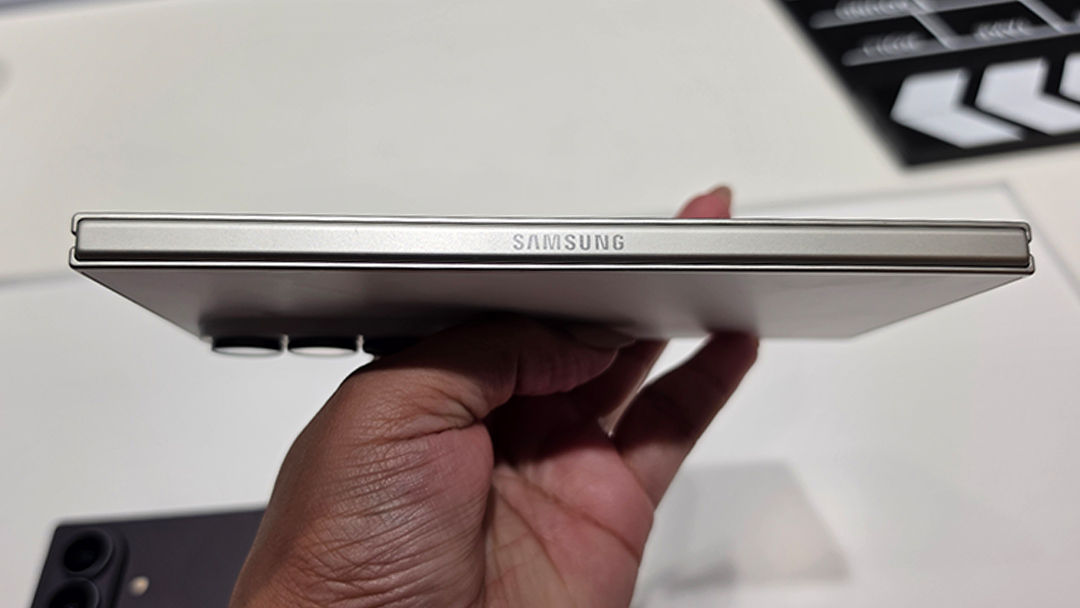
For everyone else, the curious, the hesitant, the millions who admired foldables from a distance but never took the leap, the new Fold8 opens the door. At 201g it is the lightest Galaxy Z Fold ever made, which speaks directly to this buyer: the one who always suspected a foldable would sit in a pocket like a brick. The cameras are pitched at that same newcomer: dual 50MP sensors holding detail consistently across both wide and ultra-wide framing, Dual Recording capturing both sides of a moment while you preview yourself on the cover screen, and My FanCam tracking a chosen subject and reframing the footage into a social-ready cut. It expands the market rather than merely defending it, bringing new users under its fold (pun very much intended) with a shape built around how people actually consume content today. And critically, those newcomers don’t get a diluted starter experience; they get the same polished, mastered execution Samsung has spent years perfecting, from day one.
And the strategy doesn’t stop at two devices. The Flip8 completes the picture, catering to an entirely different buyer: one who wants a phone that vanishes into a pocket, expresses personality, and handles much of the day from its cover screen without ever being opened. Step back and what Samsung has assembled is remarkable: a foldable for the productivity power user, a foldable for the content lover, and a foldable for the style-first minimalist. There is, quite simply, a foldable for everyone. No other brand can say that about even one well-executed foldable, let alone a full portfolio. And owning the entire spectrum of the category, from flip to fold to Ultra, is an ecosystem advantage in itself: whichever door a buyer enters through, they land in the same polished Galaxy experience, and every one of those doors belongs to Samsung.
The Competition Has Been Put on Notice
Make no mistake: this launch is as much a message as it is a product announcement. To every rival eyeing the foldable space, and to those still preparing their first entries, Samsung has just raised the cost of admission dramatically. The bar is no longer “make a phone that folds.” It is: match a near-invisible crease, featherlight weight, a decade-hardened hinge, cameras that make the fold an advantage, software that understands the form, AI woven through the experience, and a portfolio spanning three distinct form factors, all on day one, because that is what buyers now expect a foldable to be. Any competitor arriving with a first-generation product will be measured against Samsung’s eighth, and that is a brutal exam to walk into. The message from this launch is unambiguous: the category has a standard now, Samsung wrote it, and everyone else must clear it before the conversation even begins.
And India Is at the Heart of It
For Indian buyers, there is an added layer to this story that deserves attention: these foldables are not just sold in India, they are made in India. The new Galaxy Z series is manufactured locally and supported by Samsung’s R&D capabilities in the country, a point Samsung’s Southwest Asia leadership underlined at launch, noting that seven generations of consumer response have reaffirmed the company’s leadership in a category it pioneered.
That response is not an abstraction in this market. India has repeatedly proven itself one of the fastest-adopting foldable markets in the world: the previous generation saw first-day pre-orders surge roughly 40 percent over the models before them, a record run at the time. The early energy around the Fold8 series suggests that appetite has only grown. Pre-orders opened here on 23 July alongside global markets, retail partners moved quickly with reservation programmes and accessible financing, and the new form factor has dominated the conversation among Indian enthusiasts since Unpacked. The pattern is familiar by now. When Samsung launches a foldable, India doesn’t wait and watch; it queues up. Few things say more about trust in a product category than that.
Supremacy, Several Notches Higher
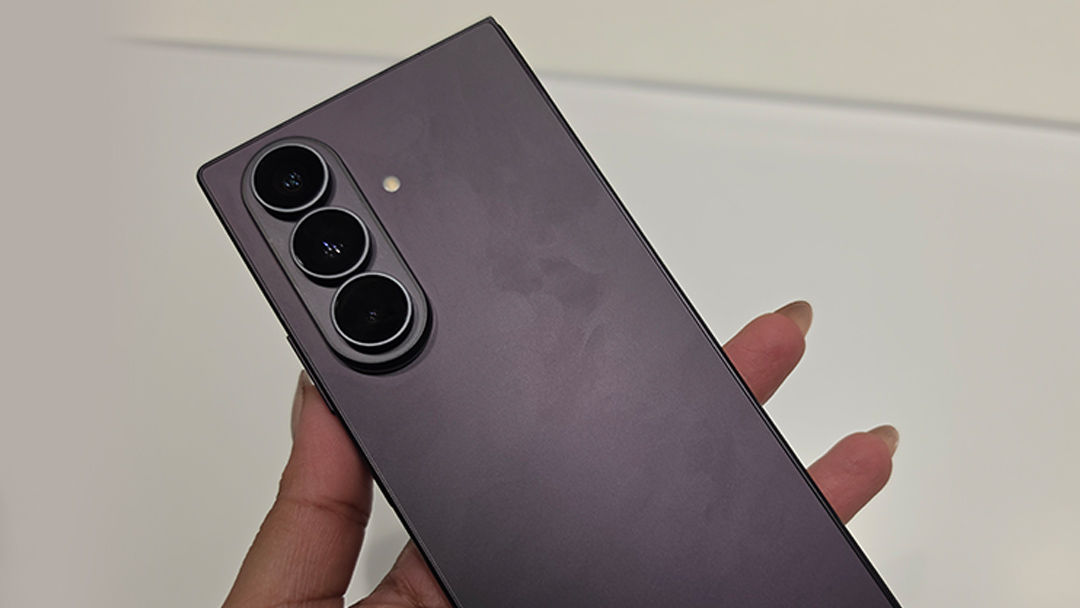
Put it all together and the competitive picture is sobering for everyone else. Samsung’s advantage in foldables is not one thing; it is a compounding stack of things: the legacy only a category creator possesses, the refinement only iteration can produce, the experience-first philosophy that spec-racers cannot answer, and a portfolio strategy that grows the market while deepening loyalty within it. Each layer alone is hard to beat. Together, they are close to unassailable.
And yet the lasting impression of this launch is not fortress-building; it is freshness. At a time when smartphones had begun to feel like variations on a single rectangle, the Fold8 series breathes genuine new air into the space. It makes phones interesting again, makes people talk again, makes the category feel like it is going somewhere. That a market leader delivered this jolt of energy, rather than a scrappy challenger, says everything about where the ambition in this industry actually lives.
Samsung didn’t just extend its lead in foldables this July. It went multiple notches ahead, redefined the market on its own terms, and reminded the industry of an uncomfortable truth: experience, once mastered, is the one spec nobody else can copy.
Disclaimer: This is a Promotional post. The content and opinions expressed are those of the sponsor and do not necessarily reflect the views of our editorial team.