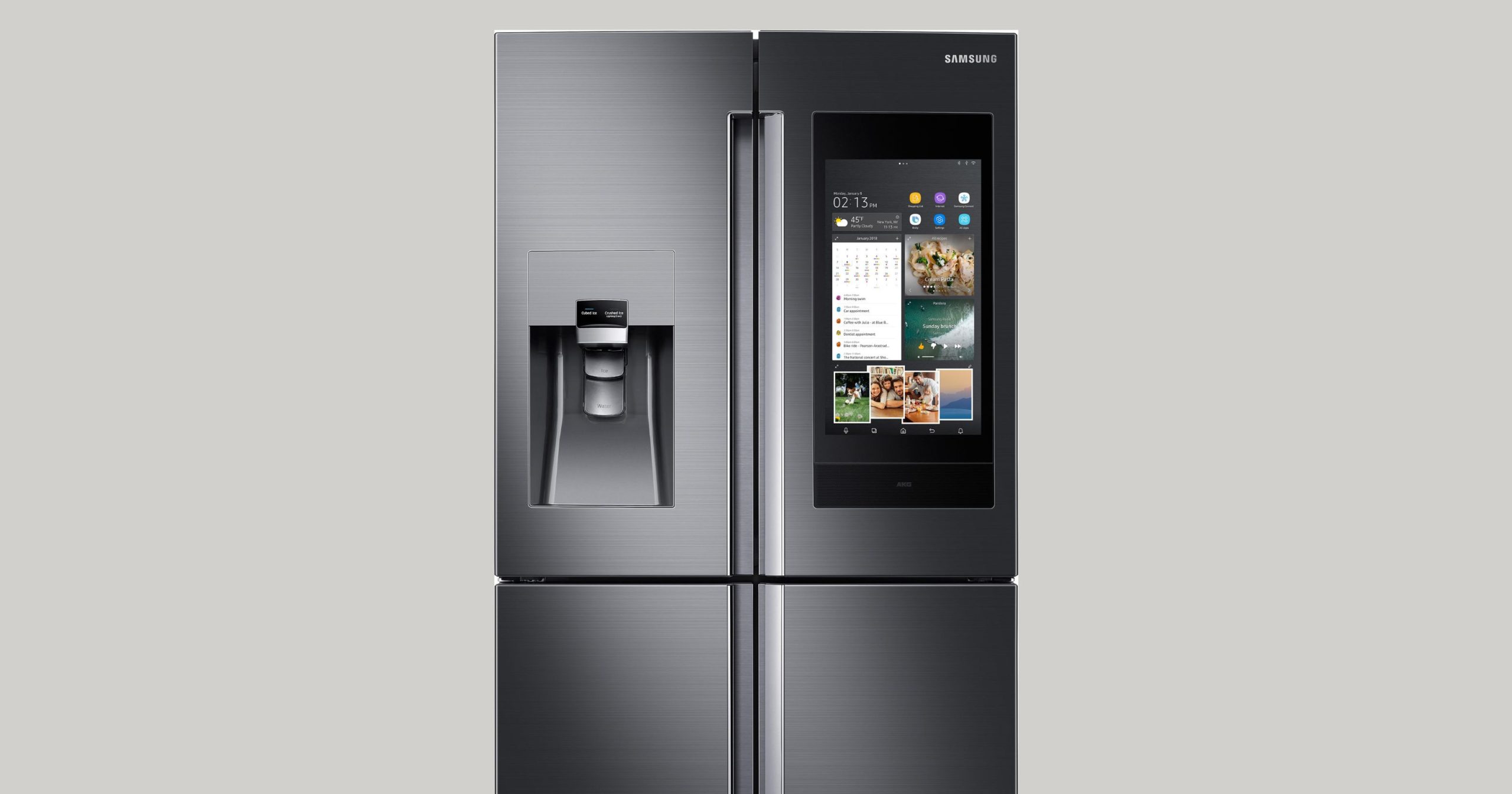
Samsung has recently confirmed that its smart refrigerators, specifically within the Family Hub range, will begin showing advertisements on their display screens as part of a pilot programme currently rolling out in the United States. The ads appear on the cover screen when the fridge is idle, showing curated promotions alongside news, weather, and calendar events. Samsung assures users that full-screen ads covering the entire display are not part of this update and any ads appear only in a small widget area, rotating every 40 seconds, with the option to turn them off completely through simple settings on the fridge.
Despite this, many users on social media have expressed dissatisfaction, with some indicating they might avoid purchasing Samsung appliances due to the presence of ads. Some users expressed frustration saying it detracts from the clean look of their kitchen and could affect future purchasing decisions. Samsung views this as a way to add everyday value to customers, experimenting with a new form of advertising within the connected home. For now, the ad experience remains optional and limited, allowing consumers to maintain control over their smart fridge display.
In India, the premium refrigerator market is expanding rapidly, valued between $3.7 billion to $5.3 billion in the mid-2020s, and expected to roughly double by the early 2030s with an annual growth rate between 7 to 10 percent. This growth is primarily driven by urbanisation, rising incomes, and the increasing demand for refrigerators with smart features and large capacities. Premium models, such as side-by-side and French door styles, are growing fastest, with annual growth close to 8.6 percent, targeting affluent urban households and buyers upgrading from mid-range products.
Samsung remains one of the dominant players in the Indian premium refrigerator market, frequently listed among the top two or three brands alongside LG and Whirlpool. Samsung and LG maintain a strong position by focusing on inverter compressors, smart features, and large capacity refrigerators. Samsung’s premium and AI-enabled Bespoke refrigerator series are specifically designed for urban India, featuring design customisation, convertible storage, and extensive connectivity. These refrigerators come with advanced features like AI Vision Inside that recognises food items, tracks expiry dates, and recommends recipes, alongside a 9-inch AI Home display on the door that functions as a central dashboard for schedules, entertainment, and appliance control. This display integrates with Samsung’s SmartThings ecosystem, allowing users to monitor energy usage and perform smart home controls from the fridge screen itself.
In comparison, LG is Samsung’s main competitor in the premium segment, offering similar smart features and energy efficiency with popular models focusing on frost-free technologies and convertible storage. Other competitors, including Bosch, Panasonic, Haier, and Hitachi, serve niche areas or different premium formats such as side-by-side or high-capacity refrigerators.
Regarding the importance of having a screen on a refrigerator, it is increasingly a significant feature in the premium market rather than a mere gimmick. The screen turns the refrigerator into an information hub in the kitchen, displaying calendars, family notes, recipes, timers, and even media content, which resonates well with tech-savvy, affluent consumers. For Samsung, the display is crucial to its AI-driven ecosystem strategy, offering functionalities like voice control via Bixby and integration with multiple devices through SmartThings, which enables remote energy monitoring, predictive maintenance alerts, and routine automation.
Indian consumers, especially younger and affluent urban households, are gradually adopting these smart refrigerators, motivated by the convenience, connectivity, and energy efficiency they offer. Financing options, e-commerce availability, and growing awareness are making such premium products more accessible.
So at the end Samsung’s introduction of ads on smart refrigerator screens represents a test of consumer tolerance, offering users the ability to disable ads to maintain a cleaner experience. Meanwhile, the premium refrigerator market in India continues to grow strongly, with Samsung maintaining a leadership role by innovating with AI-enabled, connected appliances that integrate deeply into users’ smart home ecosystems. The screen on a refrigerator matters increasingly for premium buyers as it adds value beyond traditional refrigeration, serving as an interactive smart home hub aligned with modern urban lifestyles. This reflects the broader trend of digital transformation in Indian households, where technology and convenience are key purchase drivers.