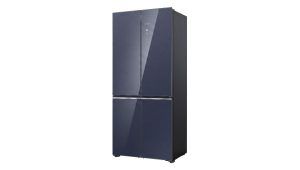
Xiaomi has launched its new Mijia Refrigerator Pro in China, adding another major product to what has already been a busy year for the company’s smart home lineup. The Mijia Refrigerator Pro Micro-Freshness Dual System Cross-Type 560L is a large-capacity smart refrigerator with a focus on remote control, intelligent cooling and modern design. It comes in three colour options Ice Crystal White, Starry Silver and Apricot Glass, which makes it look more premium than typical mid-range refrigerators.
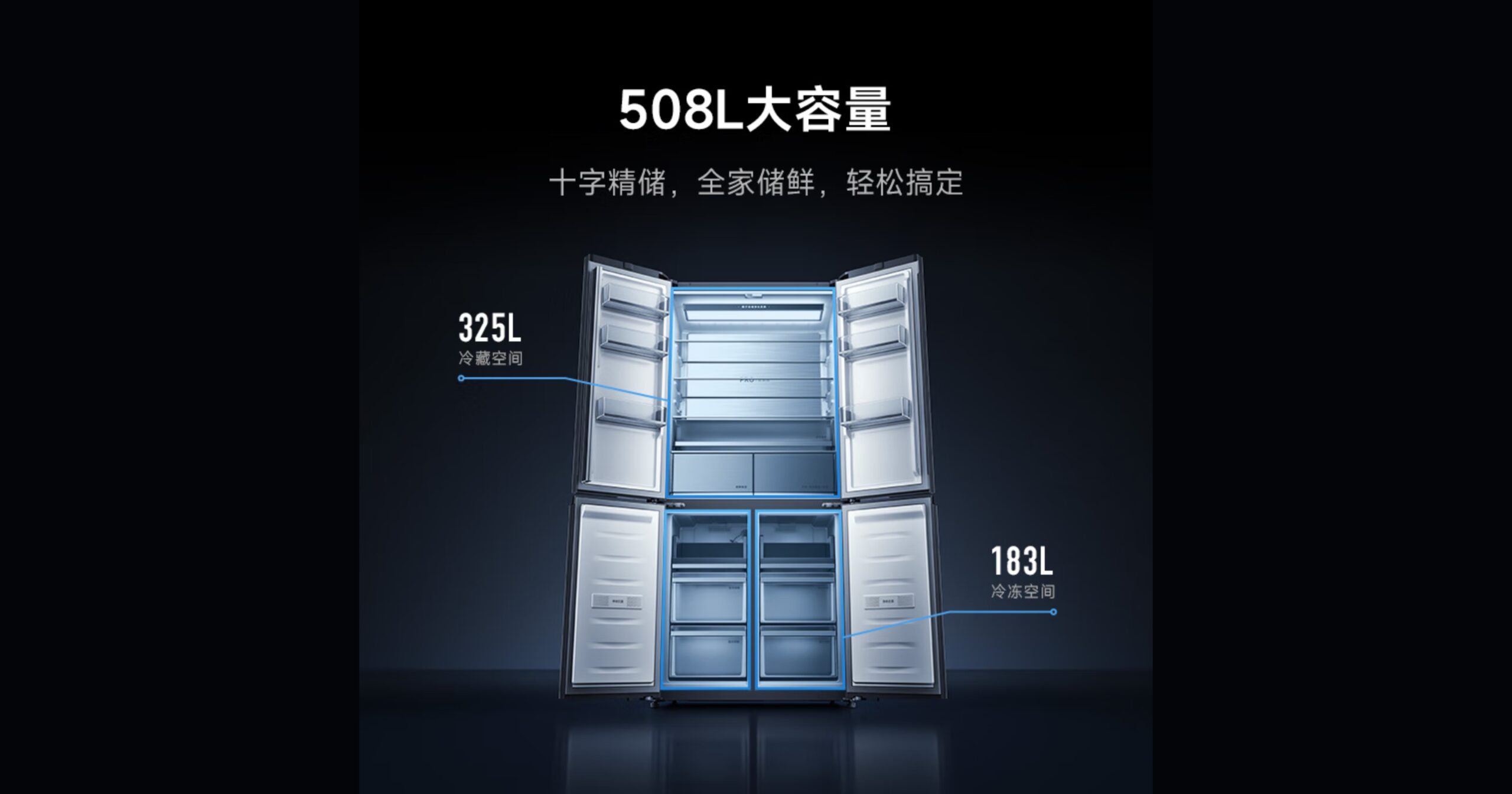
The refrigerator offers a total of 560 litres of storage space spread across 18 different zones. Xiaomi has equipped it with a dual-cooling system to deliver more stable temperatures in both the fridge and freezer sections. Under the main compartment, there is a 200-litre freezer that can cool down to –30°C. Xiaomi is also using micro-chilling technology, which the company claims can keep fresh meat in good condition for up to ten days without freezing it. All temperature controls can be managed remotely using the Mi Home app, allowing users to view and adjust settings from anywhere.
A built-in ice maker is also included, and Xiaomi says it uses antibacterial materials to keep the process hygienic. This ice maker can be controlled through the app as well. Another feature Xiaomi has added is something it calls the Food Alarm Clock, which notifies users when an item in the fridge is close to its expiry date. These kinds of small but useful touches show Xiaomi’s intention to lean heavily into connected home appliances.
What caught most people’s attention, however, is the price. Xiaomi is selling the refrigerator for CNY 9,999 in China, which is surprisingly low for a 560-litre smart fridge. At current conversion, it comes to around Rs 1,27,813. The price will almost certainly be higher if it launches in other markets.
Xiaomi has been performing strongly in the home appliance segment, especially in China. In the first quarter of 2025, the company was among the top four home appliance brands in the country, with shipments growing more than 65 percent year-on-year. Internationally, Xiaomi has been expanding its appliance lineup with launches in Europe and South Asia, including models like the Mijia 502L Cross Door Refrigerator. Its strategy has been consistent: offer smart ecosystem integration, AI-enhanced features and competitive pricing to challenge brands such as Samsung and LG.
If Xiaomi brings this new 560L refrigerator to India, it could arrive in a market that is growing at a healthy pace. India’s refrigerator market is valued at around USD 5.34 billion in 2025 and is expected to reach USD 7.70 billion by 2030. The growth is driven by urbanisation, rising incomes and a shift towards larger and more energy-efficient models. Indian consumers are increasingly choosing double-door and side-by-side refrigerators, especially in families with higher storage needs.
The main competitors in India remain Samsung and LG, which dominate the premium and smart refrigerator categories with models featuring AI cooling systems and convertible modes. Other established brands include Whirlpool, Panasonic, Godrej, Haier, Electrolux, Hitachi, Voltas, Blue Star and Bosch. These companies have strong local manufacturing setups and wide service networks, which give them an advantage in the country.
Big on Space, Not in Cost
Xiaomi’s entry into this space would be interesting because the brand already has a strong ecosystem presence in India through televisions, air purifiers and smart home devices. Indian buyers tend to favour value for money, and Xiaomi has repeatedly succeeded by offering advanced features at lower prices. If the new Mijia Refrigerator Pro launches in India at anything close to its China pricing, it could attract a large number of buyers. Many Indian households want bigger refrigerators, but the current options in the 500-litre and above category are priced beyond most budgets. A more affordable alternative with smart features would likely perform well.
That said, Xiaomi will still face challenges. Competing with Samsung and LG in the premium segment will require strong after-sales service and long-term reliability, areas where traditional appliance brands have spent decades building consumer trust. Xiaomi may instead find an easier entry point in the mid-range, where it could take share from brands like Godrej and Haier, especially among buyers looking for their first large-capacity fridge.