Infinix positions its Note series as a showcase of what it can achieve, and the Note 60 Pro sits right at the top of that vision. This year, the brand leans into features that feel ambitious for the price, including a metal frame, an Active Matrix display on the back, and even a built-in heart rate sensor. On paper, the smartphone is clearly aimed at standing out rather than blending in.
Infinix Note 60 pro
Rs 31,999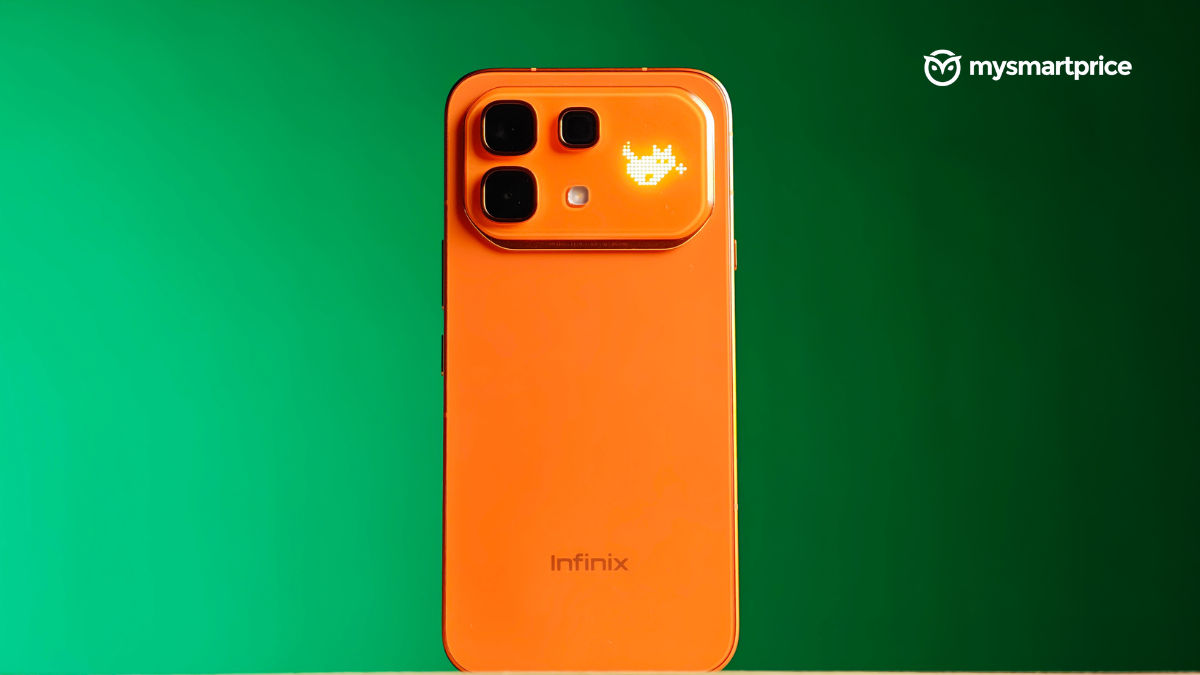
What Is Good?
- Smooth and fluid 144Hz display
- Solid build with a premium metal frame
- Strong battery life with fast charging
What Is Bad?
- Design lacks originality
- No dedicated telephoto camera
- Performance not class-leading
- Extra features feel gimmicky
That approach, however, lands in a highly competitive segment. Rivals like the Nothing Phone 4a bring a more distinctive design and a dedicated telephoto camera, while options like the POCO X8 Pro focus more on raw performance. Even older devices such as the Realme GT 7 continue to offer a well-rounded package.
This raises a key question. Do these new additions actually enhance the overall experience at this price? I spent some time using the Note 60 Pro across everyday scenarios to find out what is good and not so good about the phone.
Design and Build Quality
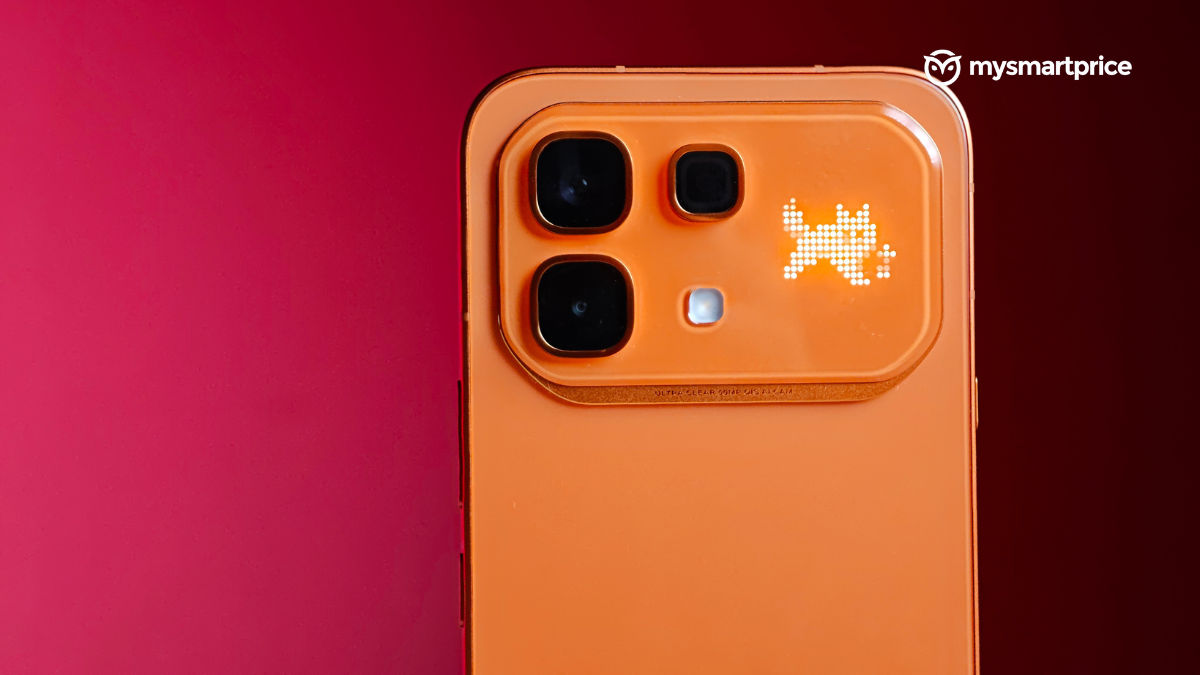
Infinix has been traditionally using the Note series as a canvas for bold, experimental designs. With the Note 60 Pro, that identity takes a clear step back. The camera module and the addition of an action button feel directly lifted from the iPhone 17 Pro, to the point where the design struggles to feel like an Infinix device at all. The familiarity is obvious, but it comes at the cost of originality, which is disappointing for a series that once leaned into bold ideas.
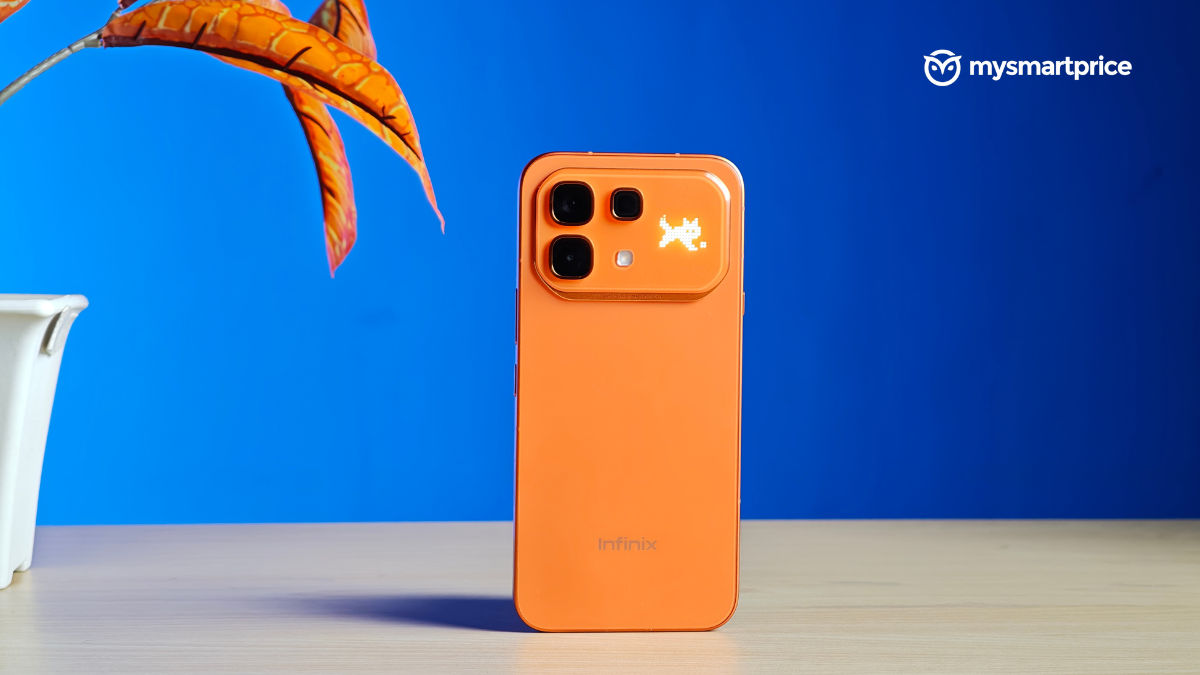
To its credit, Infinix does attempt to add some individuality. The Active Matrix display beside the camera module and the heart rate sensor on the lower-right edge are interesting inclusions on paper, but they feel more like afterthoughts than features that truly define the design. This lack of a clear identity is also reflected in the colour choices.
The Solar Orange finish tries hard to stand out, but ends up feeling overly loud and slightly overwhelming in everyday use. It draws attention, though not always in a flattering way. In contrast, the Mocha Brown and Deep Ocean Blue options come across as more restrained, with a neutral tone that aligns more closely with Infinix’s typically restrained design language.
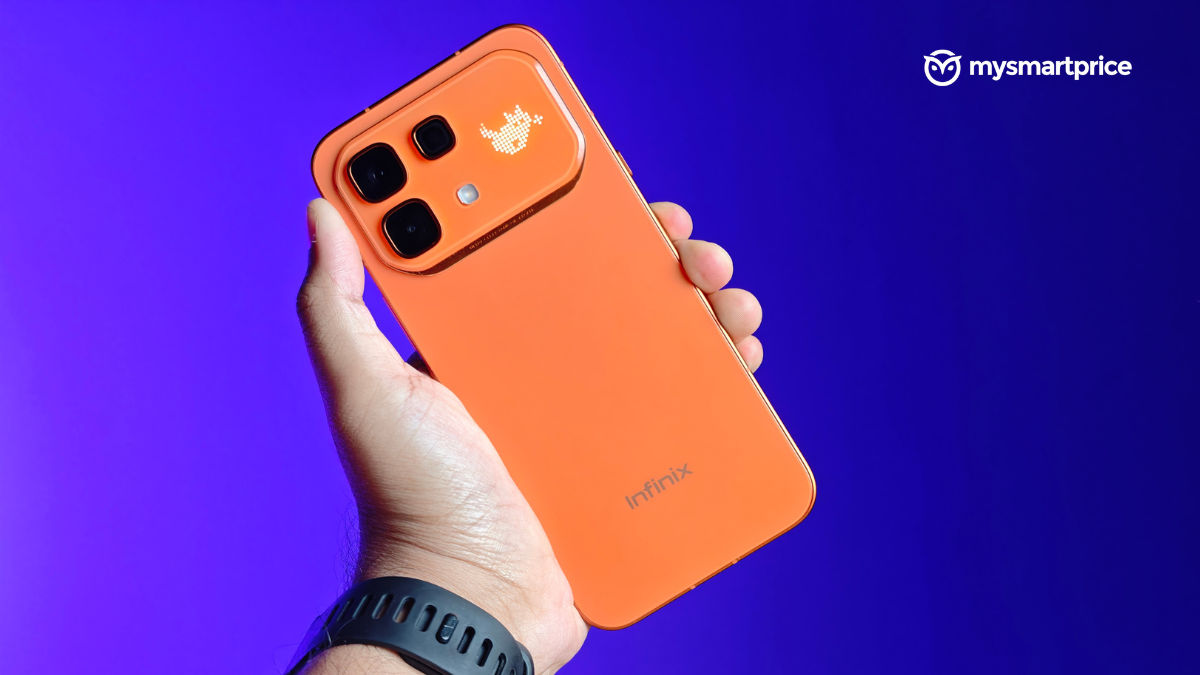
On the plus side, the metal frame feels solid and premium, and the phone is comfortable to hold at first. That said, the weight distribution makes it feel denser than expected, given its 7.45mm thickness, which can get slightly tiring during extended use.
| Design | Specifications |
| Colour Options | Solar Orange (our review unit), Deep Ocean Blue, and Mocha Brown |
| Weight | 200g |
| Thickness | 7.45 mm |
| IP Rating | IP64 |
| Port and Button Placements | Bottom: Primary microphone, USB port, speaker grille, and SIM card tray
Top: Secondary microphone Right Side: Power button and volume button |
The Note 60 Pro feels reassuringly solid in hand, but its durability could use improvement. It carries an IP64 rating, which means it can withstand light splashing and some dust, but that is about it. At this price, that level of protection feels a bit limited, especially when some rivals are pushing further. Devices like the Motorola Edge 70 and the POCO X8 Pro step things up with IP68 and even IP69 ratings, offering much better resistance to water and dust.
Display and Audio Quality
Infinix continues to prioritise a high-refresh-rate experience with the Note 60 Pro, and the 144Hz panel plays a key role in shaping the overall feel. Interactions across the interface feel fluid and responsive, whether scrolling through apps or navigating menus, with no noticeable stutter.
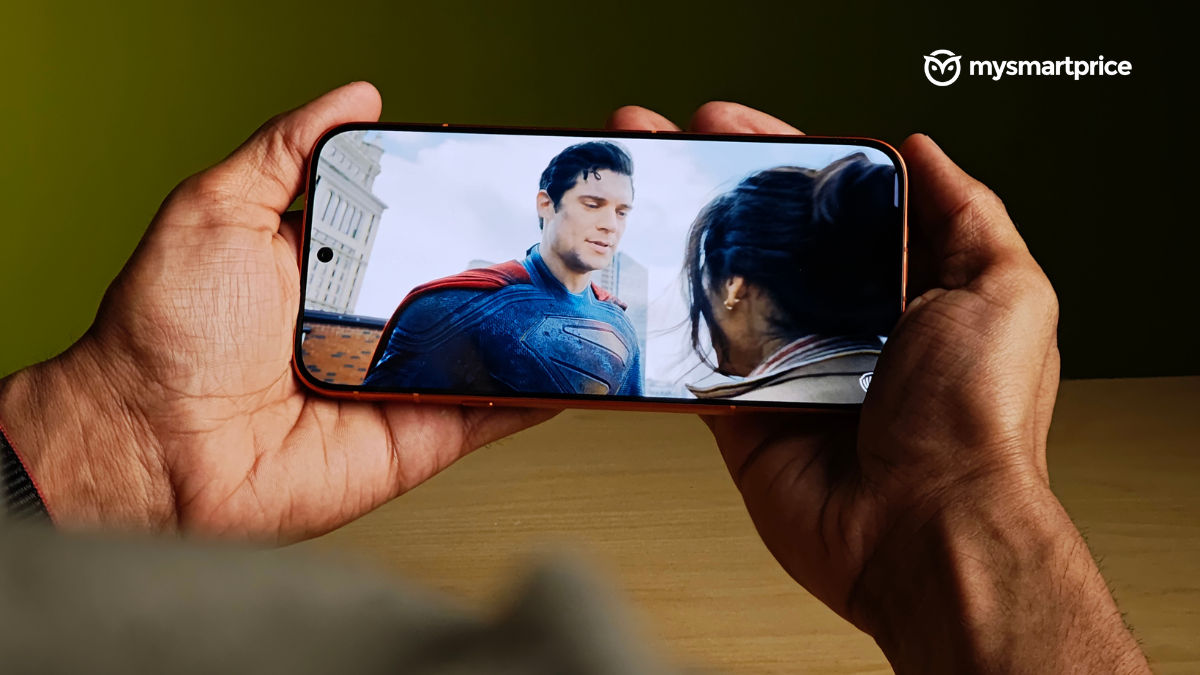
In day-to-day use, the panel adapts well to different lighting conditions. Outdoor visibility remains dependable thanks to strong peak brightness, while the automatic brightness adjustment transitions smoothly without abrupt shifts.
For media consumption, the display holds up well. Colours lean towards a more natural profile rather than appearing overly boosted, keeping visuals balanced. Contrast is also handled well, with darker scenes retaining detail rather than looking crushed, resulting in a consistently immersive viewing experience.
| Display | Specifications |
| Size | 6.78-inch |
| Type | AMOLED |
| Resolution | 1.5K resolution (1208 x 2644) |
| Refresh Rate | 144Hz |
| Peak Brightness | Claimed: 4500 nits, Tested: 2400 nits |
| Display Protection | Corning Gorilla Glass 7i |
The Note 60 Pro offers a solid audio experience. The stereo speakers deliver punchy bass and clear instrument separation, while the system smartly reduces bass at higher volumes to avoid distortion. Interestingly, enabling the game sound mode improves overall output, making it surprisingly useful even for regular media.
Infinix also offers the MagPower speaker accessory, priced at Rs 4,000, as an add-on to enhance audio. While it improves bass response for music, its tuning does not translate well to video playback, where dialogue can sound slightly recessed and unclear. At this price point, a dedicated portable speaker from brands like Tribit would deliver higher output and a more balanced sound profile.
Performance and Software
The Infinix Note 60 Pro is powered by the Snapdragon 7s Gen 4, and its focus is clearly on delivering a stable everyday experience. Routine tasks such as streaming, casual gaming, and browsing run smoothly, with the interface remaining consistently fluid.
That said, some hardware choices feel a bit conservative. The use of UFS 2.2 storage is underwhelming for a device with a “Pro” tag, resulting in slightly slower app loading times than expected in this segment. The chipset itself also appears in more affordable options like the Motorola Edge 70 Fusion, which makes the positioning less convincing. Across the wider sub-Rs 40,000 category, devices such as the Motorola Edge 70, the POCO X8 Pro, and even last year’s phones, including the iQOO Neo 10 and Realme GT 7, deliver stronger benchmark numbers and better peak performance.
Overall, the Note 60 Pro prioritises consistency over outright power, making it reliable, though not particularly performance-focused.
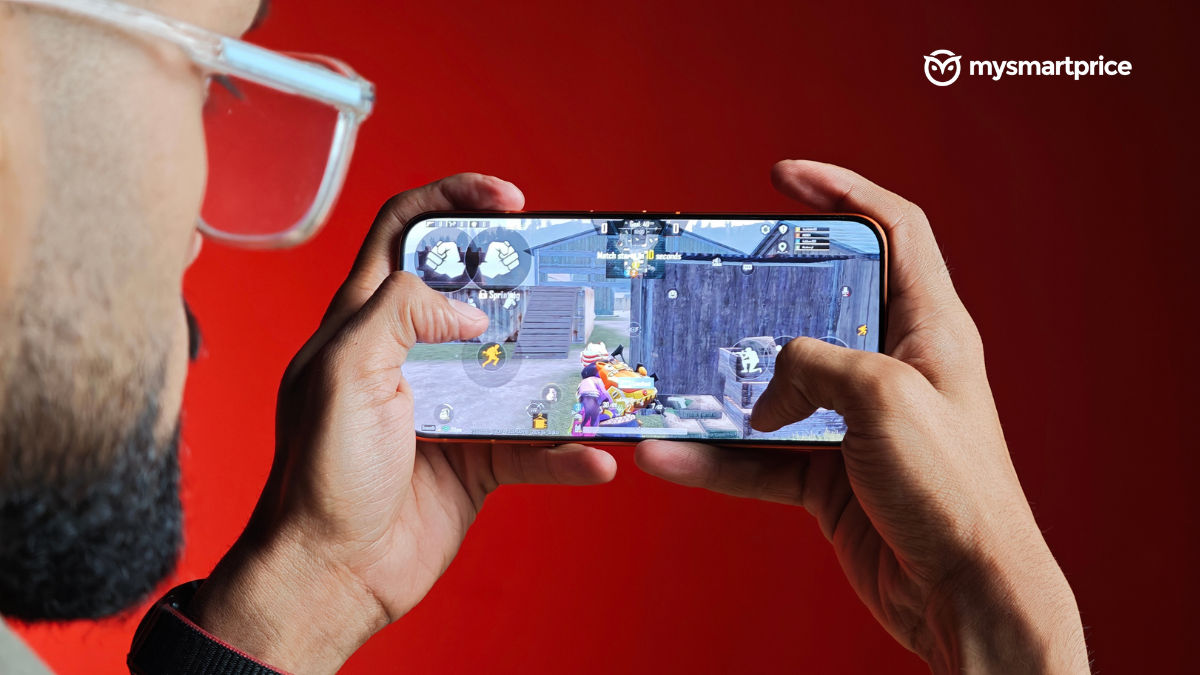
Gaming gives a clearer sense of where the Note 60 Pro stands. In BGMI, the phone averages around 82.1 fps, which feels a bit modest for a device carrying a “Pro” label. By comparison, the Nothing Phone 4a leads with an average of 105.8 fps. There is also a more noticeable gap between the average and lowest frame rates on the Note 60 Pro, resulting in occasional dips during more demanding scenes.
In heavier workloads, the gap becomes clearer. The Note 60 Pro delivers an average of 44.3 fps, with a 5% low of 35.8 fps, indicating less consistent performance. In comparison, the Realme GT 7, despite being an older all-rounder, averages 53.9 fps, with a narrower gap, resulting in a more stable experience.
Where the Note 60 Pro does impress is in thermal control. Even under extended load, temperatures peak at a comfortable 38°C, staying well below the 43°C recorded on the Nothing Phone 4a. The overall tuning leans towards keeping temperatures in check rather than chasing peak frame rates, making it better suited to lighter games than to intensive titles.
| Hardware | Specifications |
| RAM | 8GB LPDDR5 |
| Storage | Up to 256GB UFS 2.2 |
| Storage Test | 57913 |
| CPU Throttling Test | 84% |
| Software Version | XOS 16, based on Android 16 |
| Connectivity Details | Bluetooth 5.4, Wi-Fi 6, and NFC |
| Number of Software Updates | Three years of major OS upgrades and five years of security patches |
Infinix pairs the Note 60 Pro’s modest hardware with XOS 16, based on Android 16, and the software does a good job of smoothing things over. Animations feel lively, transitions are fluid, and the interface remains consistently snappy in day-to-day use. The visual style borrows a fair bit from iOS, which helps create a more premium look, though pre-installed apps still detract from that polish.
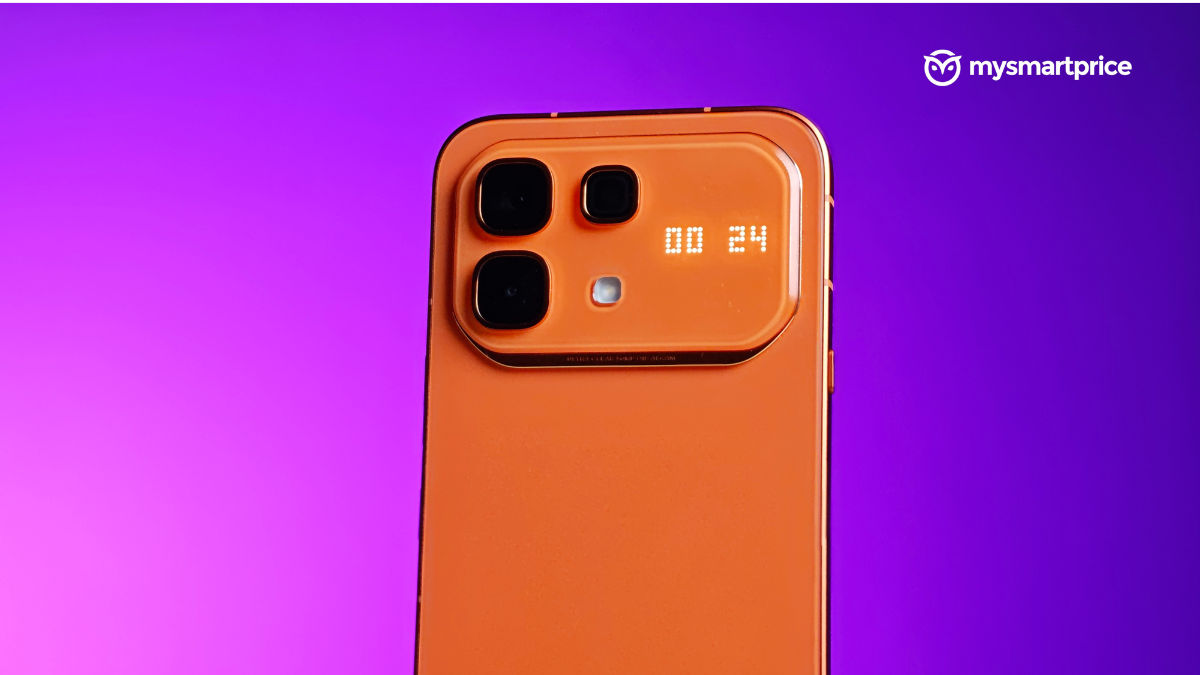
Some additions are genuinely useful. The Active Matrix display stands out as a practical feature, offering quick access to notifications, calls, and short timers without fully waking the screen. However, features such as Matrix Miniplay feel more like passing additions than something with lasting utility.
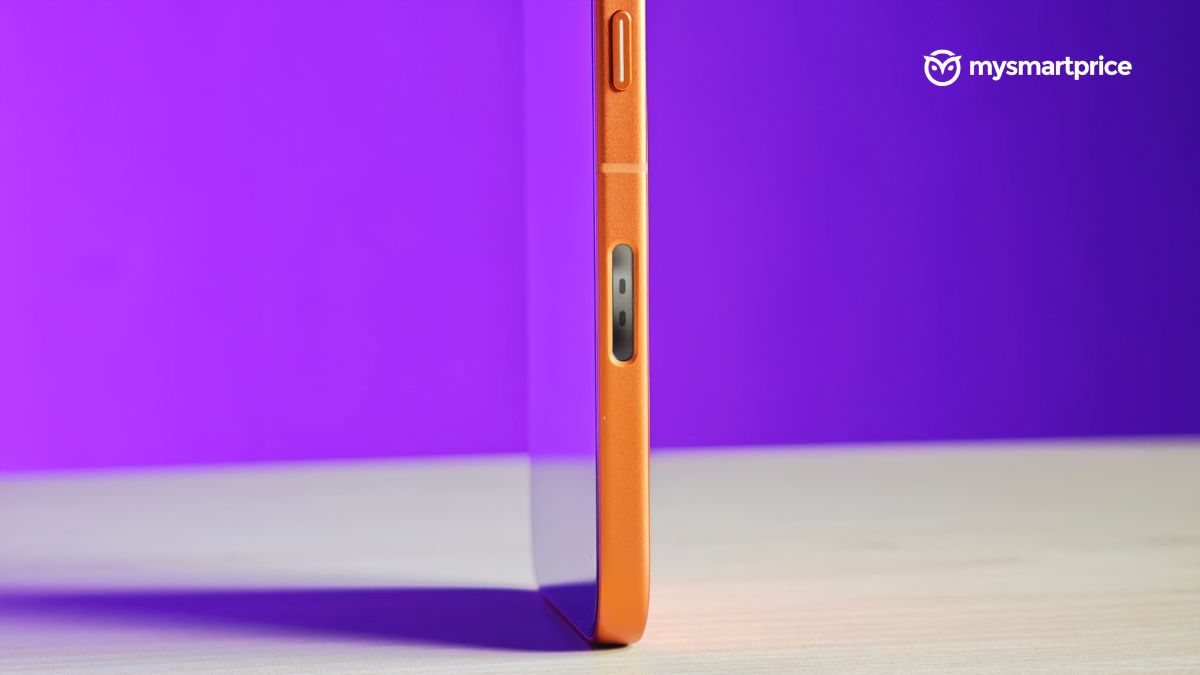
The heart rate sensor on the lower-right frame falls into a similar category. It is unreliable and often requires multiple attempts to register a reading. Doctors generally advise against relying on wearable devices for accurate heart rate tracking, and the same applies here, limiting their real-world usefulness. Ultimately, the effort spent on these experimental features would have been better directed towards stronger core hardware to more convincingly justify the “Pro” tag.
Battery and Charging
The Note 60 Pro packs a 6,500mAh battery, but its output does not fully reflect that capacity. In the PCMark battery test, it delivered 16 hours and 10 minutes, a respectable figure that only matches the Nothing Phone 4a despite its smaller 5,400mAh cell.
In comparison, devices like the Vivo V70 FE, with a 7,000mAh battery, pull ahead with clearly stronger endurance, highlighting the gap in optimisation here.
In everyday use, though, the experience is more reassuring. A typical mix of streaming, browsing, and messaging delivers about 8 hours of screen-on time. That comfortably lasts through a full day without needing a mid-day charge.
Charging is handled well. Infinix includes a 90W charger in the box, which fully charges the battery in about 50 minutes, making quick refills easy. The phone also supports 30W wireless charging, although its real-world charging speeds are yet to be tested.
Cameras
The Infinix Note 60 Pro sticks to a simple dual camera setup, which feels a bit limited for its price. Rivals like the Nothing Phone 4a and even last year’s phones, such as the Motorola Edge 60 Pro and the Realme GT 7, offer a more versatile triple-camera system with a dedicated telephoto lens, making portraits and zoom shots look more convincing. Here, the Note 60 Pro leans on its primary sensor to handle those scenarios, and the results are not quite as refined.
That said, the main camera still holds up well for everyday use. It remains a dependable shooter for everyday photos, even if it lacks the flexibility of some competitors.
| Cameras | Specifications |
| Primary camera | 50-megapixel, OIS, f/1.59 |
| Secondary camera | 8-megapixel, 111.4° FOV, f/2.2 |
| Selfie camera | 13-megapixel, f/2.2 |
| Video capabilities | Up to 4K at 30fps for the primary and front cameras |
In daylight, the primary camera delivers a natural and balanced look. Colours stay close to real life, and the dynamic range handles bright highlights and darker areas well.







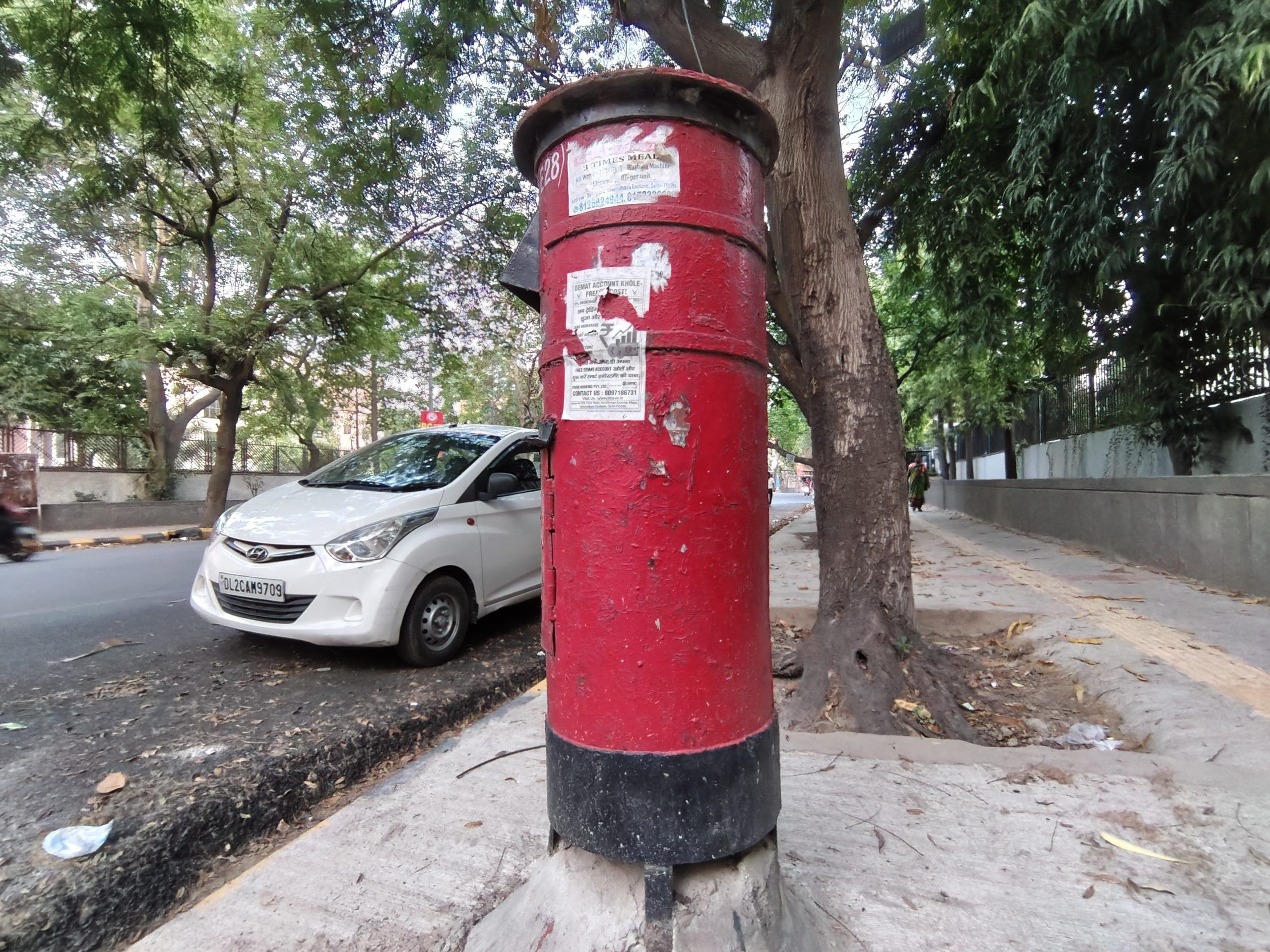









Portraits are decent but not always consistent. Skin tones look accurate, but since everything relies on the main sensor, edge detection and background blur can feel a bit uneven at times.
The ultra-wide camera adds flexibility, though it struggles with consistency. There is often a slight pink tint, and warmer tones are not always reproduced accurately, making the shift from the main camera noticeable.










In low light, the camera performs well. Images retain good detail and colour, while noise is kept under control. Night shots come out clean and are more than usable for social media.
The front camera captures pleasing selfies in daylight, with good detail and natural-looking skin tones. In low light, however, the output becomes softer, and finer details, such as facial hair, tend to be smoothed out.
Verdict
The Infinix Note 60 Pro delivers a well-rounded experience, with a smooth 144Hz display, solid speakers, reliable battery life, and clean day-to-day performance. The main camera is dependable, and thermals remain impressively well controlled. However, the safe, iPhone-inspired design, limited IP64 rating, and use of UFS 2.2 storage hold it back. The “Pro” tag also feels stretched, especially given gimmicks like the inconsistent heart rate sensor. Still, for those prioritising stability and everyday usability over peak performance, the Note 60 Pro remains a sensible and easy phone to live with.