We are 5 months into 2026, and my god, what a lineup of flagship smartphones we have already seen. Prior to this year, the only Ultra we often talked about was Samsung’s. However, this year, Vivo and Oppo both released their Ultra models in India, and we are loving them. We have already reviewed the Vivo X300 Ultra (review), Xiaomi 17 Ultra (review), and the Samsung Galaxy S26 Ultra (review), and now it’s time for probably the last Ultra of this year, the Oppo Find X9 Ultra.
Oppo Find X9 Ultra
Rs 1,69,999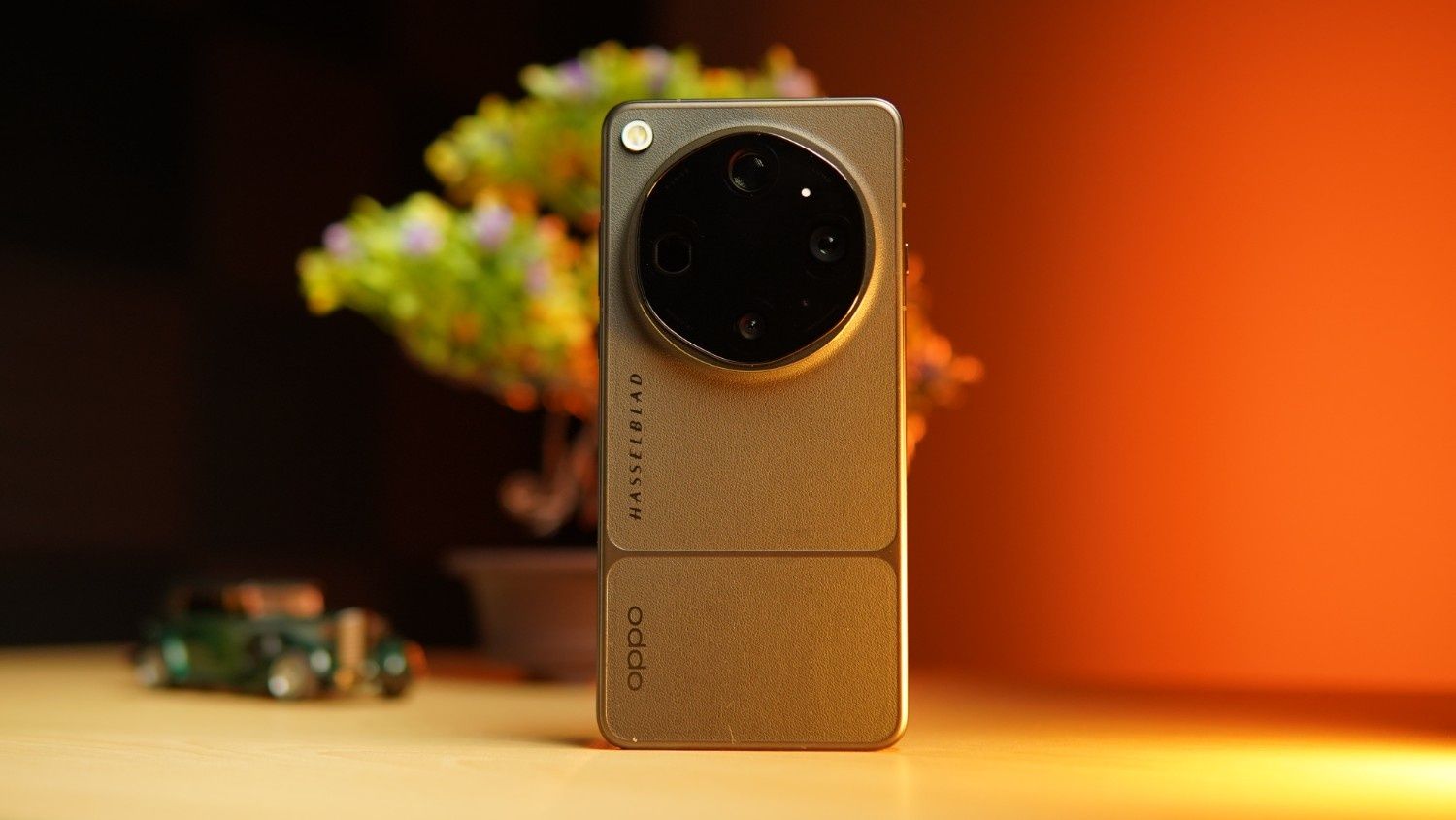
What Is Good?
- One of the best camera systems on any smartphone right now
- Exceptional telephoto performance, especially 3x zoom
- Top-tier Snapdragon 8 Elite Gen 5 performance
- Premium Hasselblad-inspired design with excellent durability ratings
What Is Bad?
- Bulky and heavy for everyday comfort
- Camera processing can occasionally feel slow
- Video consistency between lenses still needs improvement
- Display tuning feels slightly oversaturated
I have been using this smartphone for a couple of weeks, and one thing that immediately makes it stand out is the overall Hasselblad theme. Be it the design, the camera UI, or the watermarks, the collaboration has given Oppo’s Ultra an overall new vibe.
But along with being a camera-first smartphone, the Oppo Find X9 Ultra is still a smartphone, which means the other parameters, such as display, battery life, and performance, also need to be in check. So, here’s my review of the Oppo Find X9 Ultra, read along!
The Camera Hardware is Seriously Good!
The first thing that I realised after using the Oppo Find X9 Ultra was that this is not a camera phone that you will completely understand in just auto mode. At first, it acts like most of your camera flagship phones today, with bright HDR shots, boosted shadows, sharp details, vibrant colours, and the kind of images that you don’t have to edit before posting on your Instagram feed.
Over time, the more I shot with this phone, the more I realised that the actual strength of this phone sits underneath the chatter of that processing, and that becomes both the best and the most frustrating thing about the Find X9 Ultra.
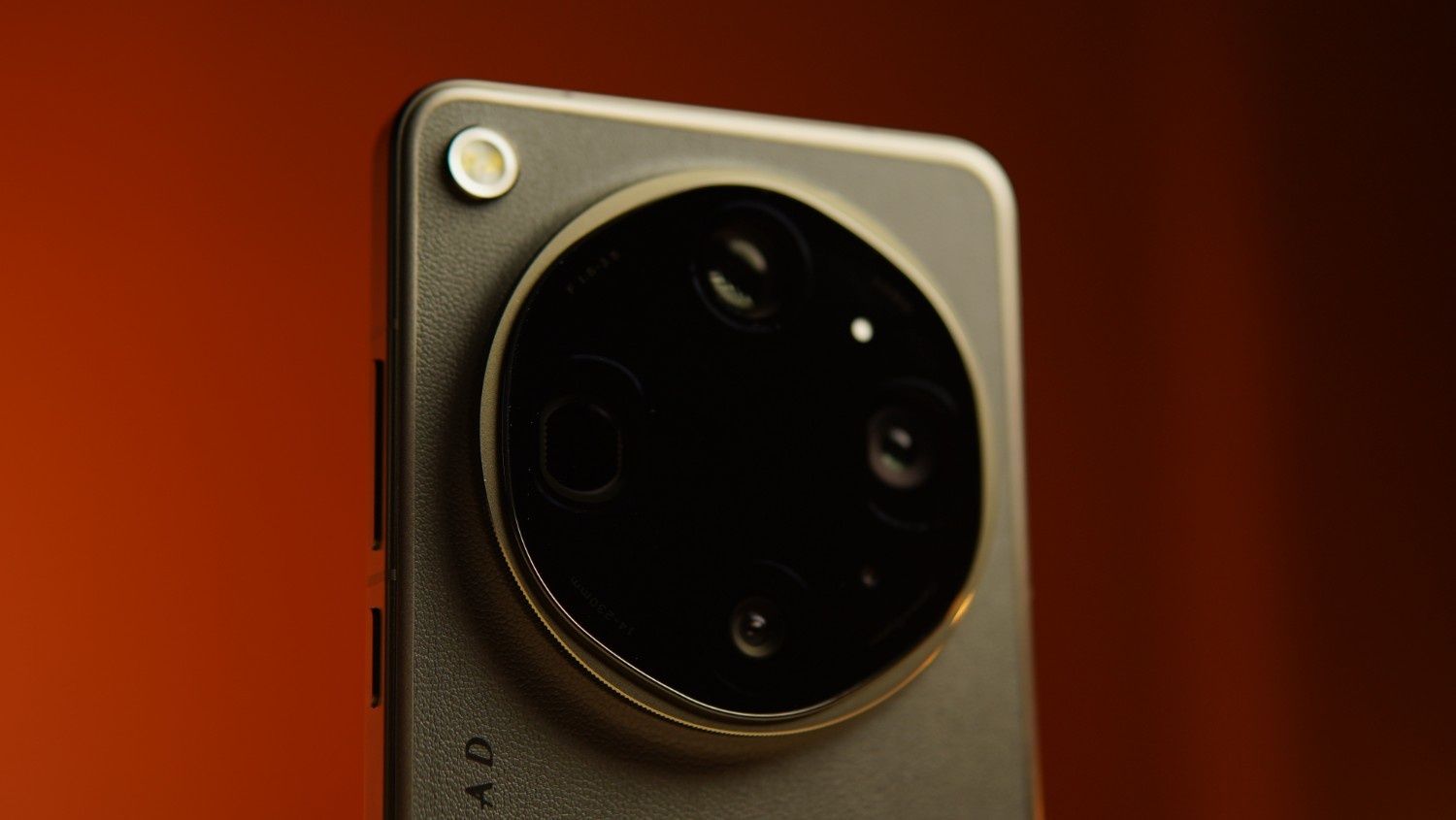
From a hardware perspective, this is one of the best camera systems currently available on a smartphone. You get a 200-megapixel main camera, a 50-megapixel ultrawide, a 200-megapixel 3x telephoto sensor, and another dedicated 50-megapixel 10x periscope camera. Oppo has basically thrown everything at this phone, and most of it actually delivers.


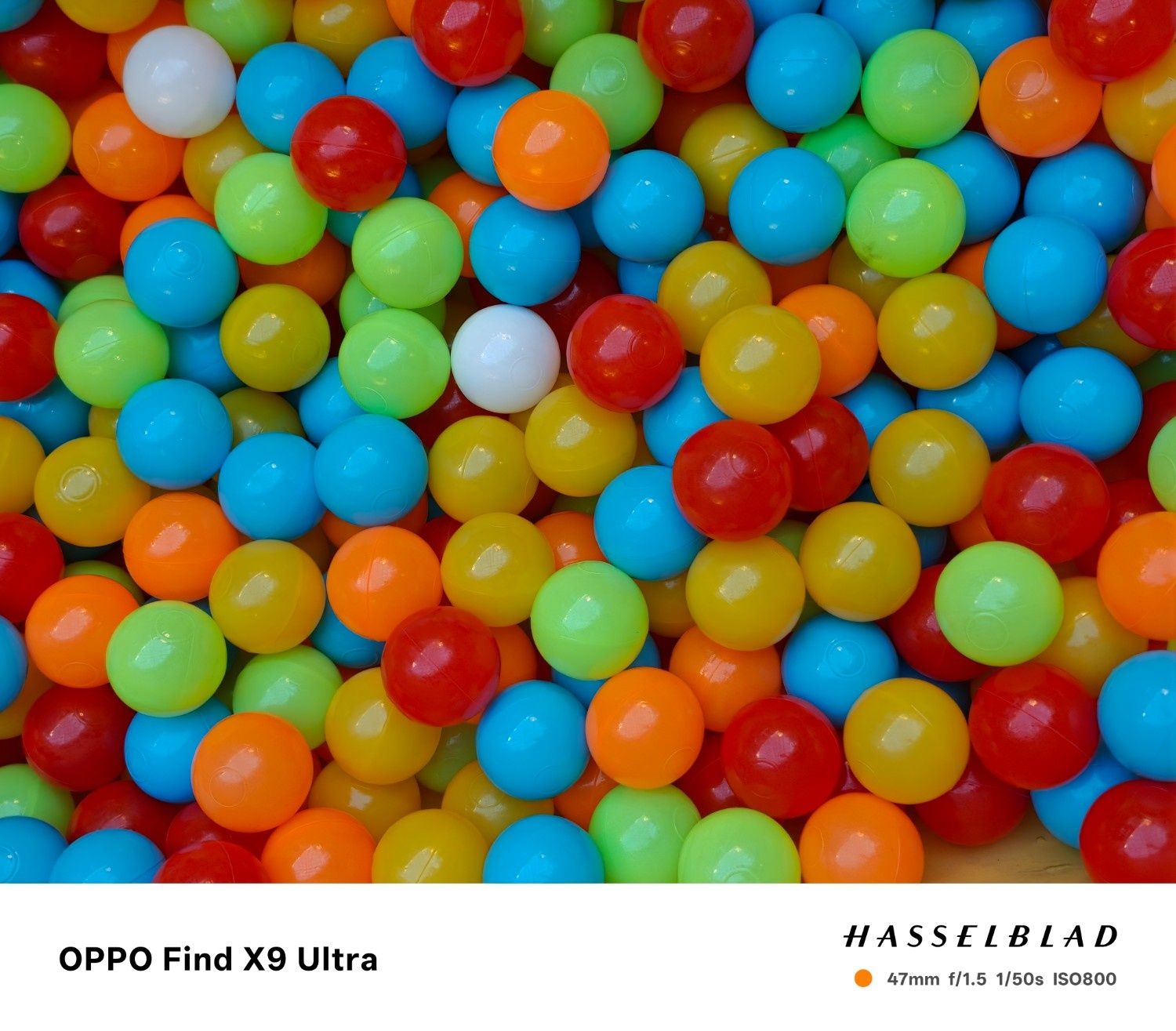



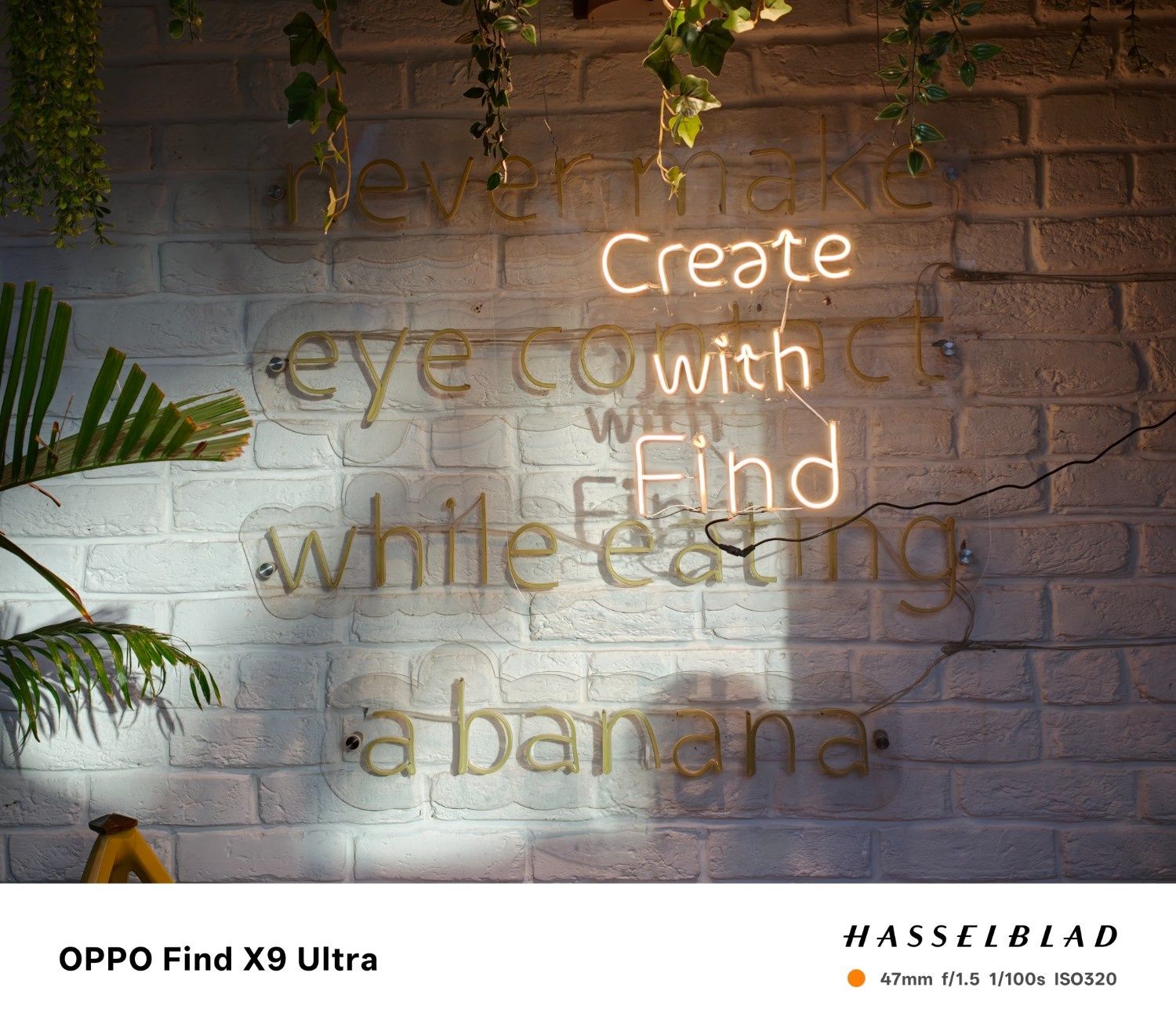
The new 200-megapixel Sony Lytia main sensor captures a lot of detail. Dynamic range is excellent, colours look balanced, and the camera handles difficult lighting conditions also well.
A lot of smartphone cameras capture photos that already feel finished even before they reach the edit table. With the Find X9 Ultra, there is enough detail, shadow information, and highlight recovery available that the images genuinely hold up when you start editing them properly later.
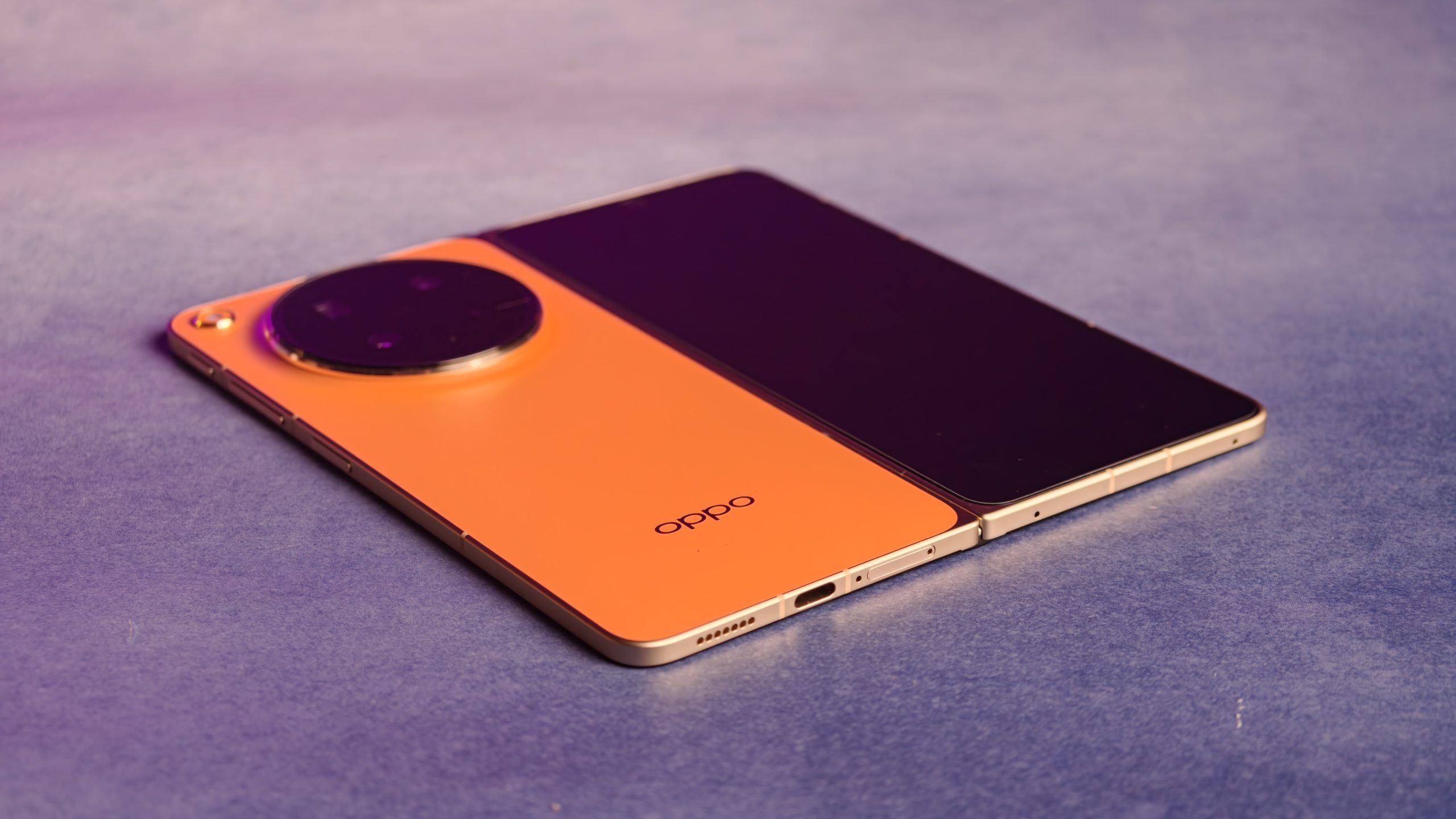
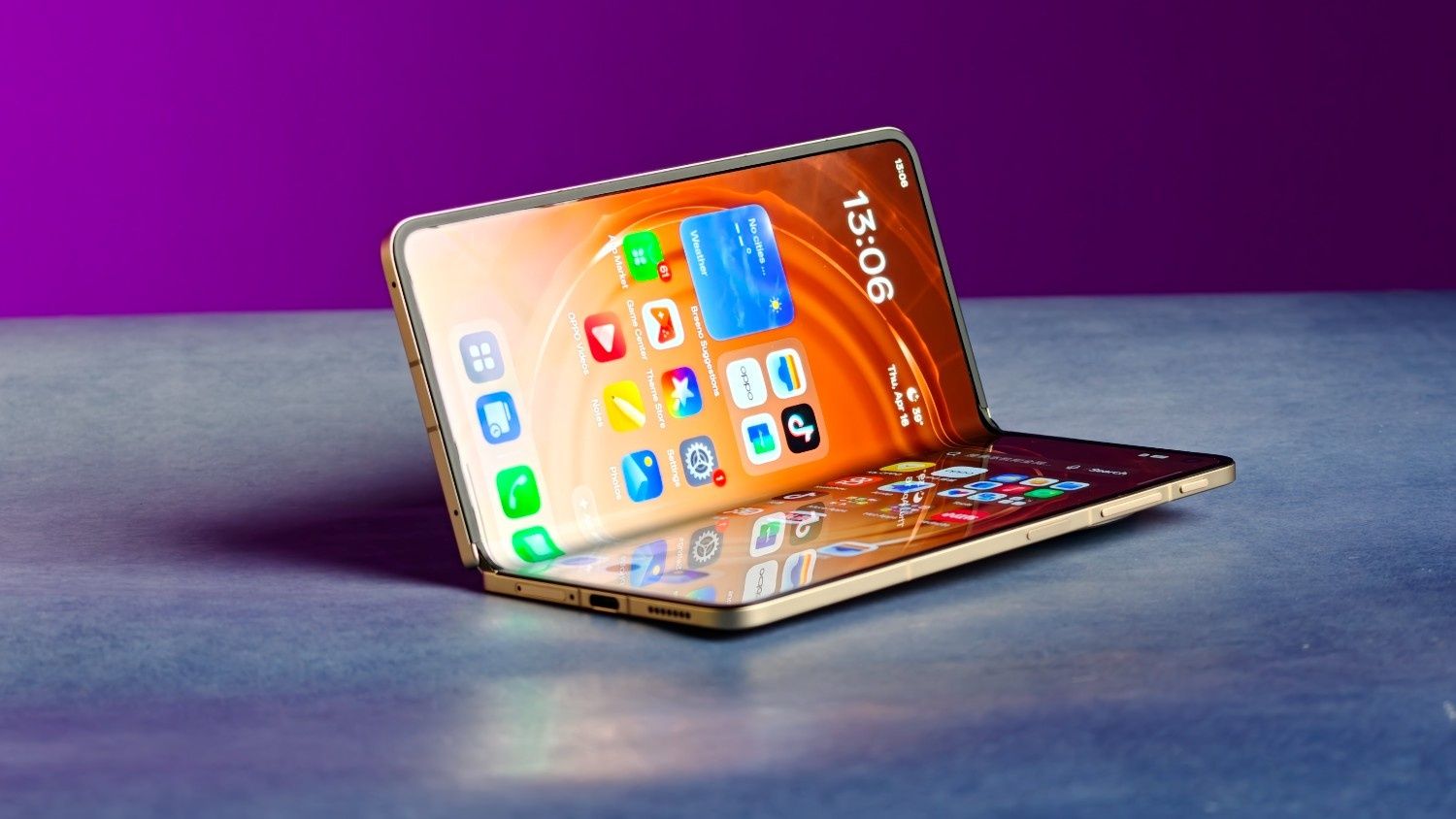
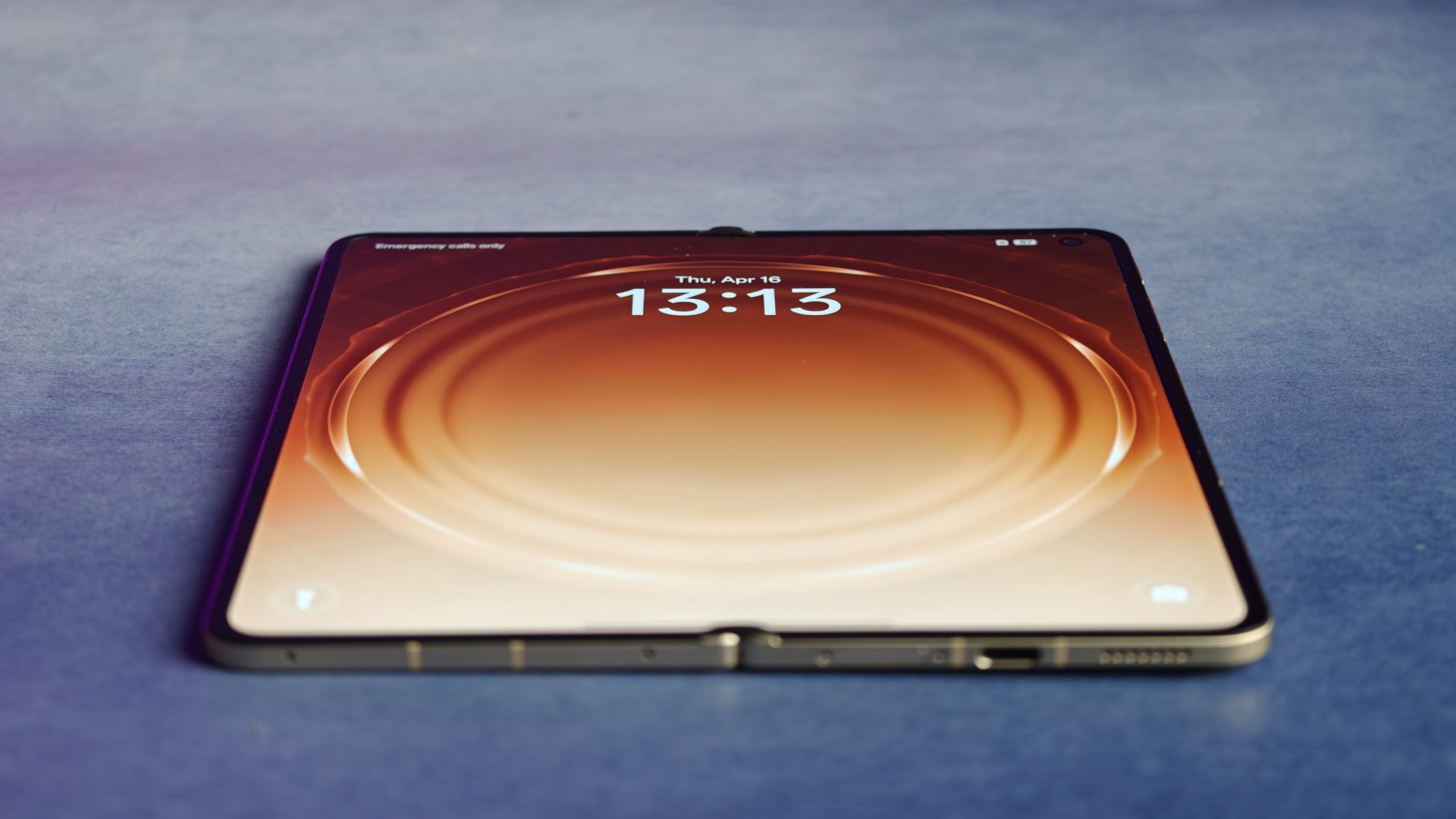
This Find X9 Ultra also became the go-to camera in our studio for product shots. At one point, I was editing RAW product shots of the Oppo Find N6, taken from the Find X9 Ultra, alongside images from a professional camera, and obviously, this phone is not replacing dedicated cameras overall. But some of the Oppo files blended into that workflow much better than I expected once edited properly, which says a lot about its sensor quality.

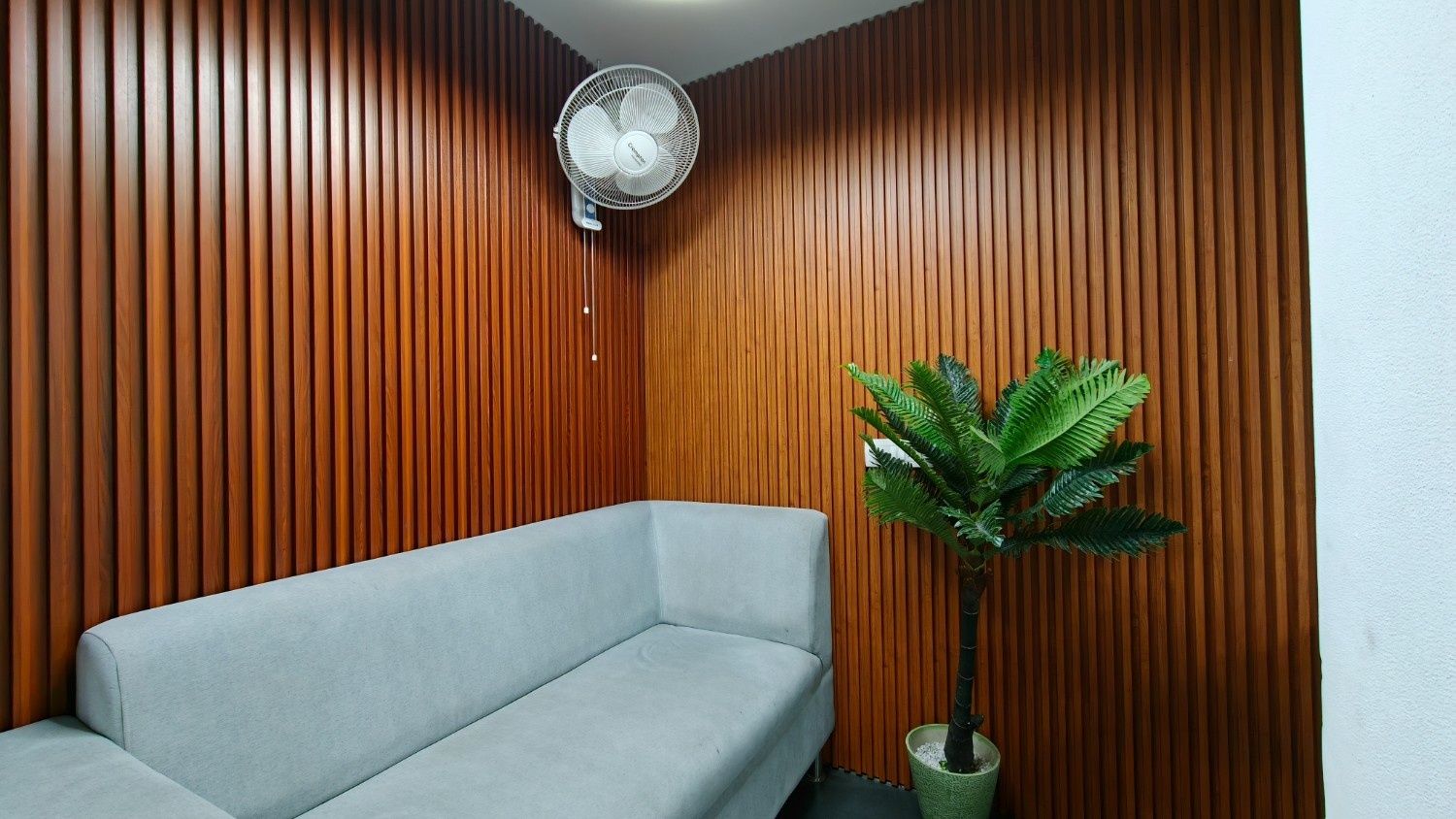


Another thing that I really appreciated was the ultrawide camera. A lot of flagship phones still treat ultrawides like secondary cameras that only exist for spec sheets, but Oppo has clearly spent effort here, and it was evident in the pictures I had clicked. Dynamic range remains strong, colours stay fairly consistent with the main camera, and detail retention is solid overall.
The telephoto setup, though, is where this phone genuinely becomes fun, and the 3x telephoto camera quickly became the lens I used the most.

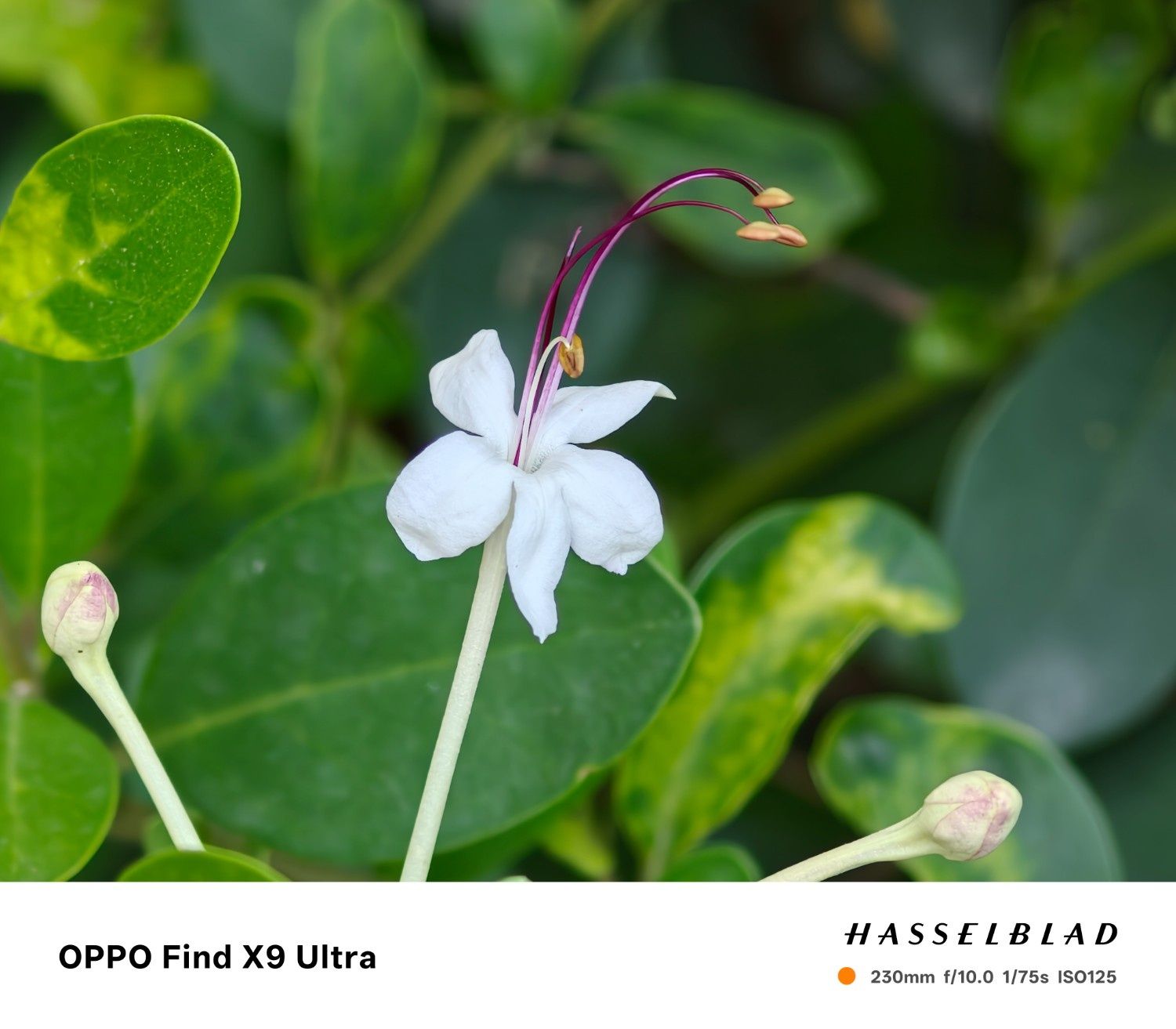
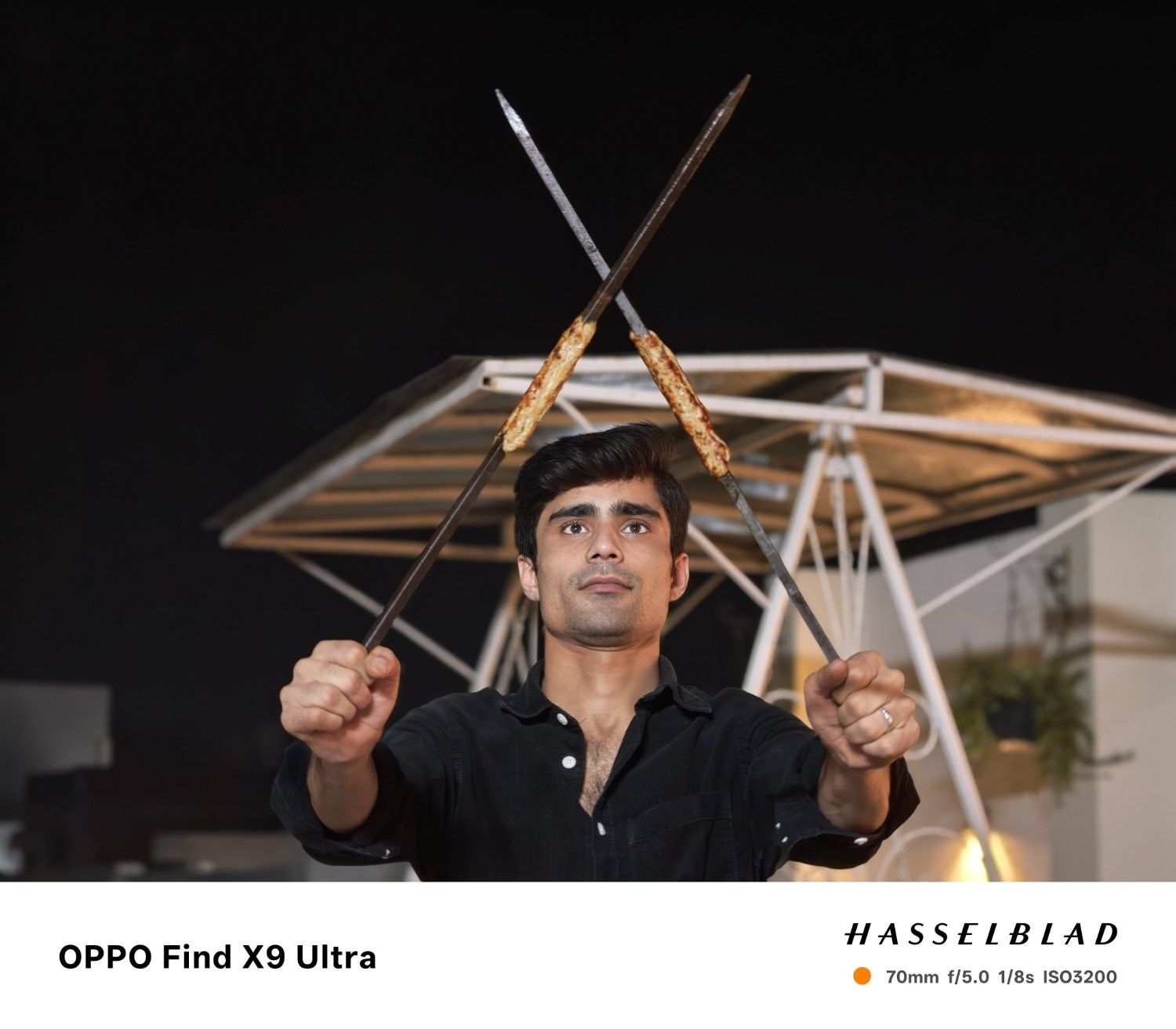

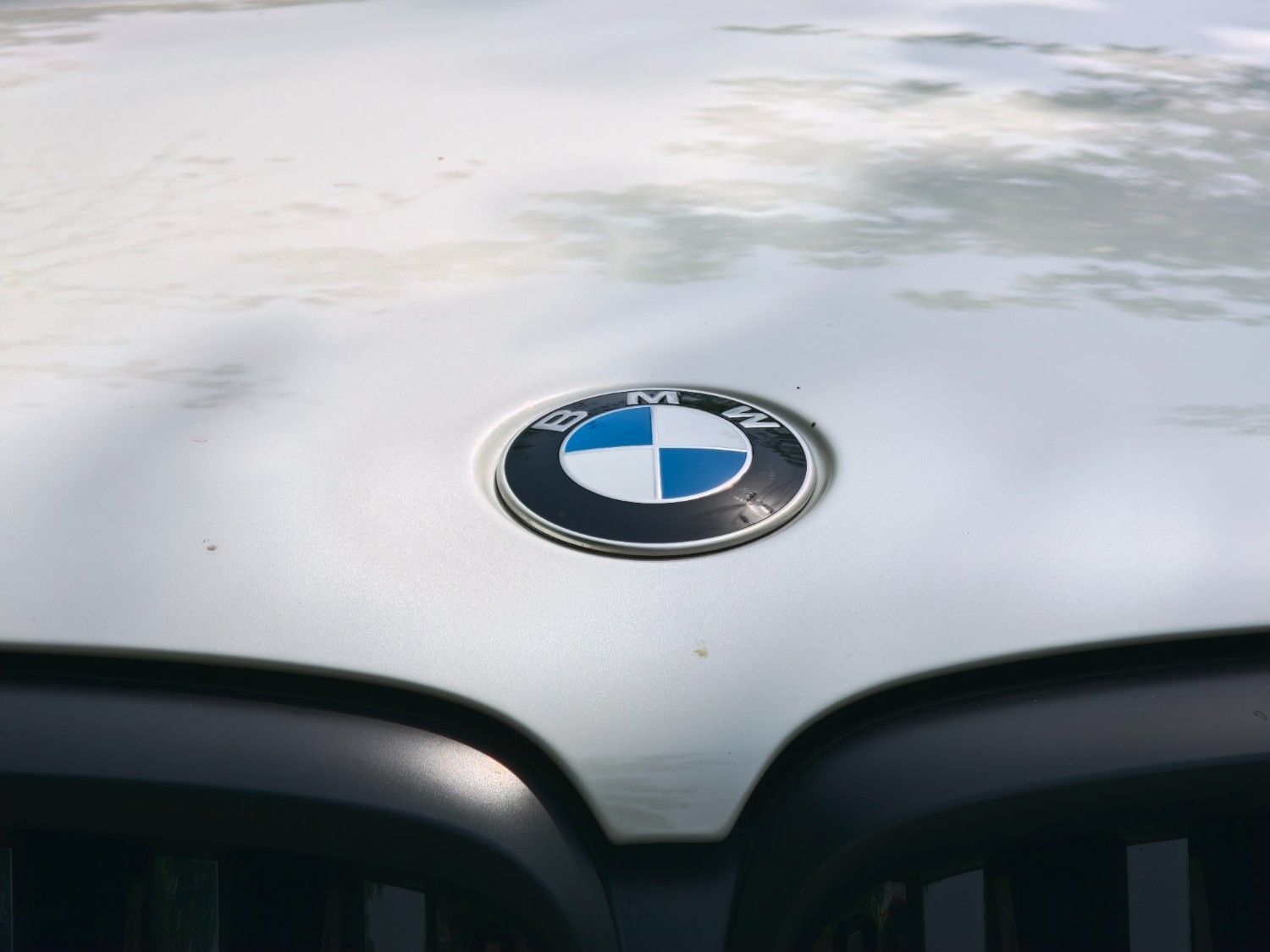




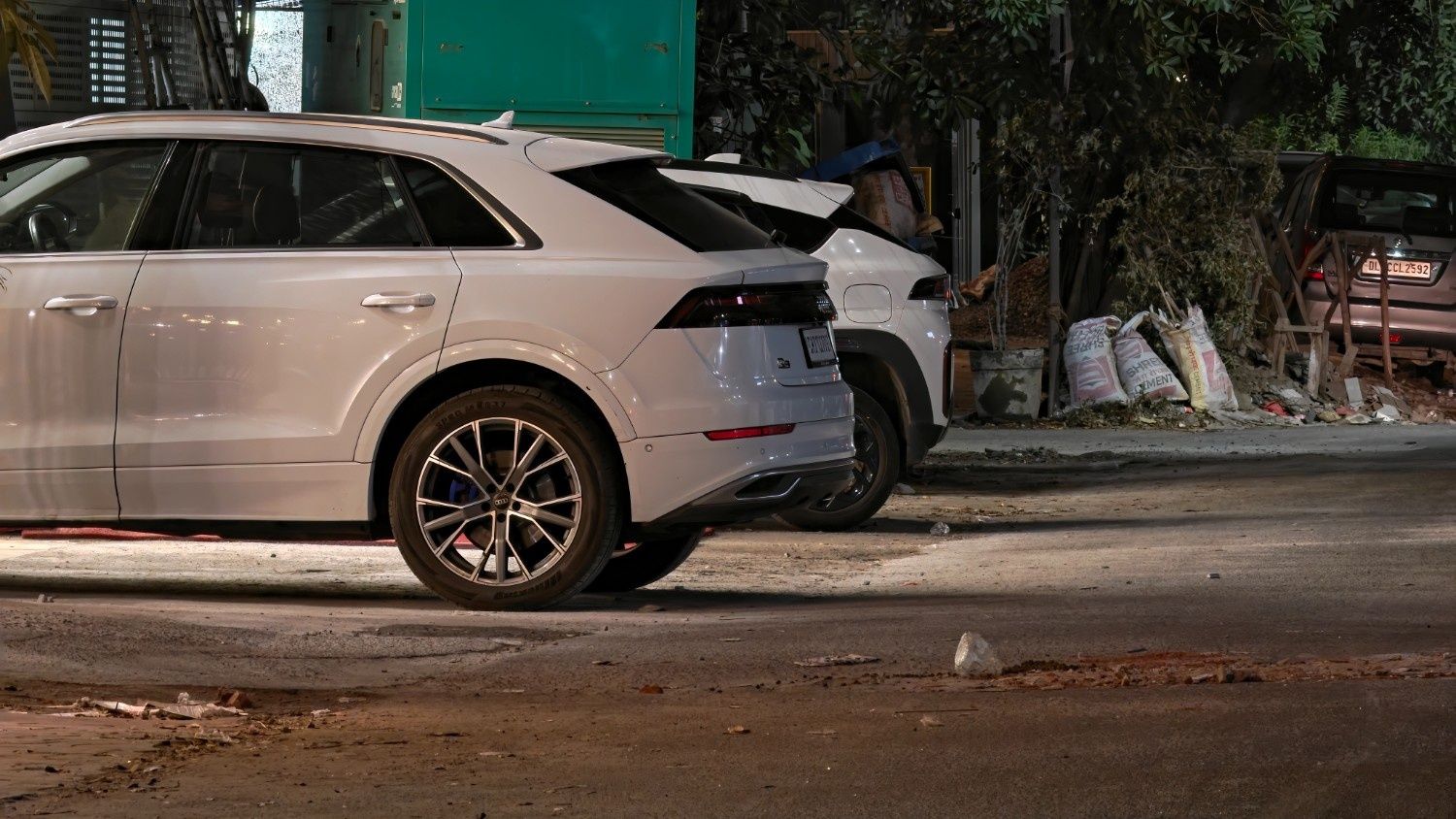

If you shoot at 85mm, that’s the sweet spot with which you can comfortably take good portraits, tighter street shots, food photography, and travel pictures. Images look sharp, subject separation feels natural, and overall, this camera consistently produces some of the best-looking shots on the phone.
Then there’s also a 10x periscope camera, which feels slightly absurd in the best possible way. The shots that I took at 10x looked crisp and detailed. Details of buildings far away, birds sitting on top of structures at a distance, the amount of reach this phone offers is impressive. It is not just hardware, but Oppo’s LUMO engine plays a major role in photography. It uses the CPU, GPU, and NPU altogether to get you crisp and detailed shots.






Although one thing I noticed occasionally was the slight delay in processing after clicking a picture, especially while shooting at higher zoom levels or in difficult lighting. Sometimes the image processing took longer than usual, and I felt like the shot might have come out blurry before the final image fully rendered. It is not a dealbreaker, but once you notice it, you can’t ignore it.
Master Mode Is The Control Room For Professionals
The camera performs much better when you switch to Master Mode. The moment you bypass Oppo’s heavy image processing, the camera feels much more capable creatively. Manual white balance adjustments make a huge difference because the default auto white balance often made the shots look colder than what I personally preferred.
The RAW files also give you some freedom to edit the pictures later in Lightroom or Photoshop.
Also, clearly leaning into the whole “camera-first” experience here with Hasselblad-inspired tools and shooting modes. You get XPAN mode, film simulations, LOG video recording, LUT previews, focus peaking, waveform monitoring, and fairly deep manual controls too.





I found the XPAN mode to be the most fun feature to shoot with. The cinematic ultra-wide crop changes how you frame scenes entirely, especially while shooting streets, architecture, or travel photography. And one picture of XPAN can get up to 30MB, which means the details are top-notch in these shots.
Video Features Feel Properly Flagship-Level
Not only is the photo part good, the videos are also pretty solid. You get 4K 60fps across all cameras, 8K recording support, Dolby Vision, LOG shooting, LUT support, focus peaking, waveform monitoring, and a feature-rich Pro video mode.
I had the most fun recording videos at 6x (139mm) on this one, and what I truly appreciate is the stabilisation. Yes, over 3x you might not be able to record movements with good stability, but still, its OIS works beautifully across focal lengths.
What I did not like, though, was the consistency between the cameras while recording videos. Switching between the main, ultrawide, and telephoto lenses still causes noticeable shifts in colours and exposure, the way some phones continue to do even today. This is something I honestly did not expect from a very likely contender for the ‘best camera phone of 2026’ title.
Best Design of 2026!
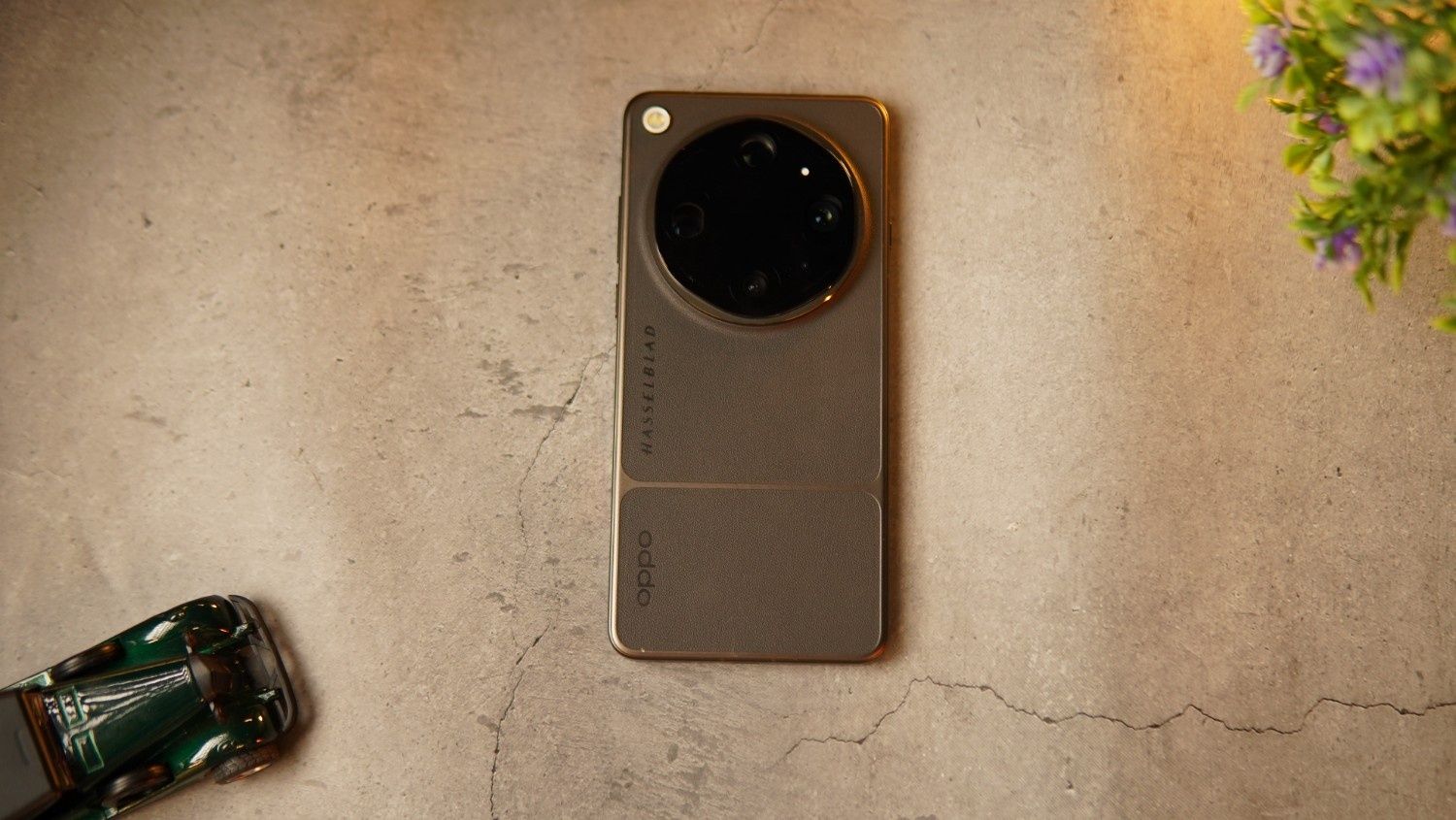
The Oppo Find X9 Ultra might be a chunky smartphone with its massive camera bump, 235 grams of weight, and 9.1mm of thickness, but still, I would rate its Tundra Umber variant the best smartphone design of 2026. Moreover, the Canyon Orange variant, does feel a little loud, and it also reminds you of the orange colour trend that Apple started with the iPhone 17 Pro. I think there is no comparison between these two colour options. Tundra Umber comes with a vegan leather back, and the design is inspired by the Hasselblad X2D 100C Earth Explorer Edition.
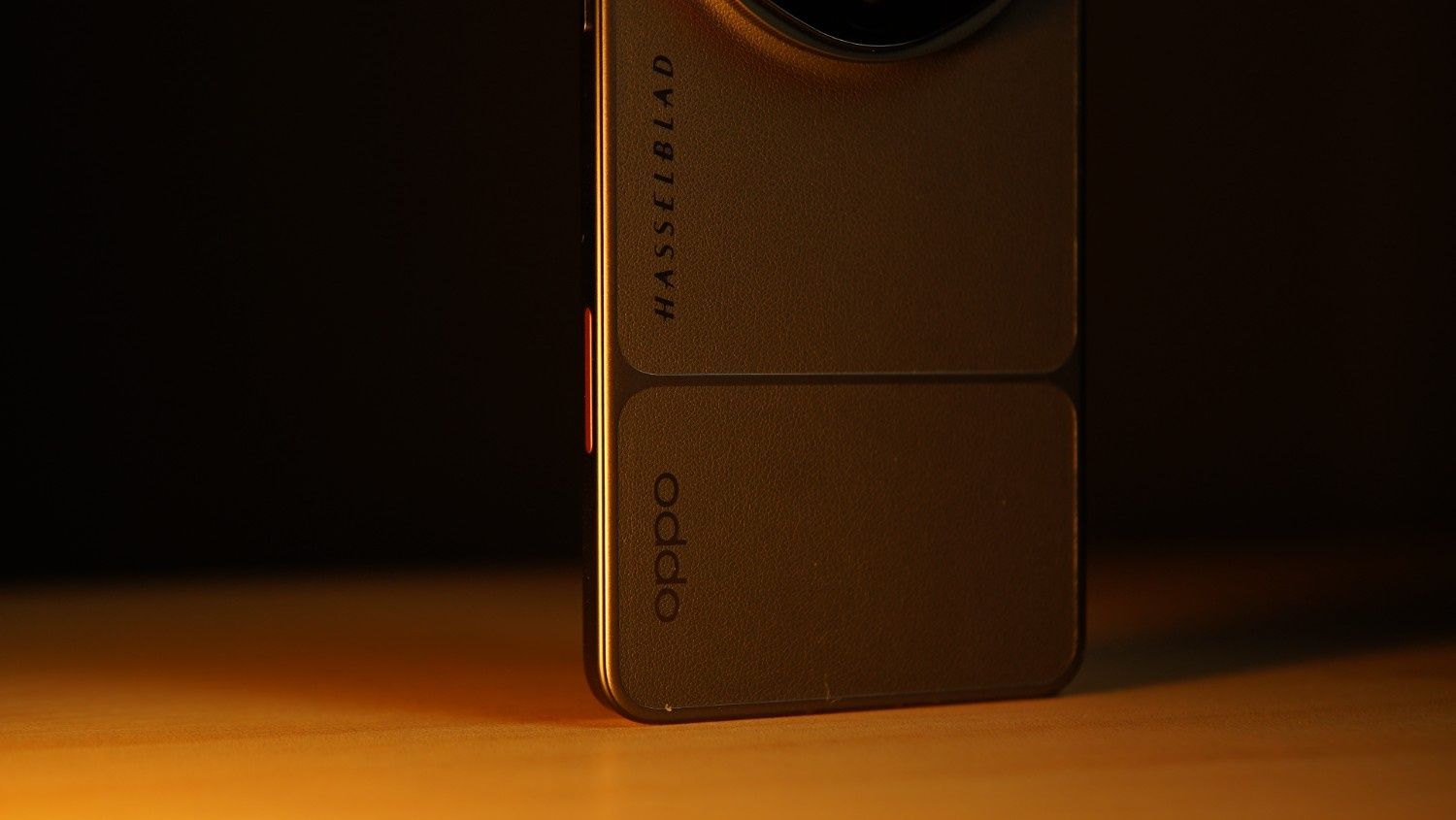
People who truly like photography are always fond of Hasselblad cameras, not just for their pictures but also for their UI and designs. This phone gives you exactly those vibes.
The Oppo Find X9 Ultra is also a top-notch, durable device. It is rated IP66, IP68, and IP69 against dust and water, which means you can spill your drink on it (accidentally, of course), and then wash it – no stress at all. On the front, Oppo has incorporated the Gorilla Glass Victus 2, which gives great protection to the display against drops and scratches.
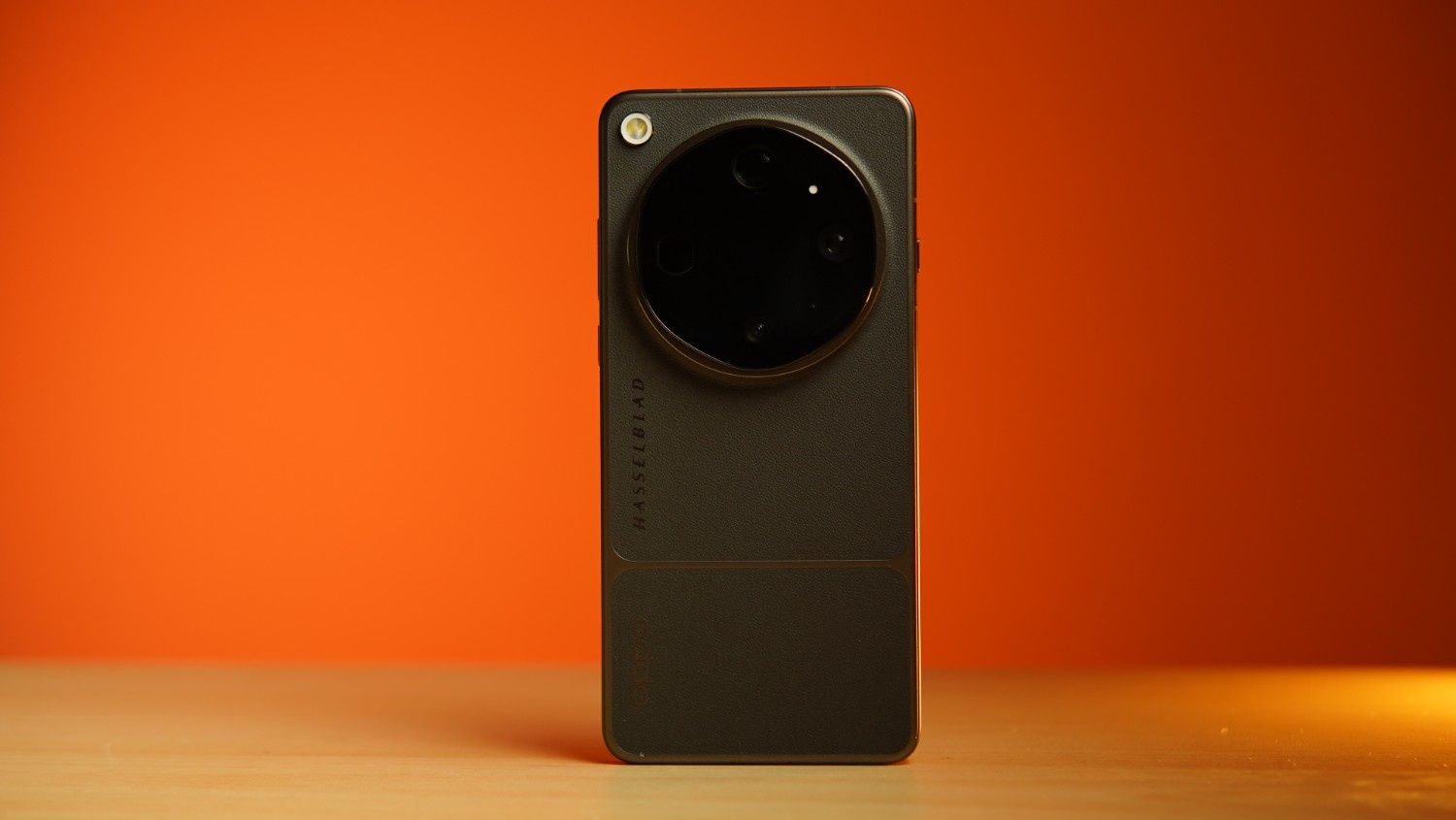
Now coming to the subjective feedback – how handy/comfortable is the Oppo Find X9 Ultra? Well, not very much. But, there are 2 things that need to be considered. First, if you use a big smartphone, how I use an iPhone 17 Pro Max, it won’t be uncomfortable for you. I like big smartphones for their big display sizes and big batteries, so that cancels out the want for a compact form factor inside me. Second, smartphones like these have come dangerously close to professional cameras. In street photography, you won’t be able to tell the difference between images shot on the Find X9 Ultra and images shot from a professional DSLR. So, if I see this phone from that perspective, it is still quite handy and easy to use.
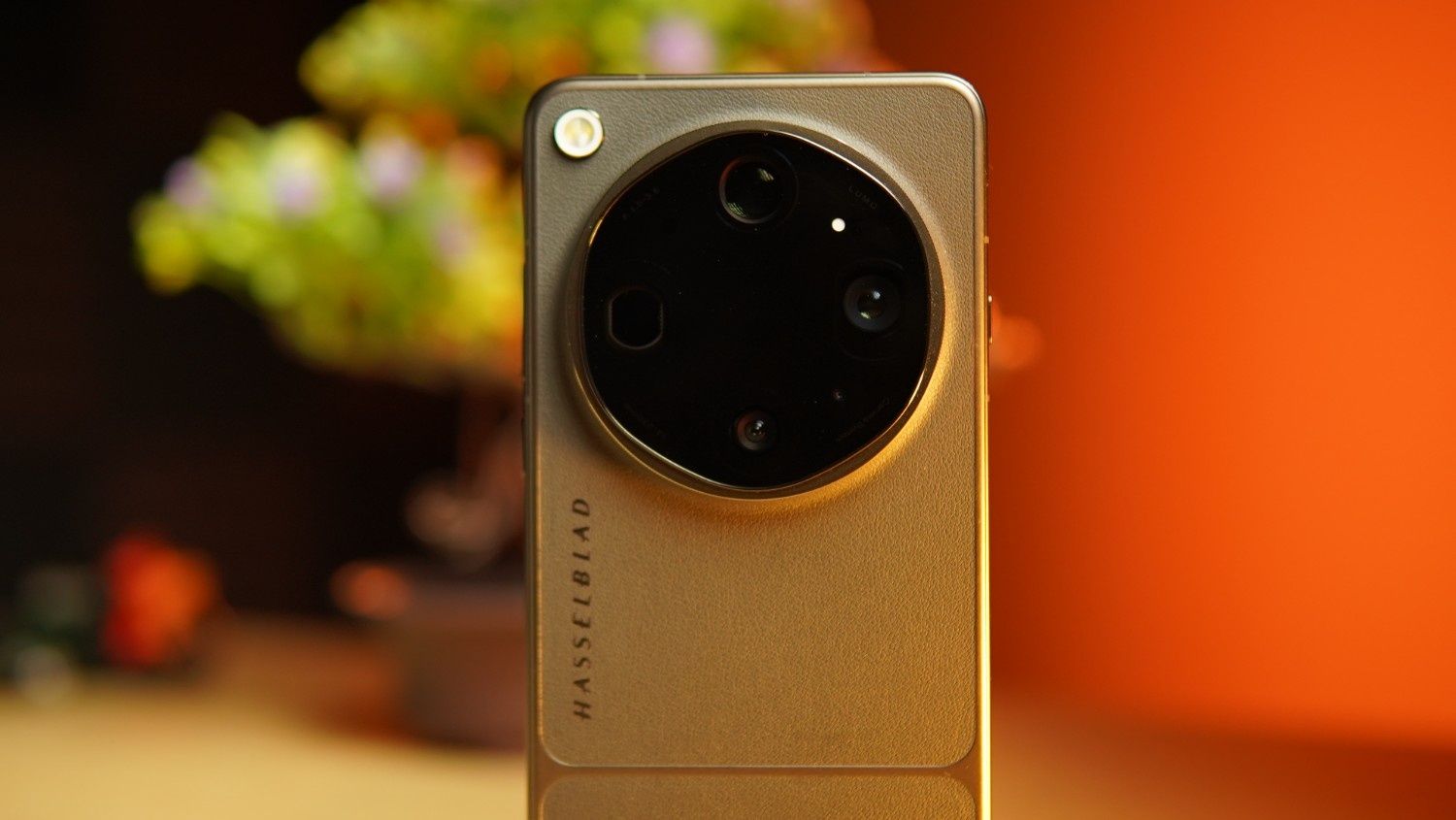
But yes, this is still a very large smartphone. People with smaller hands might find it slightly uncomfortable for prolonged usage, and carrying it around all the time or fitting them in those skinny jeans can occasionally feel a bit cumbersome too.
Display: Bright, Balanced, and Boss!
The Oppo Find X9 Ultra is equipped with a 6.9-inch QHD+ LTPO AMOLED display, which supports up to a 120Hz refresh rate. I mean, this is all you can ask for in a display. It is a QHD+ panel, so you will get high-quality outputs. It comes with LTPO tech too, so it consumes battery efficiently while giving you an overall smooth experience. Lastly, the maximum 120Hz refresh rate makes it super quick, and you can even play games at 144Hz through frame interpolation.
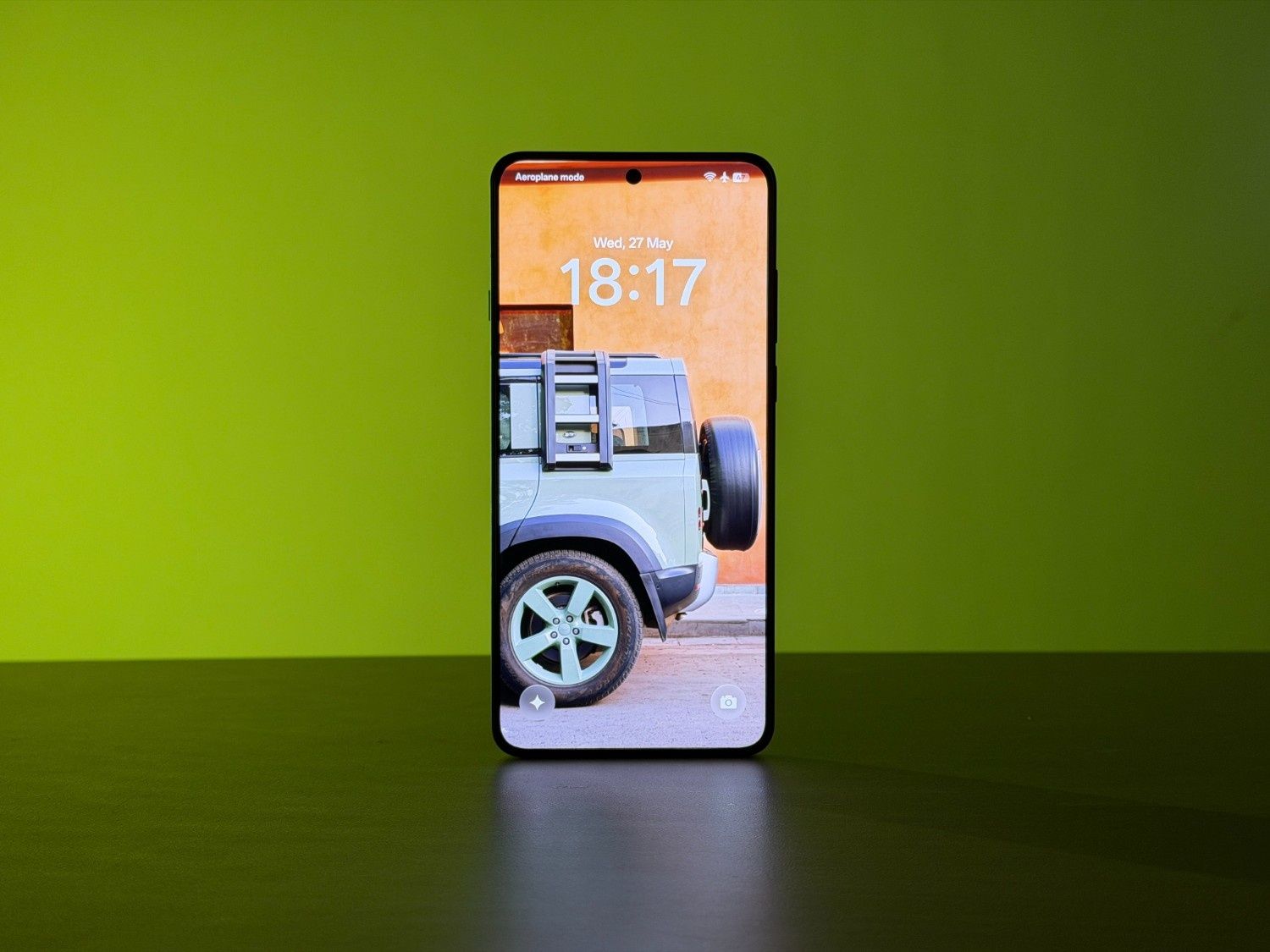
The reason I am calling this display bright is that in our testing, we recorded a peak brightness of over 1600 nits in auto mode, which is not a class-leading number. Phones like the Vivo X300 Ultra, Galaxy S26 Ultra have scored over 2000 nits. But still, practically, the Oppo Find X9 Ultra feels just bright enough for outdoor use, even under harsh sunlight.
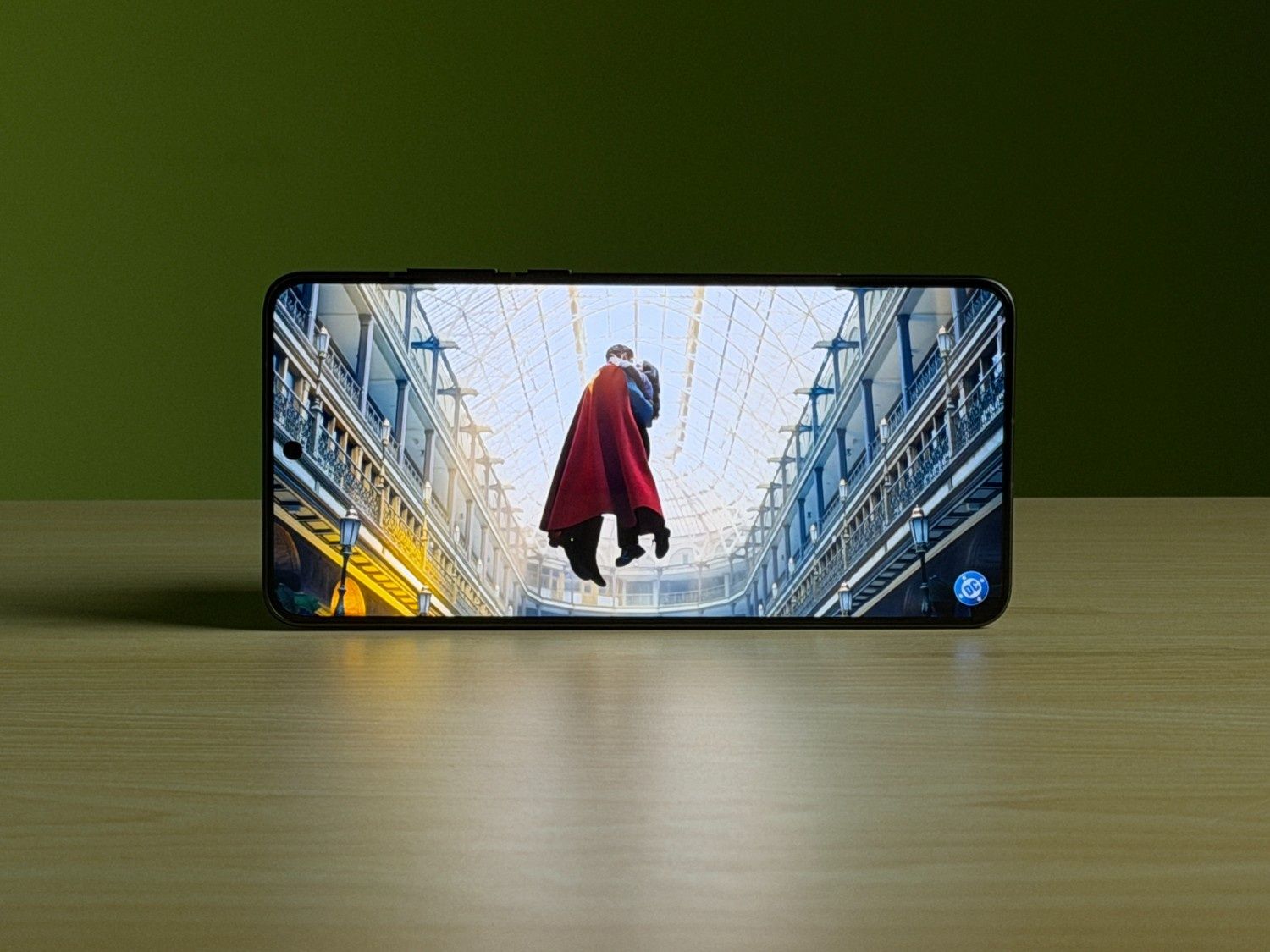
Why I call it balanced? This AMOLED panel supports Dolby Vision and HDR Vivid. Now, if you like to watch movies or shows on your smartphone, dynamic range matters a lot. On this phone, you are able to differentiate depth in videos, spot pimples or even marks on faces, shadows are correct, and colours also feel natural in the ‘Natural’ display profile. I watched a bright film on it, Superman 2025, and honestly, the colours pop on this screen, which also make the visuals appear sharp.
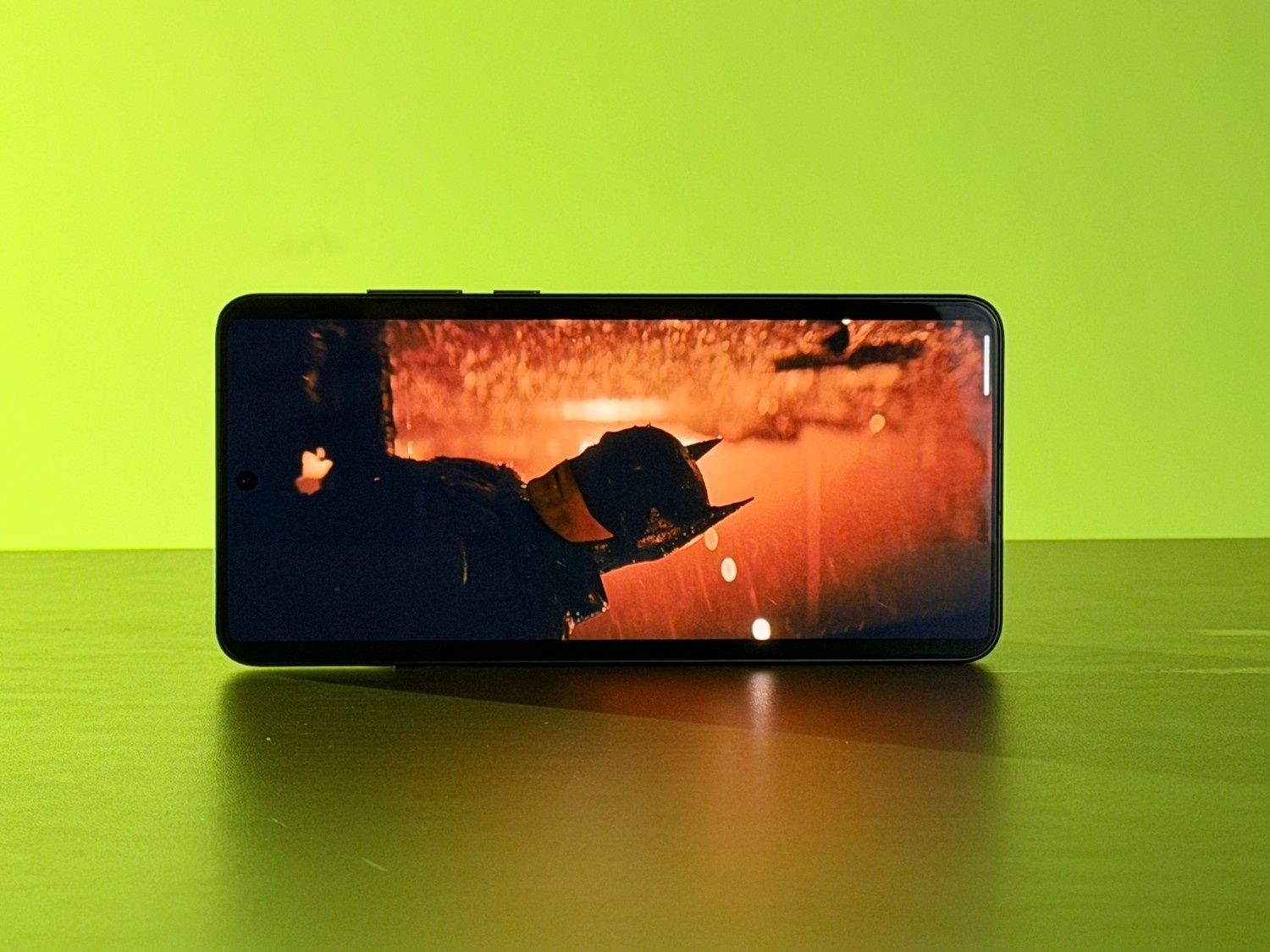
Just like that, I watched a dark-toned film too, The Batman. This is where I understood how well its HDR works. This movie has a lot of dark scenes, and many times in dark scenes, the display tends to mix colours, depths, subjects, etc. But on the Find X9 Ultra, you can clearly see how every element and colour has been differentiated. Even its shadow retention is really nice.
Now, if you like vivid visuals, videos that pop with colours. You can always switch to Vivid mode in Settings, and then I would recommend you use these two AI features as well.
- Video Colour Boost: As the name suggests, this feature makes visuals look richer in colour by boosting them through artificial intelligence.
- Image Sharpener: Again, as the name says, it sharpens the quality of videos, so whatever you are watching appears crisp.
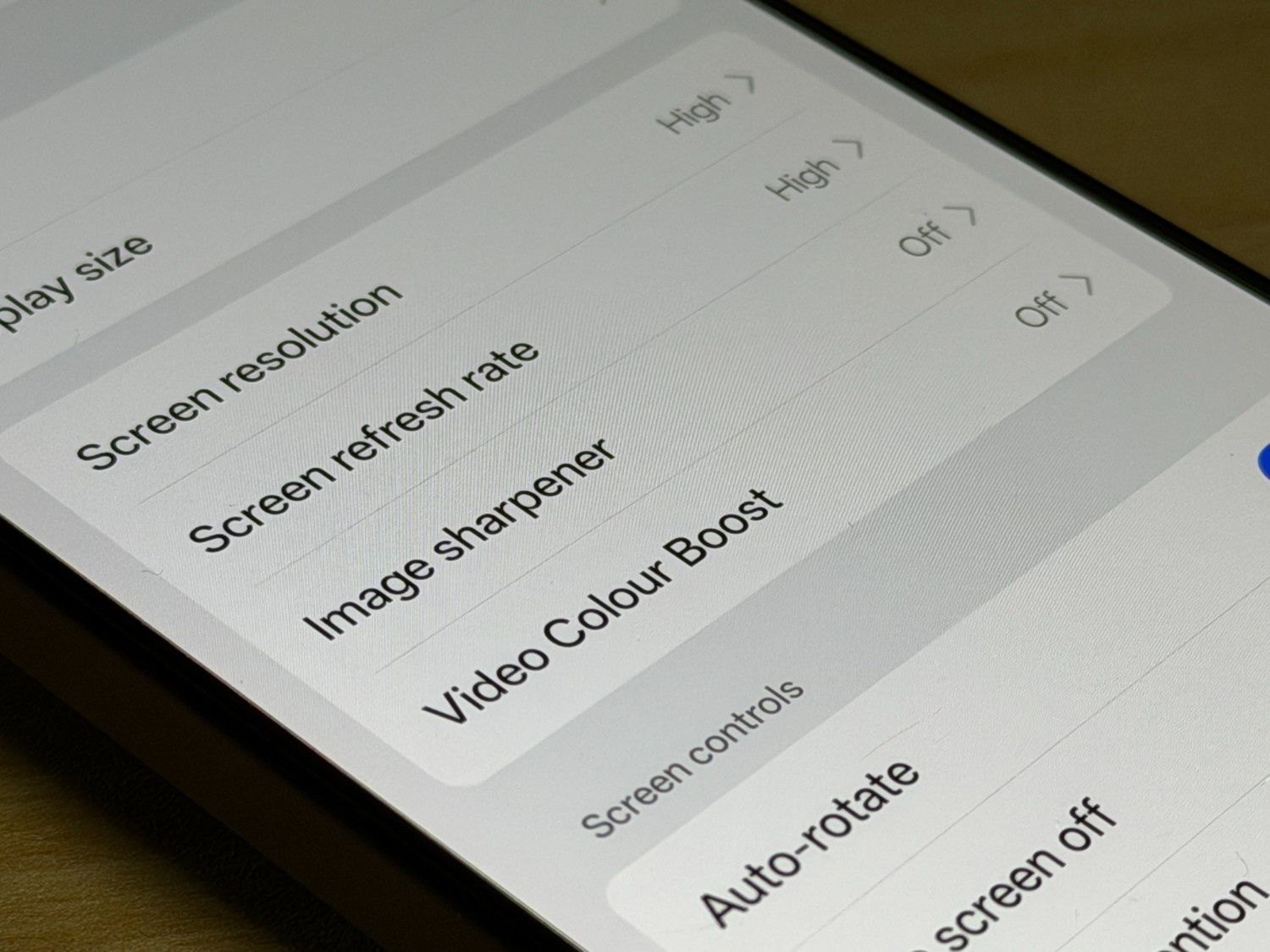
But someone who truly prioritises true-to-life visuals can find that this panel is slightly boosted. Oppo has always saturated its displays, and the difference becomes very clear when you compare its camera samples on an external display.
The Highest-Performing Smartphone In Our Testing Data
Interestingly, in India, this is the first Oppo Find X series smartphone after the first-gen Find X, which is back with Qualcomm’s processor. The Oppo Find X9 Ultra runs on the top-end Snapdragon 8 Elite Gen 5, and it’s the ‘highest-performing smartphone’ because it scored over 4 million points in AnTuTu in our testing. Before this, I have always seen 4 million+ numbers in PPTs and promotions. This also means that the Oppo Find X9 Ultra has beaten every smartphone in AnTuTu that we have tested. Don’t you think Oppo should collaborate more with Qualcomm?
Similarly, the smartphone has also scored brilliantly in Geekbench, which defines a device’s capability to perform daily tasks and heavy tasks. Unfortunately, it doesn’t sit on the top here but is definitely one of the highest-scoring phones.
Now things get interesting when you test the sustainability of this raw power. We ran a stress test two times on this phone; one for 15 minutes with a normal load and the other for 30 minutes with a heavy load.
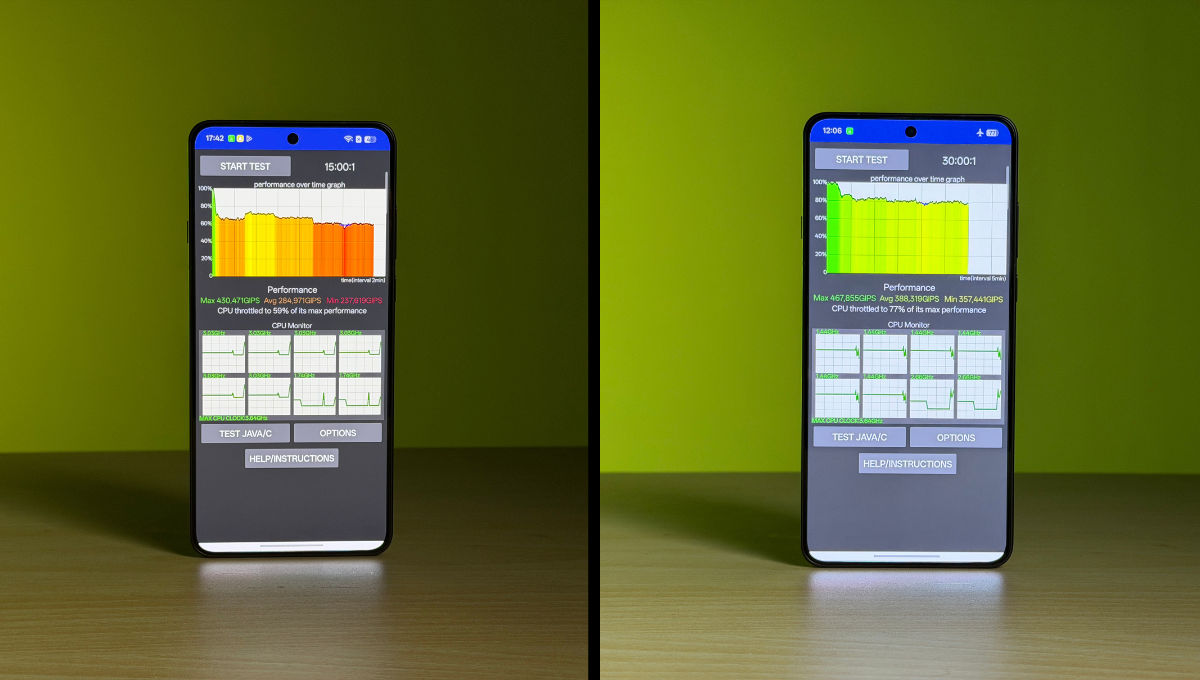
The results had us completely baffled, as the smartphone throttled a lot when we ran the 15-minute stress test, but it stayed cool during the 30-minute stress test with a heavy load. This explains that the phone’s thermal management seems to prioritise sustained performance over short burst loads. It looks like the cooling system takes some time to properly stabilise the chipset under pressure, which is why the initial throttling appears aggressive. However, once the vapour chamber and internal thermals settle in, the phone manages to maintain more consistent performance, even under heavier workloads.
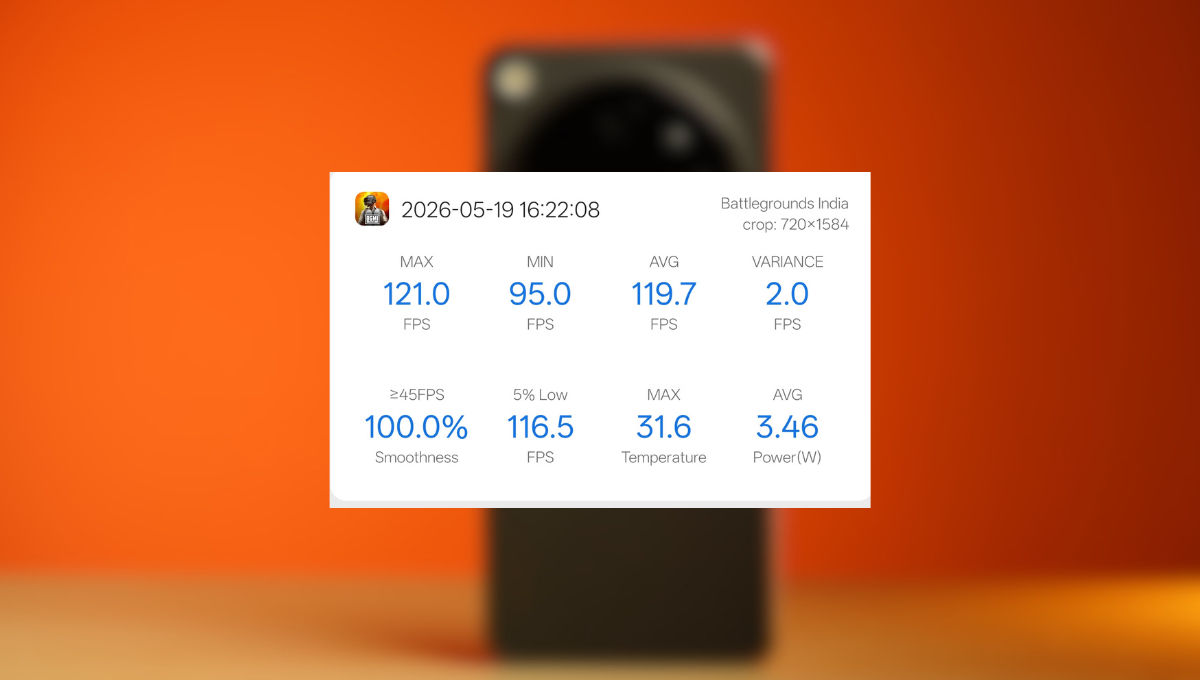
This is not just about photography. I even played games for longer hours on this phone, especially BGMI. Since it is the top-of-the-line Oppo smartphone, we don’t really need to worry about tasks like gaming, editing, uploading, etc. BGMI runs at 120FPS on this smartphone, and in our testing, we recorded an average of 119.7FPS with a 5% low of 116.5FPS. In simple terms, extreme gaming is 100% smooth on this smartphone.
The Find X9 Ultra is quite a reliable phone. It feels like that SUV that you can take anywhere, anytime, without stressing much. You can throw everything at it, and it will handle it. The only thing that I do not want in an Rs 1,69,999 smartphone is bad app support. And that’s not entirely the phone’s problem, it’s Android’s issue. For instance, on iPhones, Instagram runs everything smoothly. It doesn’t crash while editing, you get tonnes of features, and everything feels consumer-centric. Android is a fragmented OS, hence the Find X9 Ultra doesn’t seem to be optimised for some apps like a closed environment that iOS is. However, Oppo can fix these issues via a software update, which they have promised for 5 years and 6 years for security patches.
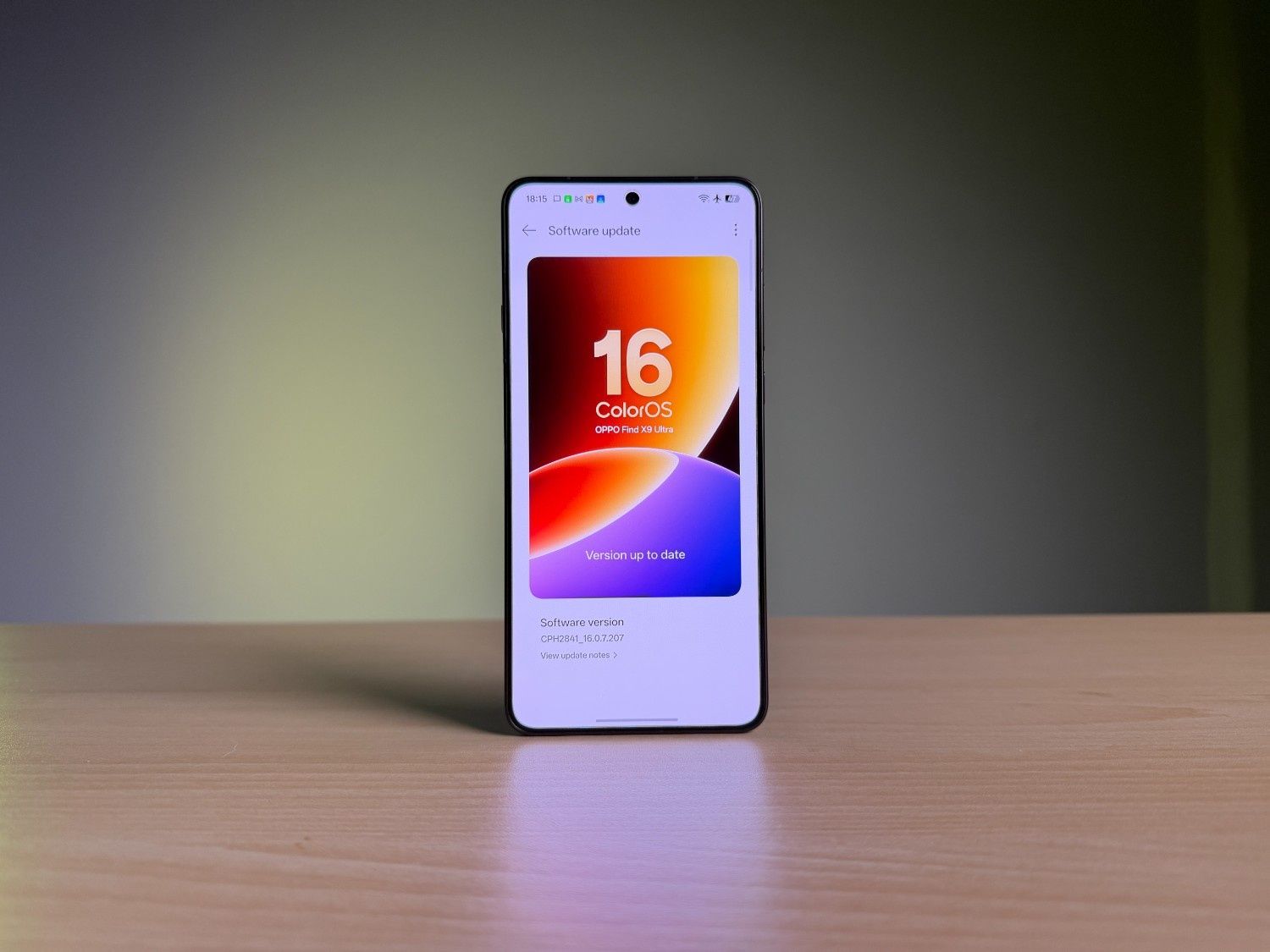
Furthermore, the entire vibe of the smartphone feels slick with ColorOS 16. There’s very minimal bloat on the smartphone, animations feel modern, and transitions have also been improved. One thing that I really love is the camera UI, which feels normal at first, but when you start exploring it, there are some really nice add-ons. For example, the XPAN Mode makes your phone feel like a true Hasselblad camera. The interface becomes like a camera’s viewfinder, the sound effects of changing filters and even adjusting the exposure feel so satisfying.
Biggest Battery In The Segment, But Does It Deliver Too?
Oppo has offered a 7050mAh battery to power this smartphone. This is again the largest battery in this segment, but does it last the longest? No. In our PCMark battery life test, the Vivo X300 Ultra lasted the longest in this segment, with a duration of 23 hours and 2 minutes, while the Oppo Find X9 Ultra lasted 22 hours and 15 minutes. Yes, it is not far behind, which also translates to an excellent battery life, but it is also not the best.
In real-world scenarios, this smartphone can last for up to 2 days on weekdays when you use it casually. But when you use it aggressively, let’s say for extreme gaming and aggressive camera usage, then it can last around 13 to 15 hours.
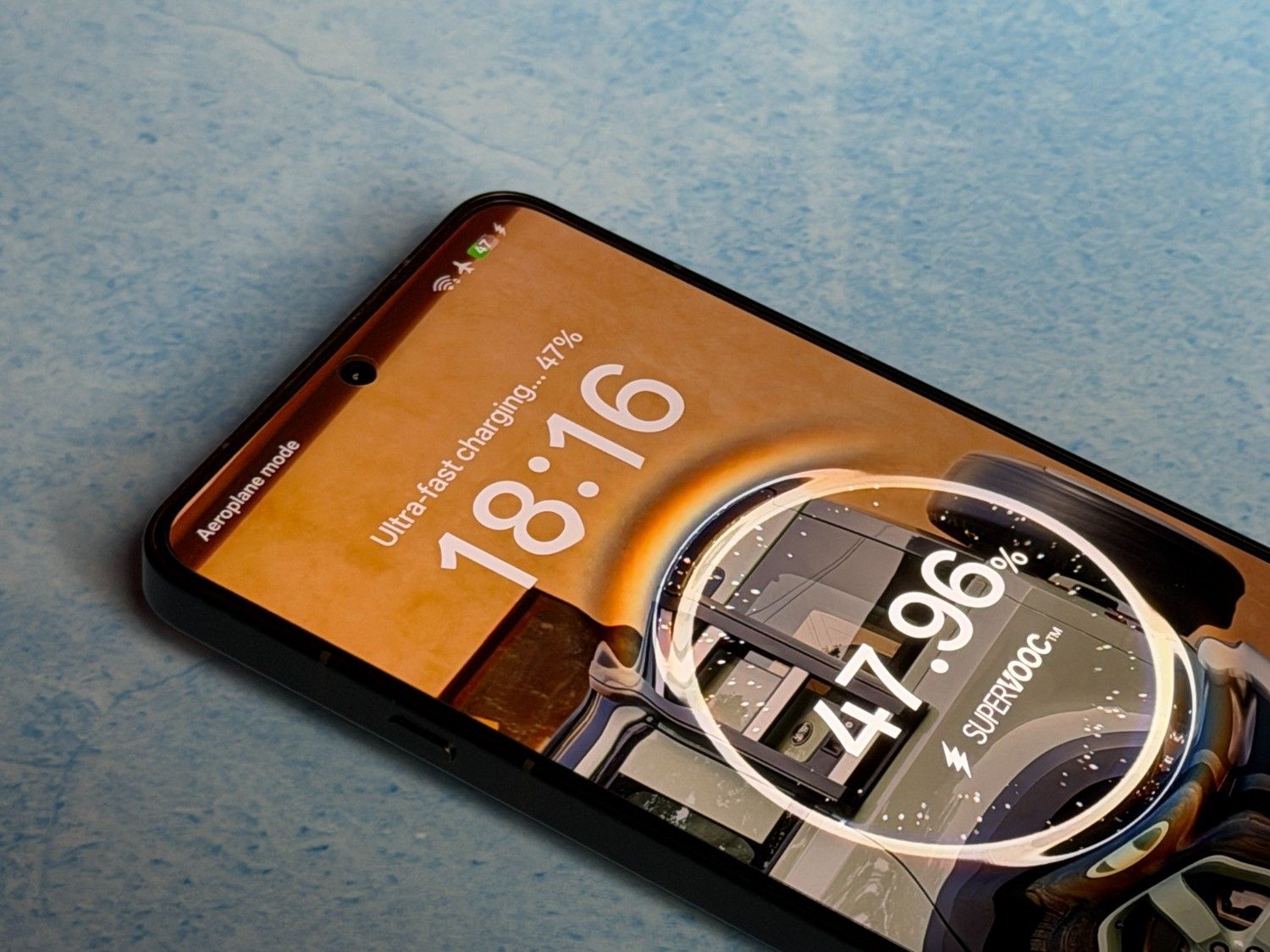
Moreover, you are getting 100-watt fast charging support on this one, which charges this smartphone from 0 to 100% in around 50 minutes. This is insanely fast! Along with this, there is also 50-watt wireless charging support, 10-watt reverse wireless charging support, and reverse wired charging support as well.
Verdict
I think the Oppo Find X9 Ultra is purely designed for professional photographers who also need a top-end smartphone, which can give them full control over the camera, along with being one of the best too, and they get the advantage of a flagship smartphone as well. Not just the “point-and-shoot Instagram photography” that most flagship phones chase today, but the kind where you actually spend time framing shots, editing RAW files, experimenting with focal lengths, and understanding light.
What Oppo has achieved here is honestly impressive. The camera hardware is among the best currently available on any smartphone, the telephoto system is genuinely addictive to use, and features like Master Mode, XPAN, LOG recording, and Hasselblad tuning give this device a personality that most modern flagships simply lack. More importantly, this does not feel like a phone that relies only on processing tricks. There is actual sensor capability underneath all that software enhancement, and that becomes very obvious once you start pushing the camera creatively.
But what surprised me even more was that the Find X9 Ultra does not compromise much outside the camera experience either. The display is excellent for content consumption, the performance is top-tier, thermals remain controlled during sustained loads, and the battery life is comfortably reliable for such a powerful device. Yes, there are still areas that need improvement. Video colour consistency between lenses could have been better, the software processing delay can occasionally get annoying, and the sheer size of the phone will definitely not suit everyone.
Still, after using almost every major Ultra flagship this year, the Oppo Find X9 Ultra feels like one of the very few smartphones that actually deserve the ‘Ultra’ branding. This phone has spoiled me a little, and that’s dangerous considering trying different smartphones is literally a part of my profession now.
That said, its closest competitor is still the Vivo X300 Ultra, which also happens to be one of my favourite smartphones this year. And yes, to finally settle this debate, we’ll be doing a full comparison very soon. Stay tuned!