Samsung is sticking to a familiar playbook with the Galaxy A57, a phone that builds on the strengths that have made the Galaxy A5 series one of its biggest volume drivers. This year’s update is more about polish than reinvention. You get a newer chipset and a slightly slimmer body, but the broader experience remains largely in line with what buyers would expect from the series.
Samsung Galaxy A57
Rs 53,999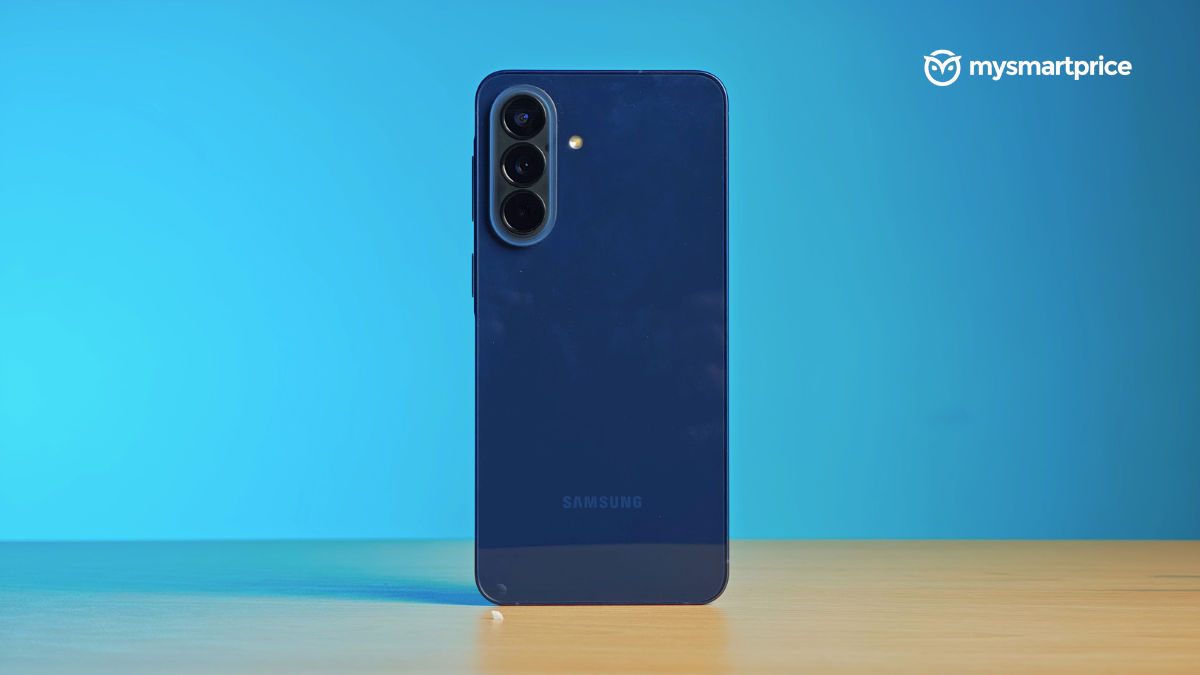
What Is Good?
- Slimmer, refined design
- Natural-looking camera output
- Long software support
What Is Bad?
- Peak performance lags behind rivals
- No telephoto lens
- Battery efficiency could be better
That approach, however, faces a tougher market than before. Motorola’s Signature brings a more premium design language, stronger performance, and a triple 50MP camera setup. The Vivo X200T also looks more ambitious on paper, combining a versatile triple-camera system with competitive performance.
So the real question is not whether the Galaxy A57 is improved, but whether those upgrades are enough in a segment that has moved ahead quickly. I spent time using the phone across day-to-day scenarios to find out. Here’s the detailed review.
Design and Build Quality
At Rs 59,999, the Galaxy A57 reflects Samsung’s attempt to bring some flagship design elements to the A-series, with an emphasis on refinement rather than a complete redesign.
The Galaxy A57 is both slimmer and lighter than the A56, going from 7.4mm to 6.9mm and 198g to 179g, improving comfort during prolonged use.
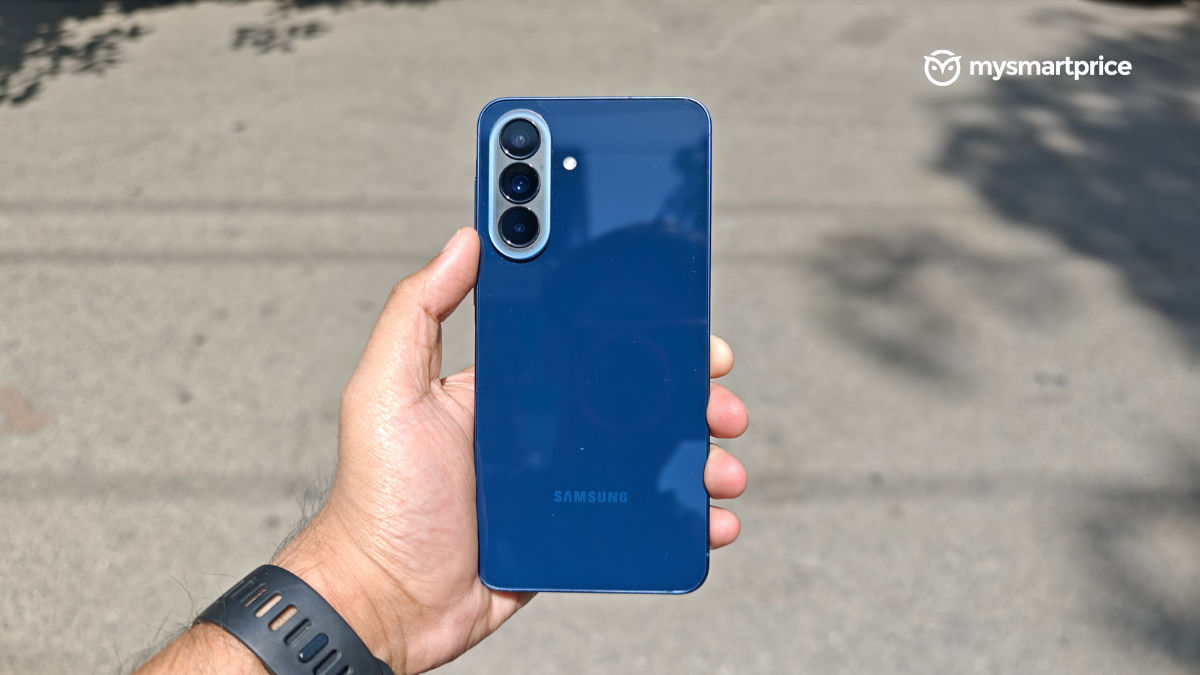
This slimmer profile, along with a slightly narrower display, makes the phone easier to grip, allowing fingers to wrap around the frame more naturally. However, with my relatively small hands, reaching the notification shade still requires a slight stretch.
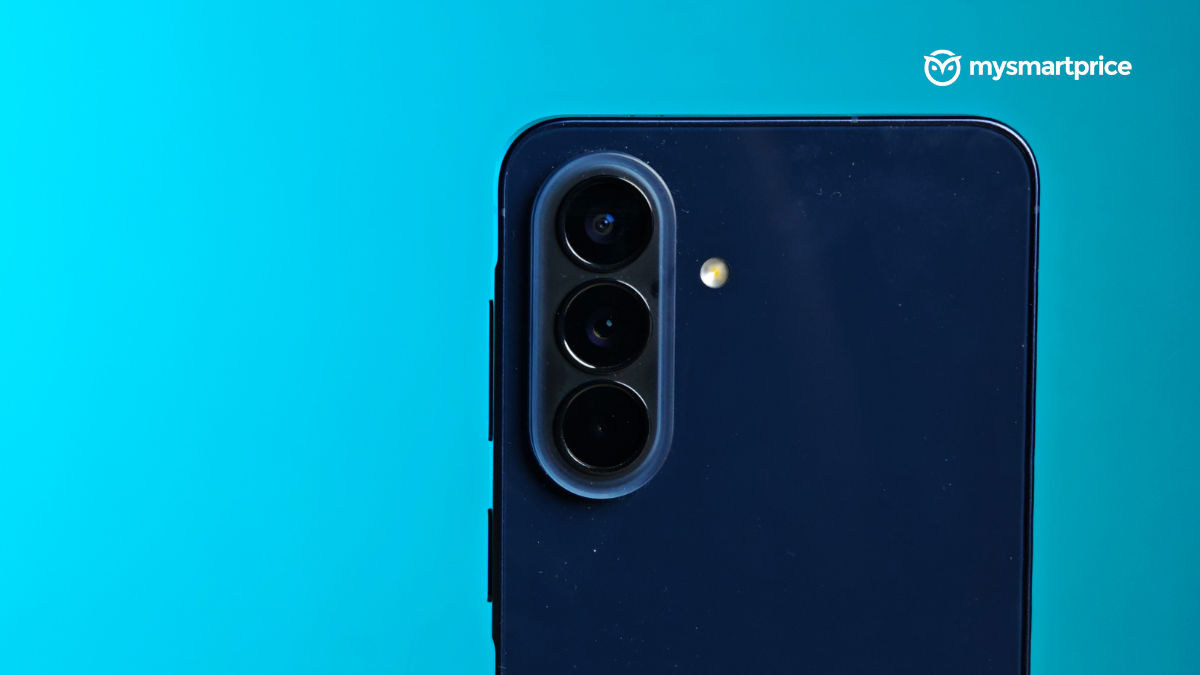
Samsung has introduced a subtle visual update to the camera module. The surrounding bezel now features a faded finish that blends with the phone’s colour, offering a more cohesive look. The familiar triple-camera strip remains unchanged, maintaining a clean layout that transitions smoothly into the glass rear panel. The back feels cool and smooth to touch, but is quite susceptible to scratches even with careful handling.
| Design | Specifications |
| Colour Options | Awesome Navy (our review unit), Awesome Lilac, and Awesome Lilac |
| Weight | 179g |
| Thickness | 6.9 mm |
| IP Rating | IP68 |
| Port and Button Placements | Bottom: Primary microphone, USB port, speaker grille, and SIM card tray
Top: Secondary microphone Right Side: Power button and volume button |
In terms of build quality, the Galaxy A57 continues to feature a metal frame, which helps maintain a sturdy, premium feel. Samsung has also upgraded the ingress protection from IP67 on the Galaxy A56 to IP68 on the Galaxy A57, improving resistance to dust and allowing it to withstand deeper water immersion.
That said, similarly priced competitors like the Motorola Signature, the OPPO Reno15 Pro Mini, and the Vivo X200T offer both IP68 and IP69 ratings, along with military-grade protection, giving them a slight advantage in overall ruggedness.
Display and Audio Quality
The Galaxy A57’s display delivers a consistent, reliable viewing experience. The 120Hz refresh rate ensures smooth interactions, whether scrolling through lengthy articles or switching swiftly between apps. Motion remains steady, and animations are well-timed, giving the interface a polished appearance without trying too hard to impress.
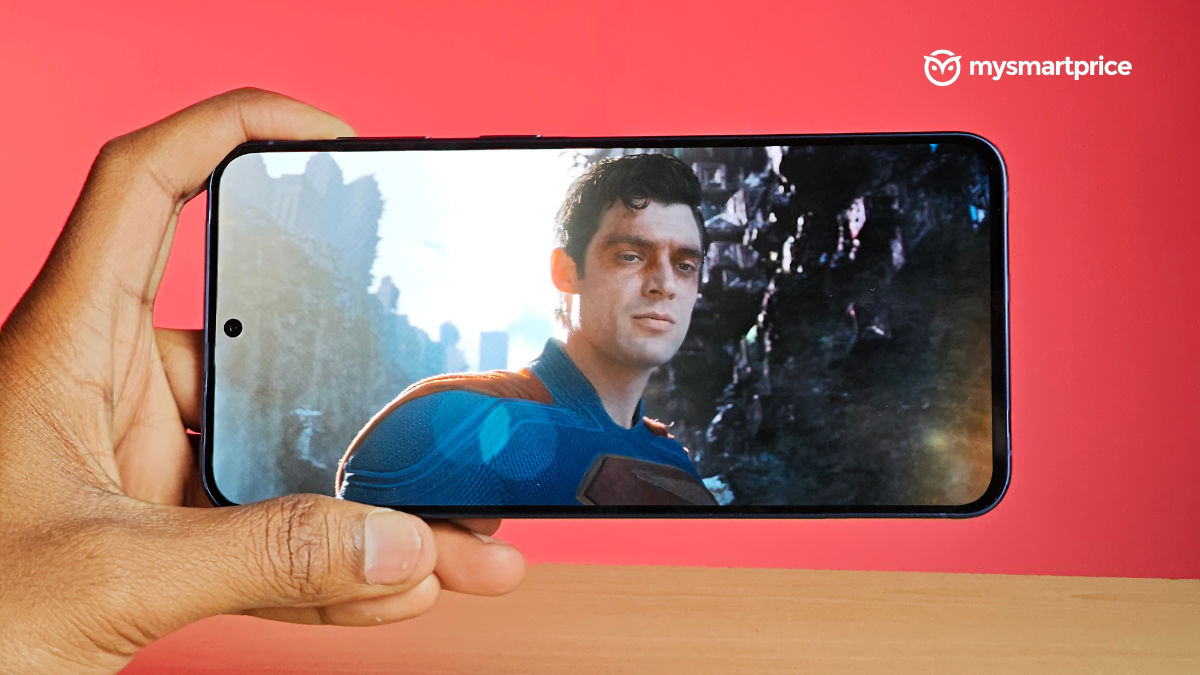
During testing, the panel reached a peak brightness of 1627 nits. This level is sufficient to keep text and on-screen elements readable outdoors, even in bright sunlight. The brightness response also feels steady, without noticeable jumps when changing lighting conditions.
Samsung’s colour tuning remains effective. Colours look natural and balanced, avoiding the overly vivid look that can sometimes seem artificial. HDR content displays good contrast, and darker scenes maintain enough shadow detail to preserve textures and depth, making movies and series more immersive.
| Display | Specifications |
| Size | 6.74-inch |
| Type | Super AMOLED |
| Resolution | Full-HD+ |
| Refresh Rate | 120Hz |
| Peak Brightness | Claimed: 1900 nits, Tested: 1627 nits |
| Display Protection | Gorilla Glass Victus+ |
The Galaxy A57’s stereo speakers also significantly enhance the viewing experience. Vocals remain clear, the bass is tight without overpowering other elements, and instrument separation is sufficient to keep tracks sounding layered rather than flat.
Even at higher volumes, the sound stays clean with minimal distortion, making dialogue and background details easy to follow. What stands out is how composed the speakers sound despite the slim body, providing an experience that is surprisingly close to the balance often associated with iPhones.
Performance and Software
The Galaxy A57 is powered by the Exynos 1680 SoC, and the shift from the Exynos 1580 chipset on the Galaxy A56 brings noticeable improvements in responsiveness. Because of this, everyday tasks such as app launches, multitasking, streaming, and casual gaming feel smooth and stable. Performance also remains consistent during longer sessions, without frequent slowdowns or sudden frame drops.
However, benchmark results reveal that the Exynos 1680 SoC is not among the fastest in this price bracket. Similarly priced smartphones like the Motorola Signature with the Snapdragon 8 Gen 5 and the Vivo X200T with the Dimensity 9400+, both of which mainly focus on optics, achieve higher peak scores. From these scores, it seems that while Galaxy A57 offers reliable daily performance, it does not excel in raw processing power compared to similarly priced alternatives.

This gap becomes more noticeable under heavier workloads such as gaming, where consistent performance is more critical. In BGMI, the Galaxy A57 averages 57.3 fps, with a 5% low of 43.6 fps. The relatively small difference between the two indicates stable frame delivery, but the overall smoothness feels limited for this segment. Although the phone is not marketed as performance-focused, a 90fps option would better align with what most users expect from a device costing around Rs 60,000.
In comparison, the Motorola Signature records an average of 118.3 fps with a 5% low of 105 fps, providing significantly smoother gameplay with similar frame consistency. The Galaxy A57 instead leans towards conservative thermals, reaching 31.9°C, which is noticeably lower than the Motorola Signature’s 36°C, indicating that Samsung has prioritised cooler operation during extended gaming sessions.
Overall, the Galaxy A57 feels more suited for lighter, pick-up-and-play titles like Candy Crush, while still capable of handling short sessions of more demanding games without becoming uncomfortable.
| Hardware | Specifications |
| RAM | Up to 12GB LPDDR5X |
| Storage | Up to 256GB UFS 3.1 |
| Storage Test | 80755 |
| CPU Throttling Test | 78% |
| Software Version | OneUI 8.5, based on Android 16 |
| Connectivity Details | Bluetooth 6 and Wi-Fi 6E |
| Number of Software Updates | Six years of major OS upgrades and security patches |
At its core, the Galaxy A57 runs One UI 8.5 based on Android 16. The interface feels smooth, with fluid animations and a clean layout that makes navigation easy, while still offering a good selection of customisation options.
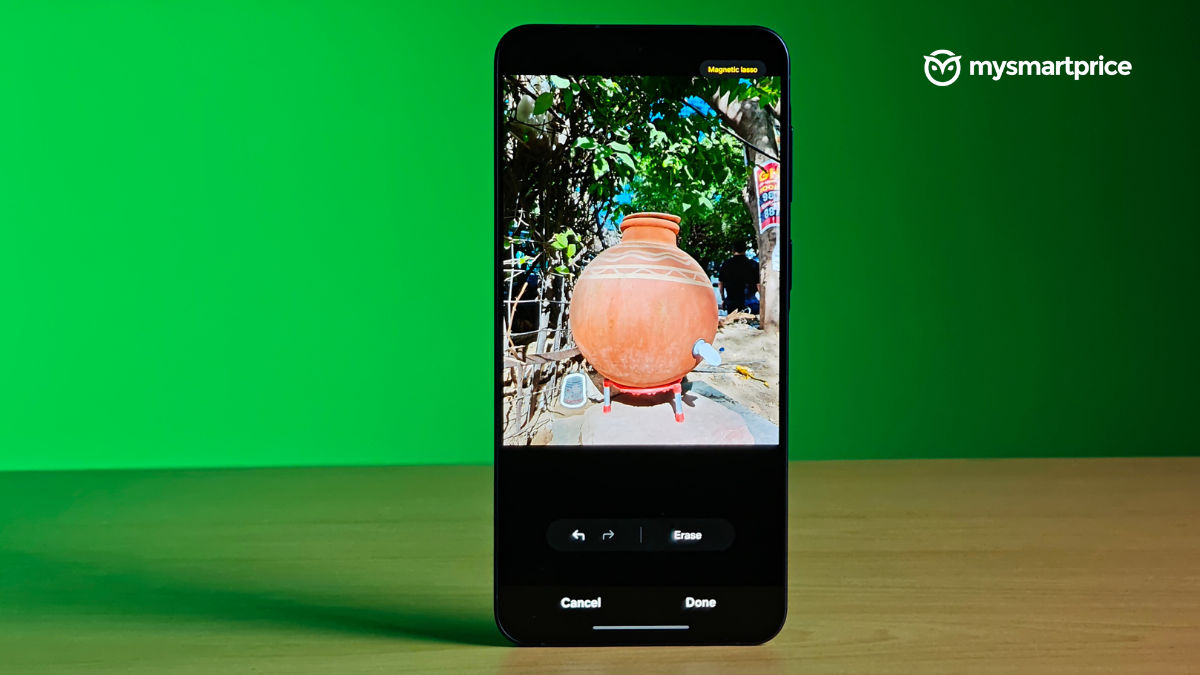
Samsung’s AI-powered image editing tools have also received a significant upgrade. The AI eraser now operates locally on the device, enabling faster object removal without needing an internet connection, which is a practical improvement.
Samsung also guarantees six years of software and security updates. This extended support cycle enhances long-term usability, making the Galaxy A57 a reassuring choice for those planning to keep their phone for many years, including older users who value stability.
Battery and Charging
The Galaxy A57 features a 5,000mAh battery and offers moderate endurance in our tests, lasting 14 hours and 32 minutes in the PCMark benchmark. The Motorola Signature surpasses it despite having a similar 5,200mAh capacity, indicating slightly better efficiency.
In daily use, with a typical routine of streaming, messaging, browsing, and short gaming sessions, the phone achieved around six hours of screen-on time. This is sufficient for a full day, though more intensive use might require an earlier recharge.
The retail box does not include a charger. The Galaxy A57 supports 45W wired charging, and with a 120W PD adapter, a full charge takes approximately 55 minutes, helping to minimise charging downtime.
Cameras
The Galaxy A57 features a triple-camera setup that includes a primary sensor, an ultra-wide lens, and a macro camera. This combination offers flexibility for capturing wide scenes and close-up details, covering most everyday photography needs.
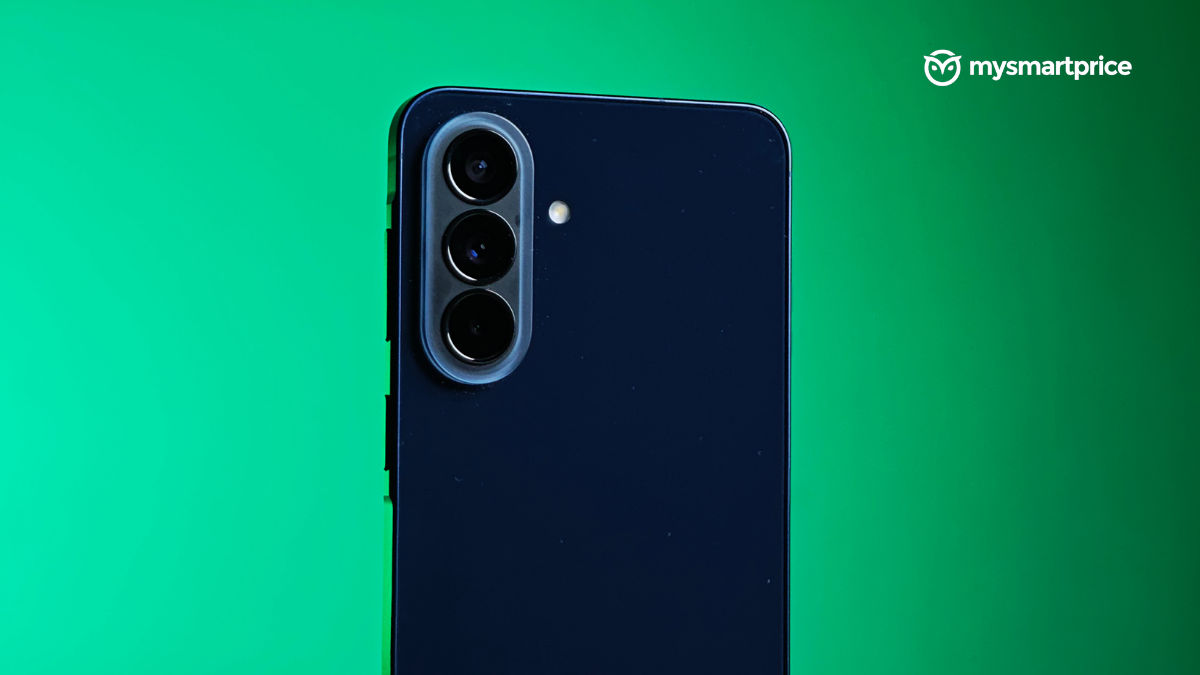
However, the inclusion of a macro lens feels somewhat niche in this segment. Rivals, including the OPPO Reno 15 Pro Mini, the Vivo X200T, and even the OnePlus 13, a last year’s flagship, offer dedicated telephoto cameras, which tend to deliver better clarity when shooting distant subjects. A telephoto option here could have enhanced overall versatility, though the current setup still reasonably addresses general photography requirements.
| Cameras | Specifications |
| Primary camera | 50-megapixel, OIS, f/1.8 |
| Secondary camera | 12-megapixel, 120° FOV, f/2.2 |
| Tertiary Camera | 5-megapixel, macro, f/2.4 |
| Selfie camera | 12-megapixel, f/2.2 |
| Video capabilities | Up to 4K at 30fps for the primary camera and 1080p at 30fps for the front camera |
In daylight, the Galaxy A57’s primary camera produces a natural look, with colours that stay close to the scene rather than appearing heavily processed. HDR tuning is well-balanced, preserving detail in both bright and dark areas, helping photos look realistic without seeming flat.







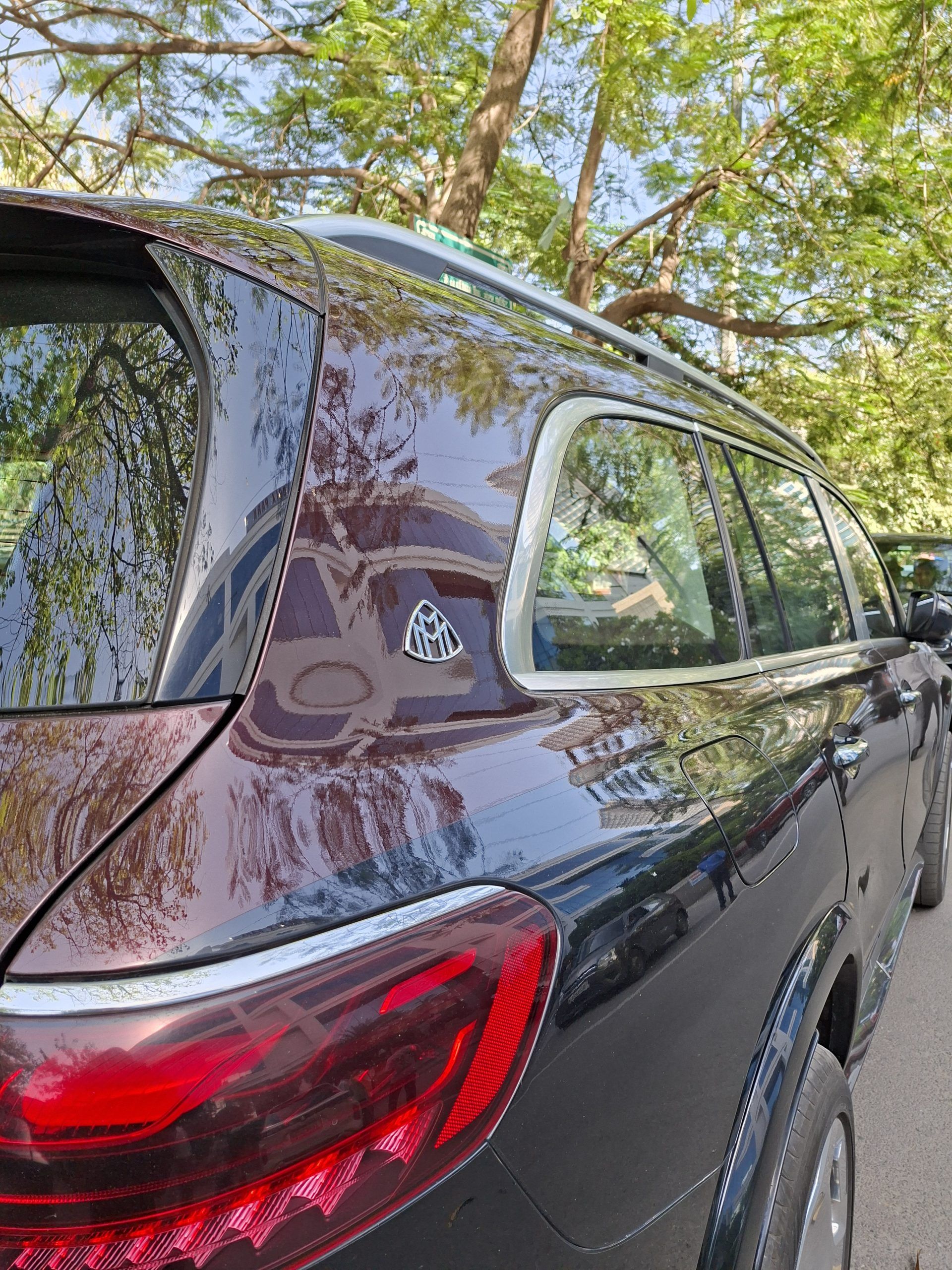



Portrait shots rely on the primary camera rather than a dedicated telephoto lens. Because of this, the background blur can sometimes seem slightly less natural. Even so, skin tones look accurate, and human subjects generally appear flattering, keeping portraits visually appealing.
The ultra-wide camera remains useful for landscapes and group shots, maintaining similar colour characteristics to the main sensor, although HDR consistency can vary slightly in challenging lighting.
In low light, images remain reasonably detailed with controlled noise, but warmer tones in the scene are not always accurately preserved.
The 12MP front camera captures pleasing selfies in daylight, though low-light shots tend to smooth finer facial details such as stubble.
Verdict
The Samsung Galaxy A57 refines an already familiar formula with a slimmer design, stable performance, and a dependable software experience supported by long-term update support. The display remains a strong point, and the cameras produce natural-looking photos in most conditions. However, peak performance falls behind some similarly priced rivals; the absence of a telephoto lens feels like a missed opportunity; and battery efficiency could be improved. Nonetheless, the Galaxy A57 focuses on providing a balanced everyday experience, making it a sensible choice for users who prioritise consistency, longevity, and overall reliability over chasing standout specifications.