At Rs 79,999, the Samsung Galaxy S26 almost feels like a phone that’s trying to convince you with its name more than its upgrades. Because on paper, and even in hand, it looks very familiar. Same design, same display panel, same cameras, and in some places, even the same limitations that we’ve been pointing out for years now.
Samsung Galaxy S26
Rs 79,999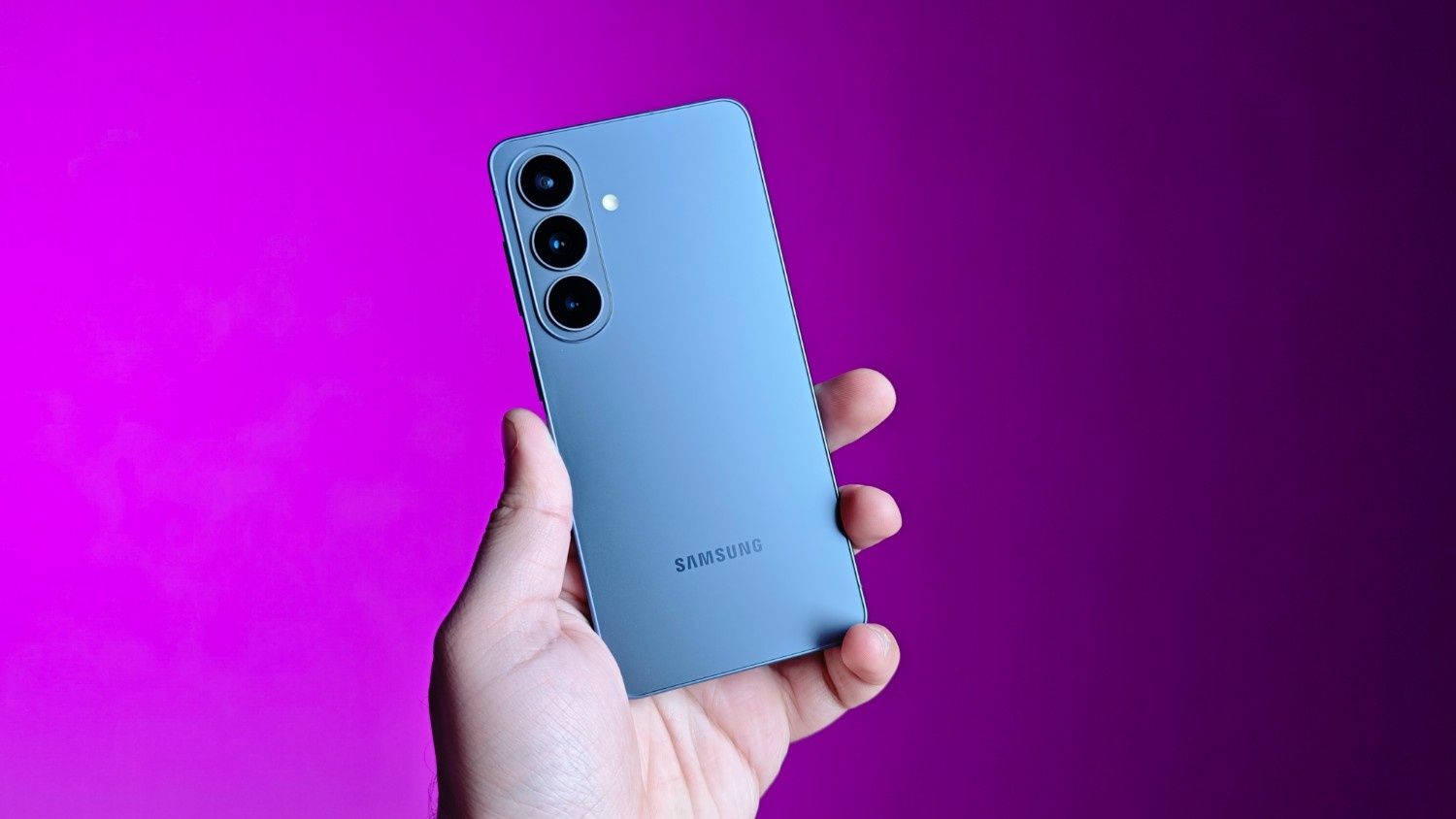
What Is Good?
- Excellent, vibrant AMOLED display with strong outdoor visibility
- Clean, polished One UI experience with some useful AI features
- Lightweight and comfortable design
- Reliable and consistent cameras with pleasing output
What Is Bad?
- Limited gaming capability (only 60 FPS)
- Battery life could have been better
- 25W charging feels outdated in 2026
But then you start using it, and things get a little confusing. It’s not a bad phone, not even close. The display still looks great, the software feels polished, and there are moments where Samsung’s idea of a “smartphone” actually makes sense.
The real question is: in 2026, is that enough?
Looks Elegent, Feels Premium, But Needs Good Care
As I mentioned above, the Galaxy S26 is pretty identical to its predecessor, the Galaxy S25. The looks are exactly the same, and while the dimensions have increased by an inch, the in-hand feel is also pretty much the same. I have the Icy Blue variant, the signature colour of the Samsung Galaxy S26 series, and it does look quite elegant with a matte finish.
Using a Galaxy S26 feels easier ergonomically. The smartphone weighs just 167 grams, and believe me, it is as lightweight as it sounds. If you wear heavy denim jeans, you won’t even feel it in your pockets. Along with that, it is decently thin, measuring 7.2mm in thickness with a flat body. Last year, the display of the Galaxy S25 was 6.2 inches, but this year the number has increased to 6.3 inches. Guess where that 1 inch would go? The display bezels have gotten thinner, giving you better visibility over the Galaxy S25.
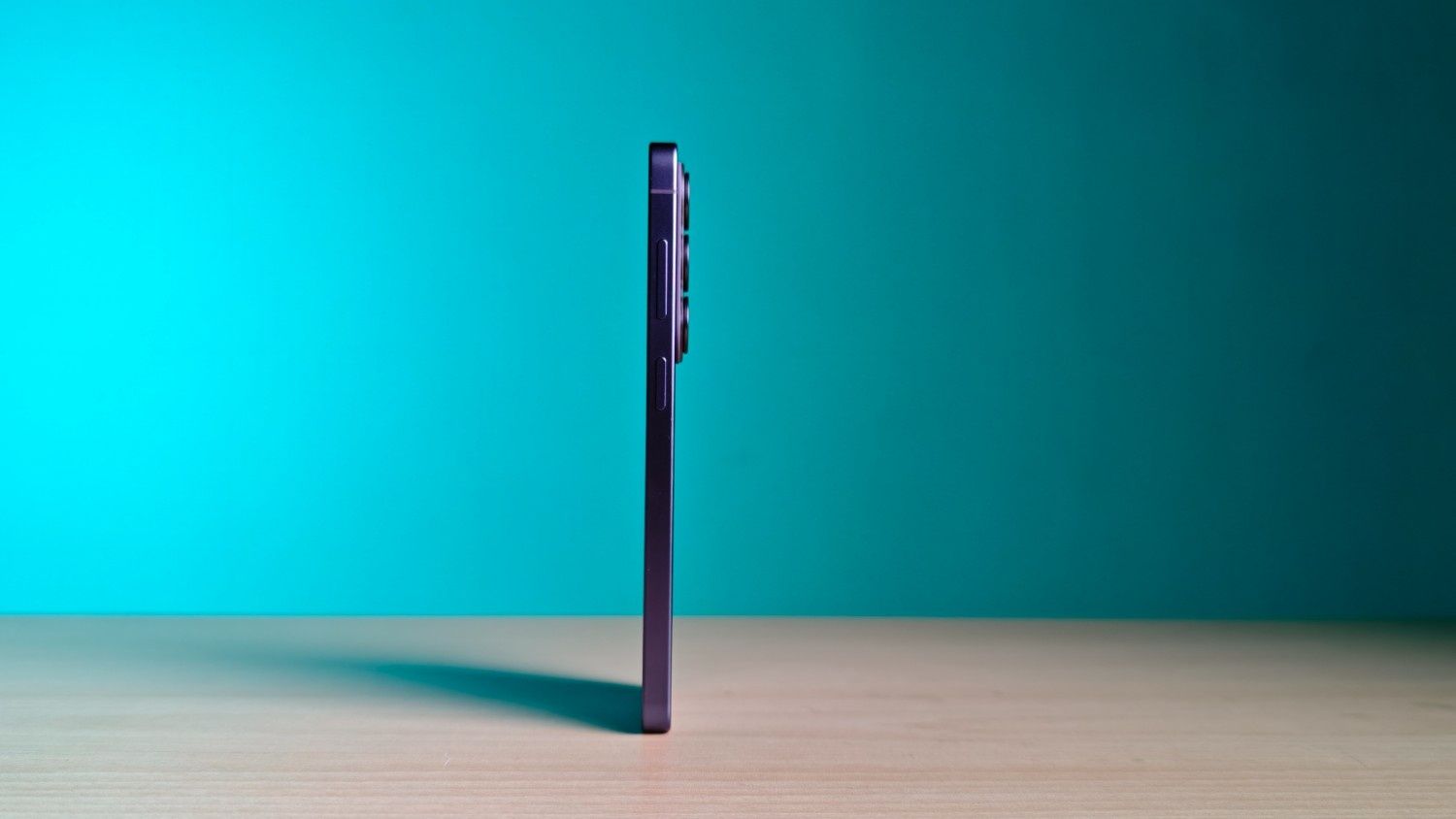
During my usage, I noticed that while the Gorilla Glass Victus 2 ensures good durability, along with reducing reflections as well, the scratches are persistent. So, if you purchase this smartphone, make sure you enjoy the display, but also put a tempered glass on it before it’s too late. The back is also protected by the Gorilla Glass Victus 2, and yes, using it without a back cover is more fun than usual.
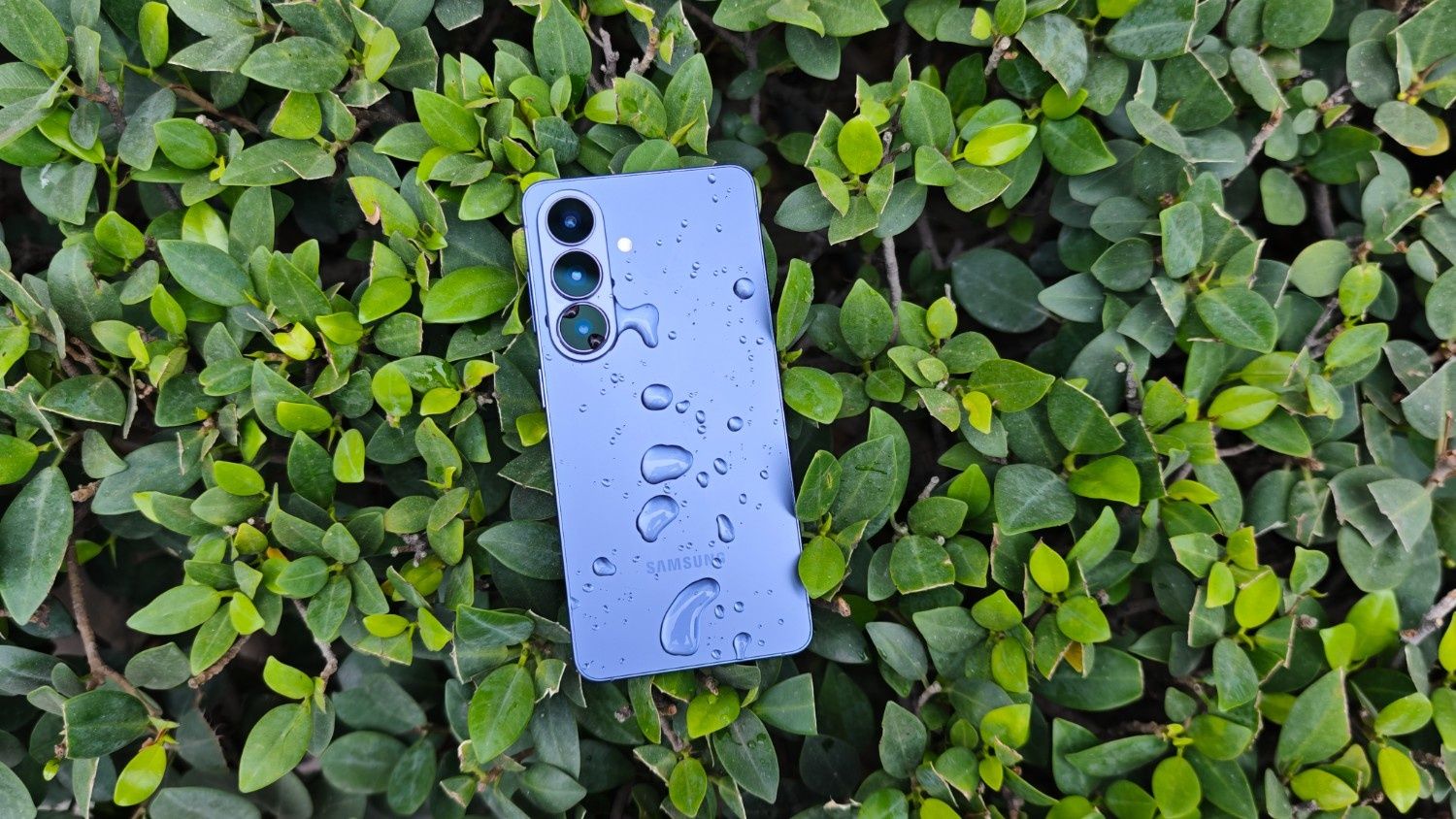
For people who want to take their phones for swimming to record videos, the Samsung Galaxy S26 comes with an IP68 rating against dust and water, and is immersible up to 1.5m for 30 min.
Pretty Impressive Display With One Limitation
For display, I was tempted to copy-paste the display section from my Galaxy S25 review here. This is literally the same exact panel that we got on the Galaxy S25. It’s a 6.3-inch LTPO AMOLED display that supports up to 120Hz refresh rate and FHD+ resolution. Even after having the same specs as last year, the display of the Galaxy S26 still delivers, and why shouldn’t it? After all, it’s a Samsung display on a Samsung flagship phone.
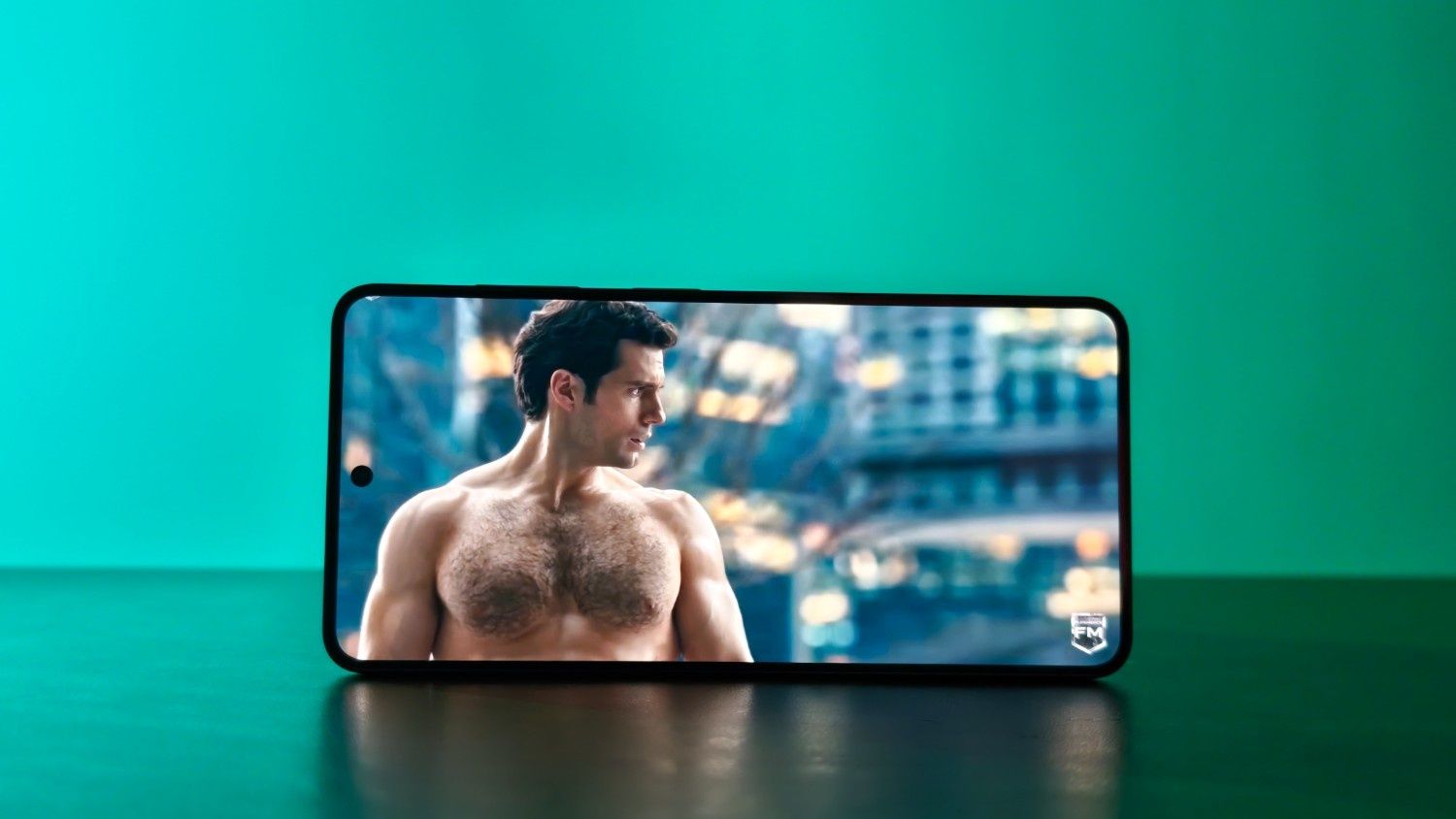
It’s a screen that immediately impresses you, colours are vibrant without feeling overly exaggerated, contrast is excellent, and blacks are deep, thanks to AMOLED. Whether you are scrolling through social media or watching movies, the experience feels polished and consistently enjoyable. So, for an everyday smartphone, the colour reproduction of the Galaxy S26 screen seems reliable.
In terms of brightness, the Galaxy S26 performs very well. Samsung claims 2600 nits of peak brightness from their lab tests. However, in real-world scenarios, we recorded around 2000 nits of peak brightness, which means even under direct sunlight, the smartphone stays vividly visible. Some credit to Gorilla Glass Victus 2 as well for reducing reflections.
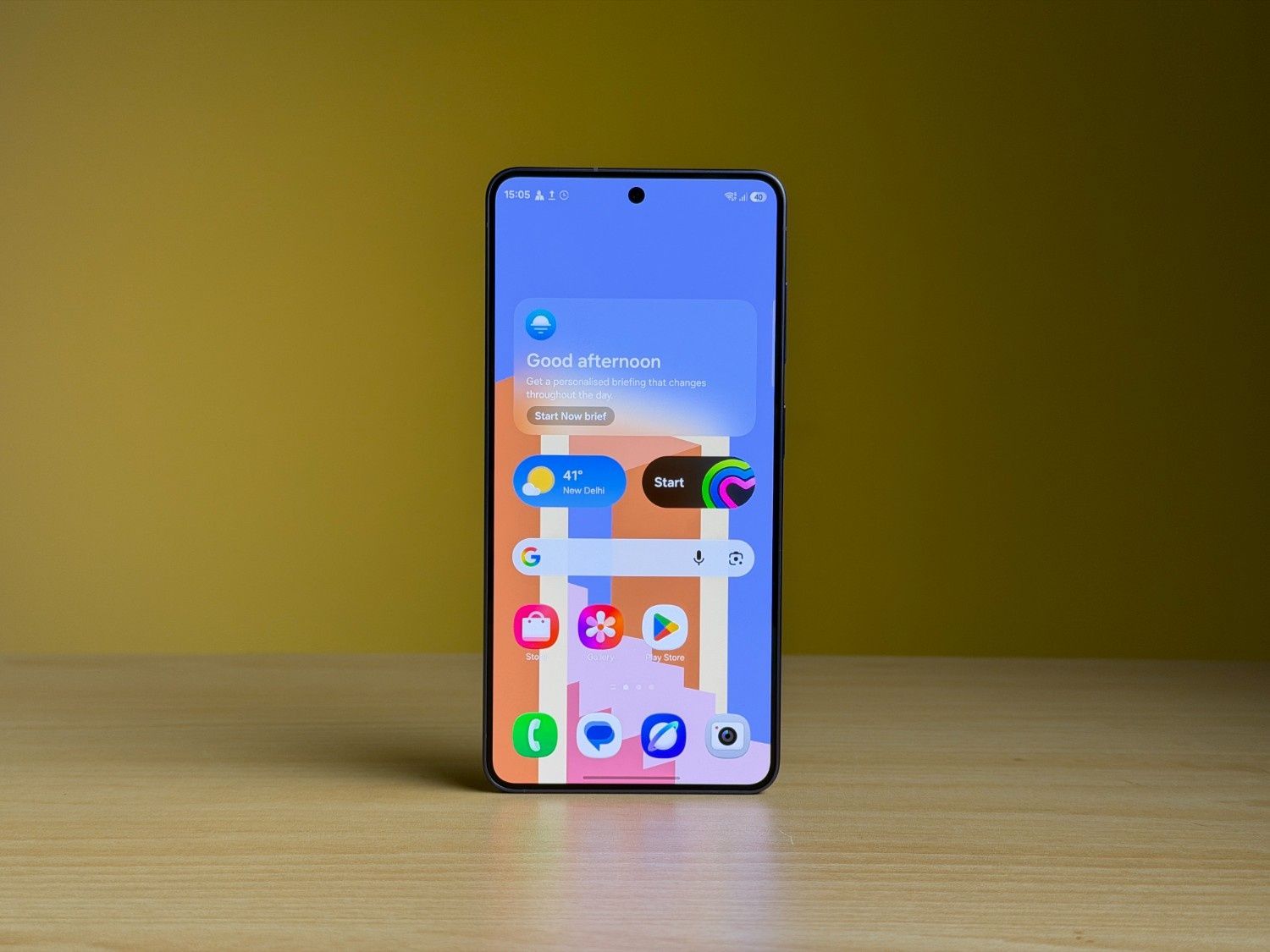
The 120Hz LTPO panel helps maintain smoothness while being efficient, and overall responsiveness feels fluid. However, there’s one long-standing issue with Samsung phones that I don’t particularly appreciate. Even when you switch to 120Hz in the settings, you don’t get a constant 120Hz experience. Instead, it uses an adaptive refresh rate, meaning the display can drop below 120Hz depending on workload or battery conditions. This is what LTPO does, but only when there’s a need. I prefer full control, especially on a smartphone in this segment.
Additionally, the FHD+ resolution is sharp enough in daily use, but then most phones in this price point are offering up to 1.5K resolution, even 2K in some.
Not A Performance Beast, But It’s Smart
The Samsung Galaxy S26 looks like a sophisticated smartphone. Think of it this way, the Galaxy S26 is an office-going, suited and booted person, who is smart, clean, and classy. Then there are some of its performance-focused competitors, college guys who are into sports and athletics. Difference between these two? The Samsung Galaxy S26 is sharper and smarter, but its competitors are more powerful and consistent.
In our benchmark testing, the Samsung Galaxy S26 scored around 3 million points in AnTuTu, which sounds decent but not class-leading. Processors such as MediaTek Dimensity 9500 and Snapdragon 8 Elite Gen 5 always outperform processors like Exynos 2600 and Tensor G5. Even though it’s the first 2nm chipset, I expected more power and better efficiency.
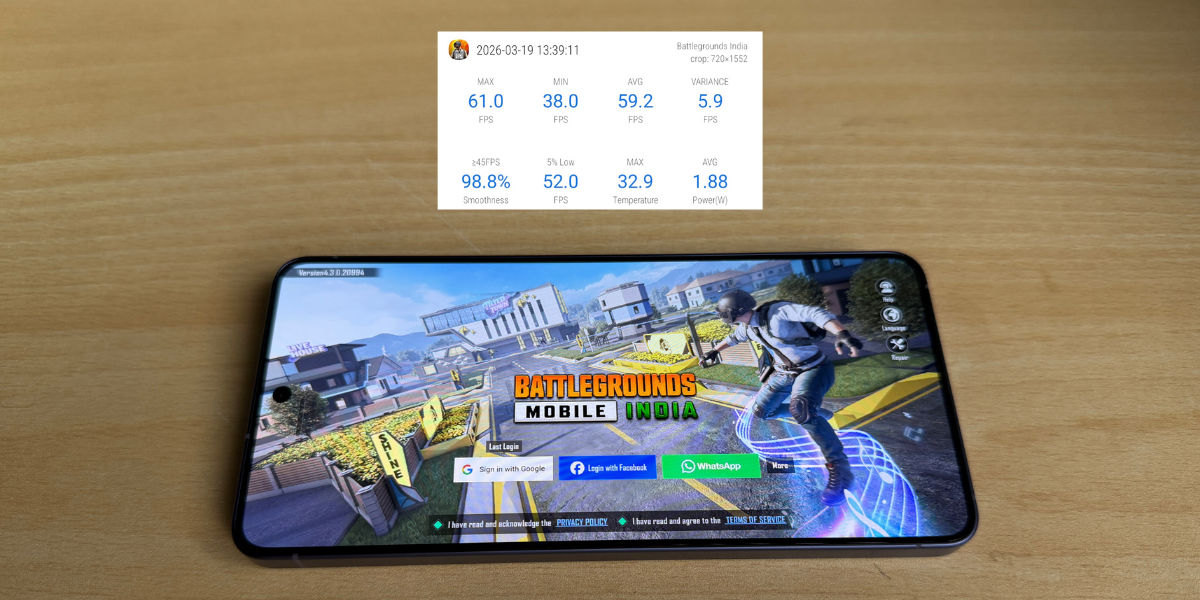
If we talk about gaming, you don’t get high FPS support. We played BGMI on this phone, and it only supports up to 60 FPS, yes, not even 90 FPS. Even the base iPhone 17 now offers up to 90 FPS in BGMI. I think that’s a bit disappointing for a phone priced at Rs 79,999.
The moral of the story: You should avoid buying the Samsung Galaxy S26 if gaming and power are your first priority. But, if you need a high-end smartphone for a 9-5 job, social media, and content consumption, the Samsung Galaxy S26 can be one of the best options.
OneUI 8.5 Brings The Real Upgrades Here!
Software and AI are the most exciting parameters of the Samsung Galaxy S26. Although it doesn’t remain an ‘upgrade’, now that OneUI 8.5 has rolled out on older Galaxy S series phones too. Still, on the software and AI end, you will get to notice the magic of its 2nm chipset. As I said, it might not be the most powerful phone, but it is definitely one of the smartest ones.
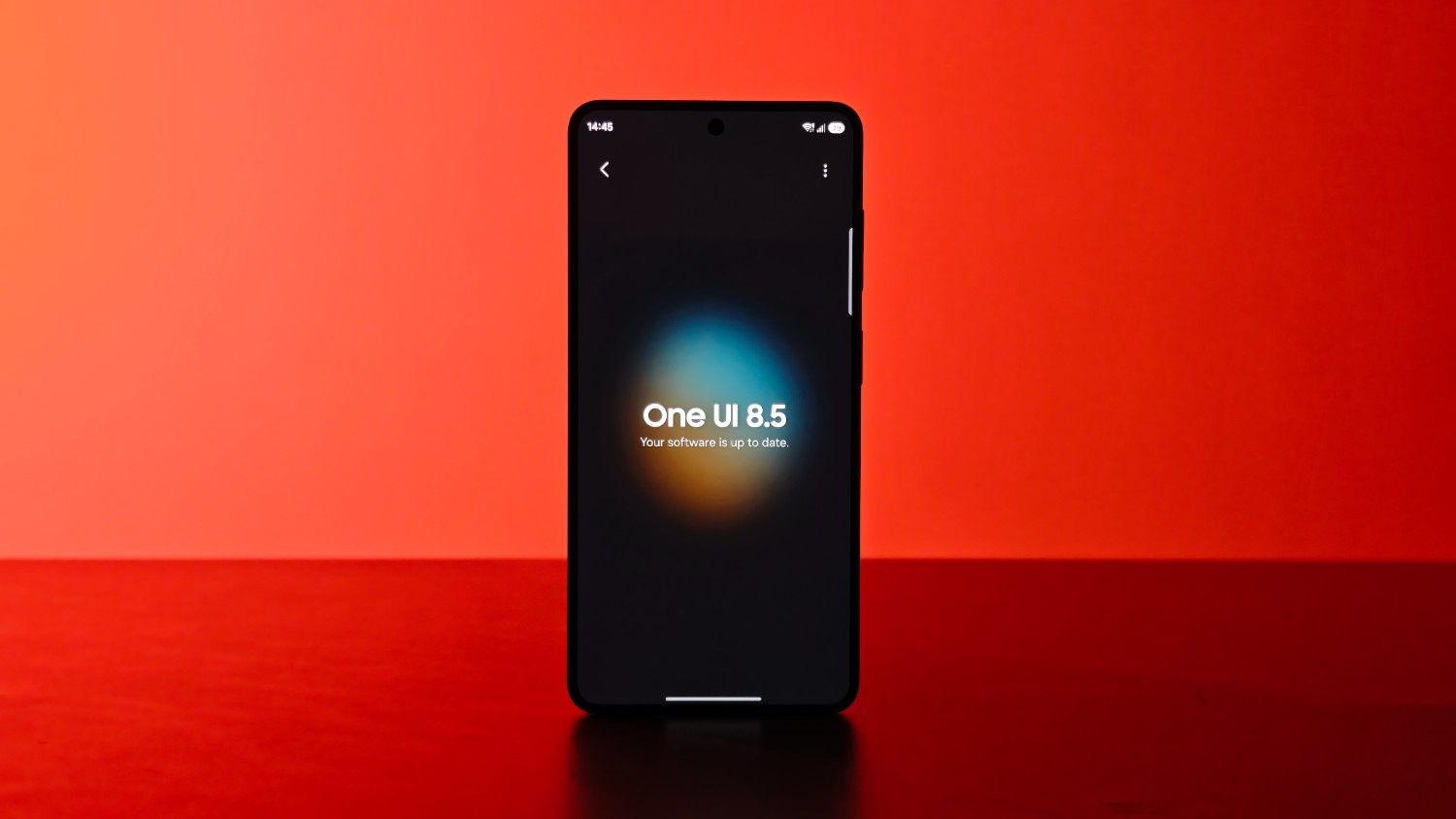
Visually, OneUI 8.5 looks beautiful. The animations are pretty, the transitions are slick, and all the interfaces look easy. I love it that all the built-in Galaxy AI feature buttons are a little shimmier and more colourful than the usual buttons.
There are some new additions to the phone. It now comes with pre-installed Perplexity app, Bixby has gotten smarter, and then of course there’s Gemini too. During my usage, I found the new Galaxy AI fun, helpful, and impressive as well, and only three features are enough to describe that.
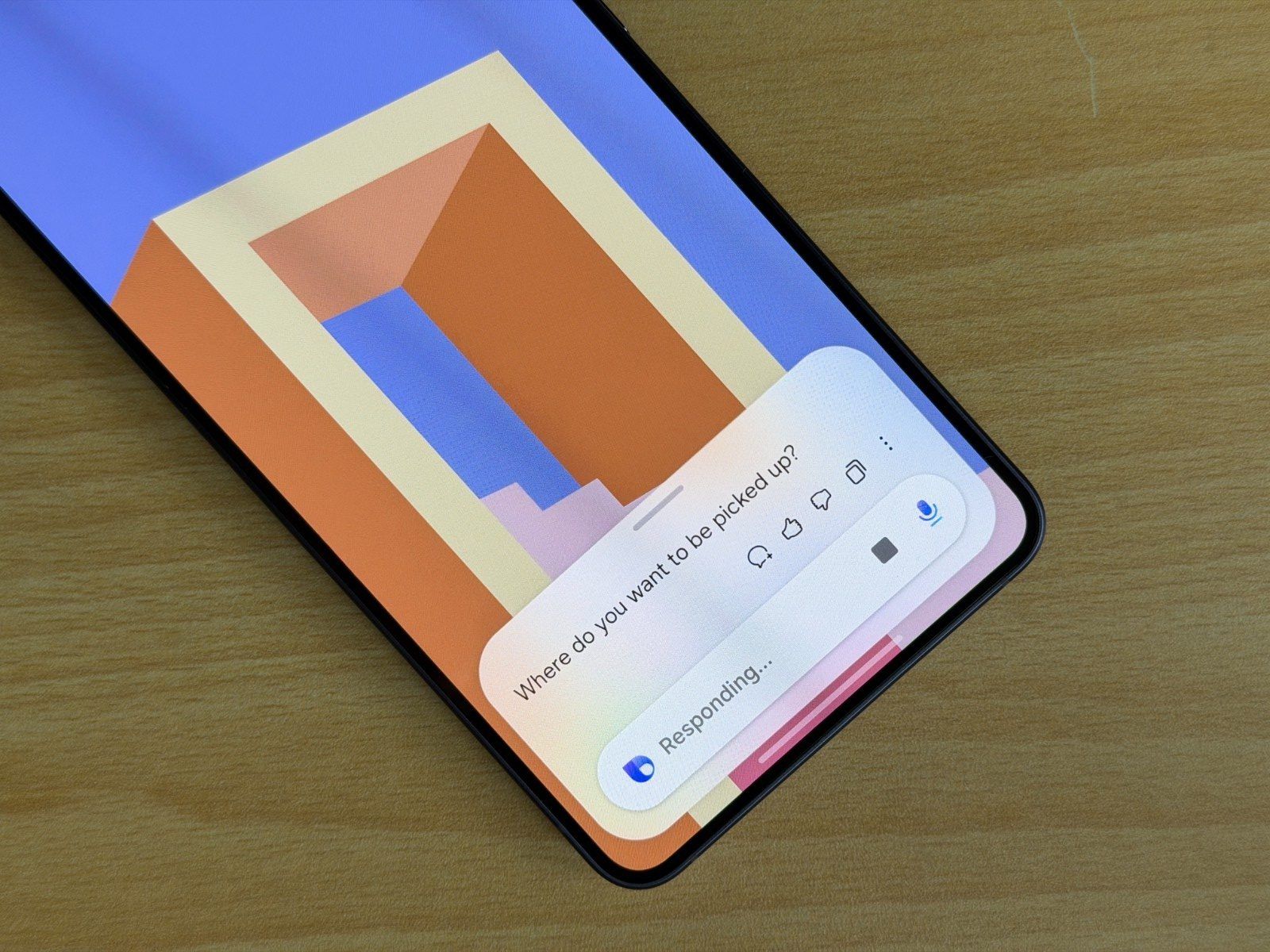
By adding ‘Simplified Conversation’ with AI, Samsung has made a great move. Bixby, which was just a failed competitor to Siri a few years back, can now book cabs on Uber. Just say ‘Hi Bixby, book me a cab on Uber’, then tell it where you want to go, from where you want to get picked, and which type of Uber cab you want to take (Economy, Sedan, Black, etc.), and then watch it live booking a cab for you. This is cool because I am an iPhone user, and I use Siri a lot, but I could never do such things with Siri on my iPhone. Max, it’ll open the Uber app for you so that you can manually put everything in and book the cab, but Bixby just got a step ahead.
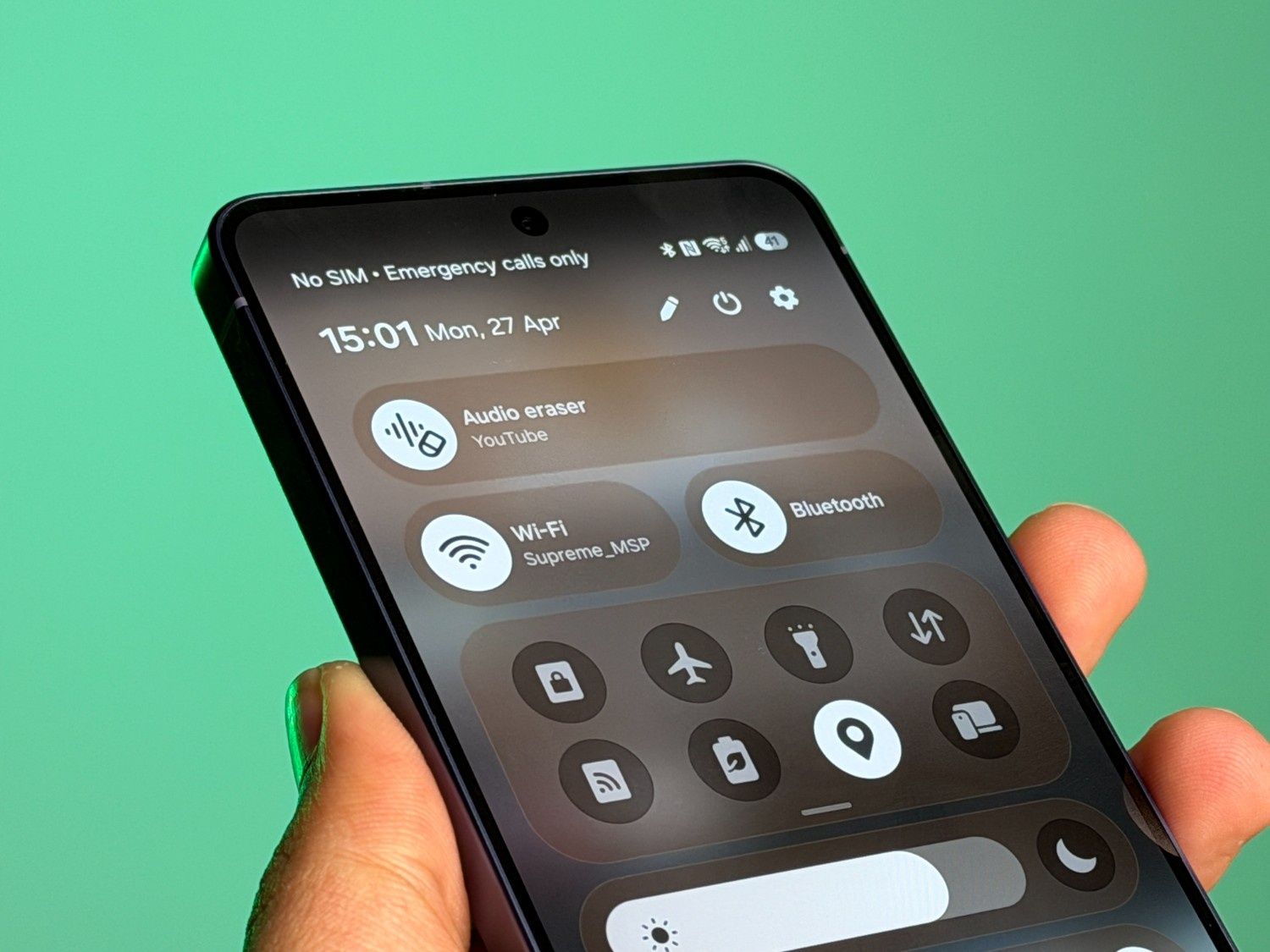
Then there is a feature called AI Audio Eraser. Now this should be called AI Audio Enhancer, because it can literally play with the audio of a movie/show you are watching on OTT apps like Netflix. With this feature, you can reduce the noise in the audio of content, but can also increase the volume and quality of voices (dialogues, speeches, etc). So far, we have seen AI Audio Enhancement in video samples, but with this phone, you can do it with the content you watch, too!
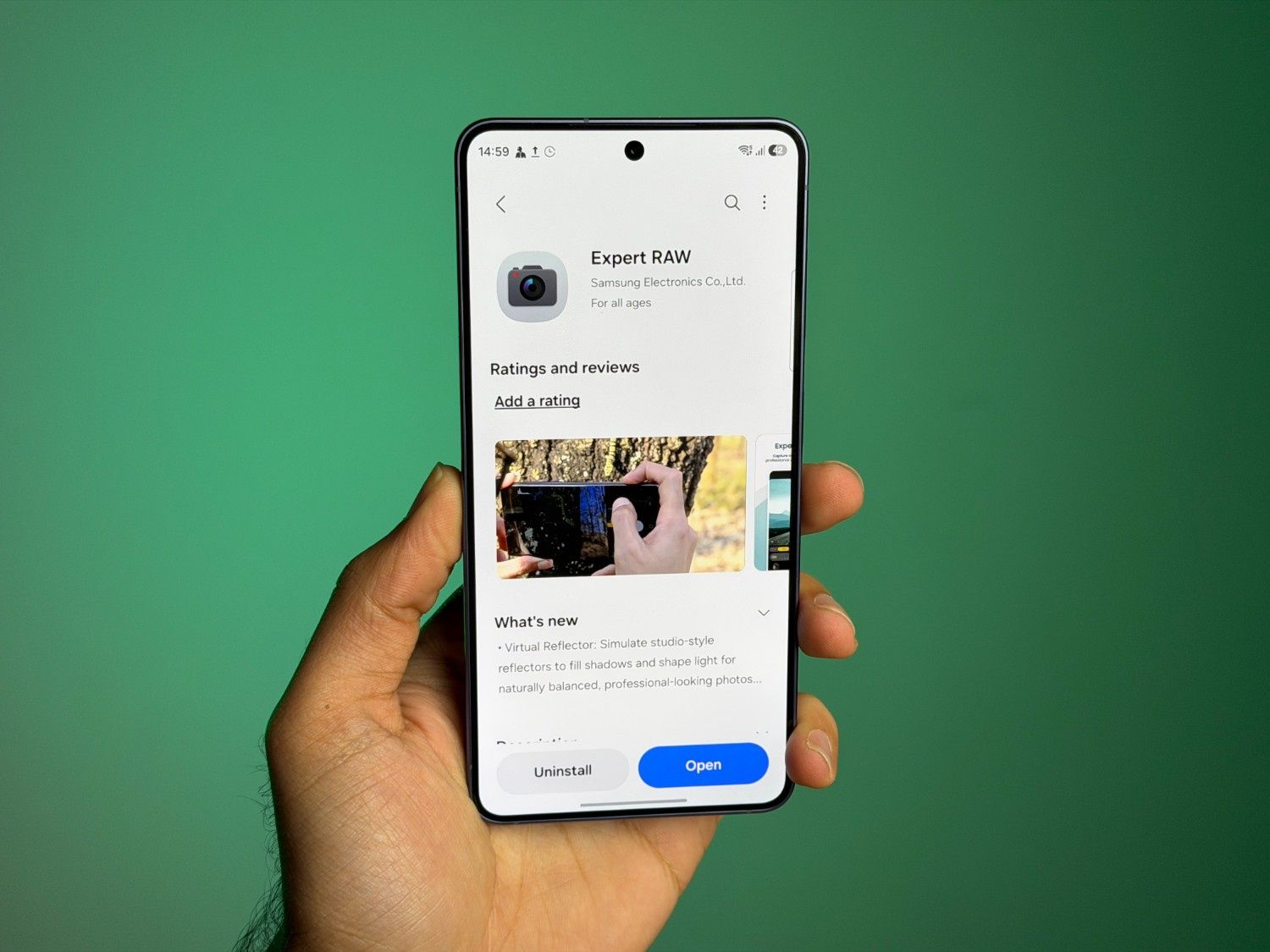
And the last feature I genuinely appreciate is another Samsung app that you have downloaded from Galaxy Store – ExpertRAW. This is basically an app for Pro mode, but loaded with real-time AI features. And my favourite is the Virtual Reflector. This can change the colour tone of your pictures. Nothing new, right? But it can also cast virtual light on subjects, and you can direct this light. The fact that it works in real-time is proof that the 2nm Exynoss 2600 is not that bad at all. It is capable of things that you don’t find in other smartphones.
Not just that, Samsung has added a bunch of AI features for convenience. Call Screening lets Galaxy AI pick up the call for you and ask who’s calling. There’s also Scam Detection, which warns you if something feels off during a call. Yes, that does mean the AI is listening in… but honestly, at this point, that’s a trade-off most people will probably accept.
Then there’s Now Nudge, which is supposed to surface relevant info, images, and documents across apps based on your usage. It did sound great on paper, but during my usage so far, it hasn’t really shown up enough to feel useful. Maybe it gets better over time as it learns your habits, but right now, it’s not something you’ll notice much.
Samsung Galaxy S26 Captures Consistent, Easy-to-Like Pictures
Cameras on Samsung phones have usually been reliable, and with the Galaxy S26, that story continues, and that too with a familiar approach. It comes with a triple camera setup (the same as the Galaxy S25), features a 50-megapixel main camera, a 10-megapixel 3x Telephoto sensor, and a 12-megapixel ultrawide lens.

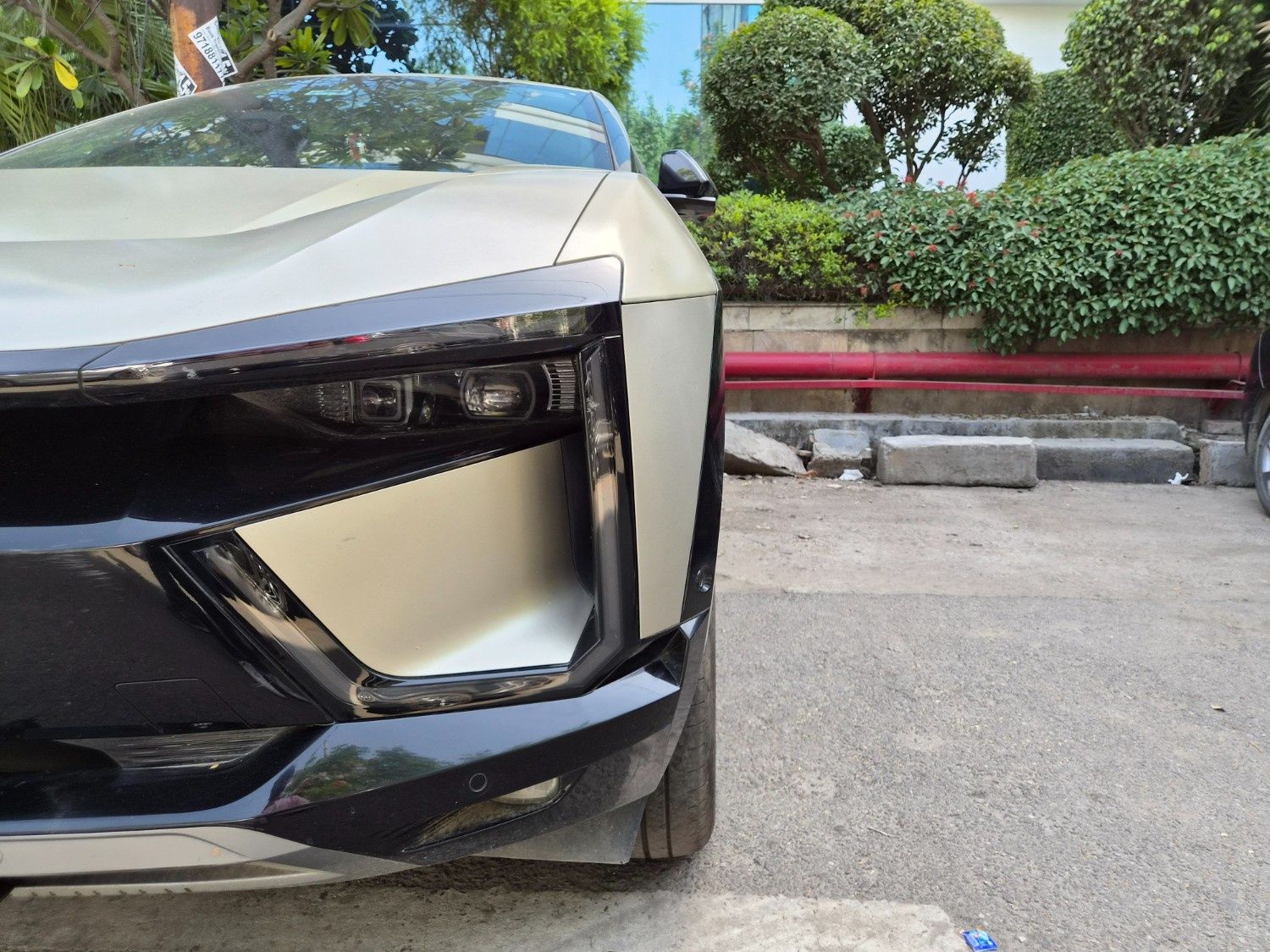
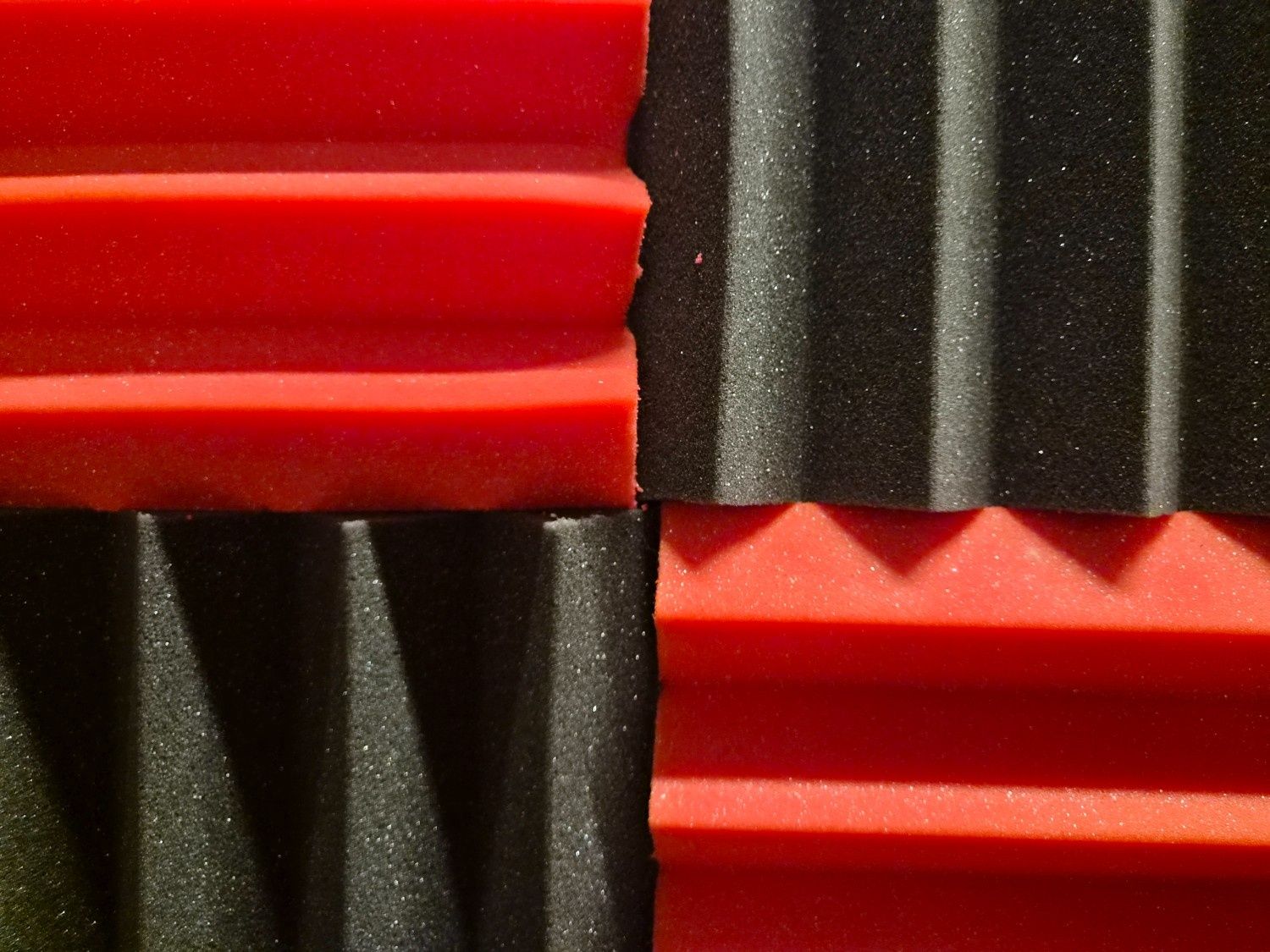
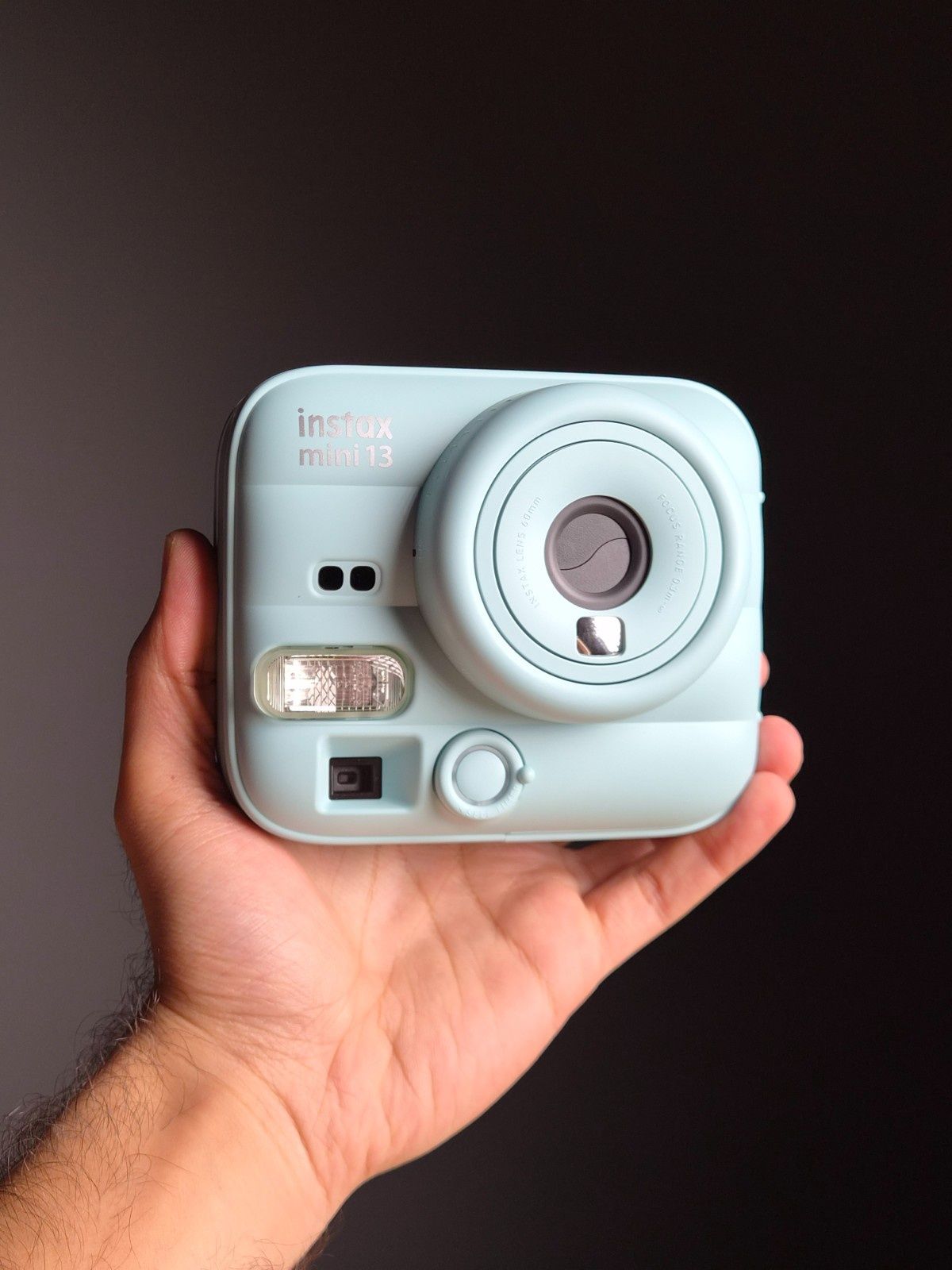

Starting with the main camera, the shots come out sharp and well-balanced. In the sample I took, you can see that the details on the car, especially around the headlight and body lines, are captured nicely, and the dynamic range is handled well enough to retain highlights without blowing them out. Colours are slightly on the punchier side, which is typical of Samsung, but they still look pleasing overall.
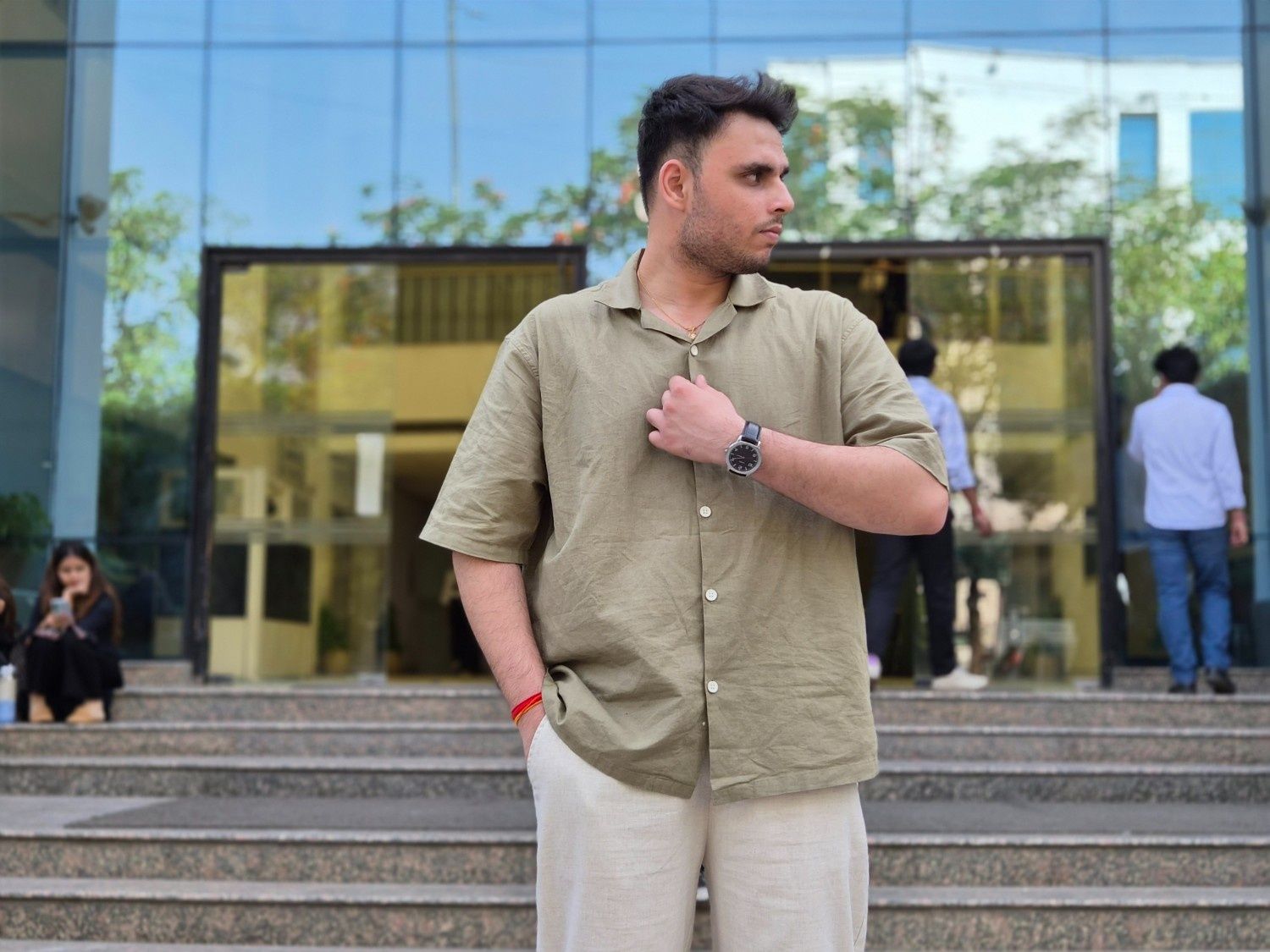


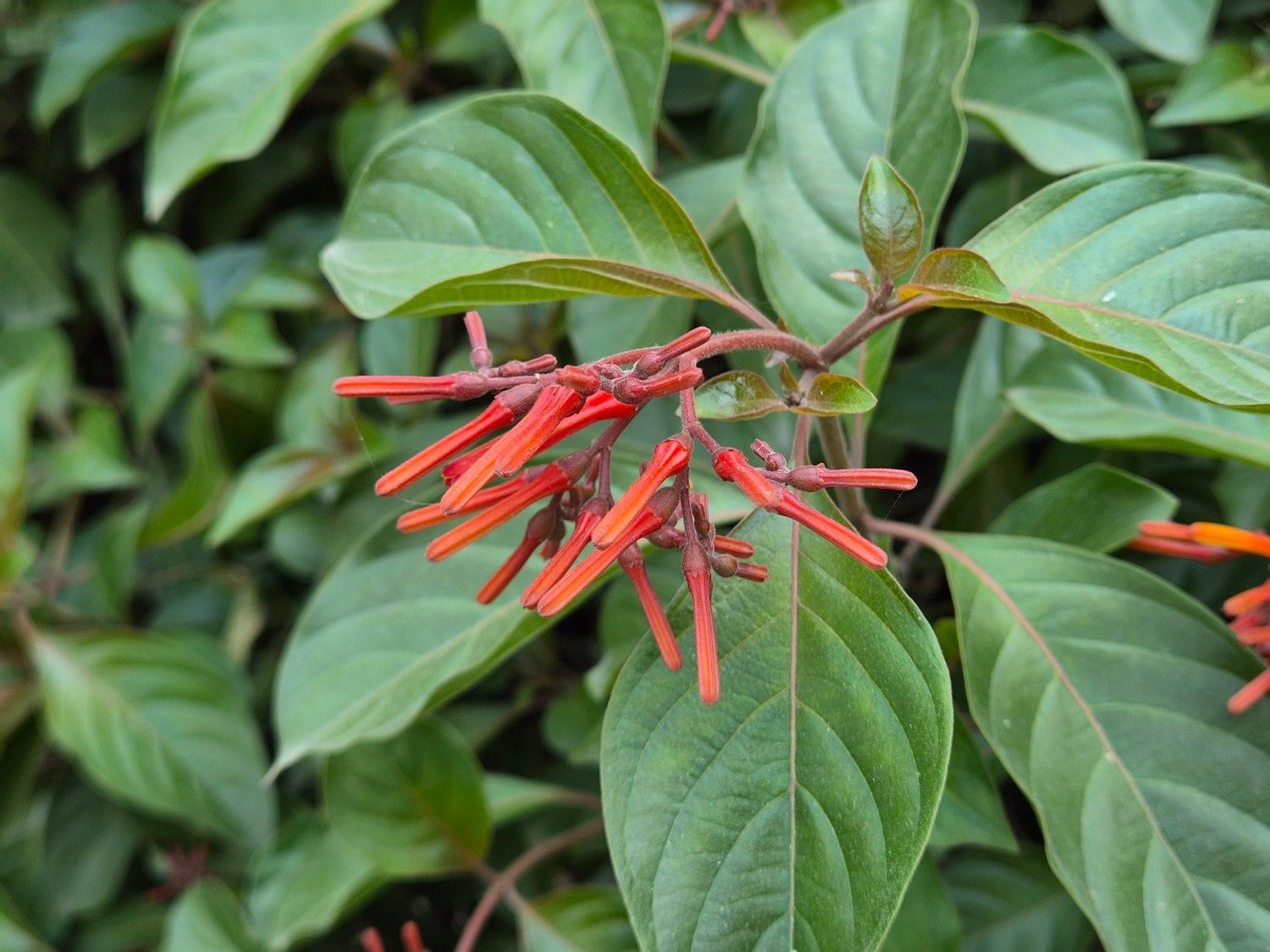
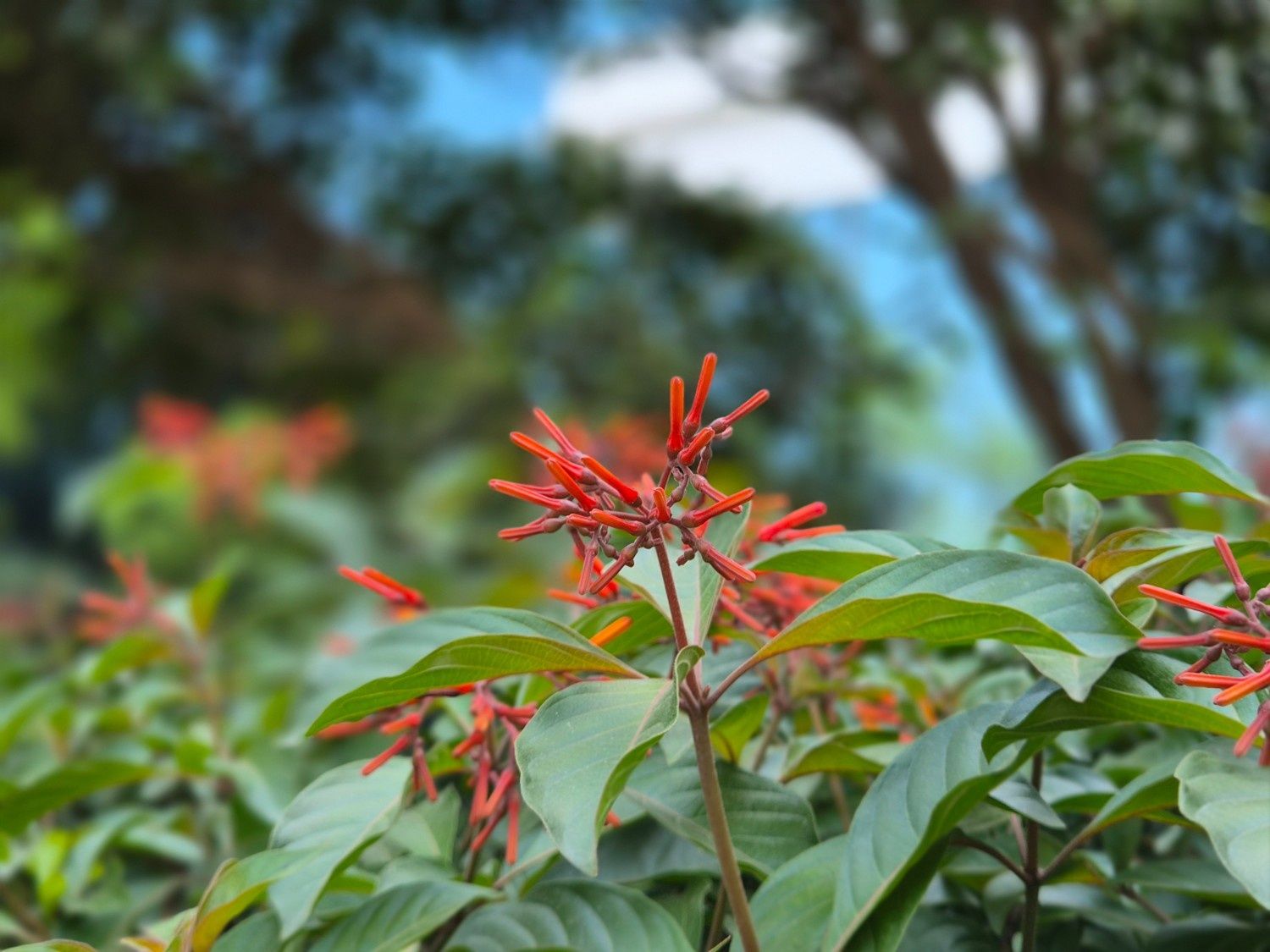
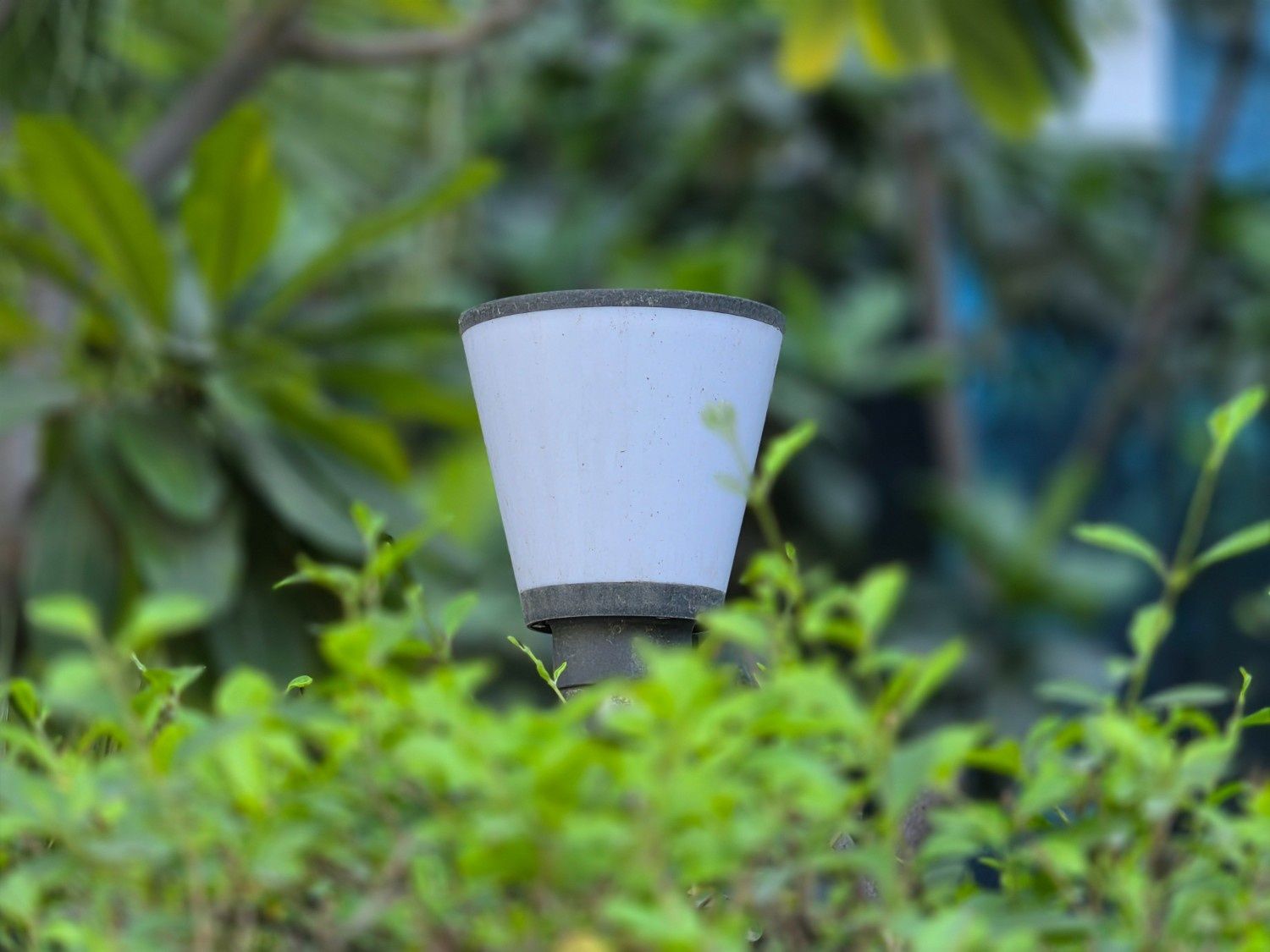
Portraits are also decent, and the 3x optical zoom makes them even better. Edge detection is clean for the most part, but it does struggle with focusing sometimes. The background blur looks natural without being too aggressive. Skin tones feel slightly warm to make pictures look vibrant, but not unnatural, and there’s a good amount of detail retained on the face as well. This is one area where the Galaxy S26 feels dependable; you can just point and shoot, and you’ll get a usable portrait almost every time.
The 3x telephoto sensor isn’t much of a use except for portraits, but 5x and 10x digital zoom can be used to take distant subjects. Surprisingly, the AI image processing is also really great, so these photos don’t look digitally zoomed.
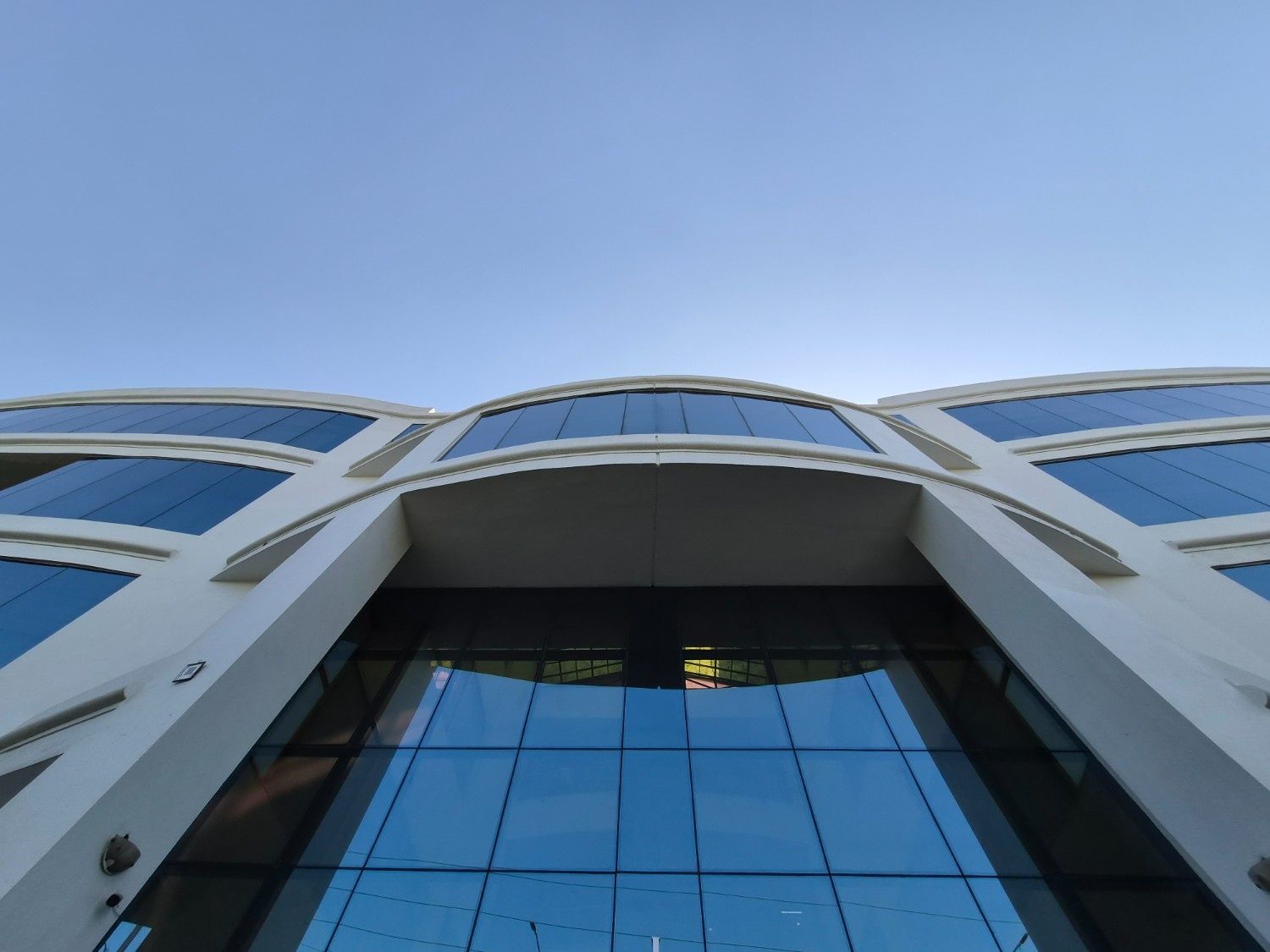

The ultra-wide camera is also not bad, but not very good either. It manages to capture a wider scene well, and colours stay fairly consistent with the main camera, which is good. However, you will notice a drop in sharpness towards the edges, and some distortion creeping in, nothing unexpected, but also nothing impressive.
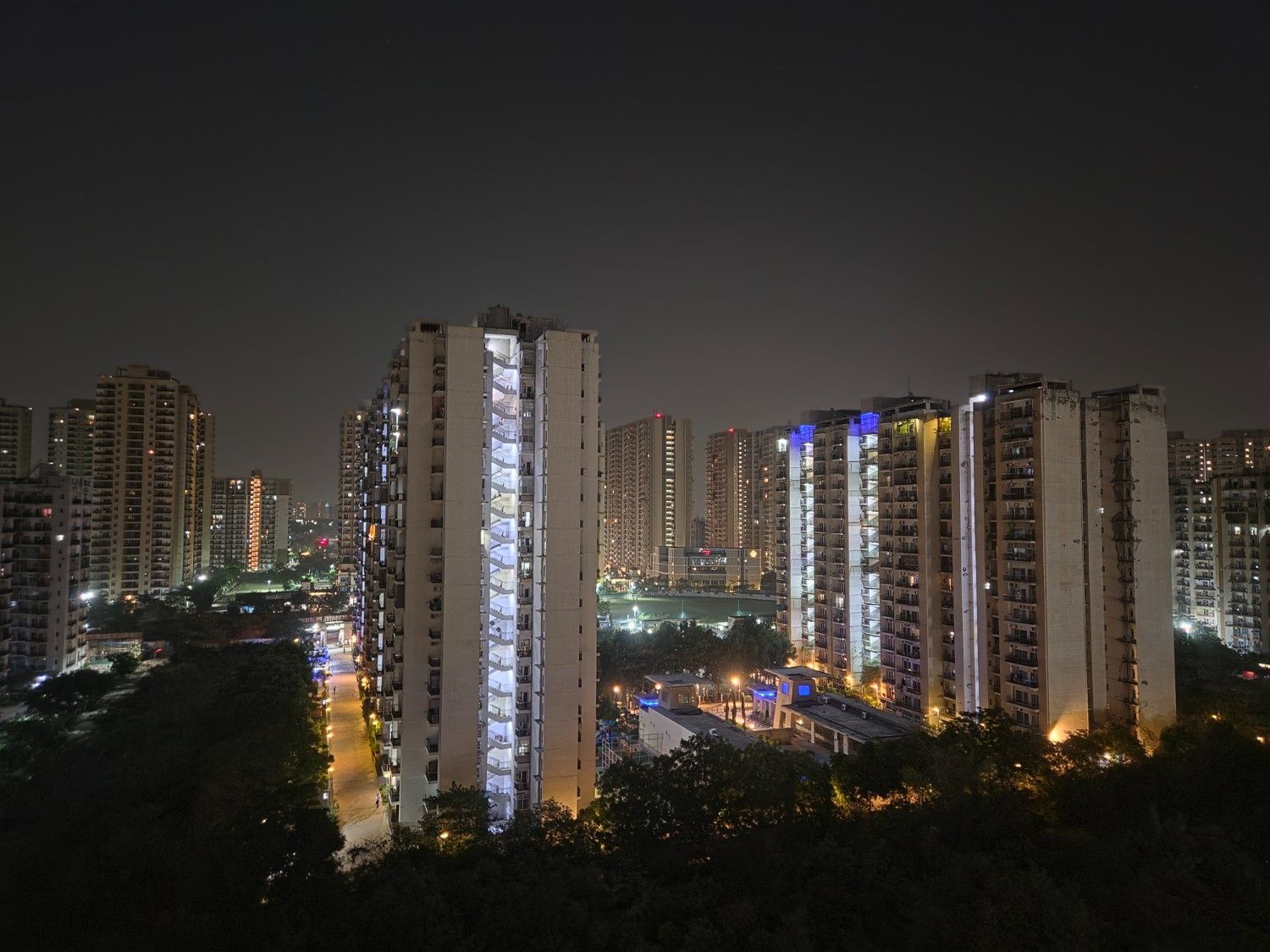


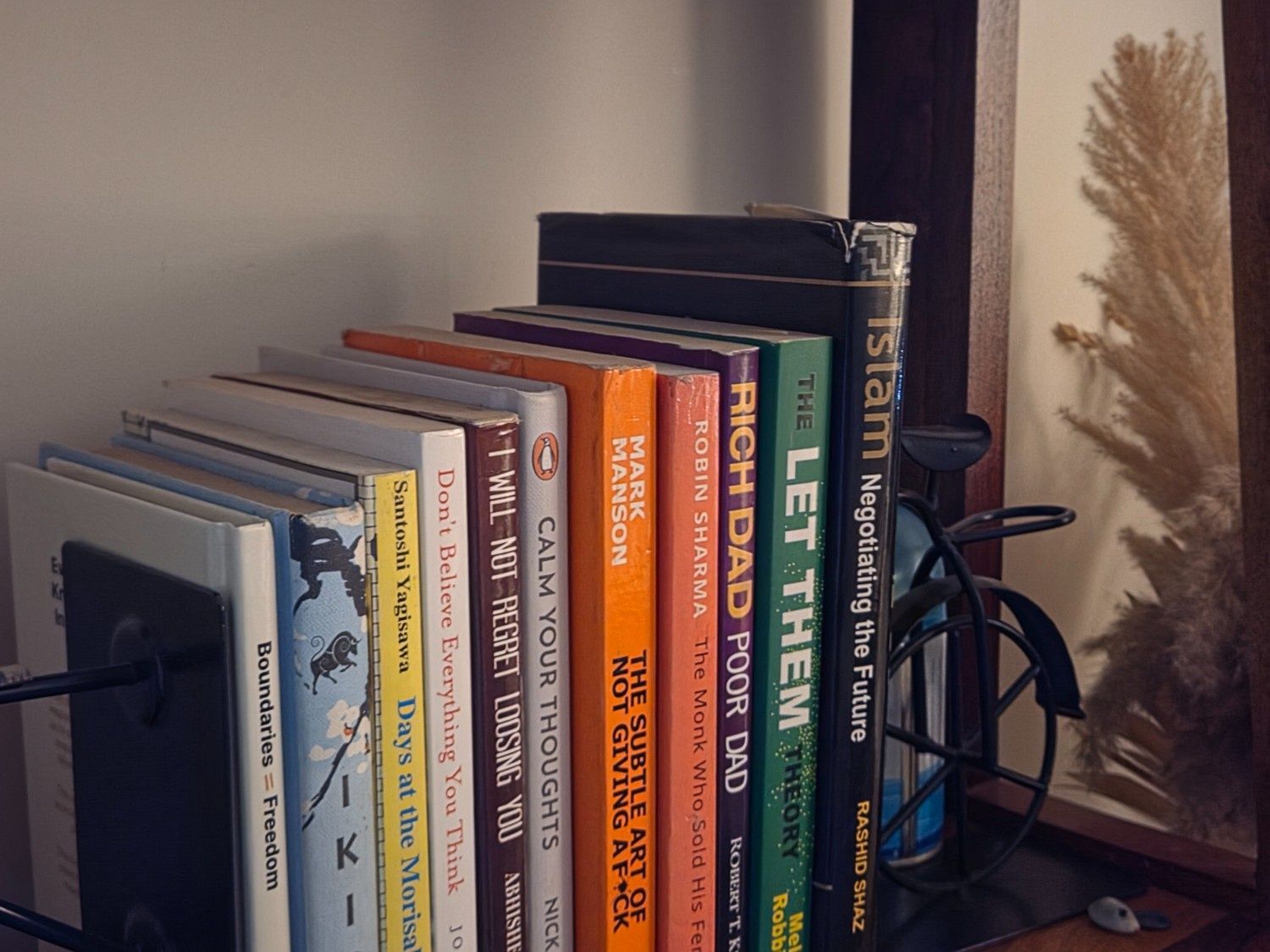


Low-light performance is where things get interesting. The Galaxy S26 does a good job of keeping noise under control and maintaining detail in darker areas, especially in well-lit city scenes. Highlights from buildings and streetlights are handled well, and the overall image looks clean. However, if you are shooting indoors, pictures can sometimes look grainy. And also, you need very still hands while shooting low-light pictures, otherwise the output is not that great.


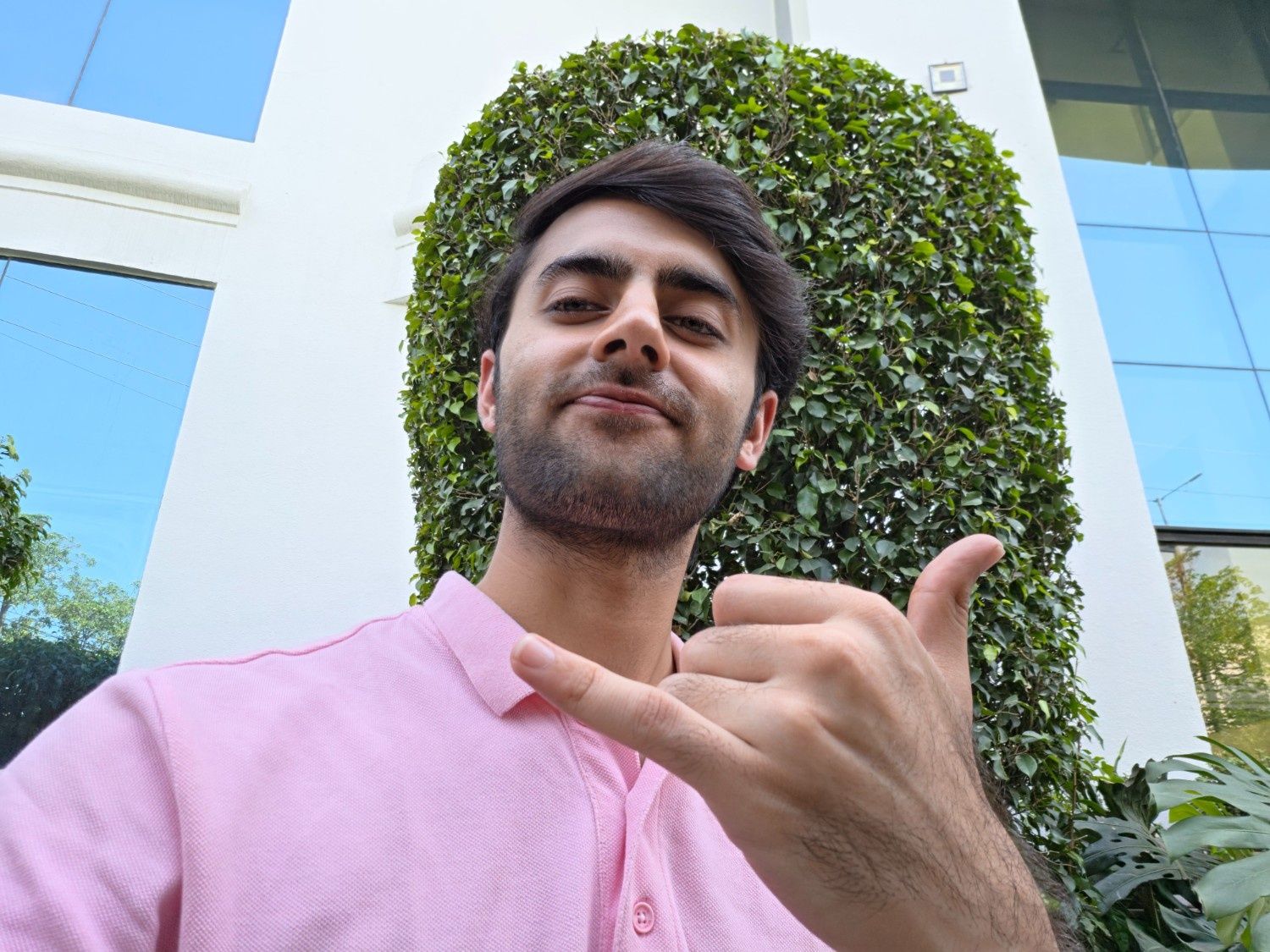
Lastly, the 12-megapixel selfie shooter captures vibrant selfies. It keeps the details intact, and the skin tone appears natural.
Overall, the Galaxy S26 doesn’t reinvent anything with its cameras. It sticks to what Samsung does well, consistent, easy-to-like photos, but if you were expecting a major leap, this isn’t it.
It Could’ve Been Better On The Battery Front
Since last year, we have only been getting a 300mAh upgrade with the Galaxy S26. It packs a 4300mAh battery with the same 25-watt fast charging support. Now these specifications are way too outdated. If Samsung wants to compete with other Android brands, upgrades on the battery front are long overdue. But before that, let’s talk about how this battery performs.
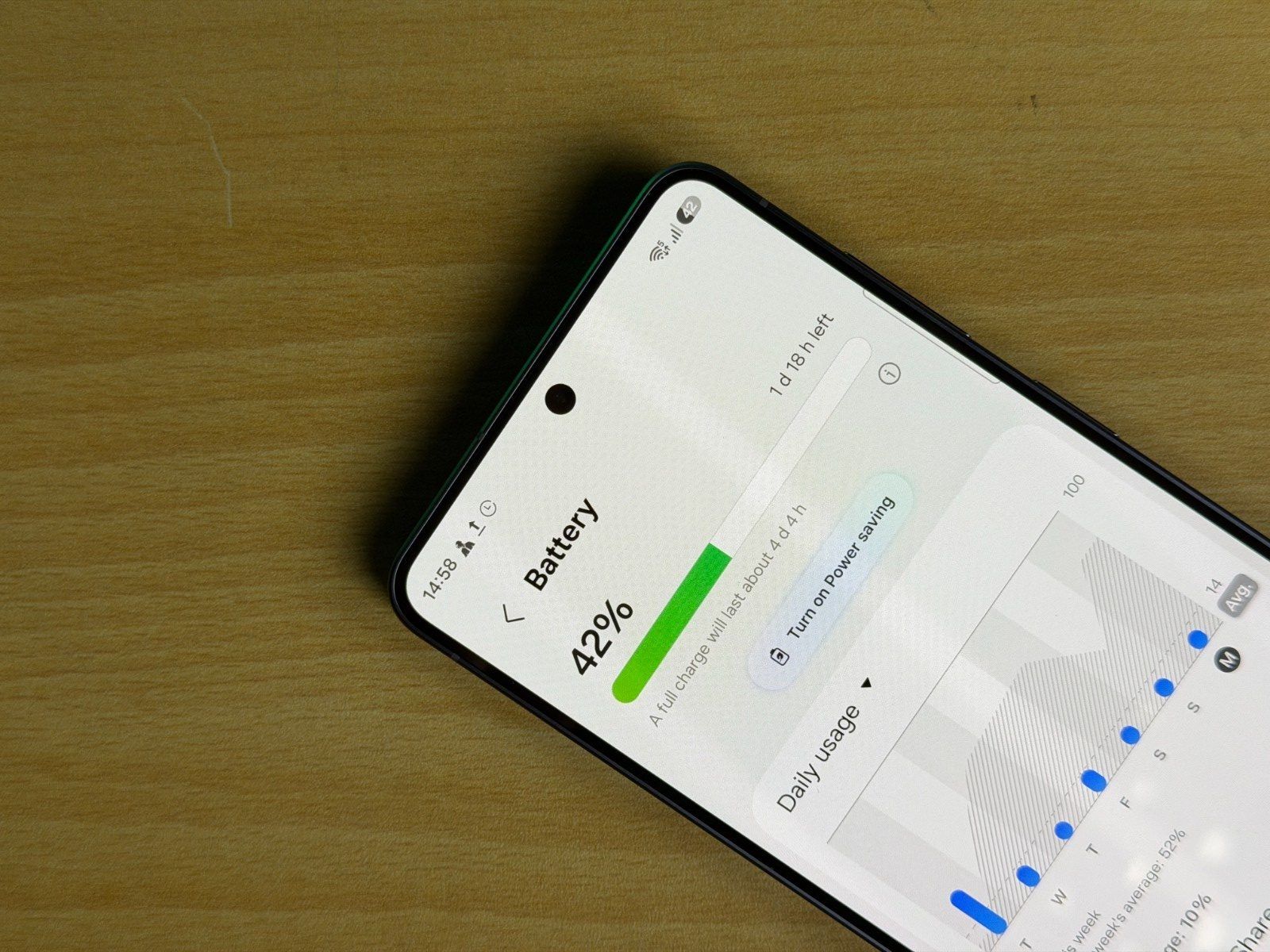
First and foremost, the standby time is really bad. If your Galaxy S26 is at 10%, you need to put it on charge as soon as possible. This reminded me of my Galaxy J2 that I had in the 10th standard, which was not used to last much below 10%. Cameras and batteries are two parameters that have evolved the most on smartphones. Once, my iPhone 17 lasted 38 minutes on 4% battery, and that too when I was listening to offline music continuously. With the Galaxy S26, I was expecting a similar output, but well…. I don’t usually charge my phone before I see that 5% battery alert, and on most mornings, I woke up to a dead phone, usually missing alarms. That doesn’t happen regularly on most phones these days.
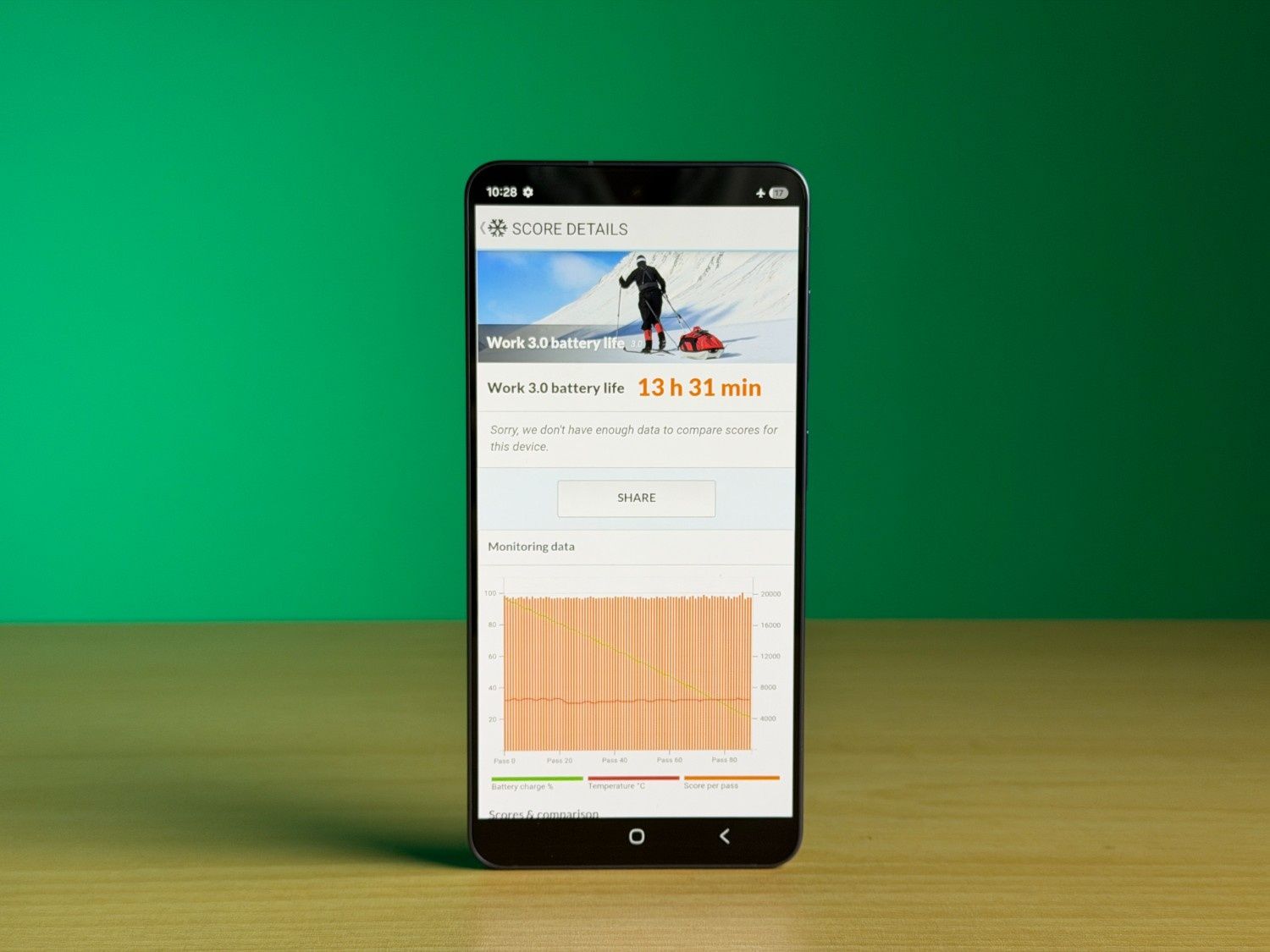
Now, according to our PC Mark Battery Life test, the Samsung Galaxy S26 lasted for 13 hours and 31 minutes. This explains the not-so-great battery life. So even though the Exynos 2600 is a 2nm chip, battery optimisations could have been better on this one.
Furthermore, the 25-watt charging is also a big con. Usually, I am not in a hurry, so I can only charge my phone for a very specific short period of time. But sometimes I do, and then 60-watt, 80-watt, 100-watt fast charging does the work. But 25-watt in an ‘Android Flagship Phone’ in 2026? Not acceptable.
So, What’s Our Take On The Samsung Galaxy S26?
The Samsung Galaxy S26 is a phone that delivers a very specific kind of experience, and it does that well, but the problem is the context it exists in. At Rs 79,999, the expectations are no longer limited to a good display, clean software, and reliable cameras. The competition has moved towards offering more power, better battery life, faster charging, and, in many cases, more noticeable upgrades year-on-year.
What Samsung offers here is consistency. The display is still excellent, the software experience is among the best on Android, and the cameras are dependable in most situations. The build is lightweight, comfortable, and easy to live with. But at the same time, the raw performance doesn’t match the price, gaming capabilities feel limited, battery life is inconsistent, and charging speeds are clearly behind the curve.
So, who should actually consider the Galaxy S26? If your usage revolves around everyday tasks, calls, social media, and content consumption, and you value a polished, stable experience over raw performance, this phone will fit in well. But if you’re spending Rs 79,999 expecting a complete flagship experience in 2026, there are options that simply offer more for the same money.