Godrej Enterprises Group is using Smart Home Expo 2026 to make a broader point about where home and access security is headed. The company has introduced the NX Pro Ncrypt, positioned as India's first facial recognition-enabled home locker, while also showcasing connected digital lock solutions for homes and hospitality spaces. Together, the launches point to Godrej's attempt to move beyond conventional locks and lockers into access systems that are easier to use, more personalised, and more deeply integrated into everyday spaces.
A Locker That Adds Face Unlock to Home Security
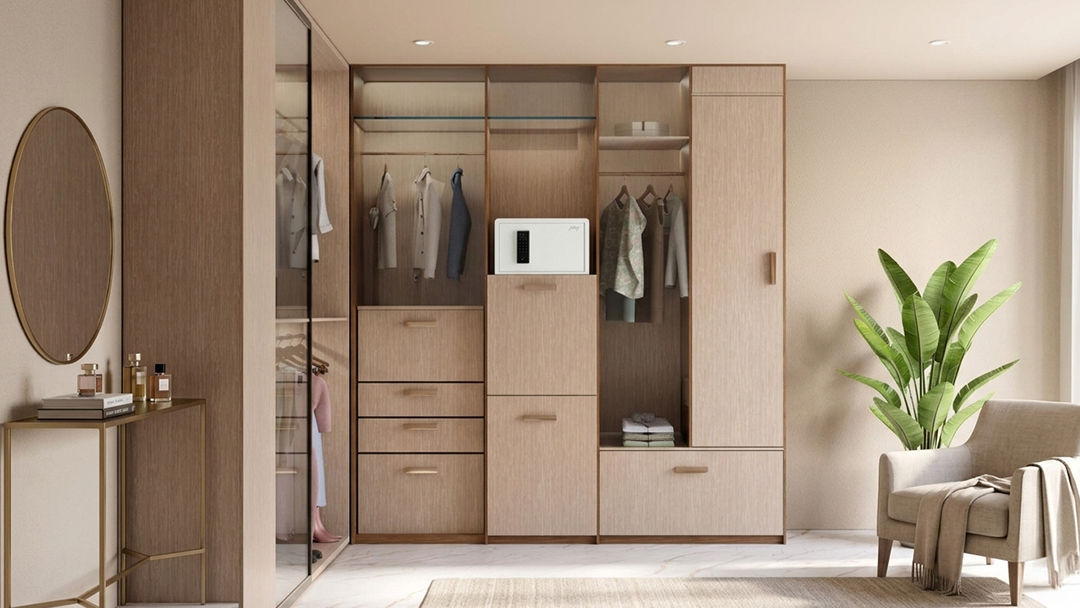
The NX Pro Ncrypt is the main consumer-facing launch here. It combines facial recognition, fingerprint authentication, and PIN access in a single home locker, allowing users to choose between single-mode or dual-mode security. For a category that has traditionally been sold on strength, build quality, and trust, the addition of face unlock is significant because it shifts the conversation towards convenience without removing the emphasis on safety.
Godrej says the system uses AES encryption and stores facial data as secure digital templates rather than actual images. That detail matters because biometric security products need to answer privacy concerns as clearly as they answer convenience concerns, especially inside homes where users are likely to be more sensitive about data storage and access control.
Connected Homes Are Becoming the Bigger Play
The locker is only one part of the larger smart home pitch. Godrej also showcased a connected home experience powered by Advantis IoT9, where unlocking the door through biometrics can trigger preset actions inside the house. Lights can adjust, the air conditioner can move to a preferred temperature, and the home can shift into a personalised mode without the user manually controlling every device.
This is where the story becomes larger than a product launch. Indian smart home adoption has often been led by individual devices such as smart speakers, lights, cameras, and locks, but the next phase is likely to be about how these devices work together. Godrej is trying to position access as the starting point of that experience, where entering the home becomes the trigger for a more personalised living environment.
Hotels Get a Web-Based Access Solution
Godrej also introduced a web-enabled connected lock solution for hotels, serviced apartments, premium rentals, and managed living spaces. Instead of using keycards or asking guests to download a separate app, the system allows room access through a secure web link on the guest's phone. The company says this can reduce waiting time during check-ins and check-outs, while also helping operators manage access more efficiently.
This is a useful extension of the same idea because hospitality has a very visible access problem. Lost keycards, disabled cards, reception queues, and app fatigue can all weaken the guest experience, even when the rest of the stay is premium. A browser-based system reduces one layer of friction by avoiding both physical cards and app downloads, which could be particularly useful for short-stay travellers and frequent business guests.
Why Godrej Is Framing This as a Long-Term Bet
The launches are backed by a ₹100 crore investment commitment over the next three years for digital, connected, and consumer-centric security solutions. That gives the announcement more strategic weight because Godrej is not only adding smart features to existing categories but also signalling that connected access will be a larger part of its security portfolio.
For Godrej, the timing is important. The company has deep legacy in locks and security products, but the category is changing as consumers become more comfortable with biometrics, app-based controls, and automated home settings. The challenge now is to make these systems feel reliable and practical rather than gimmicky, especially in a market where after-sales support, privacy, and ease of use can decide whether smart home products move beyond early adopters.
Security Is Moving From Hardware to Everyday Experience
Godrej's Smart Home Expo showcase works best when seen as a shift in positioning rather than just a set of product launches. The face-recognition locker gives the company a strong consumer hook, but the larger story is about access becoming more connected across homes, hotels, and managed spaces.
For users, the promise is fewer steps and more intuitive control. For businesses such as hotels and serviced apartments, the value lies in reducing friction at entry points without adding another app or device dependency. If Godrej can balance convenience with privacy and reliability, this could help move smart security from a premium novelty to a more mainstream part of modern Indian homes and hospitality spaces.