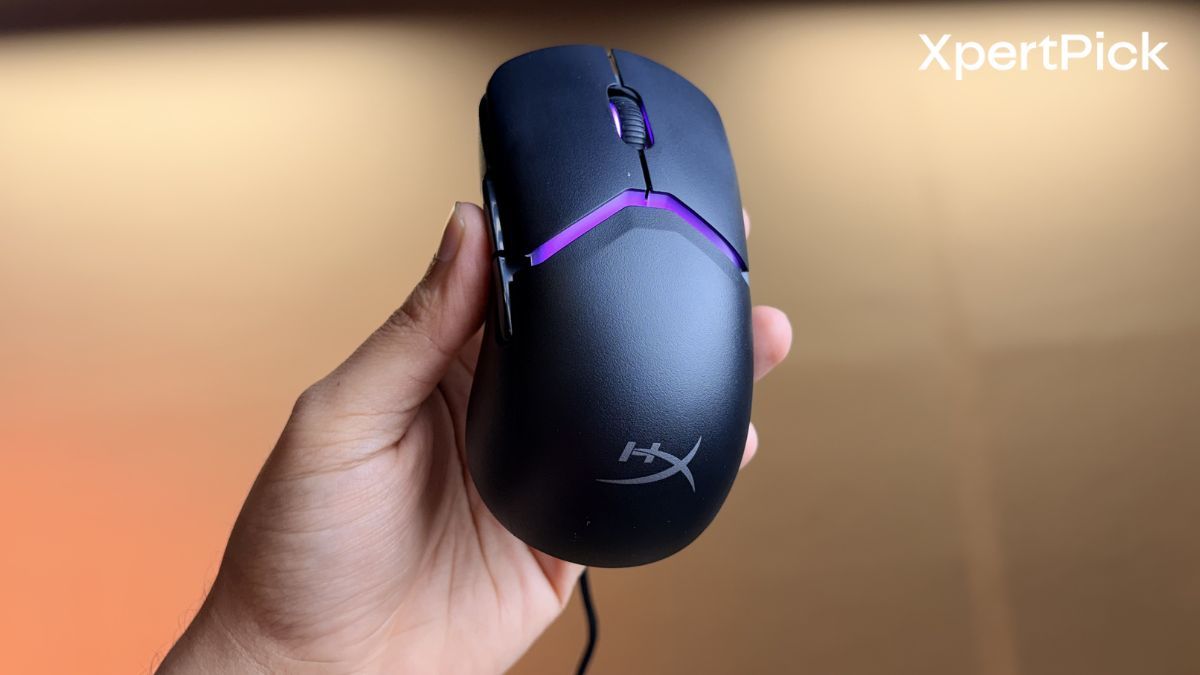
The HyperX Pulsefire Saga takes a very different route from most gaming mice in this segment. Instead of asking users to adapt to a fixed shape, HyperX has built a mouse around the idea that shape itself should be adjustable. That makes it one of the more interesting options for competitive players who care as much about fit as they do about raw tracking performance.
What Is Good?
- Highly modular design with 16 stock shape combinations
- Official 3D-printable parts add long-term customization value
- Strong competitive specs including 8K polling and optical switches
- Very light for a mouse with interchangeable components
What Is Bad?
- Wired-only design limits appeal for wireless users
- NGENUITY is needed for full feature access
If you have been curious about whether its modular design is actually useful or just a gimmick, there is quite a bit to unpack before making a purchase.
Design and build: A mouse built around experimentation
The Pulsefire Saga’s biggest appeal is its swappable construction. HyperX has used a magnetic, tool-free system that lets users change parts of the shell, main buttons, and side buttons without much effort. In the retail box alone, you can create up to 16 different physical configurations, which is unusual for a gaming mouse at this weight.
That flexibility matters because mouse shape is deeply personal. Some players prefer a flatter profile for fingertip grip, while others want more support for claw or palm use. Instead of locking buyers into one form factor, HyperX gives them room to experiment.
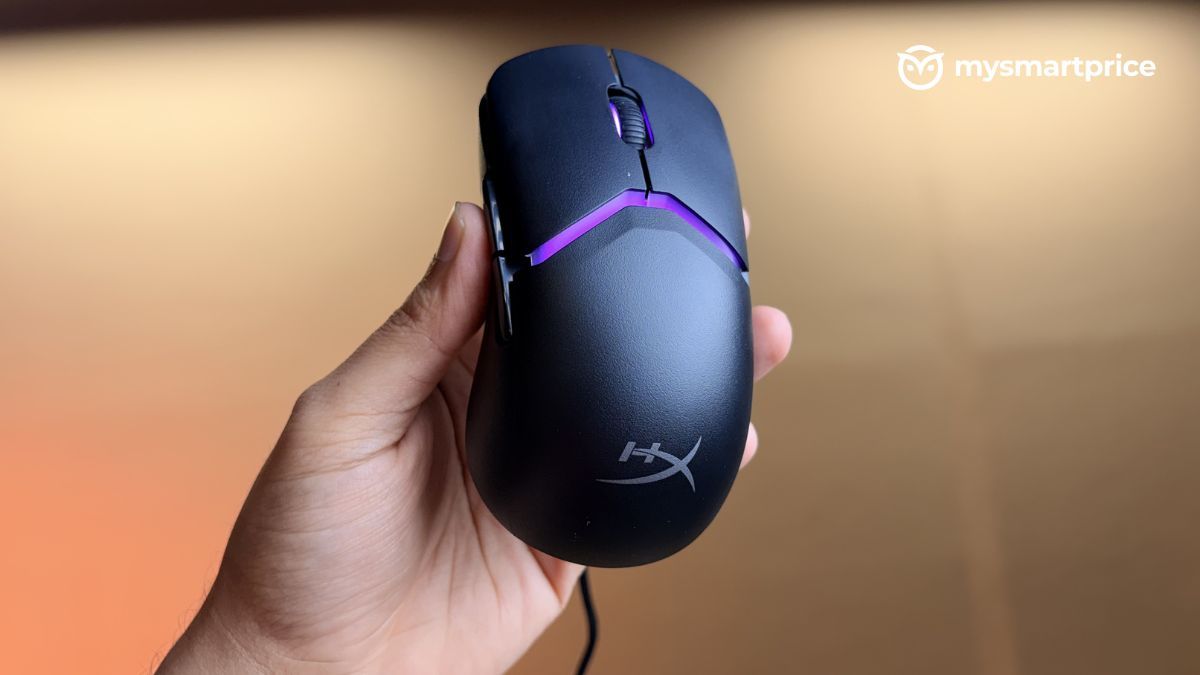
What makes the concept even more compelling is the brand’s support for the enthusiast crowd. HyperX has made official 3D-printable files available, so users with access to a 3D printer can go beyond the stock parts and create custom components of their own. For people who enjoy tweaking their setup, that opens the door to a level of personalization that is still rare in the mainstream gaming peripheral market.
Even with all this modularity, the Pulsefire Saga keeps its weight down to 69 grams in the standard setup. That puts it comfortably in lightweight territory and makes it especially appealing for FPS players who use low sensitivity and rely on broader arm movement.
Performance: Competitive-grade hardware underneath
The modular shell would not mean much if the hardware inside felt average, but HyperX has not cut corners here.
The mouse supports an 8,000Hz polling rate, which is far beyond the 1,000Hz standard found on most conventional mice. In real use, the benefit is most noticeable for competitive players using fast refresh rate displays, where cursor movement can feel cleaner and more responsive.
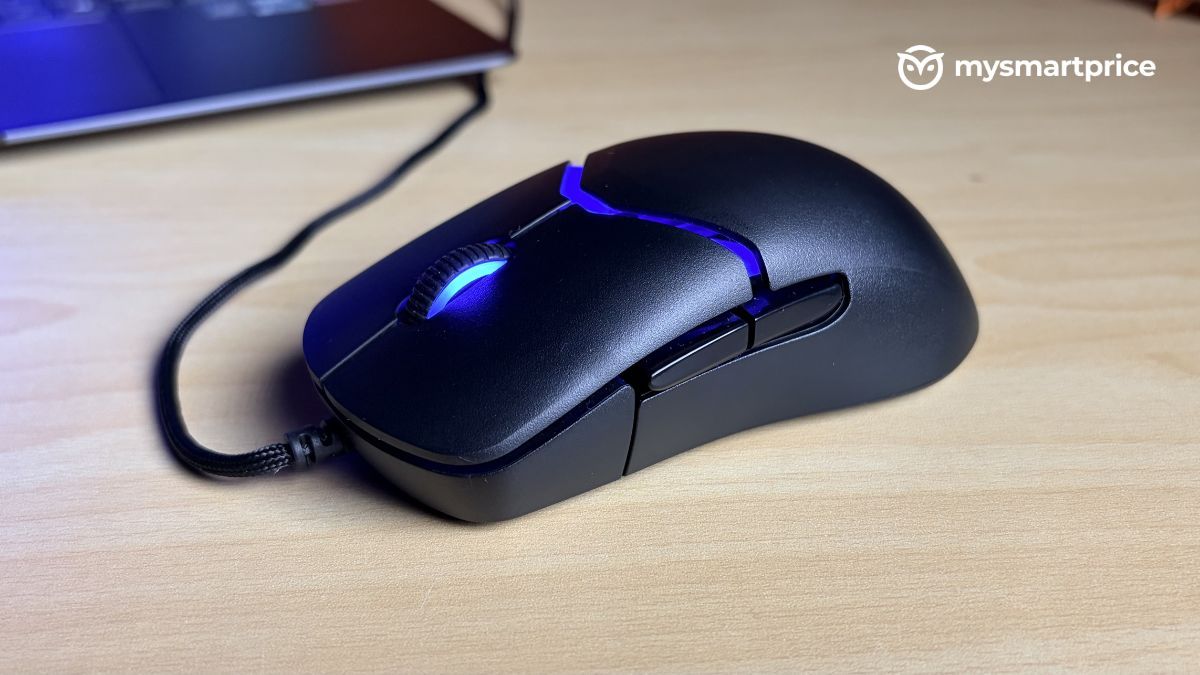
HyperX has also gone with optical switches instead of traditional mechanical ones. That helps reduce latency and avoids the long-term double-clicking issues that can show up as mechanical switches age. For players who click rapidly in shooters or MOBAs, that extra consistency does matter.
Sensor performance is also firmly in flagship territory. The Pulsefire Saga offers up to 26,000 DPI, 650 IPS tracking speed, and 50G acceleration. In practical terms, that means it is built to keep up with aggressive flicks and fast hand movement without losing tracking stability.
Accessories and software: A generous package with a few trade-offs
The mouse uses HyperX’s HyperFlex 2 cable, which is designed to stay light and flexible while reducing drag during movement. It is not detachable, which is a slight drawback from a convenience and durability standpoint, especially for users who travel with their gear. Still, the paracord-style design should make it less intrusive during actual gameplay.
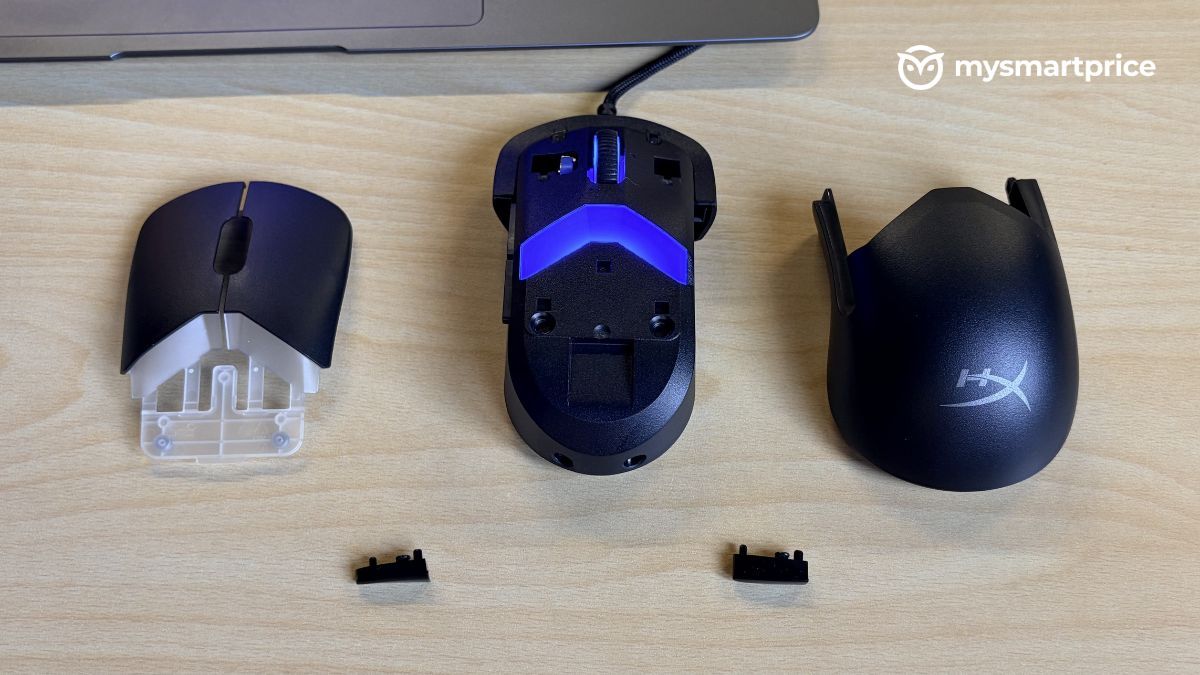
HyperX does include a healthy set of extras in the box. Buyers get grip tape, spare PTFE feet, additional button covers, alternate shells, alternate side buttons, and the usual paperwork. It feels like a package that is meant to be explored rather than simply plugged in and forgotten.
Software duties are handled through HyperX NGENUITY. This is where you can adjust RGB lighting, customise DPI stages, remap the six programmable buttons, and enable the 8K polling mode. NVIDIA Reflex support is also present for latency analysis. The main caveat is that some of these deeper settings depend on the software, and they are not fully portable between systems beyond the single onboard memory profile for basic preferences.
Verdict
The HyperX Pulsefire Saga feels like a gaming mouse made for people who are unusually particular about shape, grip, and fine-tuning. That is a compliment. It delivers the kind of sensor and switch performance you would expect from a serious competitive mouse, while also giving users a rare amount of physical control over how the device actually feels in hand.
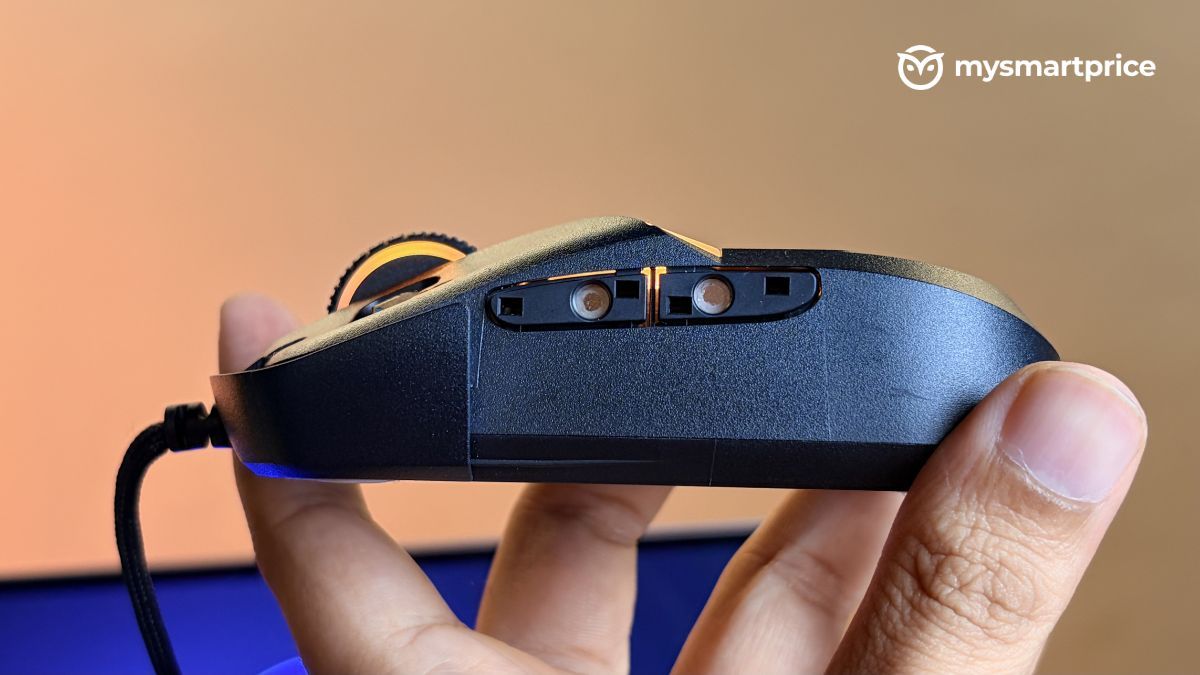
It will not suit everyone. If wireless freedom is non-negotiable, this is not the right pick. And if you prefer a simpler plug-and-play experience, the modular approach may feel like more than you need. But for enthusiasts, tinkerers, and competitive players who have never quite found their ideal shape, the Pulsefire Saga stands out as one of the more genuinely original mice in its category.
Pros
- Highly modular design with 16 stock shape combinations
- Official 3D-printable parts add long-term customization value
- Strong competitive specs including 8K polling and optical switches
- Very light for a mouse with interchangeable components
Cons
- Wired-only design limits appeal for wireless users
- NGENUITY is needed for full feature access