Every year, Google launches a Pixel phone that sparks debate. The cameras are usually excellent, the software experience is clean, but the competition often offers better hardware for the price. However, there is one thing that Google has improved this year, and it feels even better with the Rs 49,999 ‘affordable’ phone, the Pixel 10a.
Google Pixel 10a
Rs 49,999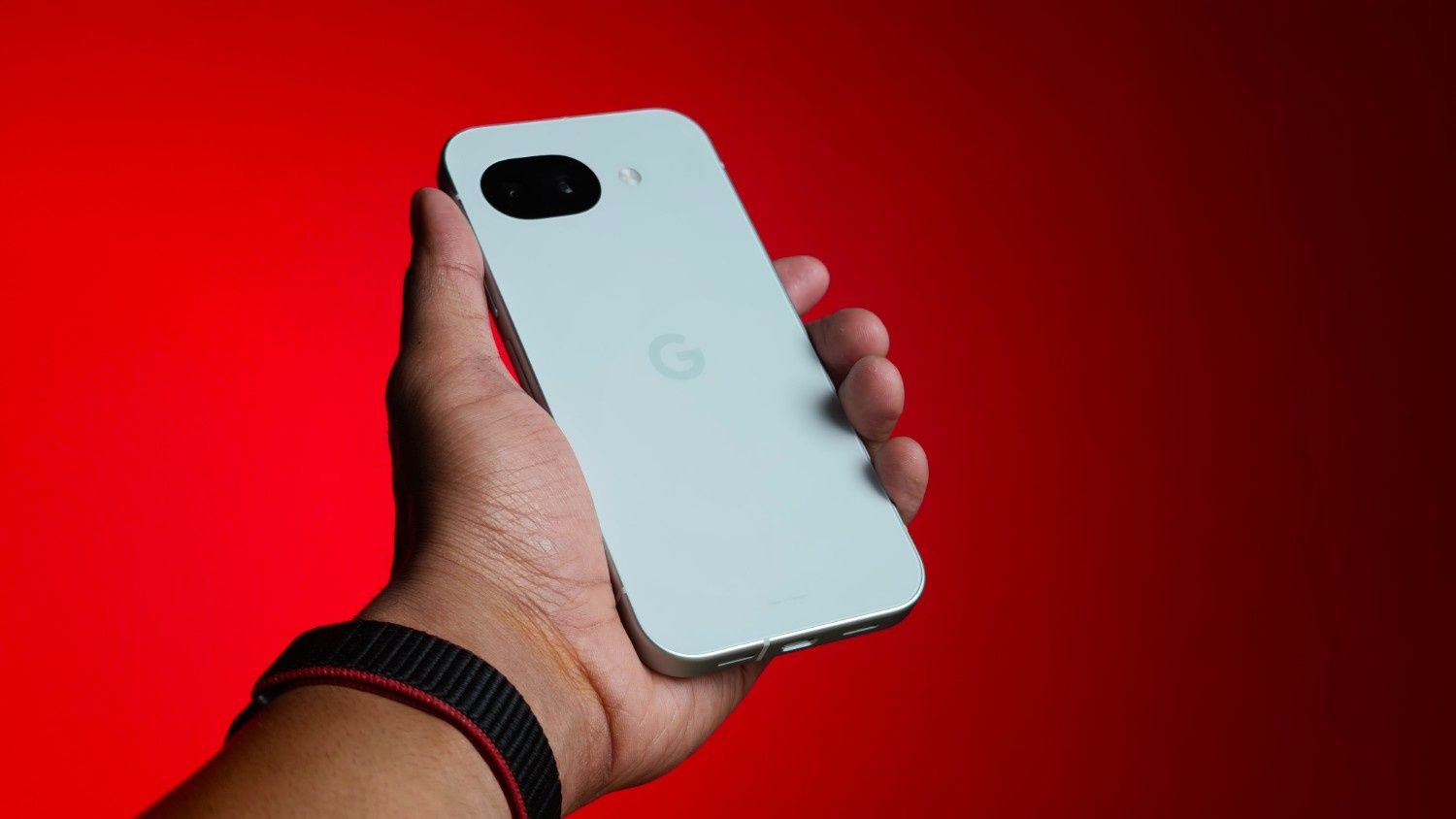
What Is Good?
- Easy to carry
- Clean and smooth software experience
- Bright and well-tuned display
- Good battery life for daily use
What Is Bad?
- Still no telephoto camera
- Thick bezels
- Underwhelming performance for the price
The Google Pixel 10a shares many features with its predecessor, the Pixel 9a. It comes with the same 6.3-inch 120Hz P-OLED display, a Google Tensor G4 processor, the same dual camera setup, a 5100mAh battery, and an identical design as well.
I have been using the Google Pixel 10a for a couple of weeks now, and while I might go for other options in this price segment, you can actually end up buying this phone. Here’s everything explained!
Google Pixel 10a Is CUTE!
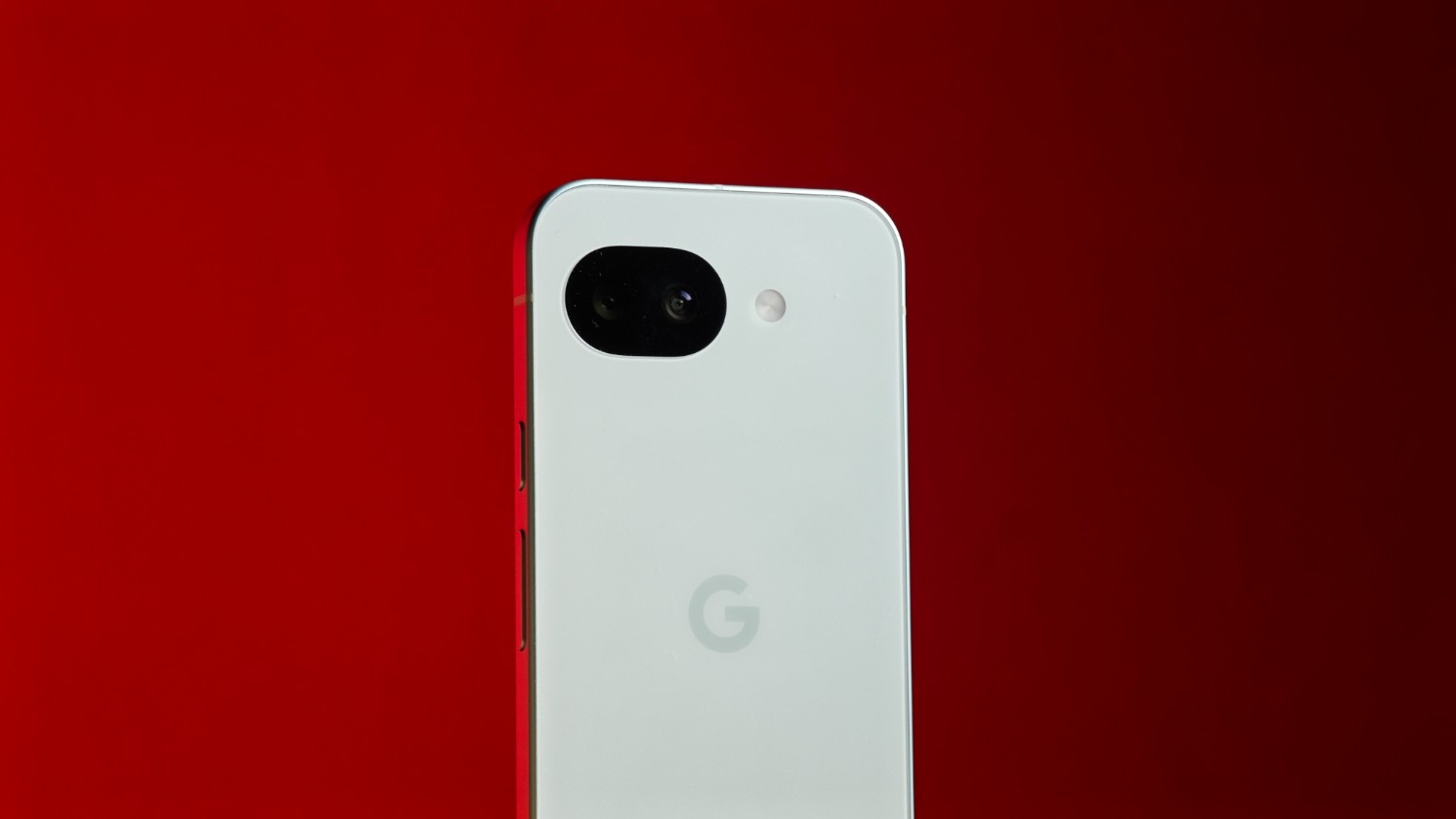
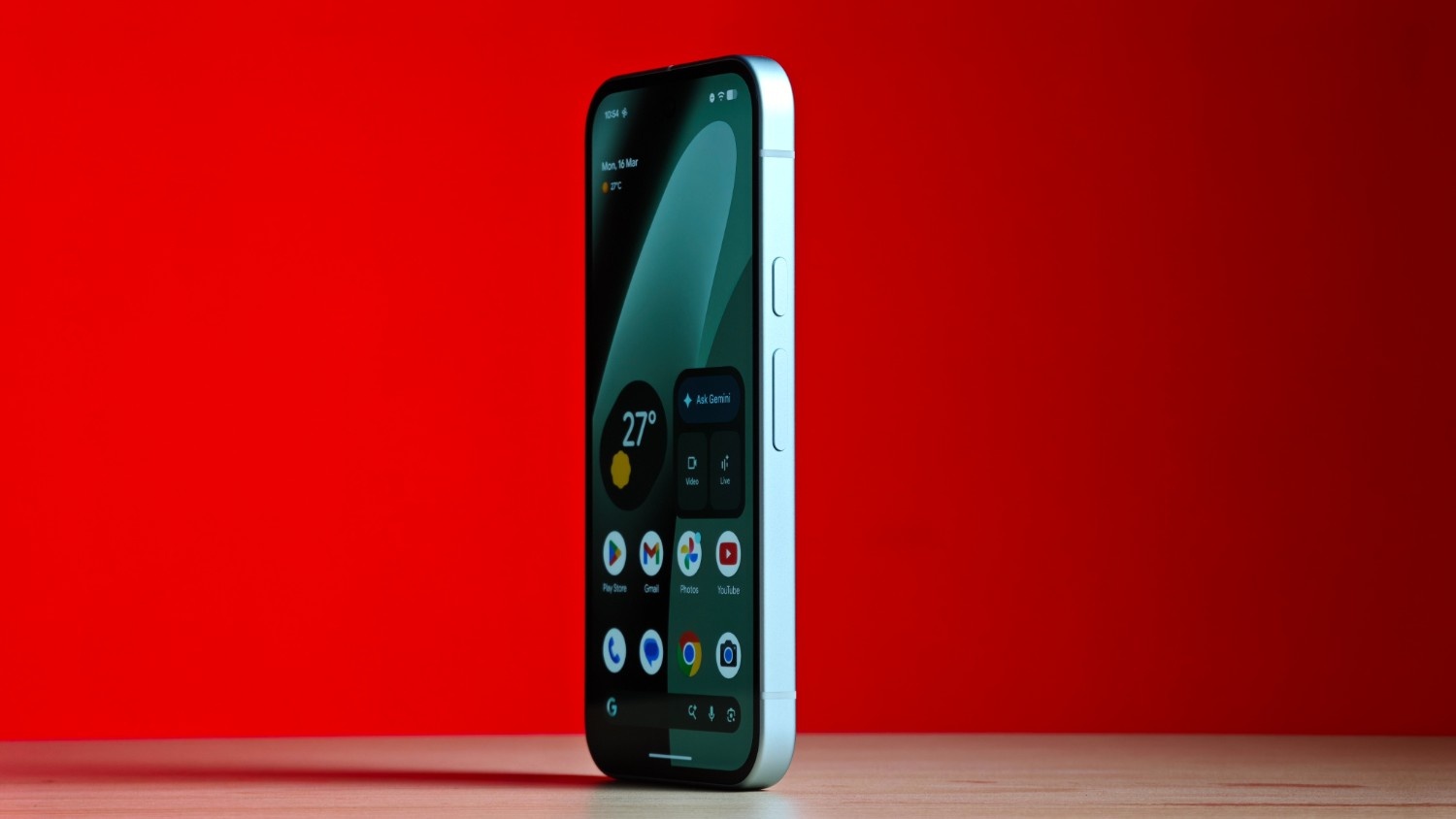
Design is one of the best features of the Google Pixel 10a. This phone is small, light, and pretty easy to carry around. It measures 9mm in thickness and weighs 183 grams. Though iPhones such as the iPhone 16 and iPhone 17e are thinner as well as lighter than the Pixel 10a. Furthermore, I think the Pixel 10a is cute, especially the Pink colour. This is something we don’t really have in smartphones. I mean, if a toy like Labubu exists, why can’t there be ‘cute phones’? I know not a lot of people will spend Rs 49,999 on a smartphone that looks cute, but there is still a market that desires one.
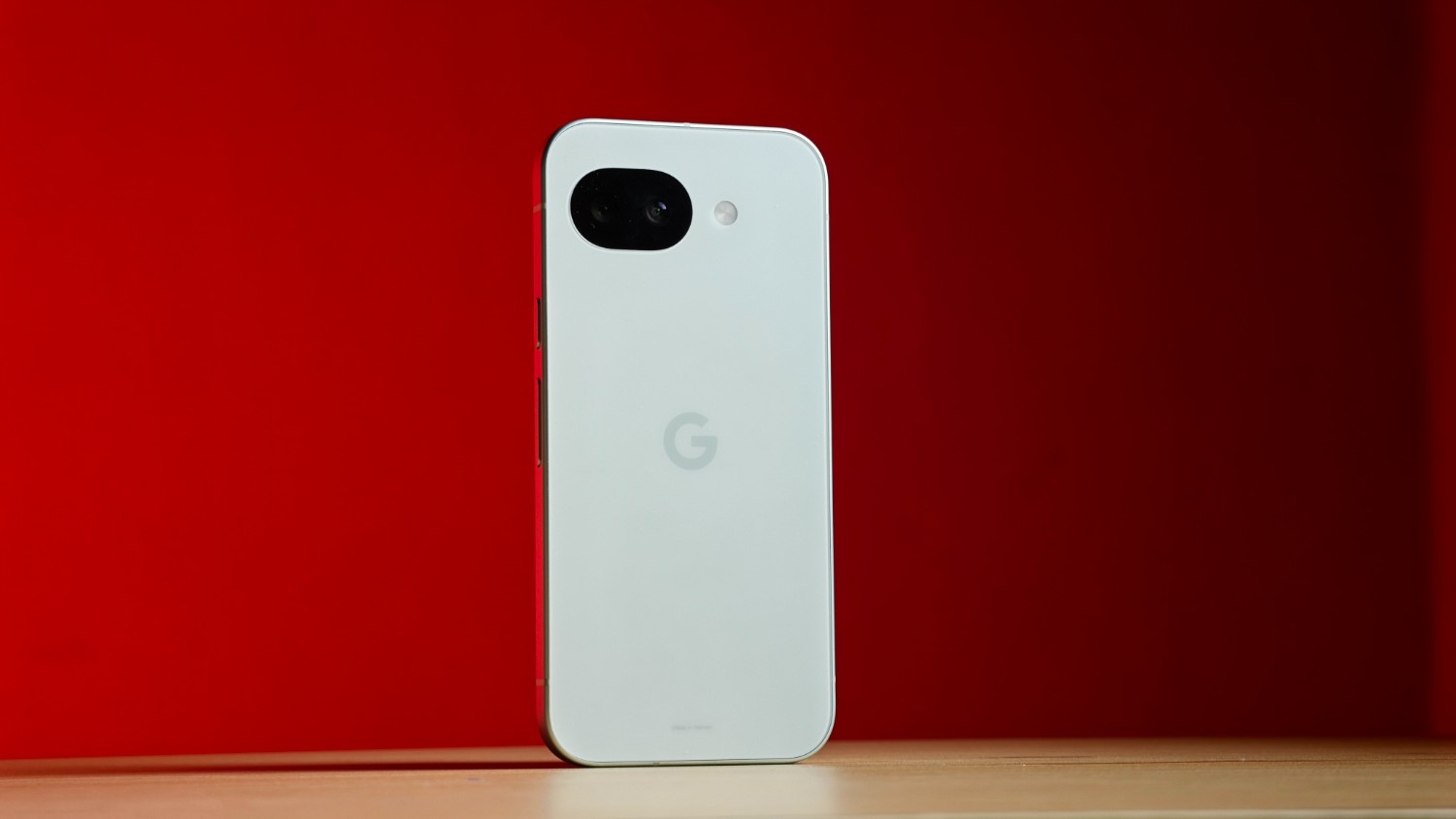
Coming to its durability, the Pixel 10a comes with an IP68 rating against dust and water, has Gorilla Glass 7i on the screen (thank god), aluminium frames, and a plastic back. To sum it up, accidental bumps and light impacts on this phone won’t do anything. However, with that weight and thickness, if the phone drops on a hard surface, it is very likely to get some scratches as well as dents on the frame.
Like last year, the Pixel 10a has a flat display, and there is one thing I did not like about it – thick bezels. In 2026, when brands like Samsung are introducing ultra-thin bezels with all-display screens, I’d expect more from Google.
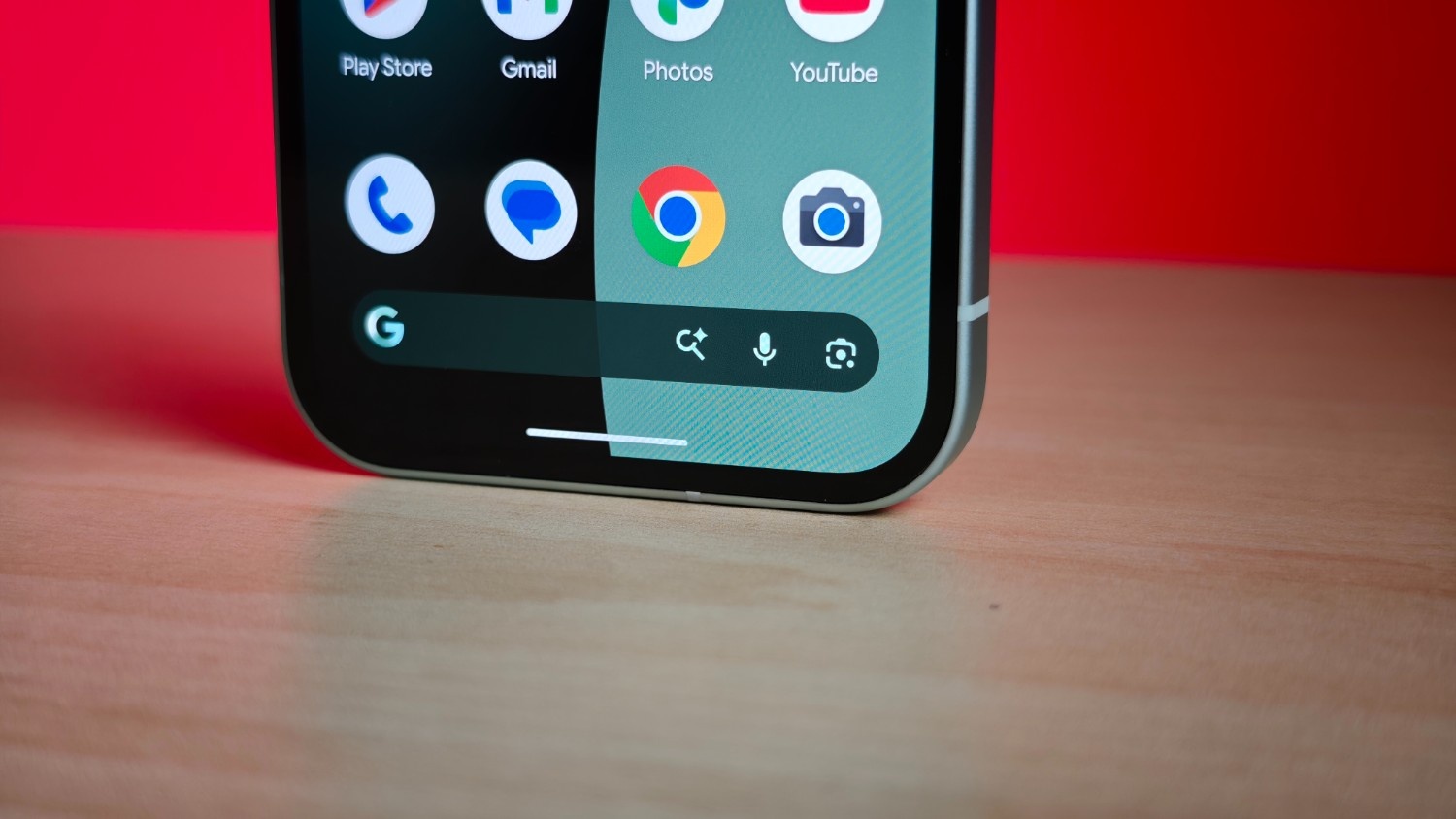
However, once you get used to a smartphone, you don’t really notice thick bezels, but it’s also unfair to be okay with it when smartphones at the same price come with much thinner bezels.
So, if you are a fan of the iPhone’s iterative design, the Google Pixel 10a gives you a lot of that vibe. Overall, Google has done a pretty good job with the Pixel 9a’s design. Yeah, 9a, because not a lot has changed.
The Display Draws You In, The Software Keeps You There
The Google Pixel 10a is equipped with a 6.3-inch P-OLED display that supports a 120Hz refresh rate. One thing that should have been higher is the resolution, as it comes with FHD+ resolution. But here’s the fun part – during my usage, the display did full justice to this price.

Starting with brightness, Google has improved it from last year. According to our lux meter test, we recorded a peak brightness of 2540 nits. This is just enough to use this phone outdoors as well as indoors. And yes, the adaptive tone is still there, changing the temperature of the display based on the ambience.
The Pixel 10a is slick because of its 120Hz refresh rate, and it feels fun just to scroll through the smartphone. Speaking of the colours, we know Google’s primary goal is to make everything natural, be it display colours, picture colours, or overall usage. The HDR works really great on this panel, as the dark scenes are visible with good vibrancy, and bright scenes are not over-processed.
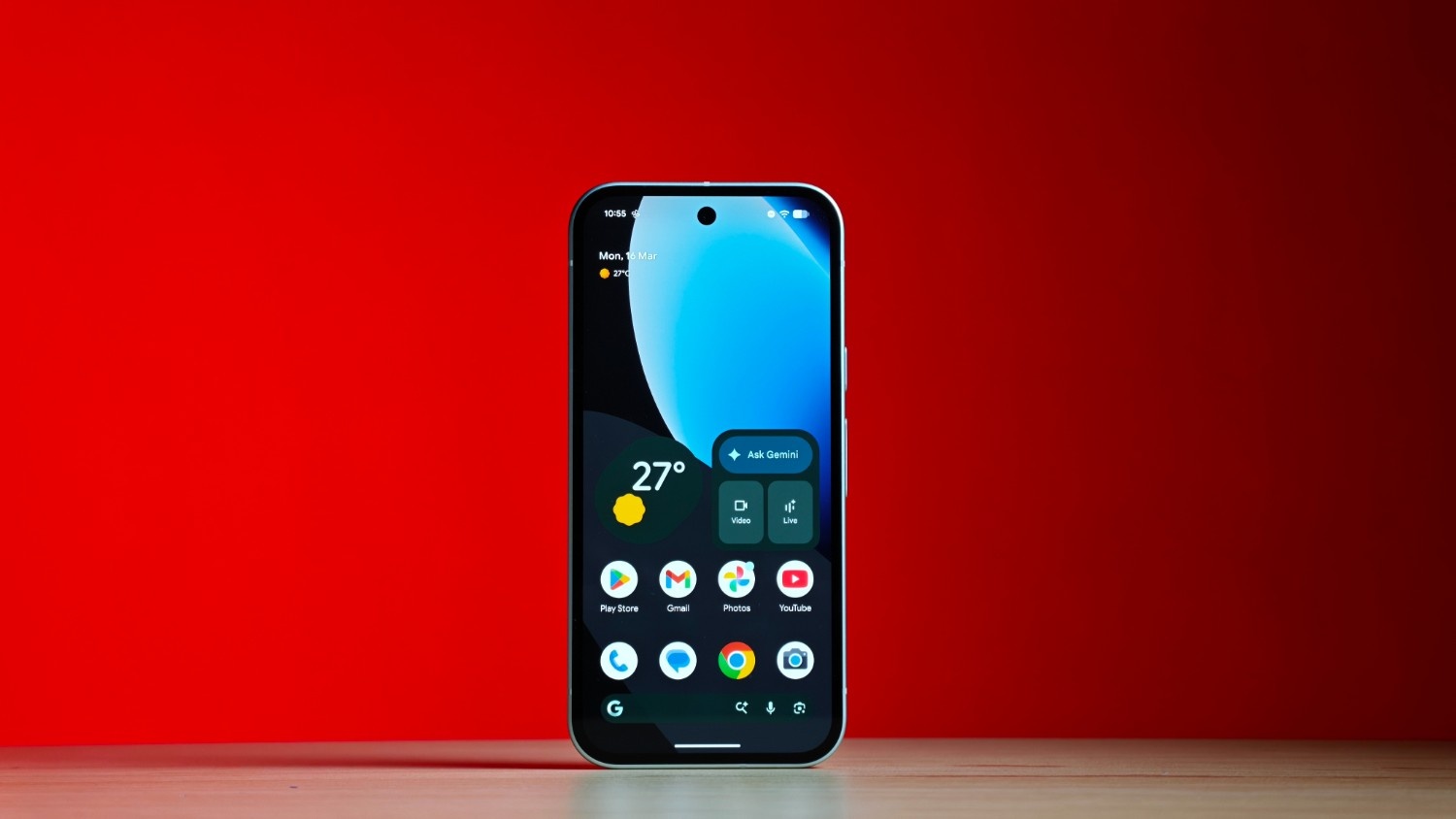
I think what makes this display even greater is the stock Android 16. Remember when you had to choose iPhones only to get a slick, clean, modern experience? Well, that’s gone with the Android OS now. Trust me, the Pixel 10a gives you that rich experience, and major credits go to its OS.
Google Pixel 10a Is Not Very Powerful, But… Useful Actually
Well, we all know what happens on Pixel phones when you try to see them as performance-focused phones – they don’t deliver. But the real question is: how many power users will opt for the Pixel 10a? I believe none, they have other options for that. As I said earlier, if you want to get a smartphone for your kids, you might not need a very powerful phone, unless they play games like BGMI.
Even with a 120Hz display and a Tensor G4 chipset, BGMI gameplay is limited to 60FPS. I am flagging this out because smartphones at half their price are providing better graphics settings, and even their competitors seem to be better. The iPhone 17e also supports 60 FPS in BGMI, but that’s when it has a 60Hz panel, unlike the Pixel 10a’s 120Hz panel.
To give you a sneak peek at how powerful the Pixel 10a is compared to its competitors, here’s the AnTuTu score:
We know the Google Pixel 10a is not the most powerful phone in the segment, and we were not even expecting it to be. That’s why there’s always a second perspective, a perspective of non-power users. At Rs 49,999, Google seems to be selling a smooth overall experience with app optimisations, neat interfaces, slick transitions, and more. Sure, it doesn’t beat the iQOO 15R in performance, but neither do the iPhone 16 or iPhone 17, if that helps you understand what I am trying to say.
Same Old Camera Setup
Google is known for its smartphone cameras, and the Pixel 10 series has already done a decent job in that department. The Pixel 10a follows the same philosophy, featuring a 50-megapixel main camera that captures sharp, colour-accurate photos along with a 13-megapixel ultrawide lens that delivers fairly consistent detail.





The portrait shots look natural with good skin tones, but they can be improved. If you look closely, the edge detection is not very effective here, as the edges are getting flaky. Apart from this, it also seems to be smoothing faces. Whereas, on most phones, portrait shots appear sharp.




I think the best camera feature on the Pixel 10a is its low-light photography. It controls light very well, maintains good HDR, and enhances images in a way that they neither look overprocessed nor dull.




That said, there are two notable limitations. First, the hardware remains unchanged from the previous generation, which makes the upgrade feel less compelling. Second, and more importantly, the absence of a telephoto sensor is hard to ignore at this price point. In 2026, most smartphones in the Rs 50,000 segment, such as the Vivo V70 Elite, Oppo Reno 15, Realme GT 7, and Nothing Phone 4a series, offer capable telephoto cameras, which significantly improve portrait and zoom photography. As a result, while the Pixel 10a delivers strong primary camera performance, it lacks the versatility that many of its competitors now provide.
Is The Battery Good?
According to our PCMark battery life test, the Pixel 10a lasted for 16 hours and 40 minutes. This consumption was 100% to 20%. Speaking realistically, the Pixel 10a can last for a day and a half on a single charge with moderate use. It has a 5100mAh battery, the same as last year, but Google has upgraded the charging.
The Pixel 10a supports 30-watt fast charging and 10-watt wireless charging. During my charging test, I charged the Pixel 10a from 0 to 100% in about 2 hours.
My Take
So, if you have read the entire review, you know there are hits and misses. The reason I said I might purchase another phone over the Pixel 10a is the lack of a telephoto sensor. I like photography, and almost all smartphones around this price come with a telephoto sensor.
Now, let me tell you why someone can actually buy this phone. As I said, Google is not selling numbers and specifications. It’s the premium experience that it wants you to have. When people buy the iPhone 17 with a small battery, a weak processor, and underpowered cameras compared to smartphones like the Vivo X300, the reason is evident – they want a rich and premium experience from their companions. With the Google Pixel 10a, you get that. Its compact size makes it super easy to carry, the bright and responsive display is enjoyable to use, and Android 16 adds the cherry on top to the overall experience. So, if you want to have a bit of that world and a bit of this world, the Pixel 10a is the device.