For years, POCO phones followed a very predictable formula. Deliver the fastest chipset possible, lean heavily into gaming, add aggressive styling, and undercut rivals on pricing. It worked because raw performance was often enough to overlook everything else.
Poco X8 Pro
Rs 31,999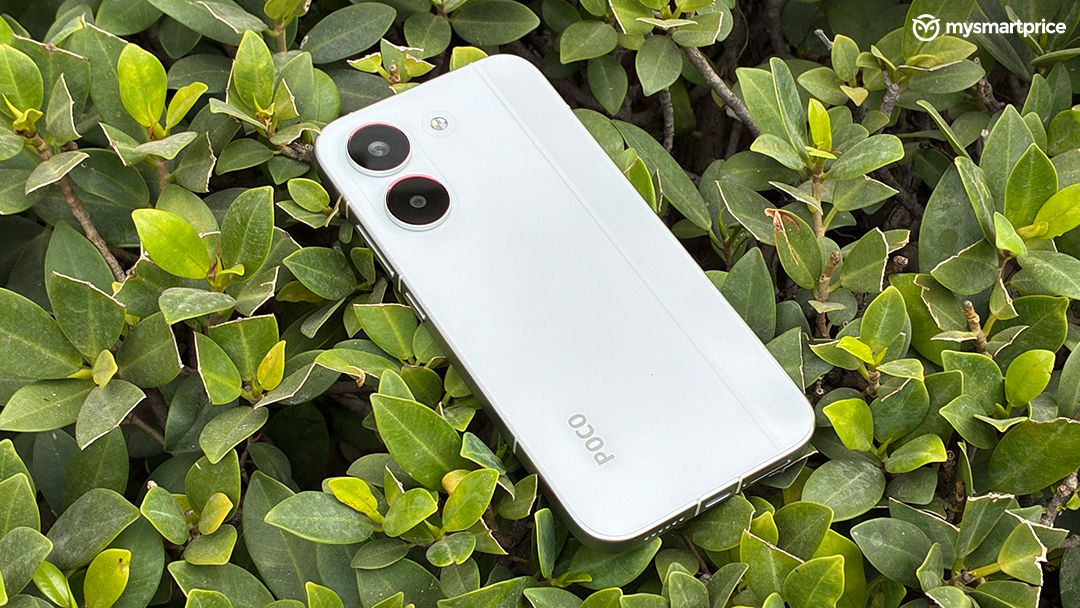
What Is Good?
- Excellent gaming performance
- Ultrasonic fingerprint scanner
- Strong thermal management
- Excellent battery life
- Reliable primary camera
What Is Bad?
- Ultrawide camera feels average
- No dedicated telephoto lens
- Slightly heavy during extended use
- No wireless charging
The POCO X8 Pro feels like the first X-series phone that genuinely evolves beyond that formula. Performance still sits at the centre of the experience, but this time POCO has clearly spent more effort refining the rest of the package instead of building a phone that exists only for benchmark charts. The result is a device that feels considerably more mature without losing the identity that made the X-series popular in the first place.
Design and Build
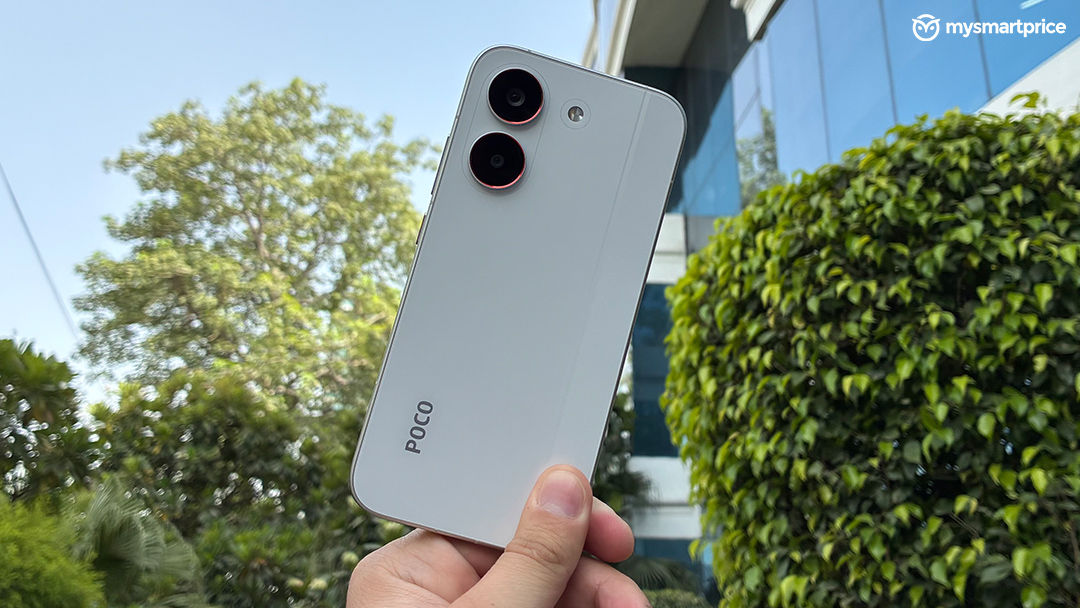
The biggest surprise about the POCO X8 Pro is how restrained it looks.
Older X-series devices often leaned heavily into flashy gamer-inspired aesthetics with oversized branding, racing-stripe patterns, and loud accents. The X8 Pro moves in a cleaner direction. The rear panel looks more minimal, the camera module integrates more naturally into the design, and the overall look feels closer to a premium upper mid-range smartphone than a typical gaming-focused device.
According to me, the White variant especially stands out. It has a clean finish that feels understated without looking boring. The phone measures 8.38mm thick and weighs 201.47 grams, so it is not particularly light. That said, the proportions remain manageable during extended gaming sessions or daily use. The flat frame design also improves grip during landscape gaming.
POCO has included Corning Gorilla Glass 7i protection on the front alongside IP68 dust and water resistance, which adds a reassuring layer of durability for everyday usage. Overall, the X8 Pro feels like a far more polished and mature interpretation of what a POCO phone can be.
Display
The POCO X8 Pro features a 6.59-inch 1.5K LTPS AMOLED display with a 120Hz refresh rate, and it is easily one of the strongest panels currently available in this segment.
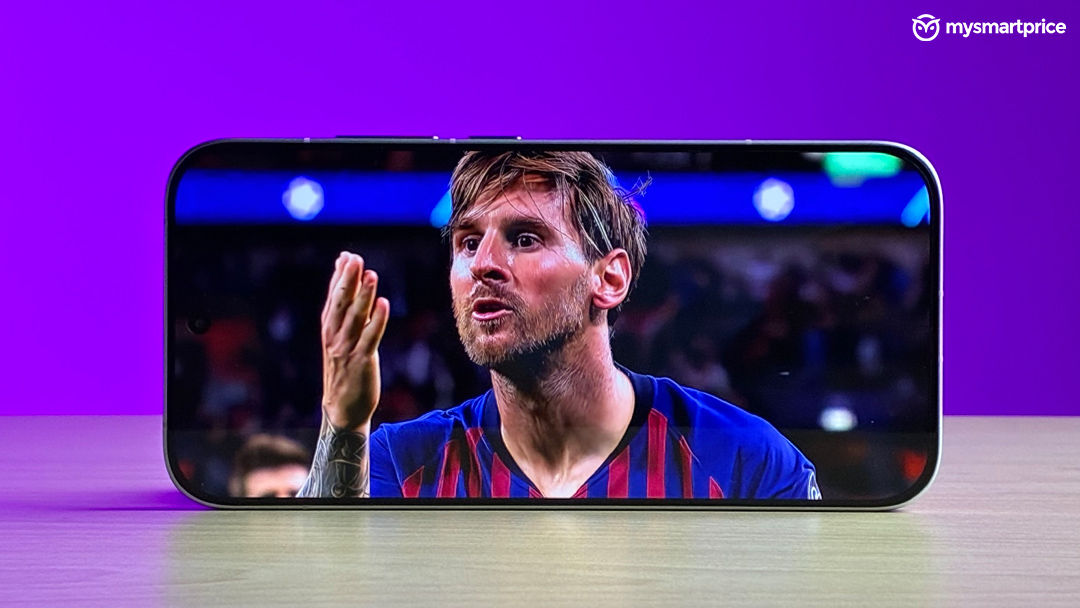
The display produces vibrant colours, deep blacks, and excellent contrast without appearing excessively saturated. Outdoor visibility is also very good, with the panel reaching up to 1,090 nits in auto brightness mode.
What makes the display stand out more during daily use is the 3,840Hz PWM dimming implementation. Lower brightness levels feel noticeably more comfortable during extended nighttime usage compared to many competing OLED panels.
POCO has also included Dolby Vision support, which genuinely improves HDR streaming across supported OTT platforms. Combined with the slim bezels and immersive panel quality, media consumption feels significantly more premium than the phone’s pricing would suggest. Another important upgrade is the ultrasonic in-display fingerprint scanner. Compared to the optical sensors still common in this segment, unlocking feels quicker, more reliable, and more consistent, especially in low-light conditions.
The Always-On Display limitation remains frustrating, though. The display still switches off after a short duration instead of remaining permanently active, which feels unnecessary in 2026. Still, taken as a whole, this is an excellent display experience for the segment.
Cameras
Historically, cameras have never really been the reason to buy a POCO phone.
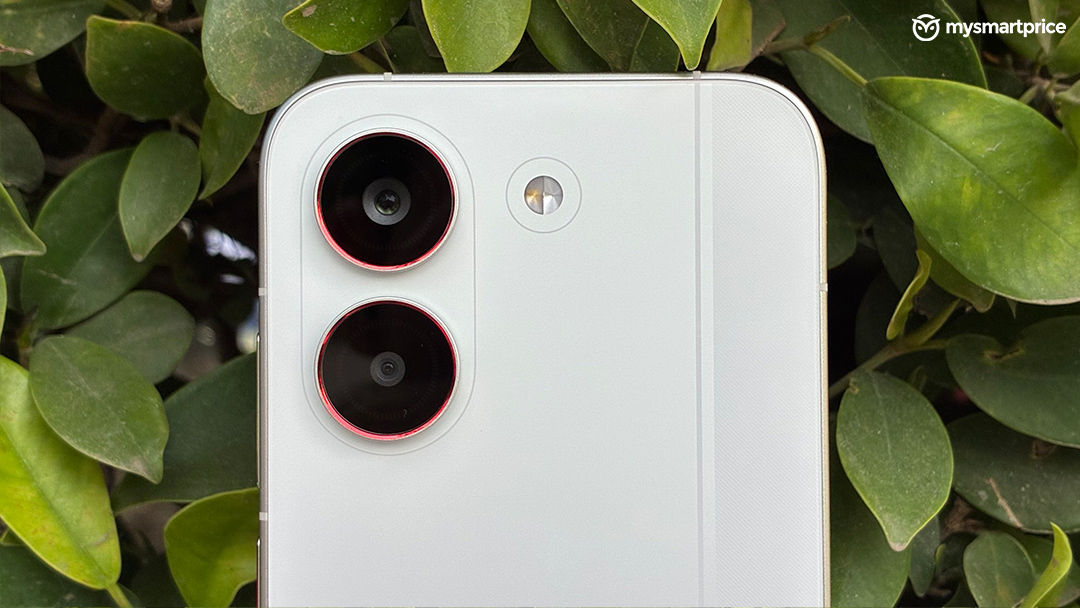
The X8 Pro does not completely change that narrative, but it is comfortably the most dependable camera experience on an X-series device so far. The rear setup includes a 50MP Sony IMX882 primary sensor with OIS alongside an 8MP ultrawide camera. In daylight conditions, the primary camera captures images with solid detail, balanced colours, and good dynamic range.










During our time with the phone, we found that the low-light performance of the phone was better than what we expected. The f/1.5 aperture combined with optical image stabilisation helps preserve detail while controlling noise effectively. Night shots generally avoid the overly processed look that affects many mid-range phones.
The ultrawide camera is less convincing. It performs adequately during daytime usage, but image quality drops noticeably in lower light. Colour consistency between the primary and ultrawide sensors could also be better. Since there is no dedicated telephoto lens, zoom performance relies heavily on digital cropping. Results remain usable at 2x, but softness becomes increasingly noticeable beyond that point. The 20MP front camera performs reliably for selfies and video calls, while rear video recording supports 4K at 60fps with stable footage during movement.
Overall, the cameras feel far more capable than older POCO devices, even if imaging still is not the phone’s biggest strength.
Performance and Gaming
This is still where the X8 Pro separates itself from most competitors in the segment.
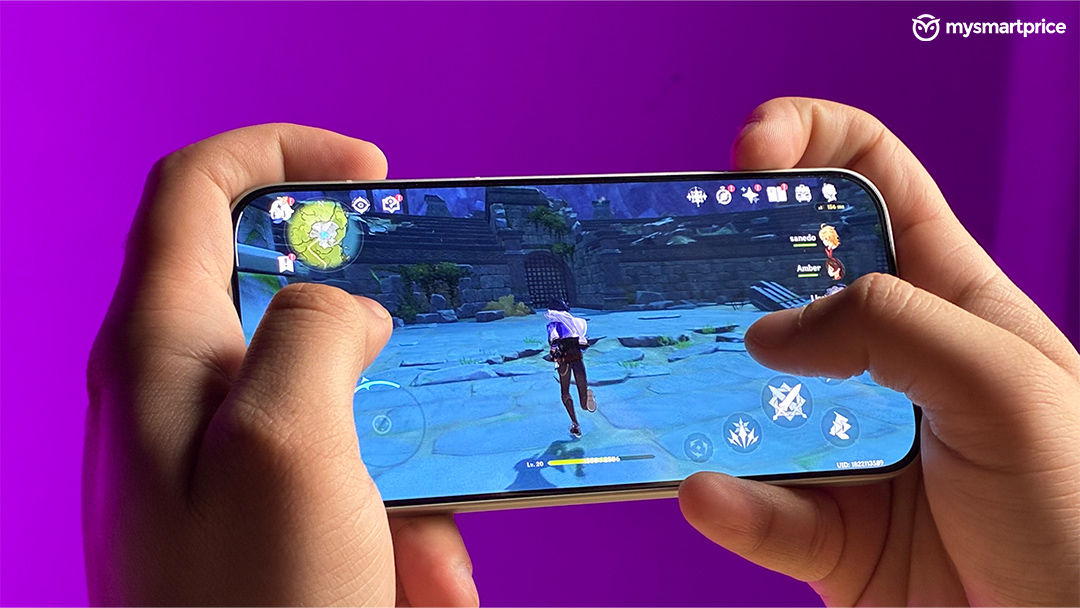
Powered by the MediaTek Dimensity 8500 Ultra, the phone delivers flagship-level responsiveness in everyday use. App launches are instantaneous, multitasking feels effortless, and animations remain consistently smooth.
Benchmark numbers reflect the performance advantage clearly.
| Smartphone | Geekbench Single-Core | Geekbench Multi-Core |
| POCO X8 Pro | 1,740 | 6,705 |
| Nothing Phone 4a | 1,261 | 3,319 |
| Moto Edge 70 | 1,330 | 4,174 |
GPU performance shows an even larger gap.
| Smartphone | Geekbench GPU Score |
| POCO X8 Pro | 14,055 |
| Moto Edge 70 | 4,797 |
| Nothing Phone 4a | 3,535 |
But the benchmark scores only tell part of the story.
Games like BGMI and Genshin Impact run extremely well at high settings with stable frame pacing at over 96FPS and 58FPS with responsive touch controls. What stands out more is the thermal management.
Many performance-oriented devices in this category become uncomfortable during longer gaming sessions, but the X8 Pro maintains its performance surprisingly well without excessive heat buildup.
In the 3DMark Wild Life Extreme stress test, the phone achieved a best loop score of 4,232 with 69.3% stability.
| Smartphone | Best Loop Score | Stability |
| POCO X8 Pro | 4,232 | 91.4% |
| Nothing Phone 4a | 1,116 | 99.4% |
| Moto Edge 70 | 2,077 | 85.2% |
Yes, some competing phones deliver higher stability percentages, but they are also operating at significantly lower performance levels. Considering the level of power the X8 Pro is sustaining, its thermal behaviour remains genuinely impressive. If gaming performance is the top priority under Rs 35,000, this is one of the strongest phones currently available.
Battery Life
Battery life is another major strength.
The 6,500mAh battery comfortably lasts through a full day of heavy usage involving gaming, streaming, navigation, and camera use. Moderate users can comfortably stretch it into a second day.
In PCMark testing, the phone delivered 16 hours and 46 minutes of runtime.
| Smartphone | Battery Capacity | PCMark Runtime |
| POCO X8 Pro | 6,500mAh | 16 hr 46 min |
| Nothing Phone 4a | 5,400mAh | 16 hr 10 min |
| Moto Edge 70 | 5,000mAh | 12 hr 33 min |
The 100W HyperCharge support also improves daily usability significantly. Even brief charging sessions provide enough battery to comfortably get through several more hours of use.
Combined with the efficiency of the Dimensity 8500 Ultra, the X8 Pro delivers one of the most dependable battery experiences in this category.
Audio and Software
The stereo speaker setup performs well overall. The speakers get sufficiently loud, vocals remain clear, and Dolby Atmos noticeably improves immersion while gaming or watching content. Bass response is understandably limited, but the overall audio quality remains strong for this segment.
HyperOS also feels considerably more refined than older MIUI-based POCO software experiences. Animations are smoother, memory management is better, and the software generally feels less intrusive during daily use. That said, there are still occasional reminders that this is not a flagship-level software experience. Some pre-installed applications remain unnecessary, and notification behaviour can occasionally feel inconsistent.
Even so, compared to previous POCO devices, the software experience has clearly matured.
Verdict
The POCO X8 Pro feels like the most complete X-series phone POCO has delivered so far.
It still prioritises the raw performance that made the brand popular, but this time the rest of the experience feels far more refined. The display is excellent, gaming performance is among the best in the segment, battery life is genuinely impressive, and even the cameras are finally reliable enough for everyday use.
More importantly, the phone no longer feels like a device built purely around benchmark numbers. It feels like a properly balanced upper mid-range smartphone that also happens to deliver outstanding gaming performance. There are still compromises. The ultrawide camera remains average, the phone feels slightly heavy during longer sessions, and the Always-On Display limitation continues to feel unnecessary. But taken as a complete package, those issues are relatively minor. For users prioritising performance, battery life, multimedia, and sustained gaming under Rs 35,000, the POCO X8 Pro is one of the easiest recommendations in the segment right now.