The Xiaomi Pad 8 is Xiaomi’s latest attempt to refine its tablet formula without altering it too much. At first glance, the tablet looks almost identical to the previous generation, retaining the familiar metallic design and overall aesthetic. The changes lie beneath the surface. The device is now slimmer and lighter, yet accommodates a larger 9,500mAh battery, signalling Xiaomi’s continued focus on balancing portability with endurance.
Xiaomi Pad 8
Rs 43,999
What Is Good?
- Slim yet sturdy metallic build
- Reliable performance with stable thermals
- Productivity-focused software with useful multitasking
- Strong battery optimisation for all-day use
What Is Bad?
- The nano-texture LCD panel struggles in darker scenes
- Charging speed falls short of the bundled adapter
- Cameras remain largely functional
Those refinements arrive at a time when the Android tablet space is becoming increasingly competitive. New devices such as the Brave Ark tablet promise longer battery life and a more PC-like multitasking experience in a comfortable form factor. Meanwhile, the OnePlus Pad 3 continue to appeal to users looking for strong performance at a competitive price.
To see where the Pad 8 fits within this evolving landscape, I spent several days using it for work, entertainment, and gaming. Here is my detailed review.
Design and Build Quality
The Pad 8 offers an iterative but structurally impressive update over the Pad 7. It retains the familiar premium metallic unibody while refining the camera module with a cleaner ring flash.
The focus here is on refining the tablet’s dimensions for improved usability. Compared to the previous model, the Pad 8 is lighter and thinner, dropping from 500 grams and 6.16mm to 485 grams and 5.75mm.
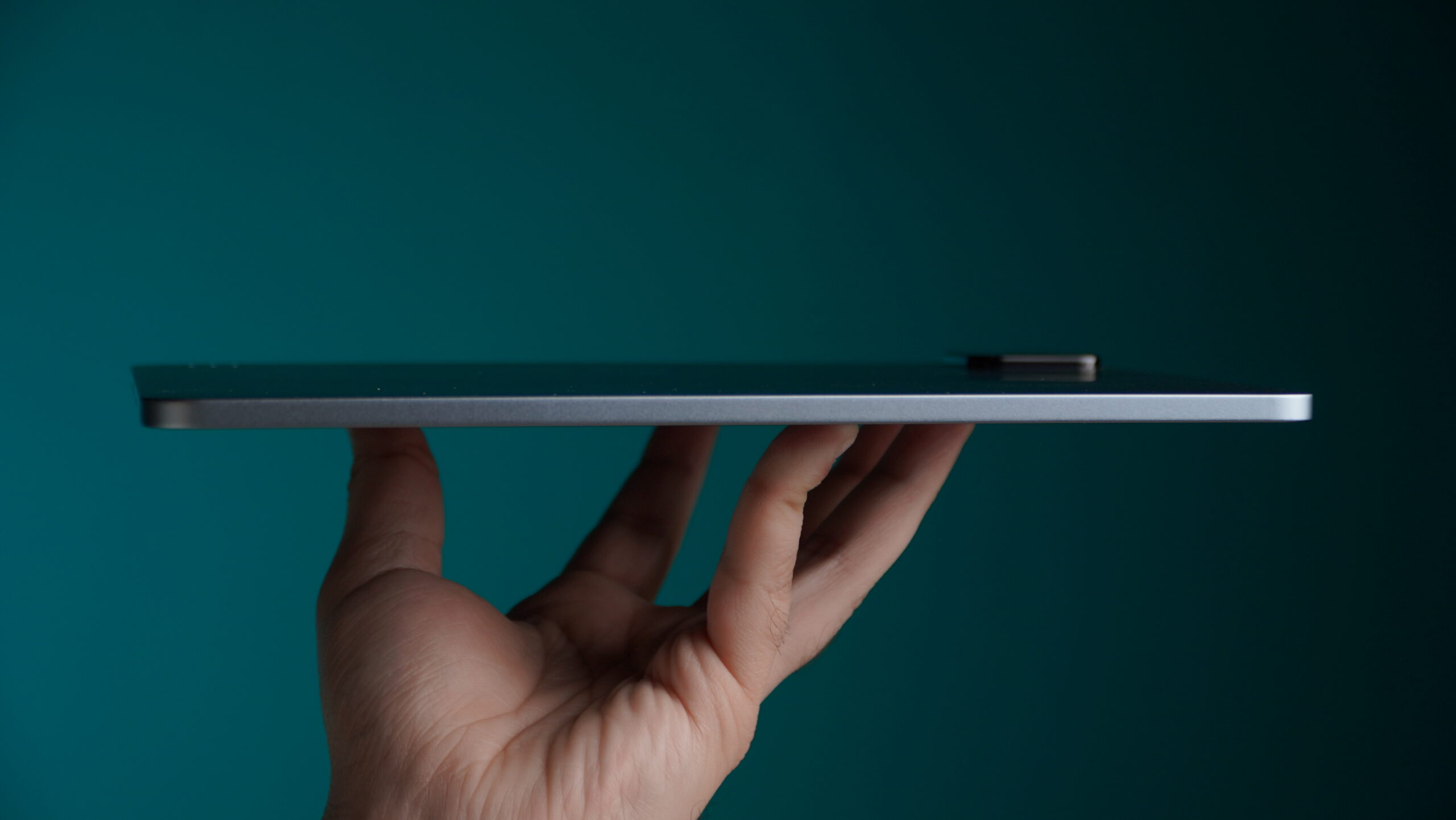
The difference is noticeable in the hand, especially during extended use. It is also marginally thinner than the Samsung Galaxy S25 Edge, which measures 5.8mm. Despite this reduction, Xiaomi has increased the battery capacity to 9,500mAh.
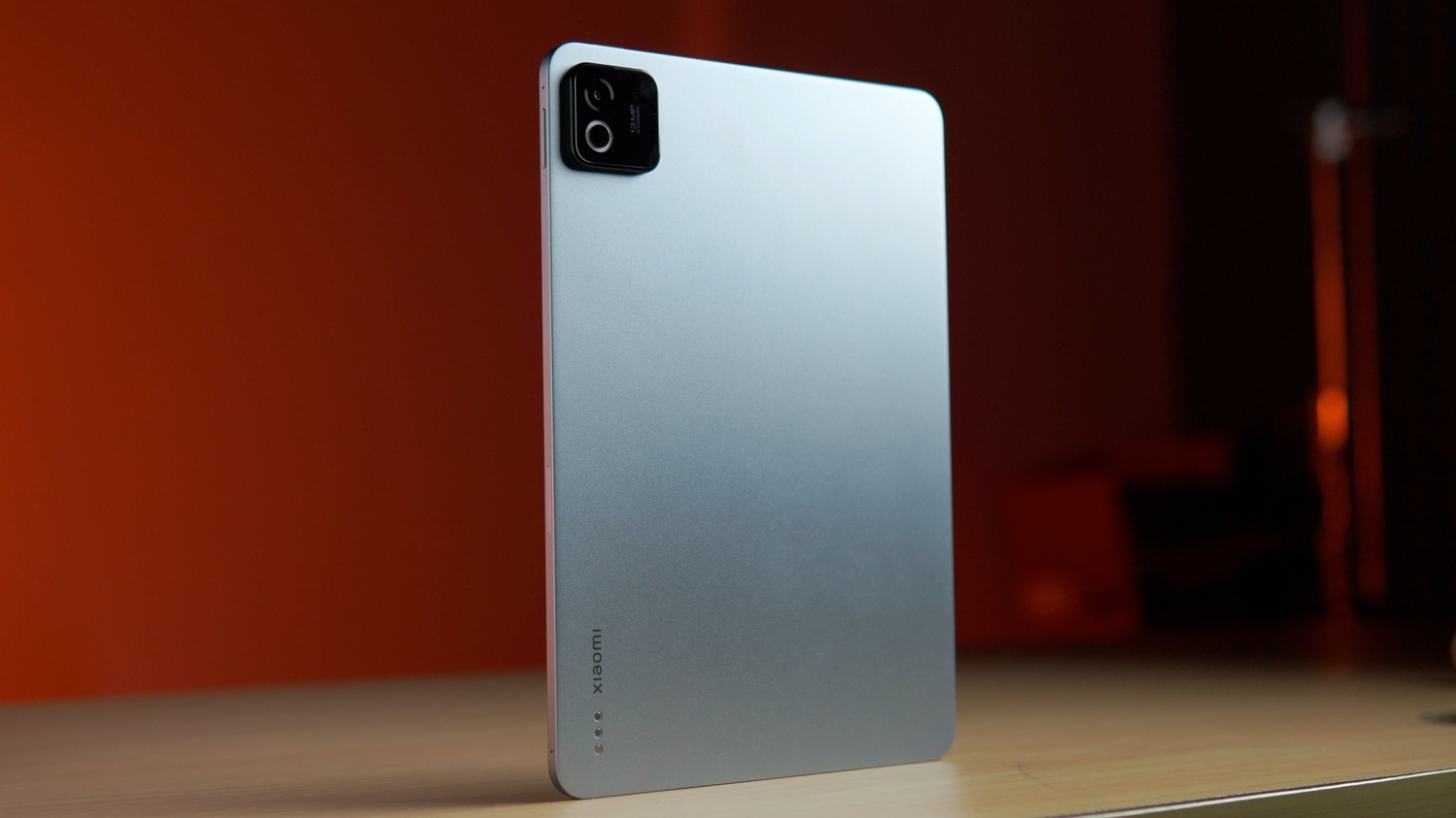
This combination of a slimmer profile and a larger battery makes the tablet more practical to use, especially when paired with the keyboard for productivity tasks.
| Design | Specifications |
| Colour Options | Titanium Blue and Graphite Grey (our review unit) |
| Weight | 485g |
| Thickness | 5.75 mm |
| IP Rating | – |
| Port and Button Placements | Bottom: USB Type-C Port, headphone jack, and two speaker grilles
Top: Two speaker grilles, a microphone, and a power button Right Side: Volume button, dual mics, and a pen charging magnetic strip |
Despite trimming millimetres and grams, the Pad 8 remains incredibly rigid. The metallic chassis feels robust in the hand and shows no flex even under considerable pressure at both ends.
However, there is a notable omission regarding durability. Xiaomi has not disclosed any official IP rating for the Pad 8.
Accessories
Xiaomi pairs the Pad 8 with two distinct accessories: the Focus Pen Pro and a magnetic keyboard. The Focus Pen Pro justifies its Rs 5,999 price with a solid in-hand feel and a build that feels sturdy and well put together. It is backed by reliable software integration, allowing the tablet to quickly convert handwritten notes into text while also refining rough sketches. Instead of physical buttons, the stylus relies on pinch gestures near the tip to trigger functions such as Canvas, a screenshot tool, and a pointer. The pointer, in particular, proves useful for navigation, enabling interaction with the interface by simply hovering over the display.
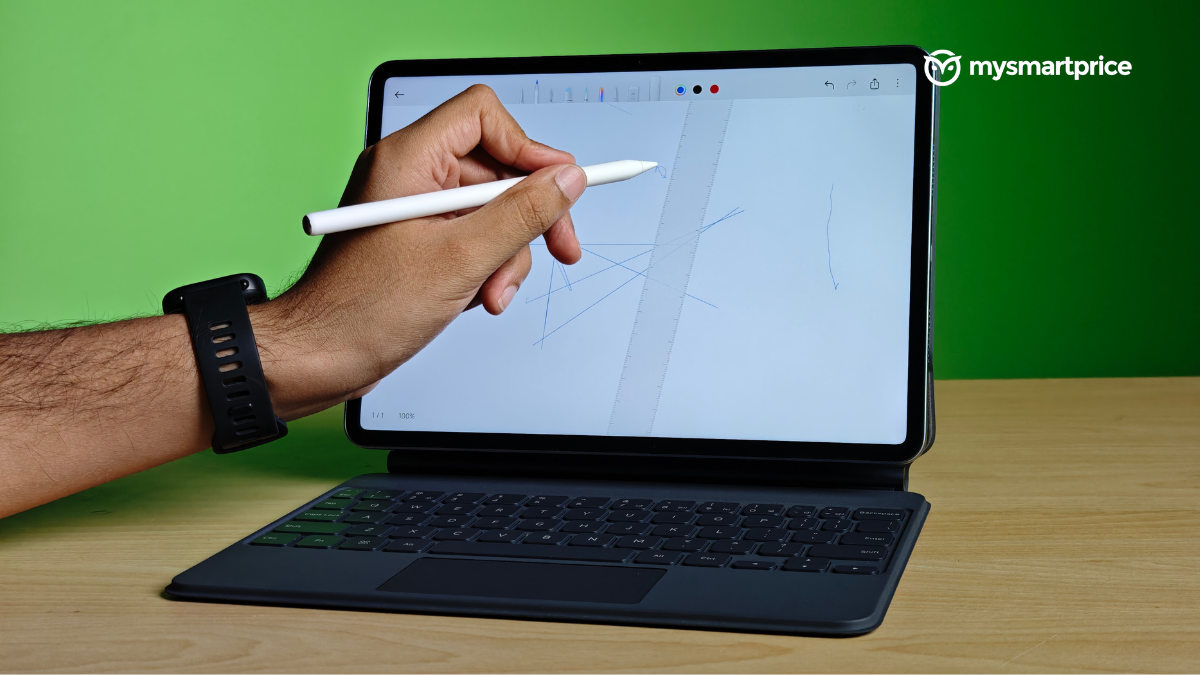
The keyboard accessory is one of the more practical additions to the Xiaomi Pad 8. It attaches magnetically and stays firmly in place, with the front cover sitting flush against the bezels. The keys feel soft and responsive, making extended typing comfortable.
The touchpad supports standard gestures and works reliably, helping navigation feel closer to a laptop. Xiaomi has also added a Mac-style command key for shortcuts, and in regular use, it genuinely reduces the need to interact with the touchscreen.
Display and Audio Quality
At the front, the Xiaomi Pad 8 features an 11.2-inch LCD panel with a 144Hz adaptive refresh rate. This makes everyday interactions, from scrolling through apps to navigating the interface, feel consistently smooth and responsive.
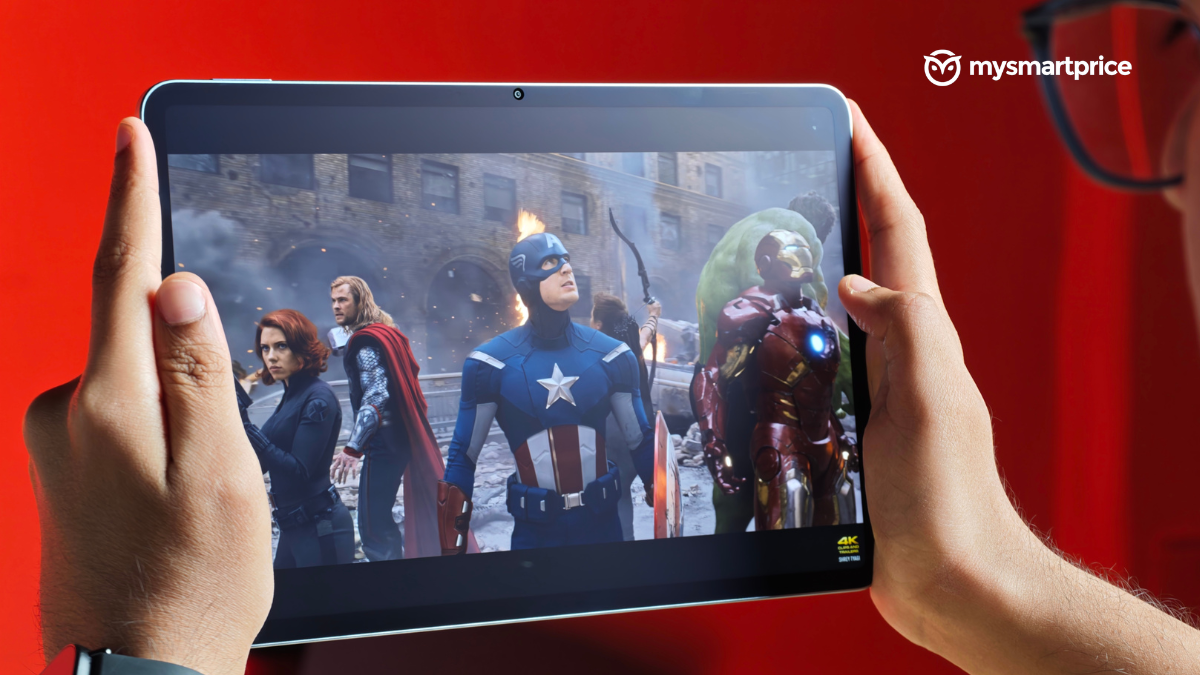
That fluidity aside, the overall viewing experience is more mixed. Our review unit comes with a nanotexture coating that effectively reduces harsh indoor reflections. Combined with a peak brightness of 866 nits in our tests, the panel handles well-lit scenes effectively, bringing out finer details such as dense foliage and background elements with clarity.
However, the limitations of the LCD panel become apparent in darker content. While watching scenes from Monarch: Legacy of Monsters, shadow-heavy sequences lacked depth and appeared slightly washed out, almost as if viewed from an off-angle.
This also impacts outdoor usability. While the panel comfortably exceeds the typical 700-nit threshold, visibility under direct sunlight remains suboptimal, especially when reading text-heavy content.
In terms of colour tuning, Xiaomi has opted for a more restrained profile rather than pushing aggressive saturation. The result is a balanced output that works well for most use cases. Animated content, such as My Hero Academia: Vigilantes, still looks vibrant and engaging, without appearing overly processed.
| Display | Specifications |
| Size | 11.2-inch |
| Type | LCD |
| Resolution | 3.2K resolution (3200 × 2136) |
| Refresh Rate | 144Hz |
| Peak Brightness | Claimed: 800 nits, Tested: 866 nits |
| HDR | Netflix HDR (Dolby Vision) and HDR 10+ |
| Display Protection | – |
Complementing the visual experience is a capable quad speaker setup. The audio is sufficiently loud and maintains clear sound across most volume levels. When streaming Monarch: Legacy of Monsters, the speakers easily highlight nuanced environmental sounds, such as crunching leaves, footsteps, and slamming doors. They also produce impressively good bass and keep vocals clear. The only issue arises at maximum volume, where higher notes can sound a bit shrill. Keeping the volume slightly below the limit provides a much better listening experience.
Performance and Software
Under the hood, the Xiaomi Pad 8 runs on the Snapdragon 8s Gen 4 SoC, a processor that also powers the iQOO Neo 10 and Poco F7. This setup provides plenty of headroom for daily workloads; multitasking is rapid, and the interface remains highly responsive whether I am typing documents or unwinding with a movie. It is a consistently smooth experience.
Within its price bracket, the Pad 8 stands out in a relatively barren competitive landscape. It comfortably outpaces immediate rivals like the Brave Ark in our benchmarks.
However, it doesn’t hold the absolute top spot in the broader market, as the OnePlus Pad 3 with its Snapdragon 8 Elite still sits a step ahead in raw numbers.
In gaming, the Xiaomi Pad 8 delivers solid performance, though it does not quite meet the standards of competitive enthusiasts.
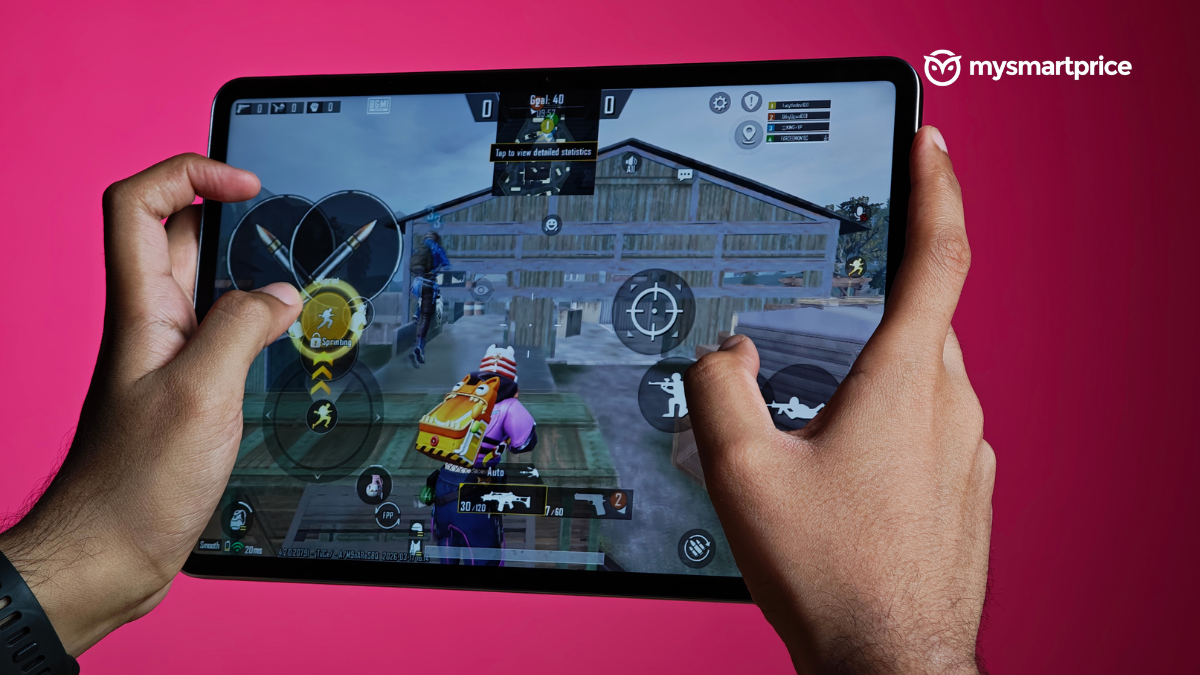
While the hardware can support higher frame rates, BGMI is currently limited to 90fps. Testing shows an average of 87.8fps with a 5% low of 78fps. This relatively narrow difference results in stable frame delivery in practice, ensuring a smooth and reliable experience without sudden stutters during intense matches. Thermals are also well-managed, with the device peaking at a comfortable 38°C even after a 30-minute session. Overall, the Pad 8 can handle demanding games comfortably, even if it has not yet fully tapped into its hardware potential.
| Hardware | Specifications |
| RAM | 8GB LPDDR5x and 12GB LPDDR5T |
| Storage | 128GB UFS 3.1 and 256GB UFS 4.1 |
| Storage Test | 183994 (UFS 4.1 speed) |
| CPU Throttling Test | 90% |
| Software Version | HyperOS 3, based on Android 16 |
| Connectivity Details | Bluetooth 6, Wi-Fi 6, and USB 3.0 |
| Number of Software Updates | Four years of major OS upgrades and six years of security patches |
At the core of the Pad 8’s software experience is HyperOS 3, based on Android 16. The interface feels smooth and responsive, with fluid animations and well-paced transitions that make everyday navigation effortless. Xiaomi has also optimised the layout for a larger display, allowing multitasking and app switching to feel natural.
With the Pad 8, Xiaomi places a clear emphasis on productivity, and in practice, these features work as intended. File transfers in macOS are straightforward and reliable, making it easy to move documents and media between devices without resorting to workarounds. The Workstation Mode also proves to be genuinely useful in day-to-day use. Apps open in resizable windows, and switching between multiple tasks feels intuitive rather than cumbersome. Whether it is managing documents alongside a browser or keeping multiple apps open at once, the experience remains smooth and consistent, making the tablet feel more capable as a productivity device.
Battery and Charging
The Pad 8 packs a 9,500mAh battery, and Xiaomi has paired it with noticeably improved optimisation. In our battery test, the tablet lasted roughly three hours longer than the Xiaomi Pad 7, marking a clear step forward in overall endurance.
The Brave Ark tablet still posts a longer runtime, lasting about four hours longer. However, that device features a much larger 14,550mAh battery and is significantly heavier, which partly explains the difference.
In everyday use, the Pad 8 comfortably delivers around 8 hours of screen-on time with moderate tasks like streaming, productivity work, and light gaming. Charging is slightly less impressive. Although Xiaomi includes a 67W charger, the tablet peaks at 45W and takes about 1 hour and 35 minutes to fully recharge.
Cameras
The Pad 8 features a 13-megapixel rear camera, though its role remains largely functional. It works well for scanning documents or capturing quick reference shots. In well-lit scenes, images produce fairly natural colours and slightly better detail, but finer elements such as skin texture are still not captured with full accuracy.






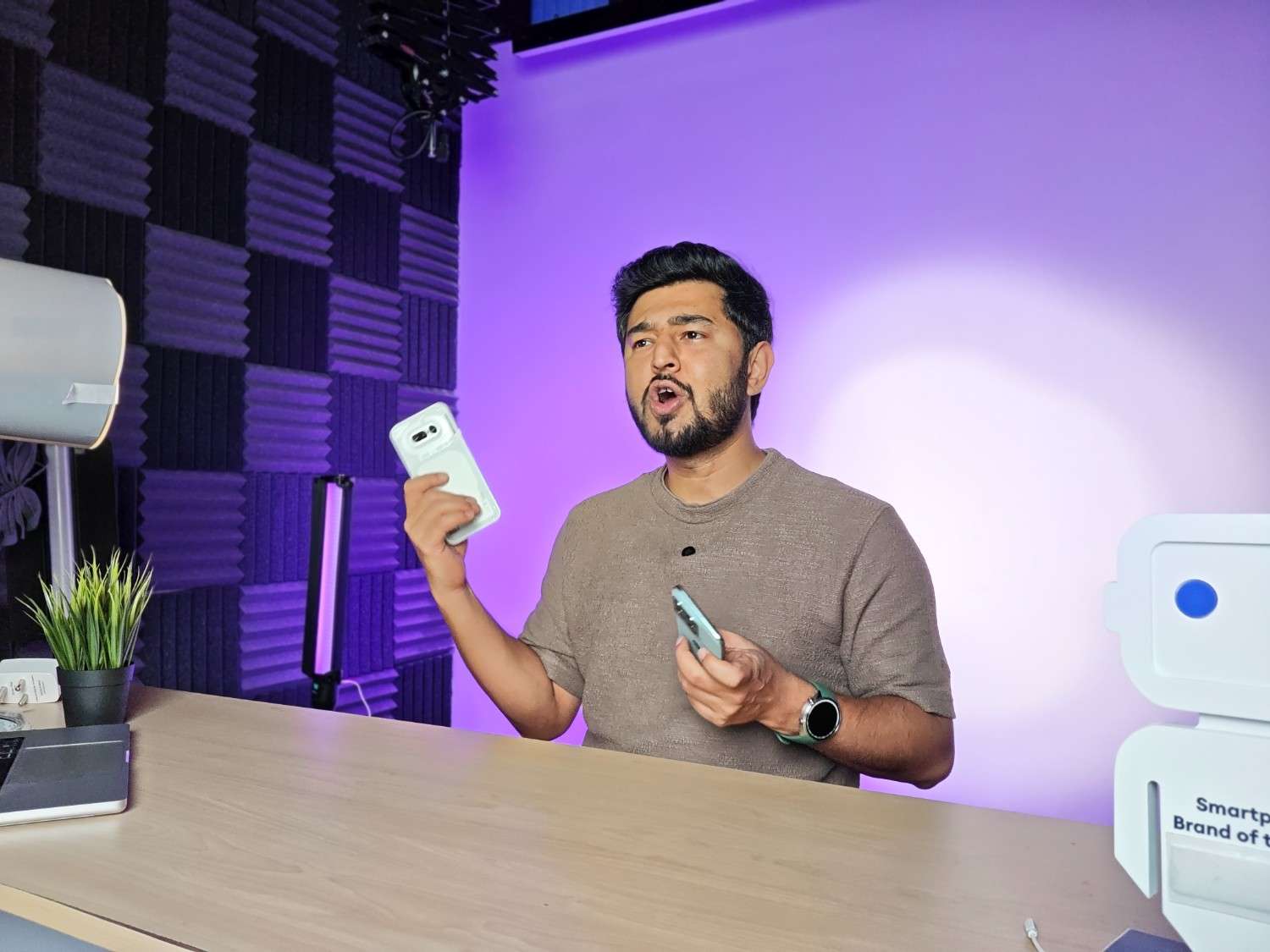

Low-light performance is more limited. To maintain proper exposure, the camera reduces its shutter speed, which can cause motion blur during sudden movements.
| Cameras | Specifications |
| Primary camera | 13-megapixel, f/2.2 |
| Selfie camera | 8-megapixel, f/2.28 |
| Video capabilities | Up to 4K at 30fps for the primary camera and 1080P at 30fps for the front camera |
The front-facing camera is better suited to the tablet’s intended use. It handles video calls and online meetings reliably, producing clear visuals in good lighting, although overall detail levels are modest.
Verdict
The Xiaomi Pad 8 focuses on refinement rather than dramatic changes. Its slim yet sturdy metallic build, strong performance from the Snapdragon 8s Gen 4, and improved battery optimisation make it reliable for both work and entertainment. Features such as Workstation Mode and cross-platform file transfer also add practical productivity value. That said, the nano-texture LCD panel struggles in darker scenes, and the cameras remain largely functional. Even with these shortcomings, the Pad 8 delivers a balanced experience with dependable performance, useful software features, and solid battery life.