ŌURA has officially entered the Indian market, bringing its smart ring lineup at a time when wearables in the country are starting to move beyond basic step counting into more focused health tracking.
Oura Ring 4 goes on sale in India
The Oura Ring 4 will be available starting March 18 via Croma stores and Amazon online.
It is designed as a lightweight titanium wearable that tracks over 50 health metrics, with a strong focus on sleep, recovery, and overall readiness rather than fitness-first features.
Pricing starts at ₹28,900 and goes up to ₹39,900 depending on the finish, with an additional ₹599 monthly subscription for full access to insights.
A small but emerging smart ring category
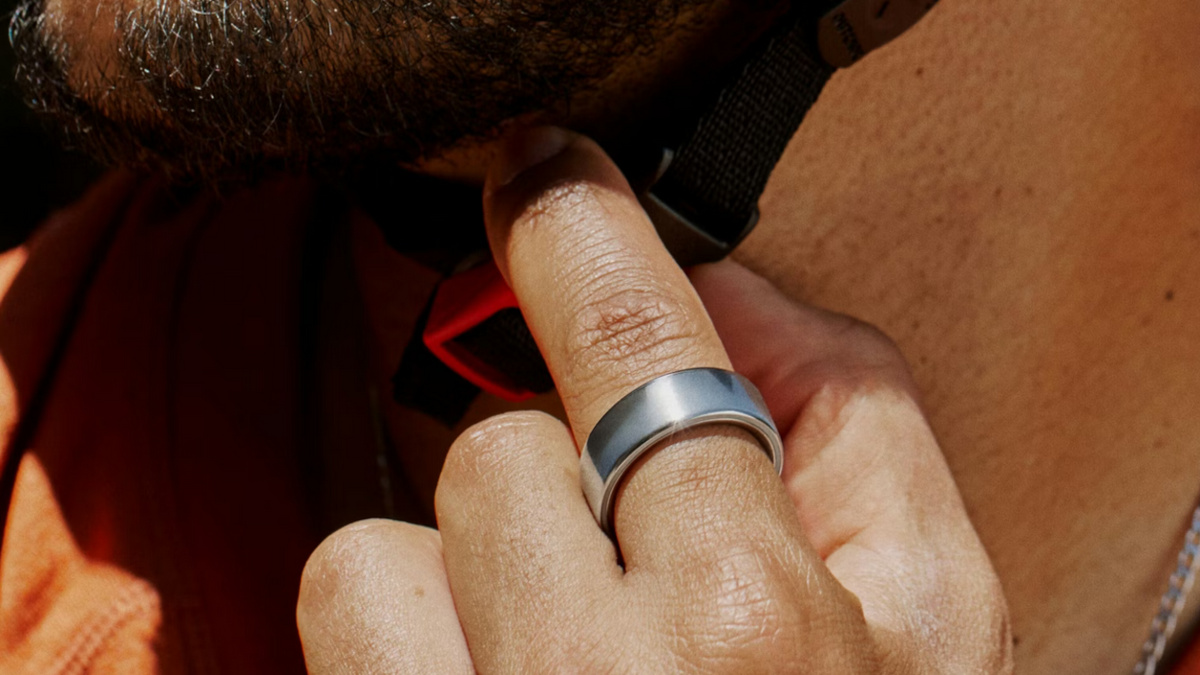
Smart rings are still a niche in India, especially when compared to the massive smartwatch market dominated by brands like Noise, boAt, and Fire-Boltt.
That said, the category has started gaining traction. Ultrahuman has already introduced its Ring Air in India, while Samsung has pushed the category globally with its Galaxy Ring.
The broader idea behind these devices is simple: reduce screen interaction and focus on passive, continuous health tracking. Instead of notifications and apps, the emphasis is on sleep, recovery, and long-term wellness insights.
Sleep data highlights a larger concern
Alongside the launch, ŌURA released its "India: The State of Sleep 2026" report, based on anonymised user data.
The report suggests that users in India average around 6 hours and 28 minutes of sleep per night, which is lower than recommended levels and below many global averages.
It also points to lower amounts of REM and deep sleep, both of which are important for recovery and cognitive function.
Late bedtimes appear to be a major factor, with users sleeping around 12:14 AM on average while waking up at similar times to global users. To compensate, many rely on naps, with India recording the longest average nap durations in the dataset.
Competition and positioning
ŌURA enters India as one of the more established global players in the smart ring space, but its positioning is quite different from mainstream wearables.
Unlike smartwatches from Apple or Samsung, which offer a wide mix of features like notifications, apps, and calling, the Oura Ring focuses on passive tracking with minimal on-device interaction.
At the same time, it goes head-to-head with players like Ultrahuman, which is building its pitch around metabolic health and deeper fitness integrations.
Pricing remains a key challenge. With a relatively high upfront cost and a subscription layer, the Oura Ring sits in a niche segment that targets a smaller, more health-focused audience in India.
Bigger picture
ŌURA's entry adds another layer to India's evolving wearable market, where the conversation is slowly shifting from activity tracking to recovery and overall health.
At a broader level, the company's sleep data reflects a familiar pattern. Long work hours, late-night routines, and constant connectivity are clearly affecting how people sleep and recover.
Whether devices like smart rings can actually change behaviour remains an open question. For now, ŌURA's India launch feels less like a mass-market play and more like an early move to capture a niche audience that is beginning to take sleep and recovery more seriously.