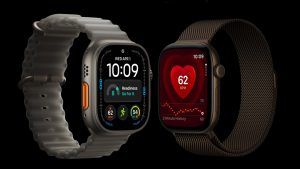
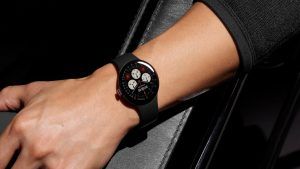
Google has officially announced Wear OS 7 at Google I/O 2026, introducing a redesigned widget experience, Live Updates support, platform efficiency improvements, and new developer tools for smartwatch apps.
The company says Wear OS 7 is focused on making smartwatch interactions more glanceable and contextual, while also improving battery efficiency across supported devices. The update builds on Google's broader Android ecosystem announcements made during I/O 2026.
Wear OS 7 Brings a New Widget Experience to Smartwatches
A major part of the Wear OS 7 update is a refreshed widget system designed to surface information and actions more quickly on smartwatch screens.
Google says the updated widgets are intended to help users access relevant information with fewer taps and less navigation inside apps. Developers will also be able to build richer widget experiences optimized specifically for wearable displays. During the launch presentation, the company highlighted how widgets can now provide more contextual information directly from apps, making interactions faster and easier during everyday use.
Live Updates Will Surface Real-Time Information
Google is also bringing Live Updates support to Wear OS 7.
The feature allows apps to display ongoing activity information directly on the watch interface so users can quickly track updates without repeatedly opening apps. Google showcased examples such as navigation progress, rideshare tracking, deliveries, and sports scores.
The company says Live Updates are designed to make real-time information easier to access through quick glances on the wrist.
Wear OS 7 Also Focuses More on Fitness and Workout Experiences
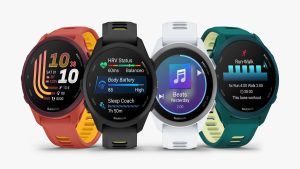
Google is also expanding the fitness and workout capabilities inside Wear OS 7, with the update bringing improvements aimed at making smartwatches more useful during exercise and daily activity tracking.
As part of the update, Google introduced richer fitness integrations and updated experiences for health and workout-related apps. The company says Wear OS 7 is designed to surface more contextual workout information directly on the watch while reducing the need to constantly navigate through multiple screens during activities such as running, walking, gym workouts, or cycling.
The broader push around glanceable widgets and Live Updates also ties into this fitness-focused direction. Workout progress, timers, navigation guidance, and activity tracking can now remain more easily accessible through real-time updates on the watch interface instead of requiring users to repeatedly open apps during workouts.
Google additionally confirmed updated developer APIs and tools for fitness app experiences as part of the Wear OS 7 rollout, alongside improvements for watch faces, media controls, and wearable app development.

Google Says Wear OS 7 Improves Battery Efficiency
Alongside interface updates, Google says Wear OS 7 includes multiple platform optimisations focused on improving efficiency and responsiveness.
According to the company, devices upgrading from Wear OS 6 could see up to 10% better battery life in certain usage scenarios. Google attributes the improvements to platform-level changes aimed at reducing power consumption across smartwatch experiences.
Developers Are Getting New APIs and Tools
Google is also expanding the tools available for developers building smartwatch apps and experiences on Wear OS. As part of the Wear OS 7 rollout, the company introduced updates for watch faces, media controls, fitness integrations, and app development workflows aimed at helping developers create more responsive and glanceable wearable experiences.
The Wear OS 7 announcement was part of Google's wider Android ecosystem push at I/O 2026, where the company also detailed updates across Android XR, Gemini-powered experiences, Search, Chrome, and other connected device platforms.