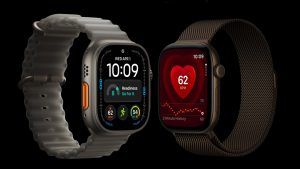
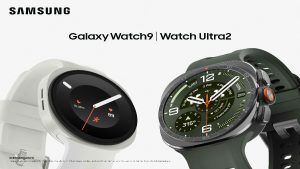
Samsung has launched the Galaxy Watch Ultra2 and Galaxy Watch9 at its Unpacked event in London, strengthening its smartwatch lineup around health tracking, longer wear and more specialised fitness use cases. The two watches were unveiled alongside Samsung's new foldable lineup, comprising the passport-sized Galaxy Z Fold8, the larger Galaxy Z Fold8 Ultra and the Galaxy Z Flip8.
While the Watch Ultra2 is designed for outdoor sports and users who need more battery and durability, the Watch9 is the everyday option. Both watches run on the Snapdragon Wear Elite platform and use Samsung's BioActive sensor to turn health data into more direct recommendations.
The launch comes at an interesting time for the category. India's smartwatch market is no longer growing at the pace seen during the initial boom, but buyers are gradually moving towards better-built and more feature-rich devices.
Samsung Galaxy Watch Ultra2 and Watch9 Availability
Pre-orders will begin on 22 July 2026, with open sales starting from 7 August 2026 in select markets.
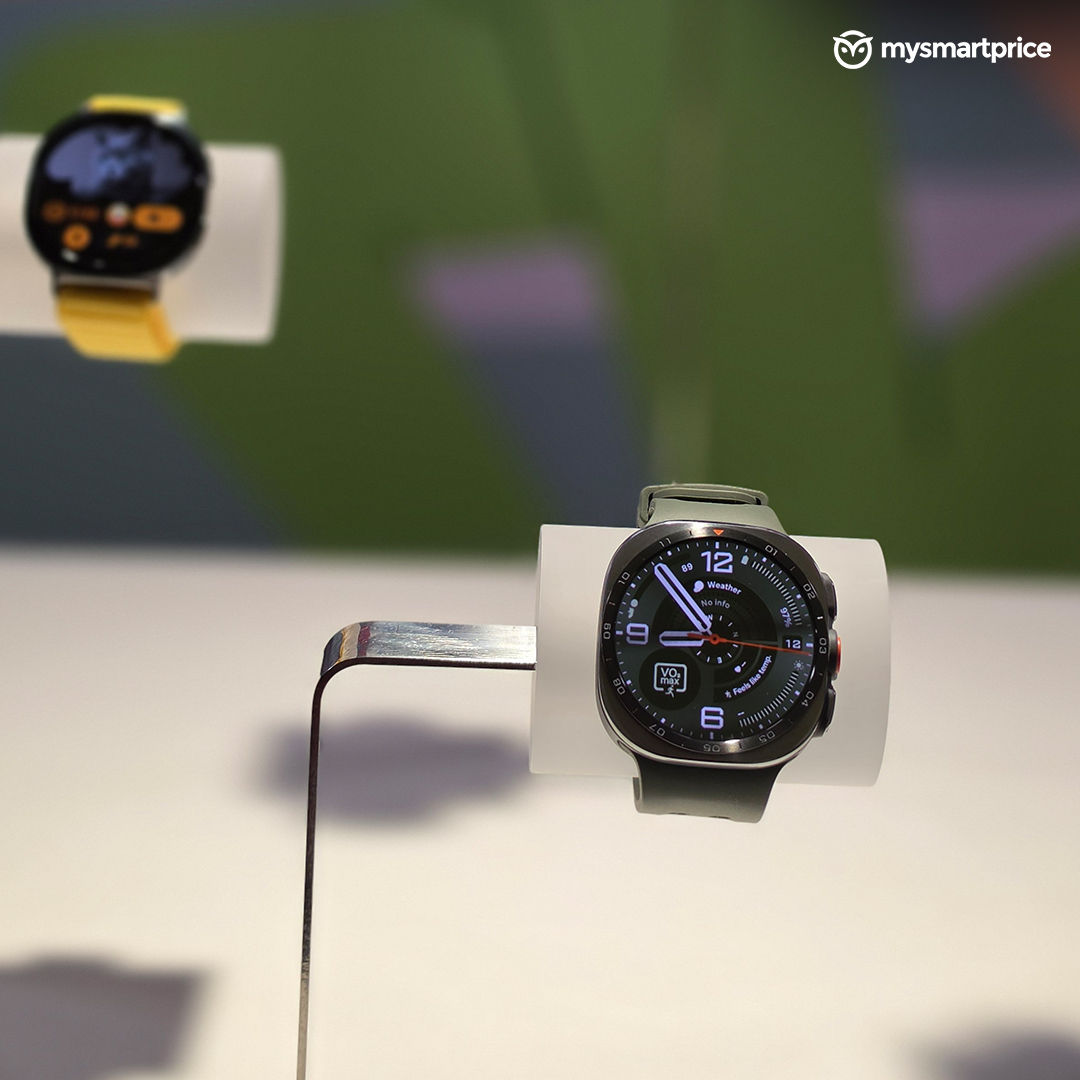
The Galaxy Watch Ultra2 will be sold in a 47mm size in Titanium Silver and Titanium Gray.
The Galaxy Watch9 will be available in 40mm and 44mm sizes. The smaller model comes in Cream and Graphite, while the 44mm version will be available in Graphite and Silver.
Galaxy Watch Ultra2 Goes Deeper Into Outdoor Sports
The Galaxy Watch Ultra2 is Samsung's most capable smartwatch and is aimed at users who need more than regular activity and sleep tracking.
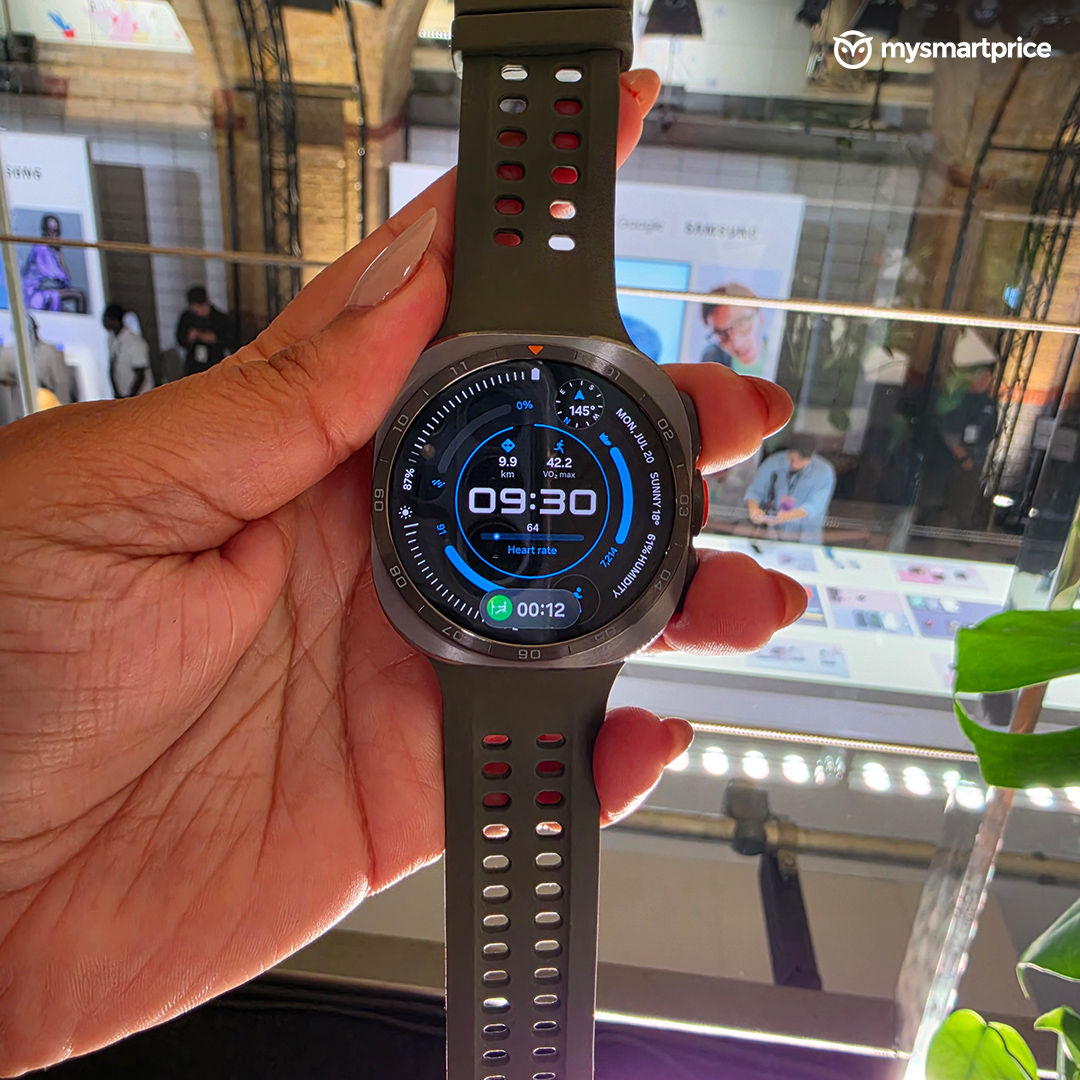
Trail Run mode tracks elevation, climbing progress and the impact of the terrain, helping runners understand how the route is affecting their pace and effort. Nutrition Alert builds on Samsung's existing Sweat Loss feature and provides hydration guidance based on estimated sweat loss relative to body weight.
Samsung is also pushing the watch beyond running and hiking. The Ultra2 carries IP69K and 10 ATM ratings and is certified under EN13319 for diving equipment.
It can automatically begin tracking information such as depth, dive duration and water temperature when the user enters the water. An Ultra2 Diving app, developed with diving equipment company Mares, is expected later this year and will add information such as ascent and descent speed and safe diving limits.
Diving will remain a specialised use case, but its inclusion helps separate the Ultra2 from smartwatches that are rugged mainly in appearance. It also places the device in the same conversation as the Apple Watch Ultra 3 and Garmin's Fenix range, where endurance, GPS performance and sport-specific tools are central to the product rather than secondary features.
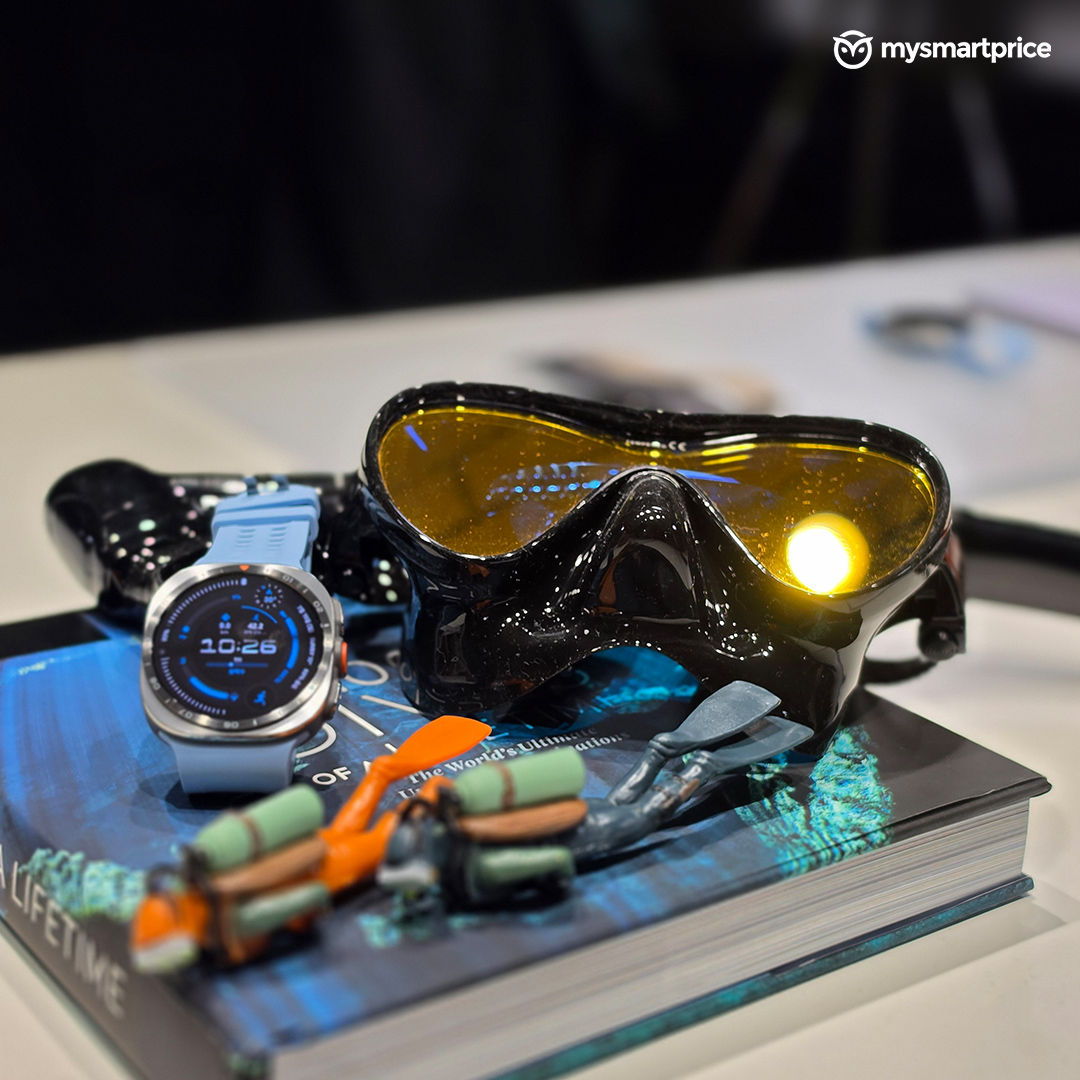
The Ultra2 uses an 800mAh battery, which Samsung says is 35 per cent larger than the battery in the previous Ultra model. The Snapdragon Wear Elite platform handles performance and GPS tracking, while the display can reach 5,000 nits of brightness.
A 5,000-nit screen may sound excessive for a watch, but visibility under direct sunlight matters for runners, hikers, cyclists and divers, particularly when the display is being used for directions or live workout information.
Samsung has retained the shock-resistant titanium casing but reduced the thickness by 12 per cent compared with the previous generation. Lighter and softer bands are also intended to make the watch easier to wear through the day and while sleeping.
That reduction matters because continuous health tracking depends on people actually keeping the watch on their wrist. A bigger battery is useful, but not if it makes the device too heavy or uncomfortable to wear overnight.
The Ultra2 is clearly the more interesting option for endurance athletes, frequent hikers and users who spend significant time outdoors. Everyone else will need to decide whether its additional battery, brightness and rugged features justify the premium over the Watch9.
Galaxy Watch9 Keeps the Health Pitch More Practical
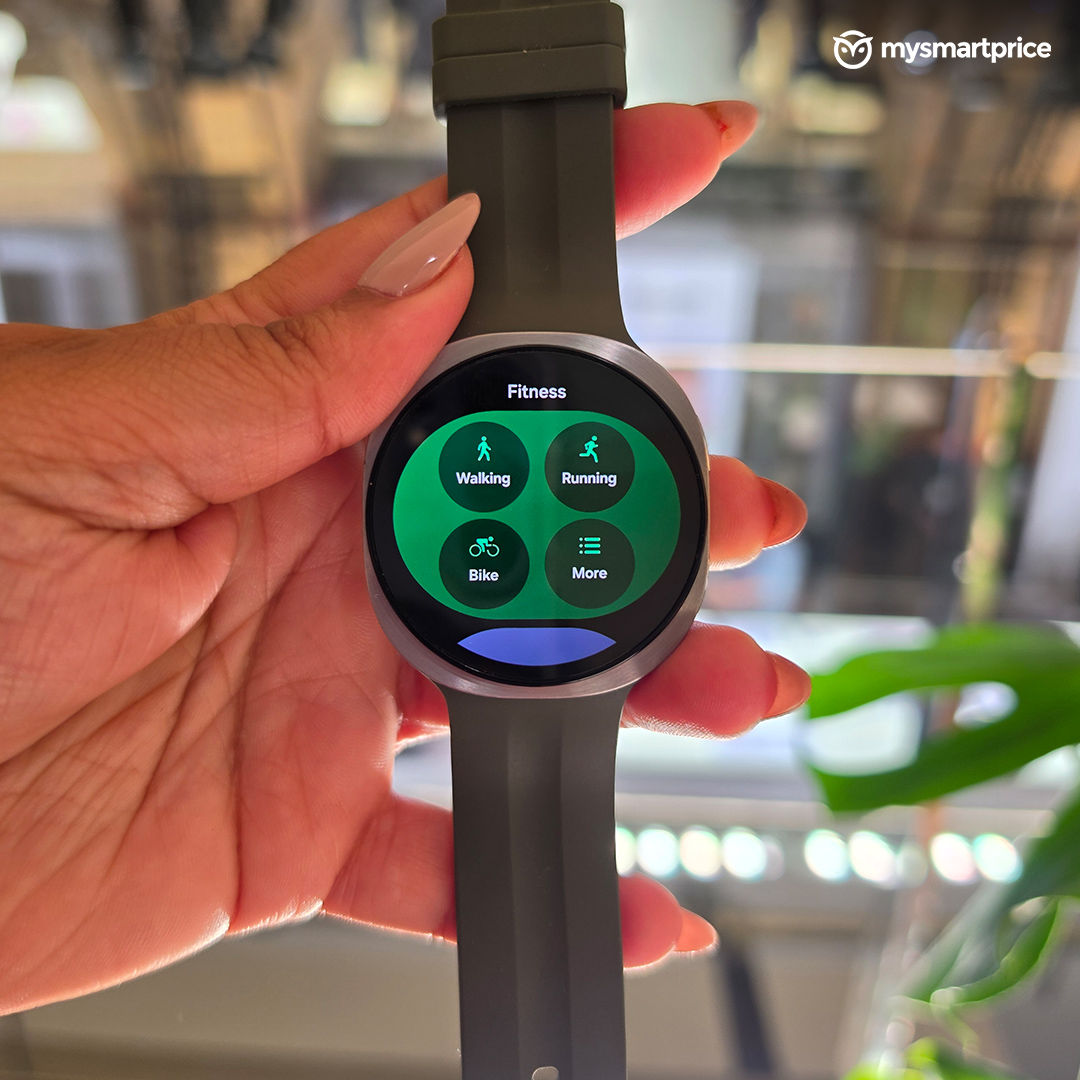
The Galaxy Watch9 is designed for a much wider audience. It focuses on daily activity, sleep and general wellness rather than extreme sports.
Samsung has retained its cushion-style watch design but uses a lightweight aluminium casing and a closer fit around the wrist. The company is placing considerable emphasis on comfort, since more consistent wear should also produce more complete health and sleep data.
The watch is powered by the same Snapdragon Wear Elite platform as the Ultra2. It carries a 390mAh battery and a display that can reach 3,000 nits of brightness.
The smaller battery means real-world endurance will need to be watched closely, especially for users who enable continuous health monitoring, GPS workouts and sleep tracking. Efficiency gains from the new platform will be important here.
Both watches use Samsung's BioActive sensor to collect biometric information and build a baseline around the user's habits.
Vitals monitors that baseline during sleep and flags significant deviations. Heart Health Score presents cardiovascular wellness through a score and lifestyle recommendations, while Daily Cardio Load looks at training volume and estimated recovery needs.
Fitness Index provides a broader view of physical fitness and personalised goals. The Hearing feature can also warn users about unsafe noise exposure and provide more detailed reports.
The useful shift here is from simply showing users more charts to telling them what those numbers could mean. Smartwatches have become very good at collecting data, but the larger problem is that most users do not know what to do with it.
Samsung's AI-led health pitch attempts to close that gap. Its effectiveness will depend on whether the recommendations remain specific and useful after the initial setup period, rather than turning into another series of generic prompts to sleep more or move regularly.
For most Galaxy phone users, the Watch9 is likely to be the more sensible option. It retains the core health platform, brighter display and new processor without the size or specialised sports focus of the Ultra2.
India Is Buying Fewer Smartwatches, but Better Ones
India's wearable device market declined 4 per cent in 2025 to 114.2 million units, marking its second consecutive year of decline, according to IDC.
Smartwatch shipments fell more sharply, dropping 17.6 per cent to 28.9 million units. Their share of the broader wearable market declined from 29.4 per cent in 2024 to 25.3 per cent in 2025.
The decline does not mean Indian consumers have stopped buying smartwatches. It indicates that the phase of frequent upgrades driven by inexpensive models and aggressive discounts is cooling.
Smartwatch average selling prices increased 11.7 per cent in 2025, from $23.8 to $26.5. Buyers are gradually moving towards better features and more dependable products even as total shipments fall.
A similar premiumisation trend is visible globally. Worldwide smartwatch shipments grew 4 per cent in 2025, while the $200 to $400 segment expanded by 48 per cent. Counterpoint Research attributed the recovery partly to stronger demand for advanced health and fitness features.
The Watch9 and Ultra2 fit into that shift. Samsung is not trying to fight the high-volume, low-cost segment dominated by homegrown brands. Its pitch is built around sensor accuracy, health interpretation, durability and integration with the Galaxy ecosystem.
Competition at the premium end remains intense. Apple continues to benefit from the tight relationship between the Apple Watch and iPhone, Garmin has deep credibility among serious runners and outdoor users, while brands such as OnePlus are using battery life and Wear OS integration to appeal to Android buyers.
Samsung's advantage is that it can now offer more than one health-tracking form factor. The watch remains the most complete device, but it is no longer the only wearable in the Galaxy ecosystem.
Samsung's Wearable Plans Now Go Beyond the Wrist
Samsung expanded its wearable portfolio in India with the Galaxy Ring in 2024, giving users a smaller device for continuous wellness and sleep tracking. The ring also allowed Samsung to collect health data from users who may not want to wear a watch throughout the night.
Its next step is intelligent eyewear.
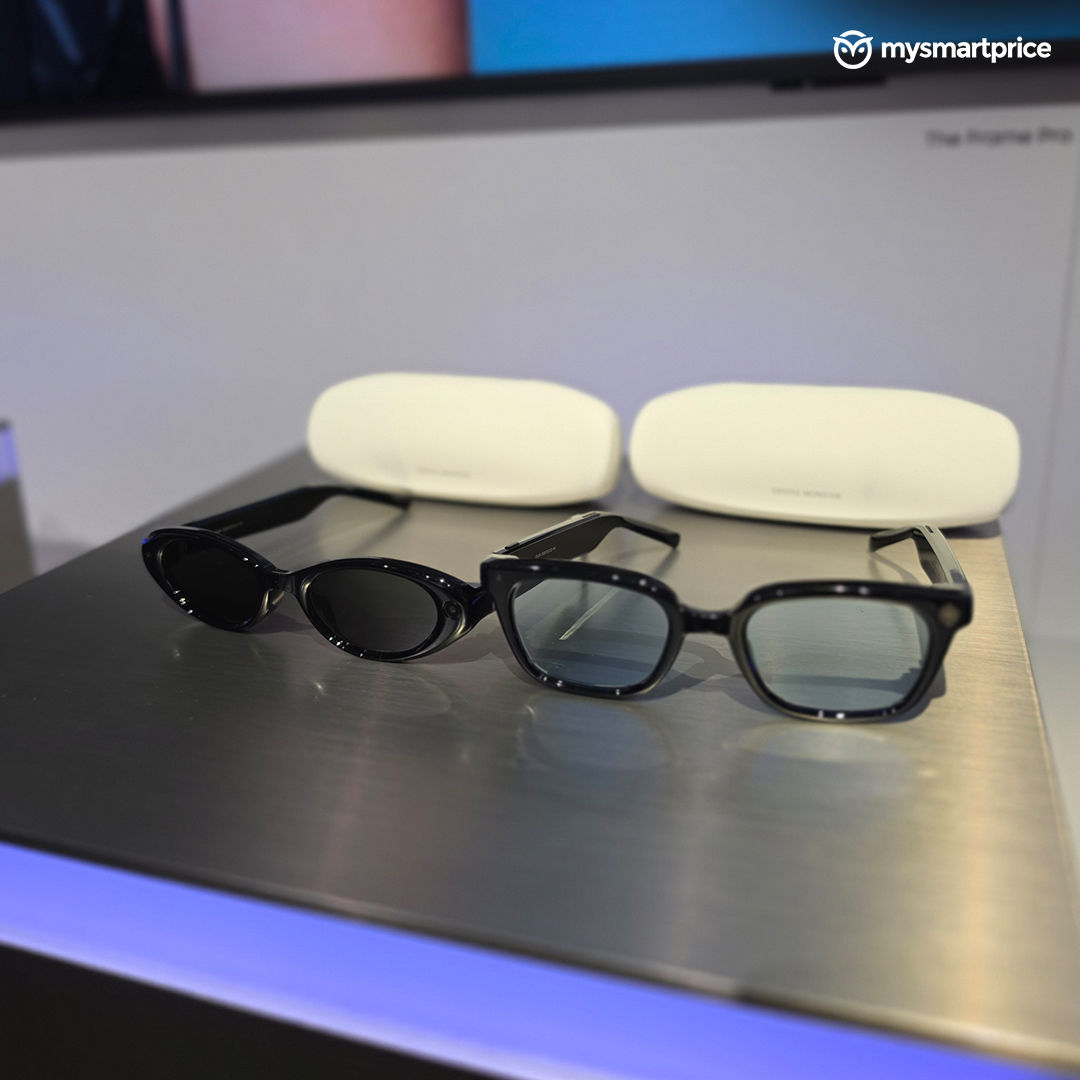
Samsung showcased two eyewear variants at the London event, and we got a brief hands-on with both. The frames looked sleek and avoided the bulky appearance generally associated with first-generation smart glasses.
The two designs have been developed with Gentle Monster and Warby Parker, giving Samsung distinct approaches rather than one universal frame. The glasses are being built as companion devices that connect to a phone and provide AI assistance through voice interactions. Personally, I am leaning more to the ones by Gentle Monster in terms of design and how it fit me, but it is an evolving piece.
Samsung has indicated an autumn release in select markets, with an October window discussed at the event. More details on features, pricing and regional availability are expected closer to launch.
The eyewear is significant because it expands Samsung's wearable strategy beyond health tracking. Watches and rings collect information about the user, while glasses can potentially place AI assistance directly into what the user is seeing and doing.
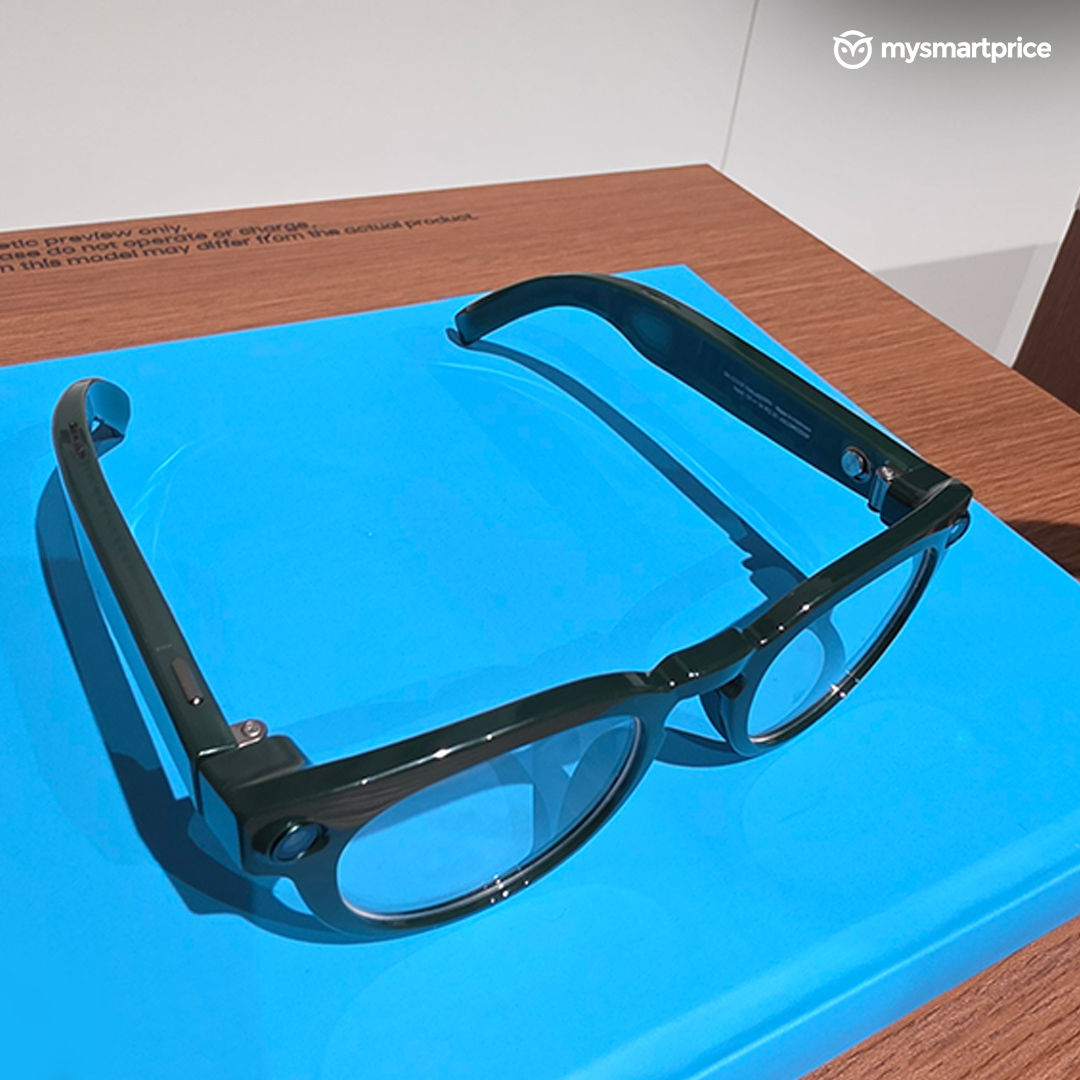
Samsung is effectively building a wearable layer around the smartphone. The Galaxy Watch remains the health and fitness hub, the Galaxy Ring supports less intrusive continuous tracking, and the eyewear introduces a more immediate way to access information without reaching for the phone.
For now, the Watch Ultra2 and Watch9 are the products ready for consumers. However, the eyewear shown alongside them offered a clearer indication of where Samsung believes the wearable category is heading next.