A new study published in JACC suggests that in-home HEPA air purifiers may lower systolic blood pressure (SBP) by around 3 mm Hg in adults with elevated readings—an unexpected but significant benefit for cardiovascular health. For an industry long positioned around seasonal smog and allergy relief, this opens up a new narrative: air purifiers as part of preventive healthcare.
Why 3 mm Hg Matters
At first glance, a 3 mm Hg reduction might seem small. Yet, medical evidence shows that even modest improvements can reduce population-level risks of heart attacks and strokes. In practical terms, this elevates the conversation around air purifiers from “comfort appliances” to potential wellness devices with tangible health outcomes.
Industry Shifts Already Underway
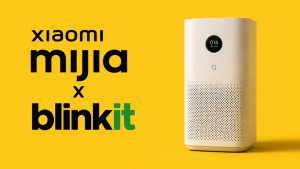
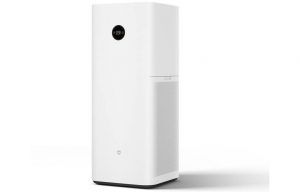
Some brands are already aligning with this shift. A Xiaomi spokesperson noted that as “air pollution levels surge and AQI continues to climb, maintaining clean indoor air has become a critical part of preventive healthcare.” The company is now designing products that go beyond affordability to focus on filter technology, room coverage, noise levels, and easy maintenance, drawing parallels between air purifiers and water purifiers as household essentials. To accelerate adoption, Xiaomi has even partnered with quick-commerce platforms like Blinkit, ensuring devices are accessible when consumers need them most.
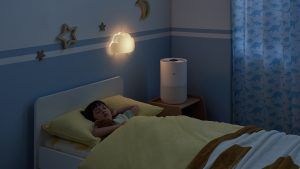
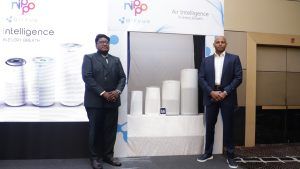
Honeywell echoes this reframing of the category. Mohit Anand, Co-Founder & CEO, Secure Connections Ltd. (which is the authorised global brand licensee of Honeywell), explained that the industry is at an inflection point: “Consumers are starting to view air purifiers the way they once began to view water purifiers, not as luxury add-ons, but as essentials for daily health.” He added that Honeywell’s product design takes into account the realities of Indian households, like compact bedrooms, multi-generational living, and everyday pollutants from cooking or incense, positioning purifiers as year-round health safeguards rather than seasonal indulgences.
What are the Caveats
While promising, the study’s scope was limited. Participants were predominantly White and higher-income, meaning the results may not fully translate to diverse populations like India. The impact was seen only in adults with elevated SBP (≥120 mm Hg); those with normal readings saw no benefit. Also, the study didn’t find changes in diastolic pressure, and factors like seasonal variation, open versus closed windows, and lifestyle differences could affect real-world outcomes.
The Bigger Picture for India
Still, in a country where urban AQI frequently breaches “severe” levels, the implications are hard to ignore. Anand pointed out that “indoor air can often be two to five times worse than outdoor air due to cooking fumes, cleaners, and perfumes,” making the case for reframing purifiers as hygiene products akin to soap or water purifiers, rather than luxury gadgets.
Both Xiaomi and Honeywell see potential in ecosystem partnerships to take this further. From tie-ups with hospitals and insurers to embedding air purifiers into wellness programs, brands believe such collaborations could validate medical benefits and make clean air a part of preventive healthcare infrastructure in India.