LG Electronics has announced its second-generation LG Signature lineup at CES 2026, marking 10 years of its ultra-premium home appliance brand. The new range puts artificial intelligence at the centre, with products that use large language models and advanced sensors to offer more contextual and automated experiences. LG will showcase 10 new Signature products at CES 2026, which begins on January 6 in Las Vegas.
CES has increasingly become the stage where appliance brands signal long-term platform strategies rather than individual product upgrades. For LG, the second-generation Signature lineup appears less about showcasing one standout appliance and more about establishing AI as a horizontal layer across its entire premium portfolio, something Samsung has also been hinting at with its Bespoke AI roadmap.
However, Korean media is already picking up on the developments that LG might have in store. For those unaware, Signature has been LG's top-tier appliance brand since its debut in 2016, meant to highlight the company's design and engineering capabilities. With this refresh, LG is clearly positioning AI as a core differentiator rather than an add-on feature. According to the company, the new lineup aims to set fresh benchmarks in the global premium home appliance segment.
What is notable here is that LG is framing AI not as a smart-home convenience feature, but as an operating system for appliances. By leaning on large language models and contextual automation, LG is attempting to move premium appliances closer to being proactive assistants rather than reactive machines.
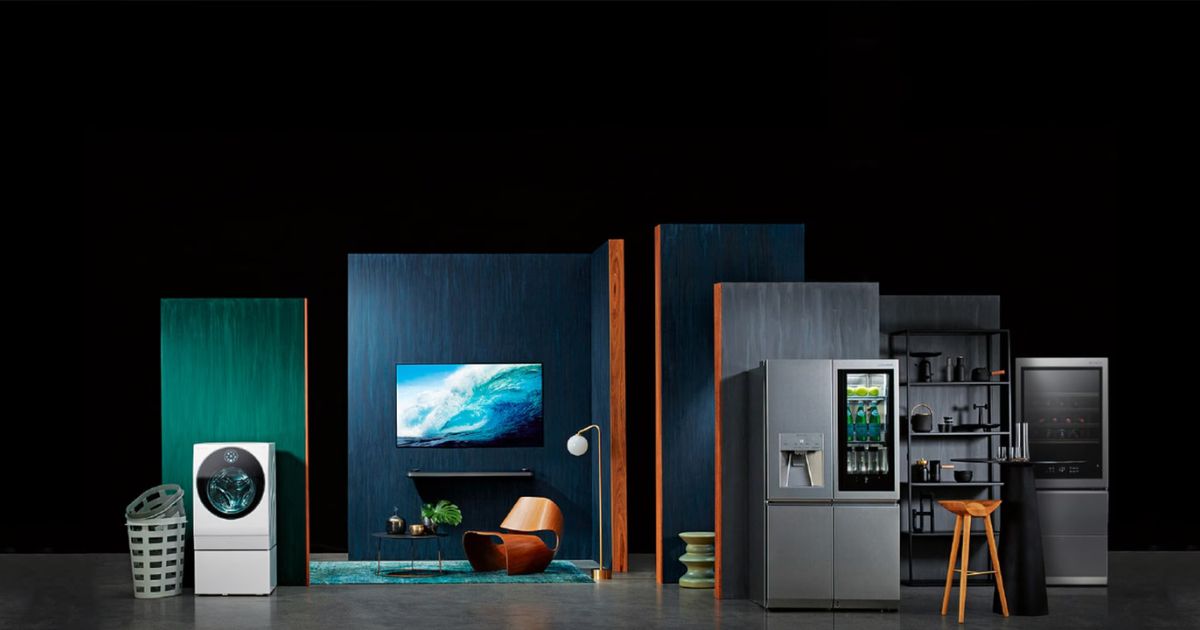
One of the headline features is the AI-powered refrigerator that supports natural voice conversations. Using LLM-based voice recognition, the refrigerator can understand context-driven queries. For example, when a user asks what mode is suitable for storing meat for a week, the appliance automatically selects the optimal setting without requiring manual inputs. This moves beyond basic voice commands and leans towards more conversational interactions.
This focus on AI-driven efficiency also aligns with tightening energy regulations globally. As markets move towards stricter energy labelling norms and higher consumer awareness around power consumption, LG's pitch positions AI as a tool for compliance and cost optimisation, not just automation.
Ingredient management is another area where LG is pushing AI heavily. The Smart InstaView Refrigerator uses internal cameras to recognise ingredients as they are added or removed. Based on this data, it can suggest recipes tailored to what is available inside the fridge. LG has also extended similar intelligence to its microwave ovens, where the Gourmet AI feature identifies ingredients through cameras and recommends cooking methods from around 80 preset recipes. An AI Browning function alerts users when bread or similar items are properly baked.
AI integration is not limited to cooking and storage. LG's washing machines and dryers now come with AI DD Motors that analyse laundry weight and fabric contamination levels to adjust wash motions and reduce fabric damage. The company says its AI Core Tech, which combines in-house component expertise with AI algorithms, helps deliver better energy efficiency without compromising on performance. This is particularly relevant as energy ratings and power consumption continue to influence buying decisions in many markets.
The Signature lineup has also expanded in terms of categories. Alongside refrigerators and washing machines, the range now includes wall ovens, hoods and cooktops, taking the total to 10 products. LG is using this expanded portfolio to push deeper into the built-in kitchen appliance segment. Design remains a strong focus, with LG collaborating with Italian luxury furniture brand Poliform to enhance visual consistency across products. The company is also adopting region-specific design strategies, using metal finishes for North American and Middle Eastern markets, while opting for subdued colours and matte materials in Asian and European regions.
Speaking about the launch, Baek Seung-tae, head of LG Electronics' Home Appliance & Air Solution Business Unit, said the refreshed Signature lineup would help the company introduce new standards for premium appliances and strengthen its global leadership.
This launch also needs to be seen in the context of the broader home appliances market, especially India. The Indian home appliances market has been growing steadily, driven by urbanisation, rising incomes and premiumisation. Estimates suggest the market reached around USD 51.29 billion in 2025 and could grow at over 5% CAGR to cross USD 66 billion by 2030. Refrigerators remain the largest category, accounting for over 30% of the market, helped by changing lifestyles and climate-related demand.
LG has been one of the strongest players in India over the years. In FY25, LG Electronics India reported revenue of ₹24,367 crore, up 14% year-on-year, while net profit jumped 46% to ₹2,203 crore. Home appliances and air solutions contribute nearly three-fourths of its revenue, with strong performance in refrigerators, washing machines and inverter air conditioners. LG also holds the position of India's number one home appliance brand in 2025. Its IPO in October 2025, which was oversubscribed multiple times, further underlined investor confidence in the company's India strategy.
Competition in India, however, remains intense. Samsung continues to push its AI-integrated Bespoke appliances, focusing on connected experiences and premium design. Whirlpool relies on its strong distribution and leadership in major appliances. Haier has been gaining ground with aggressive pricing and a wide product range, while Godrej focuses on local manufacturing and affordability. Voltas, backed by the Tata Group, remains a strong force in air conditioners.
AI has become the biggest buzzword in home appliances in 2025, with brands aiming for a majority of their sales to come from smart and AI-enabled products. Features such as predictive cooking, inventory tracking and voice personalisation are now being marketed as must-haves rather than luxuries. LG's CES 2026 Signature lineup fits neatly into this trend, much like Samsung's approach with its screen-heavy Bespoke AI appliances.
That said, while everyone is adding AI to their latest products, it will be interesting to see how useful these features are in real-life situations. For many users, especially in India, reliability, service support and energy efficiency still matter more than smart features. Indian buyers are largely value-driven, even in the premium segment. Whether they are willing to pay extra for conversational refrigerators and camera-based cooking assistance is something only time will tell. AI may be the future of home appliances, but its real success will depend on how seamlessly it fits into everyday life rather than how impressive it looks on a spec sheet.
From a buyer's perspective, CES launches are best seen as directional signals rather than immediate buying triggers. LG's AI features will gradually trickle down into more affordable models, as has happened in previous cycles. If you are upgrading today, current AI-enabled appliances already deliver most practical benefits. Waiting only makes sense if you are specifically targeting built-in or ultra-luxury categories, where Signature clearly sets the tone for what premium appliances will look like over the next few years.