India’s homegrown robotics brand Milagrow is looking to go beyond floors and windows. After carving a niche in robotic vacuum cleaners and service bots for homes, the company has now announced a line-up of three humanoid robots designed to support a wide array of real-world interactions: from children's learning and university research to public-facing commercial engagements. The new portfolio includes the compact and emotive Alpha Mini 25, the Yanshee research-grade humanoid platform, and the autonomous Robo Nano 2.0 service bot designed for high-traffic environments.
This marks a clear shift in Milagrow's brand strategy, and it now seems to be evolving from a niche service appliance player into a wider robotics platform brand, much like how Ecovacs and Dreame have expanded into air purification and smart home integrations globally. While global giants like Ubtech's Walker S, Hanson Robotics’ Sophia, or Softbank's Pepper remain benchmarks in humanoid robotics, Milagrow is betting that its India-focused deployment, modular programmability, and offline channel access will give it an edge in classrooms, STEM labs, and experiential retail.
What Milagrow's New Robots Bring to the Table
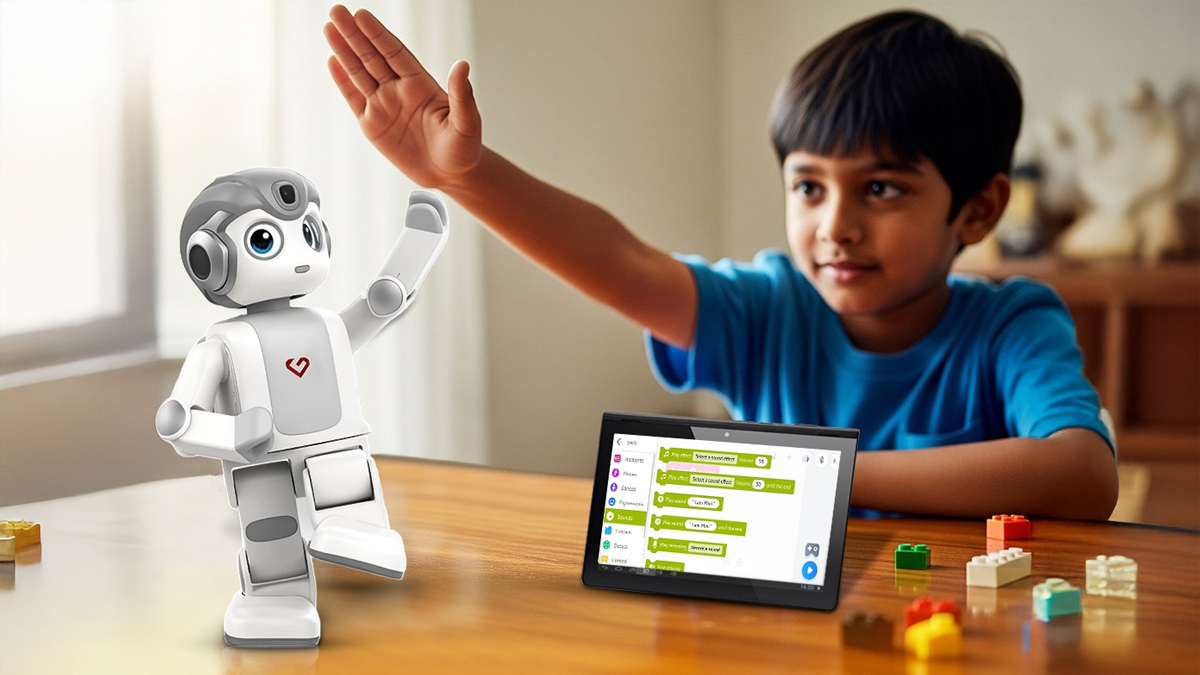
The Alpha Mini 25 is clearly geared toward homes and early education environments. It's lightweight (700g), portable, and expressive, with capabilities such as 13MP face and object recognition, 4-mic sound localization, LTE and GPS connectivity, and child-friendly programmability. Its intended use cases include interactive storytelling, homework help, and emotional support — akin to the smart companions gaining popularity in Korean and Japanese education ecosystems.
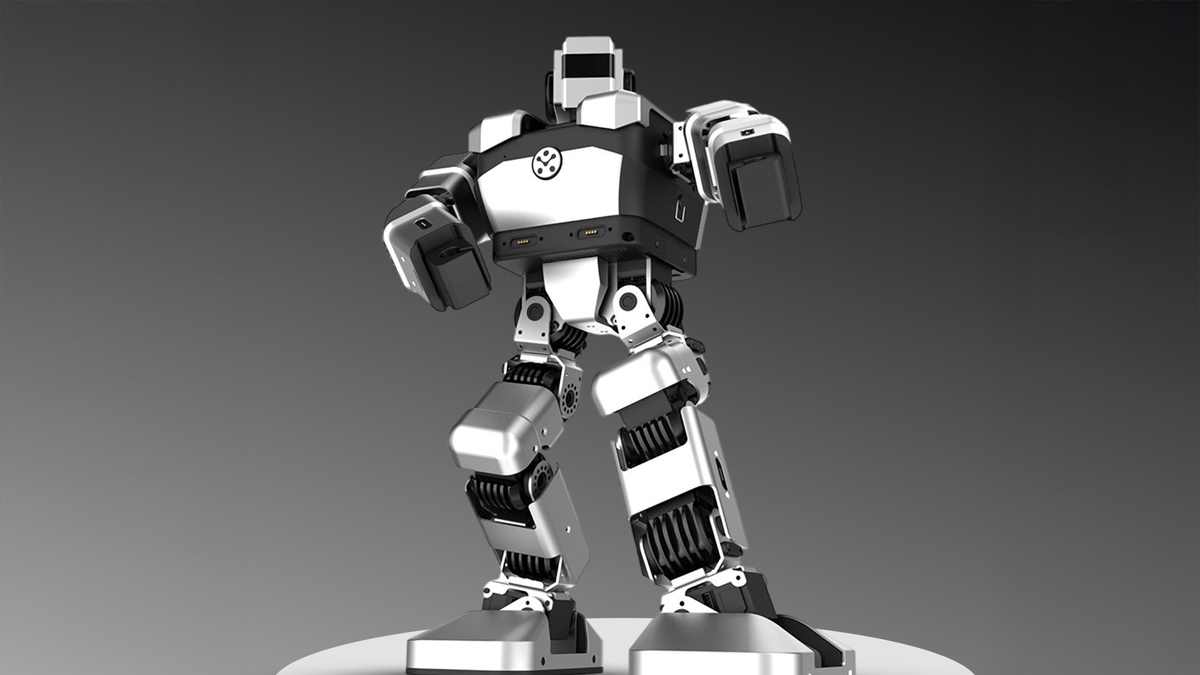
The Yanshee, meanwhile, is aimed at universities, AI labs, and hobbyist makerspaces. It offers an open-source programmable platform, layered architecture with Raspberry Pi + STM32 computing, a wide array of sensors (sound, temp, 9-axis IMU, etc.), and support for multiple coding languages. It's designed to help users test motion control algorithms, run machine learning models, or even prototype hardware integrations via GPIO and HDMI ports.
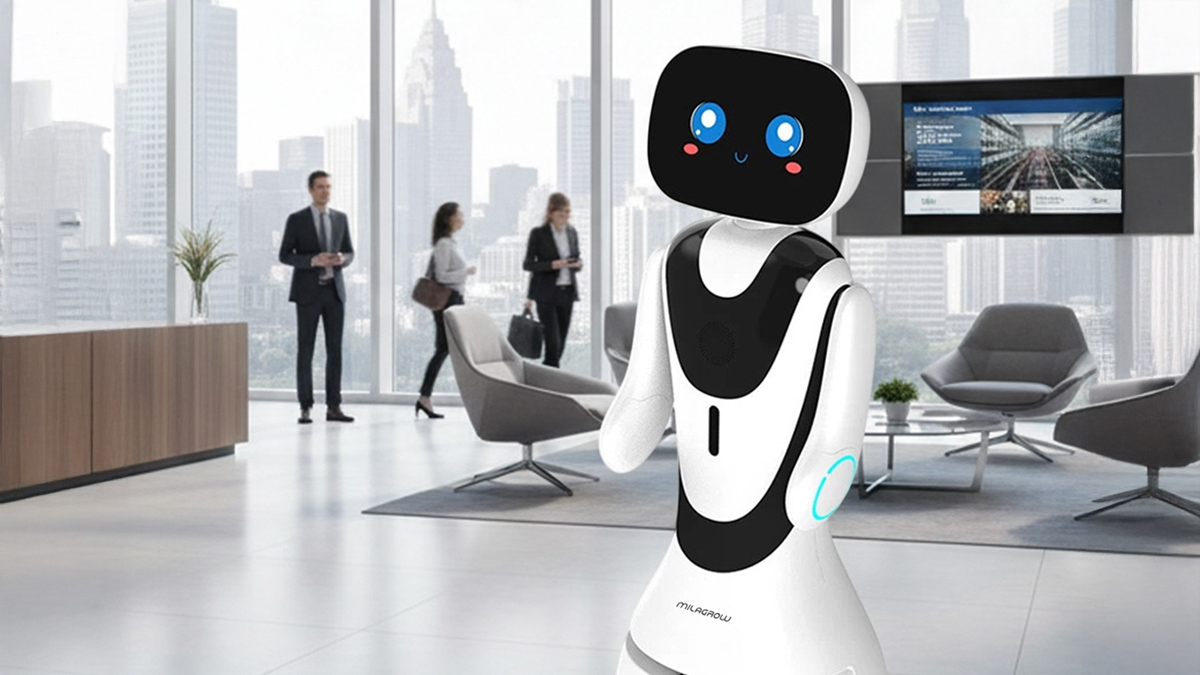
The third model, Robo Nano 2.0, stands out as a fully autonomous service humanoid for airports, malls, hotels, and hospitals. Weighing 19kg, it features omni-directional wheels, obstacle avoidance via TOF radar, multilingual voice AI, HD displays and 3D cameras, and can autonomously recharge itself. Milagrow is also positioning this as a ChatGPT-powered customer interface bot that can deliver 24×7 multilingual assistance while generating analytics on visitor behaviour.
This launch comes at a time when humanoid robotics is gaining renewed attention globally, driven by advances in large language models, real-time computer vision, and autonomous mobility. India is still in the early adoption phase, but pilot deployments in retail, airports, and education are becoming more common. Brands like Invento (Mitra robot), Emotix (Miko), and even IIT-backed initiatives are slowly populating the space.
From a pricing perspective, Milagrow's offerings are still premium:
-
Alpha Mini 25: ₹4,89,990
-
Yanshee: ₹5,99,990
-
Robo Nano 2.0: ₹17,99,990
However, the company offers offline availability through Vijay Sales and sells directly on its website. It is a relatively rare move to sell on its own website in a segment that's often limited to B2B and institutional channels. Most other brands in RVC space are focusing largely on online sales
Should You Buy?
These robots are not mass-market smart assistants like Alexa or Jio Glass. They are high-investment platforms suited for schools exploring AI, businesses seeking experiential CX automation, and families willing to experiment with cutting-edge tech for child development. Buyers must also factor in long-term support, programmability needs, and deployment environments. For educational institutions, Milagrow's programmable architecture and sensor stack may offer a compelling alternative to more closed systems from global rivals.
That said, price-to-value will be closely scrutinized, especially as local developers and global players like Ubtech begin ramping up India activity. There's also a need to evaluate after-sales support, curriculum integration, and data privacy safeguards if these are used in learning or healthcare environments.
Milagrow's humanoid bet is bold, timely, and in sync with a world gradually moving toward emotionally aware, LLM-integrated robotics. The real test, however, lies in building a robust ecosystem — support, developer tools, customisation options — around these platforms. If Milagrow can bridge the gap between high-tech features and real-world deployment support, this portfolio could set the tone for India's next phase in personal and commercial robotics.
But for now, the pricing and use cases remain sharply focused on early adopters, institutions, and CX-led businesses, not everyday home users.