The Dreame D20 Ultra enters India’s robot vacuum market at Rs 39,999, a price point where buyers expect more. It is aimed at buyers seeking a more automated cleaning experience, offering strong suction, LiDAR-based navigation, and a multifunction base station that handles dust disposal and mop maintenance. At this price, it competes with options like Ecovacs DEEBOT MINI and Eureka Forbes SmartClean Auto Bin S2, both of which offer vacuuming and mopping with dock-based systems but are limited to 9000Pa suction.
Dreame D20 Ultra
Rs 39,999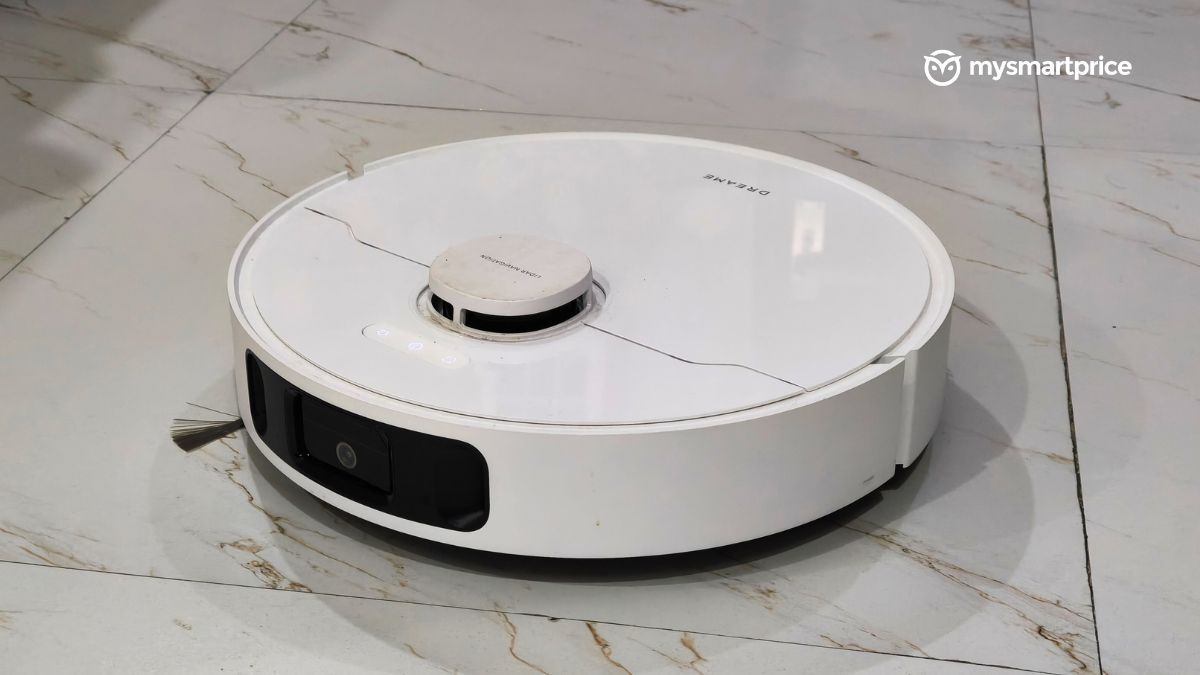
What Is Good?
- Strong suction and effective dust and fine particles pick-up across floor types.
- Rotating mop pads that can effectively clean the corners
- Smart navigation with obstacle detection and carpet-sensing suction
- Feature-rich app controls and a base station that reduces manual cleaning effort
What Is Bad?
- Long cleaning time for full houses due to frequent base returns
- Struggles with cables, requiring manual intervention
On paper, the D20 Ultra appears better equipped, especially with its higher suction and rotating mop pads for deeper cleaning. However, features alone do not guarantee real-world performance. I spent considerable time using the robot vacuum to see how well it handles daily cleaning and whether it justifies its price.
Design and Build Quality
The D20 Ultra follows the familiar design language of most robot vacuum cleaners, with its internal components housed in a circular shell.
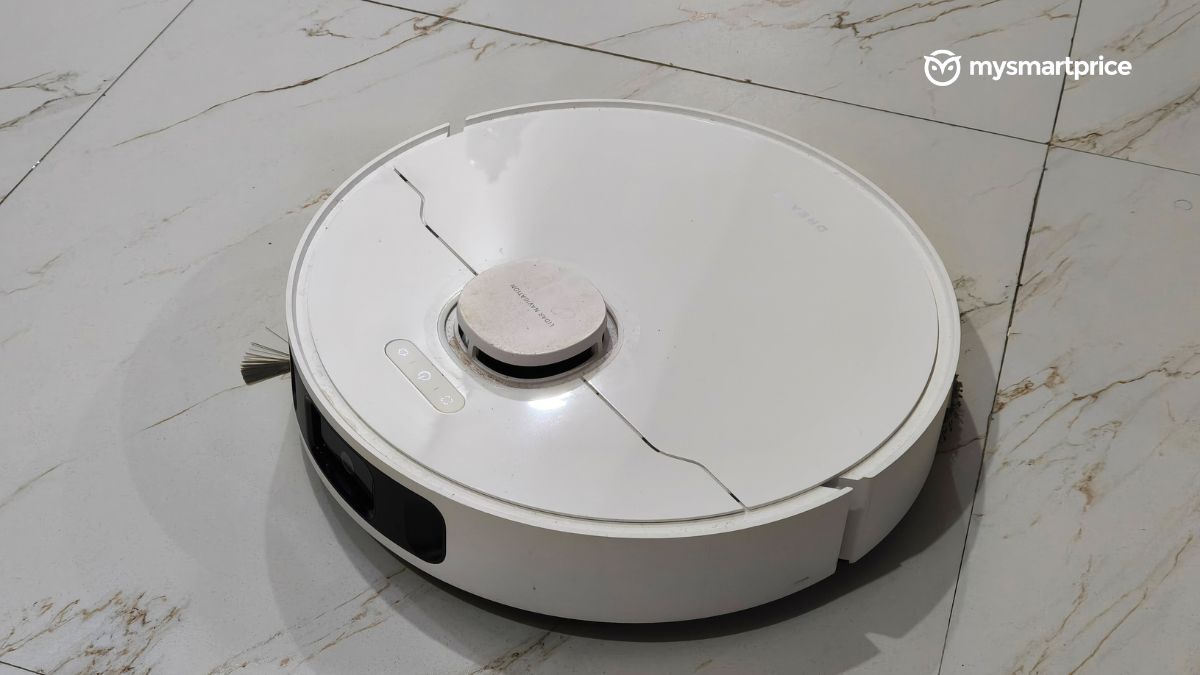
Unlike many models that opt for darker finishes, this unit features a white chassis, giving it a clean, minimal look out of the box. However, the lighter finish also shows dust and muddy water stains fairly quickly, especially around the lower edges and sensors after a week or so of regular use.
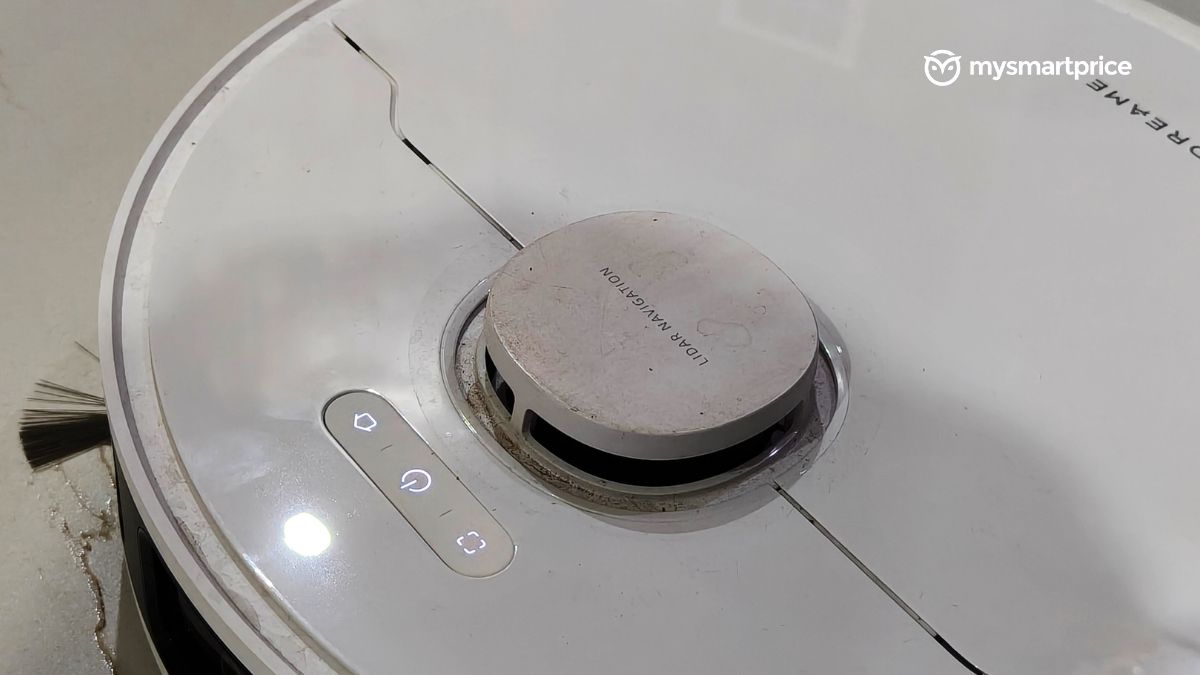
Dreame lists the robot vacuum cleaner’s height at 104mm, including the LiDAR module. This allows it to move under most sofas, beds, and cabinets without much trouble. That said, the raised LiDAR turret can still prevent it from going under furniture with very low clearance.
Build quality is solid. The chassis feels sturdy, and the robot vacuum cleaner houses a 320ml dust box that can be easily removed for manual cleaning.
Unlike many robot vacuum cleaners with an onboard water tank, the D20 Ultra relies on its multifunction base station for water management and mop cleaning.
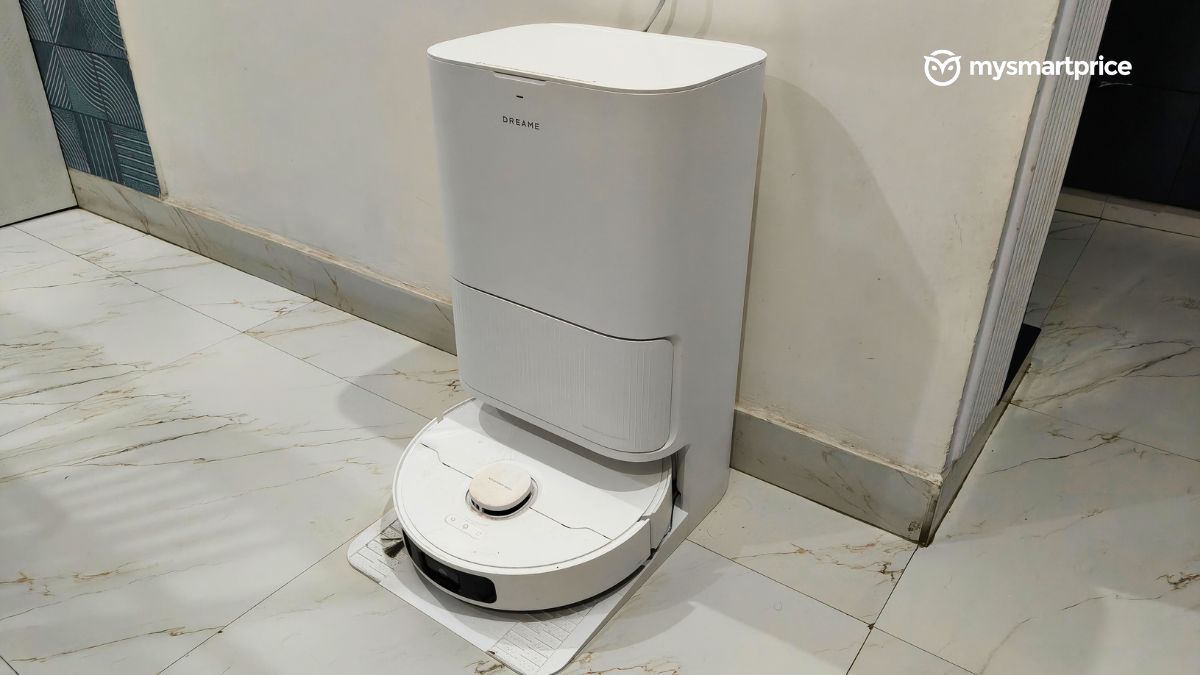
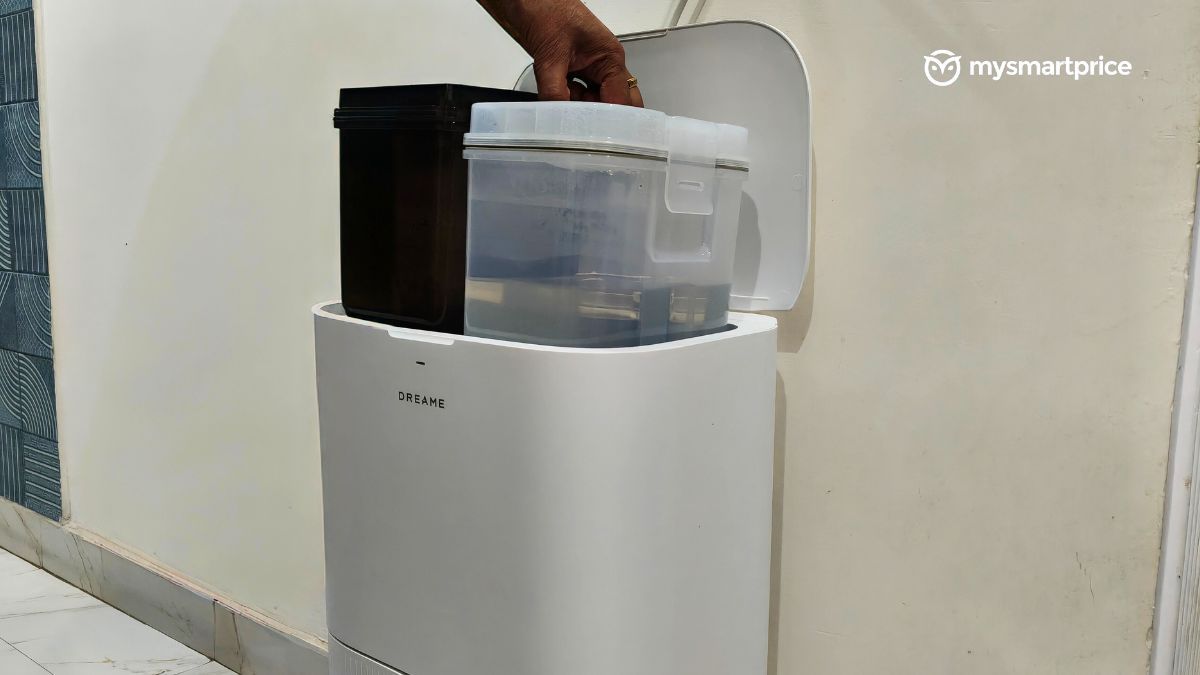
The station supplies water to the mop pads from a 4.5-litre clean-water tank and gathers the used water in a 4-litre used-water tank after the cleaning cycle.
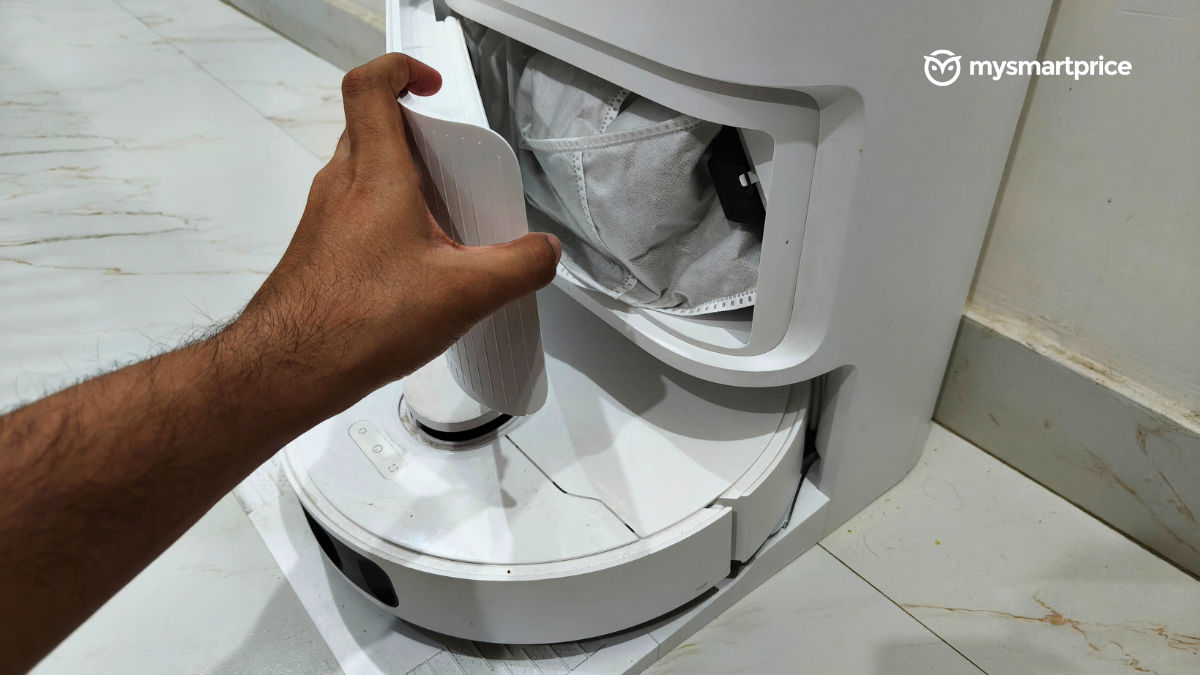
It also transfers all the collected dust and dirt from the robot vacuum cleaner’s dust box into a 3.2-litre replaceable dust bag, which reduces the need for frequent manual emptying. Dreame includes an additional dust bag in the box. The station also dries the mop pads once the robot vacuum cleaner docks.
Because it handles multiple tasks, the base station is fairly large and weighs around 8.3kg. It takes up more space than a typical charging dock, but it also reduces the amount of routine maintenance required.
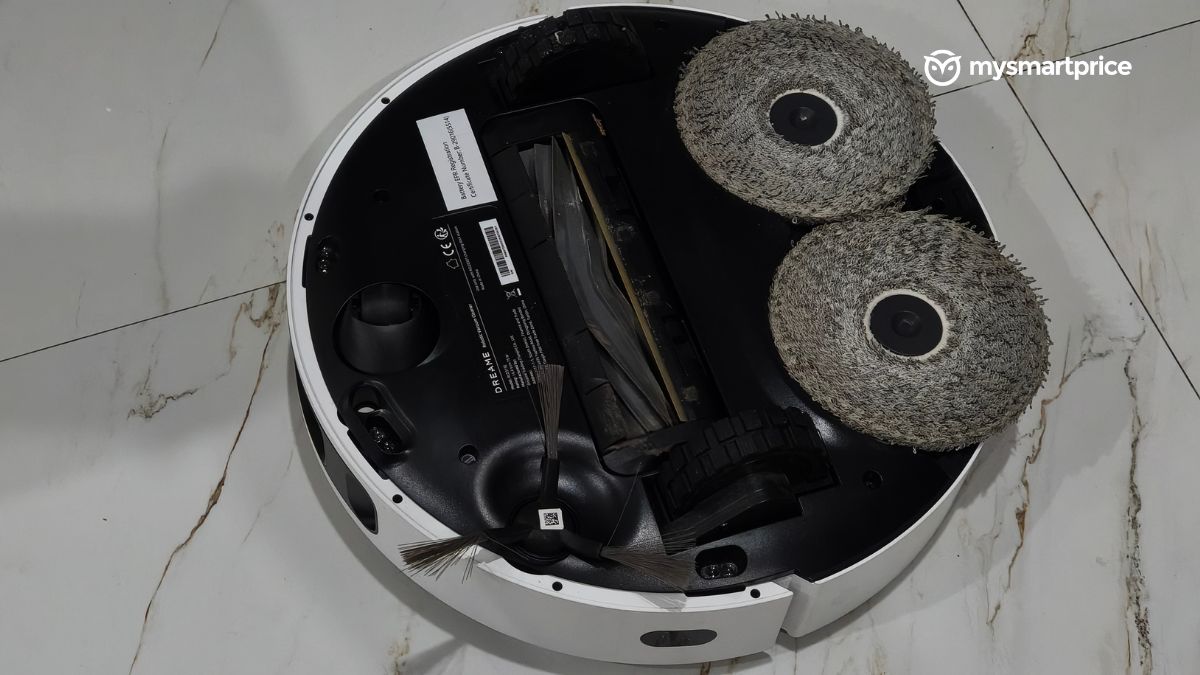
The bundled accessories also feel well-made. The side brush feels robust to the touch, despite being plastic, while the mop pads attach magnetically to the robot vacuum cleaner, making them easy to install and remove during routine cleaning.
Navigation, Cleaning, and Battery Life
The D20 Ultra uses a LiDAR-based navigation system to map its surroundings before cleaning an area in a systematic S-pattern.
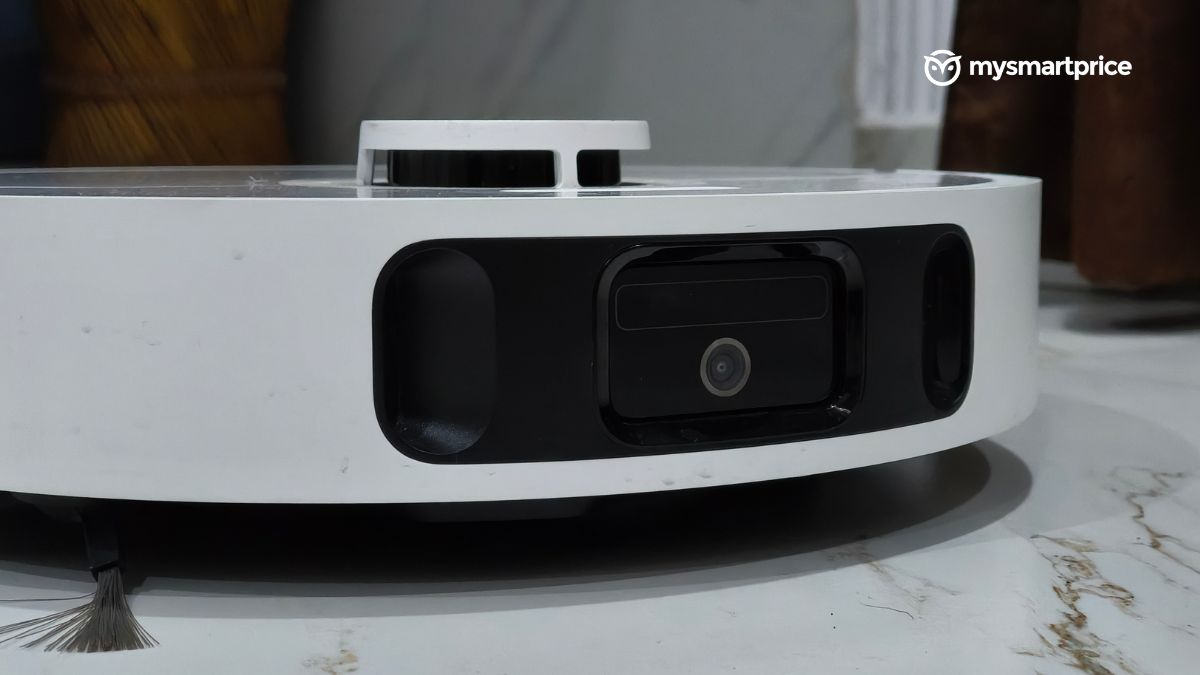
While Dreame hasn’t disclosed the exact LiDAR version, the sensor setup here feels more comprehensive than that of many models in this segment. This setup includes a 3D Line Laser Sensor at the front and edge sensors on both sides, which help the robot vacuum cleaner detect objects in its path and adjust its movement accordingly.
In practice, the system works reliably. The robot detects obstacles early and changes its route before making contact. When approaching stationary objects, such as a stool in the cleaning area, the robot vacuum cleaner slows and stops just short of contact, as if it is being magnetically repelled. It then quickly redirects itself and continues cleaning along a different path. Smaller objects, such as flip-flops, are also detected and avoided instead of being pushed around during a cleaning run. This helps it keep cleaning without constantly disturbing items on the floor.
The D20 Ultra also features ultrasonic carpet sensing, which automatically increases suction power when it moves onto carpets. This helps the vacuum remove embedded fine dust and particles more effectively.
It also has cliff sensors to detect sudden drops. But I have yet to experience how these sensors perform in such situations.
From a cleaning perspective, the D20 Ultra is competent thanks to its 13,500Pa suction motor, which effortlessly lifts dust, paper shreds, and fine particles such as salt. However, it tends to treat larger crumpled bits of paper as obstacles rather than sucking them up. The mopping experience is where it truly excels.
Unlike standard robot vacuum cleaners, the D20 Ultra rotates its two mop pads to thoroughly scrub the floor. I tested it on a 1m² area with ketchup, set the mop route to “deep,” and it left the floor spotless.
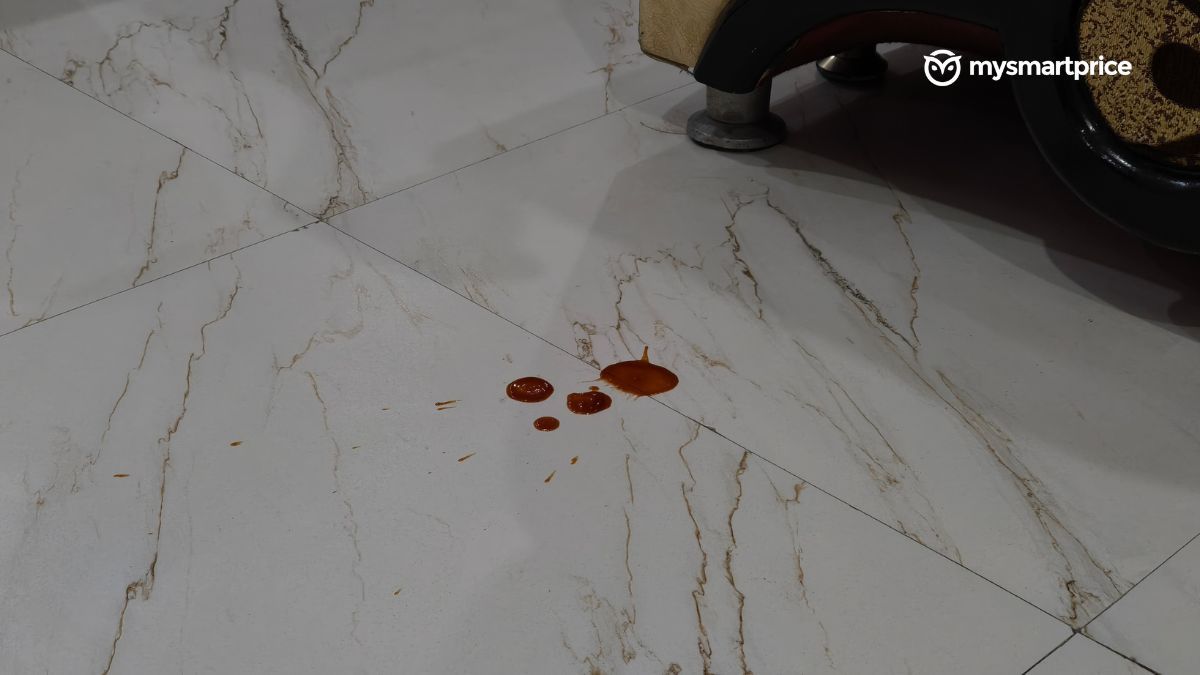
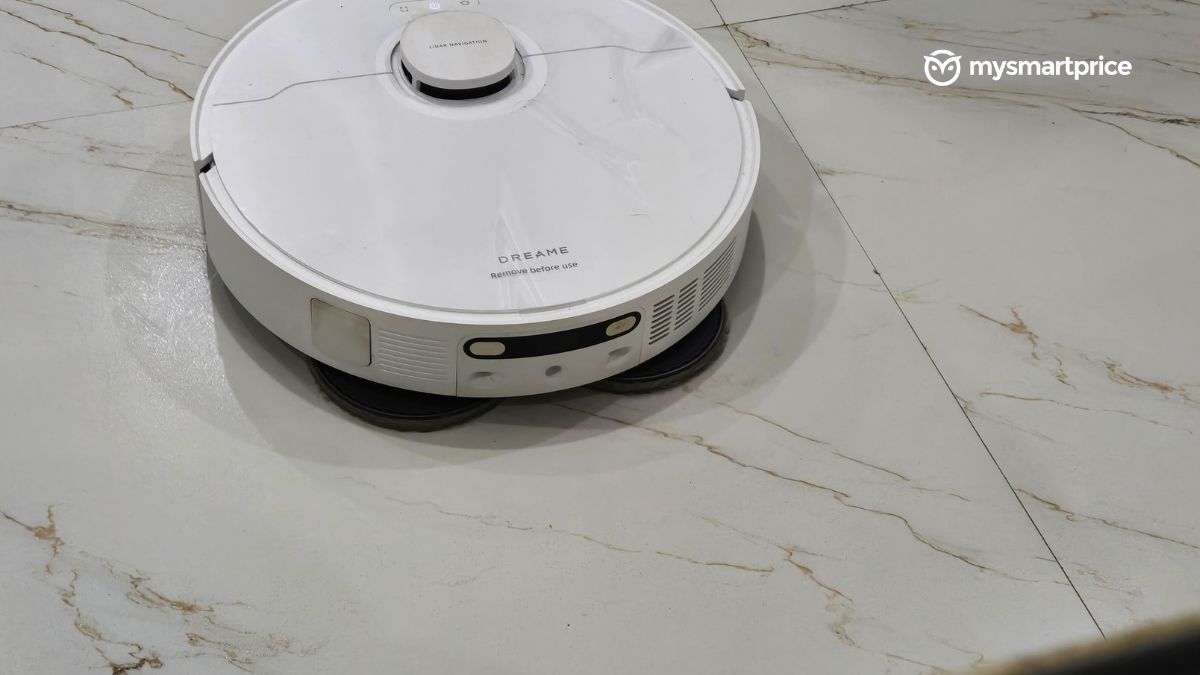
The surface was slightly sticky after the first pass, but a second run cleared it completely. While mopping, the robot vacuum cleaner also swings its rear side, where the mop pads are, to reach corners effectively. When it doesn’t need to use the mop pads, it lifts them up to around 10.5mm from the floor.
That said, the D20 Ultra takes nearly two hours and 34 minutes to clean my 3BHK house, as it often returns to the base to refresh its mop pads and empty the dust tank. It also struggles with cables. Phone charger cables frequently get caught in the main brush.
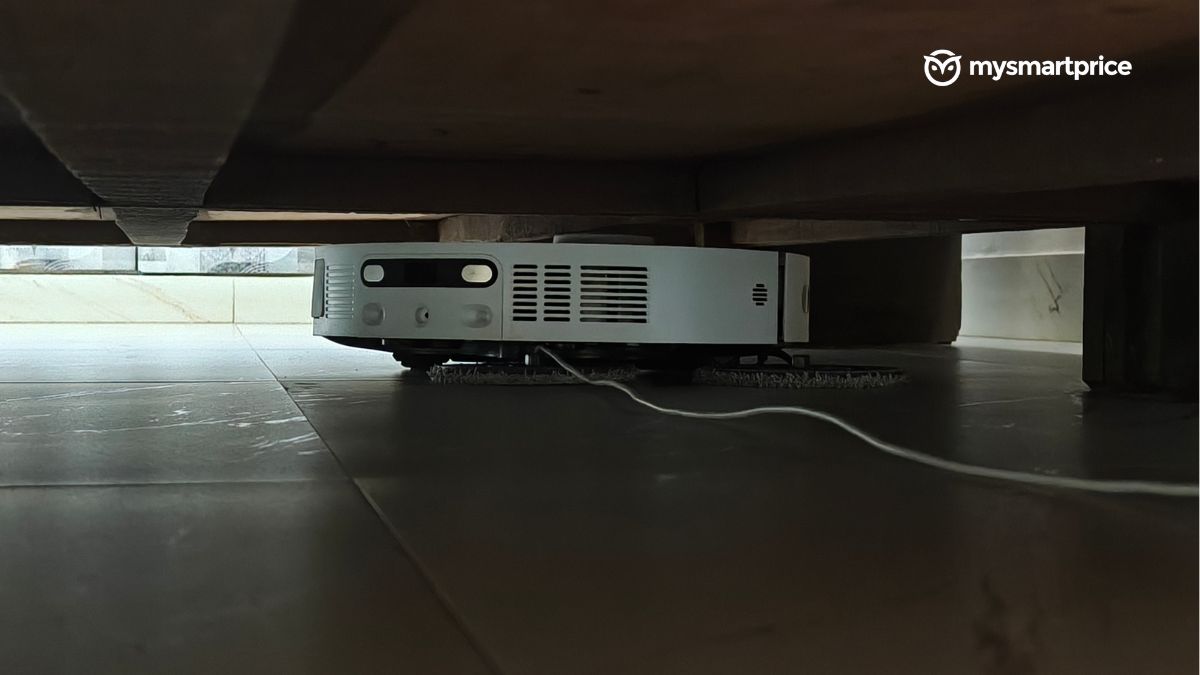
In fact, it has damaged the jacket of my MacBook charger cable, making it completely unusable. Thicker appliance cords, such as those from an iron, tend to get looped around the mop pads, which can dislodge the mop pads from the base and prevent the robot vacuum cleaner from functioning. When this happens, it requires manual intervention, which can be quite frustrating.
The D20 Ultra comes with a 5200mAh battery. By the time it finishes cleaning my house under the CleanGenuis Mode, the battery usually drops from 100 percent to around 18 percent, prompting the robot to quickly rush back to the base station to recharge.
App Support
The D20 Ultra uses the DreameHome app, and pairing the robot is quite simple, taking only a few minutes.
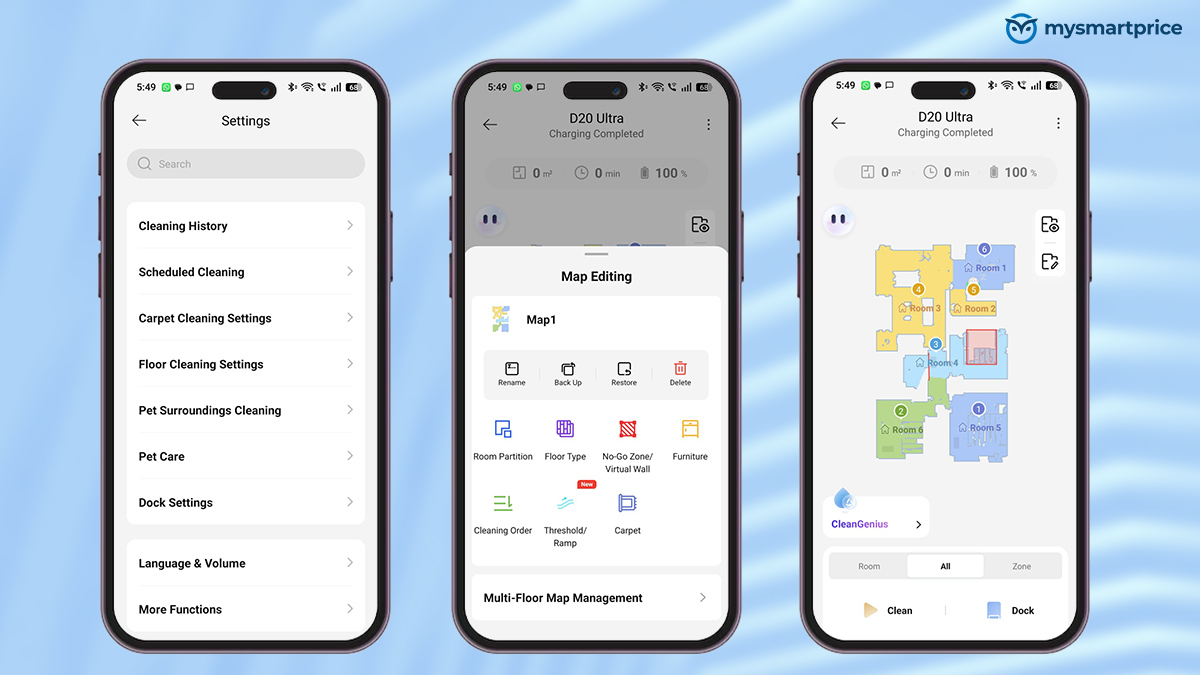
Once connected, managing the vacuum becomes much easier. The app allows you to monitor battery life, track its location even when you’re away, schedule cleaning sessions, and set up no-go zones or no-mop areas. It also includes a virtual boundary feature to prevent the robot from getting trapped under furniture. If the robot does get stuck, it sends notifications through the app and issues loud voice alerts to grab your attention. You can store up to five maps within the robot.
Where the app feels more comprehensive is in the level of control it offers over cleaning. The D20 Ultra can be set to mop only, vacuum only, vacuum and mop simultaneously, or mop after vacuuming. The app also allows adjustment of suction power and vacuuming route, as well as mop-washing frequency and mopping route. There is also a separate CleanGenius mode, which lets the robot decide the cleaning parameters, including mopping frequency, on its own and step up cleaning in dirtier areas. Beyond that, the app notifies users when the used-water tank needs emptying, the washboard needs cleaning, or the dust bag is full. It also includes pet-focused options that allow deeper cleaning around areas like pet feeders and litter boxes, while avoiding pee pads.
Verdict
The Dreame D20 Ultra impresses with strong suction, smart navigation, and an effective mopping system that scrubs floors thoroughly and reaches corners. Its LiDAR and sensor setup help it avoid obstacles and adjust suction on carpets. The DreameHome app adds convenience with scheduling, virtual boundaries, multi-map storage, and pet-specific cleaning modes. The multifunction base station reduces routine maintenance by handling mop washing, water management, and dust disposal.
However, cleaning a full house can take hours, and the robot struggles with cables, which can get tangled or damage wires. Large crumpled papers are also avoided rather than cleaned. Despite these issues, its performance, smart features, and versatile app support make it a highly capable and efficient robot vacuum cleaner.