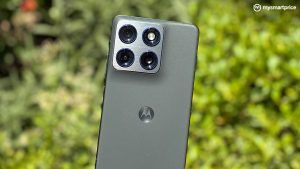
The sub-Rs 20,000 segment in India has always been the most contested battleground for smartphone brands, and 2026 has only made the fight more interesting. As of Q1 2026, with global RAM and storage prices climbing, an unstable situation in the Middle East pushing crude oil rates up, and supply chains under pressure, there is a real possibility that smartphone prices in India will go up in the coming months. That makes the current line-up under Rs 20,000 worth paying close attention to, because what you can buy today may not be available at the same price tomorrow.
The good news is that this segment is currently packed with genuinely capable devices. AMOLED panels, IP-rated bodies, 90fps gaming, telephoto cameras, and 7,000mAh batteries are no longer exclusive to phones costing twice as much. We have spent time with the most relevant launches in this bracket and shortlisted five phones that stand out based on our internal smartphone testing scores, where we evaluate factors such as CPU and GPU performance, storage speeds, display quality, battery life, camera performance, and overall user experience. Whether you care most about cameras, battery, gaming, or a balanced everyday experience, these are the phones that impressed us the most in Q1 2026.
Top Picks Under Rs 20,000 in India
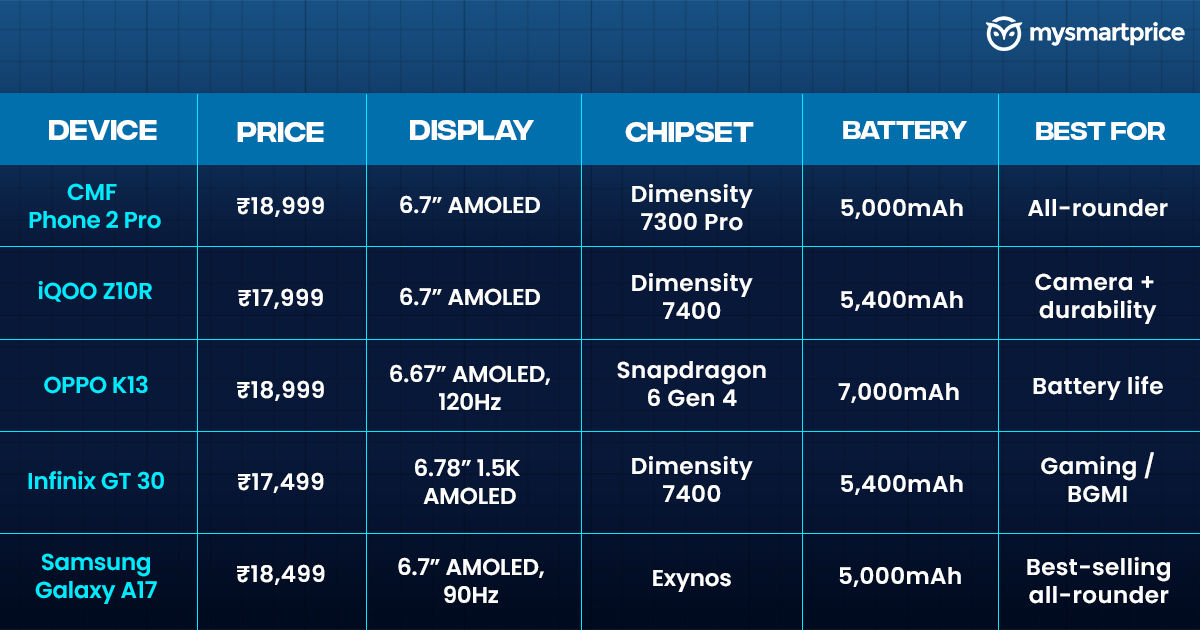
Below is a quick snapshot of the five phones we recommend in this segment, followed by a detailed look at each one.
CMF Phone 2 Pro
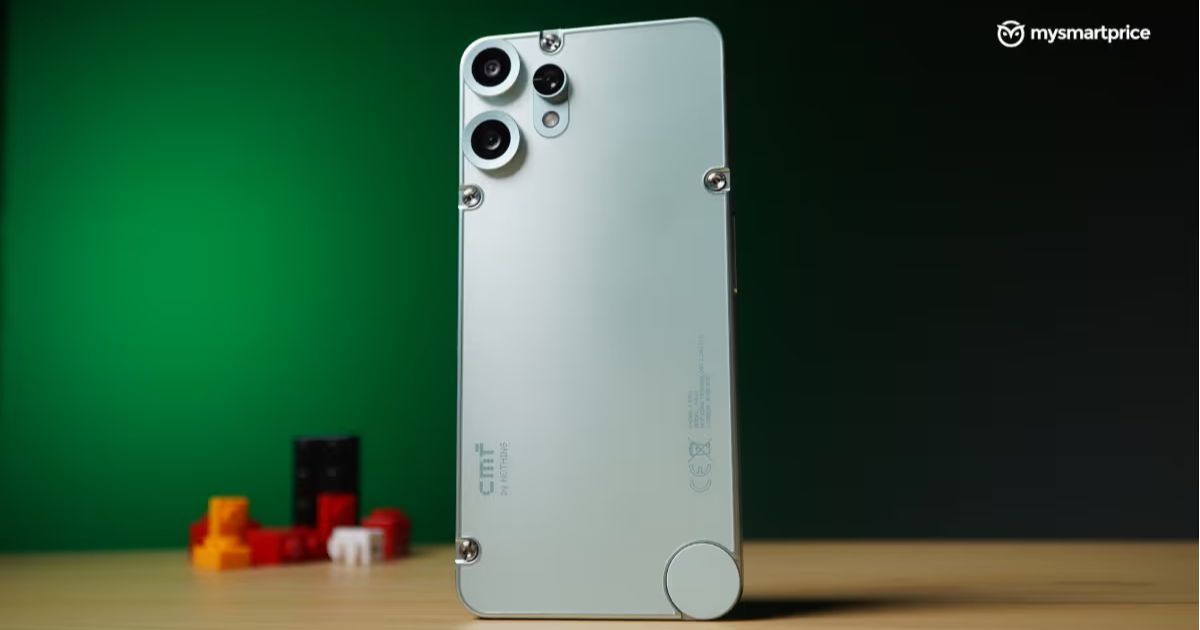
The CMF Phone 2 Pro by Nothing is the phone we would recommend to most buyers walking into this segment without a fixed preference. It carries the modular, screw-exposed design language that CMF has built its identity around, and at this price point that uniqueness alone sets it apart from the sea of glossy slabs.
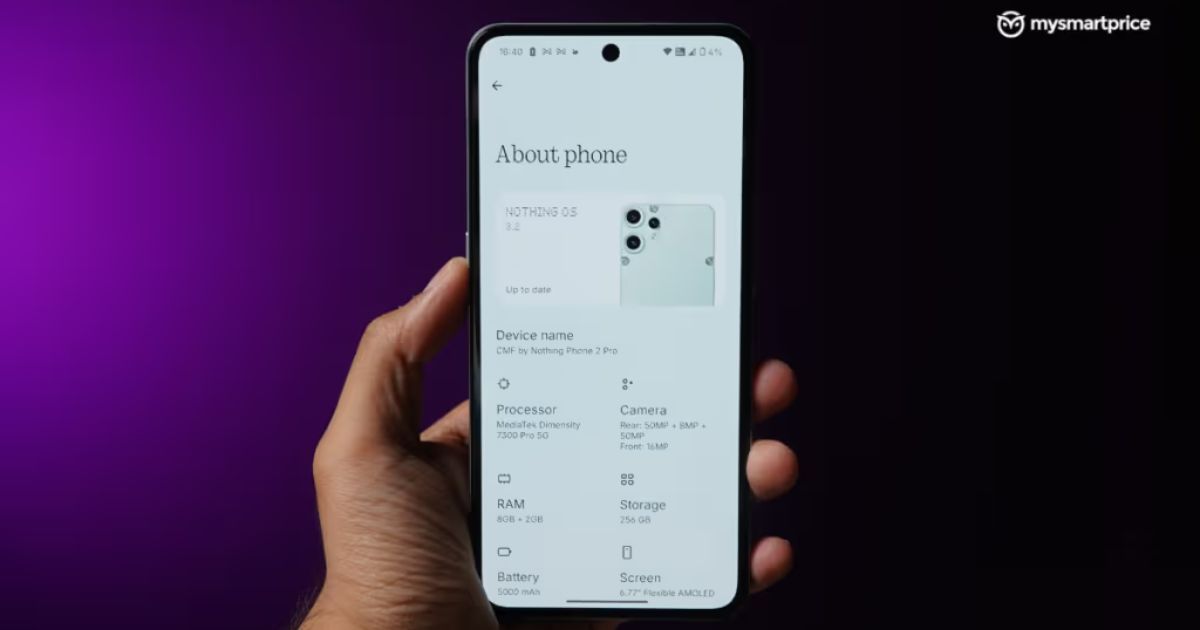
On the front, you get a 6.7-inch AMOLED display with Panda Glass protection, and under the hood it runs on MediaTek’s Dimensity 7300 Pro. That chip handles BGMI at high frame rates comfortably, and day-to-day navigation through Nothing OS feels noticeably smoother than most skins in this range. The camera setup is what really pulls ahead, though: a primary, an ultrawide, and a dedicated telephoto, the last of which is genuinely rare under Rs 20,000.
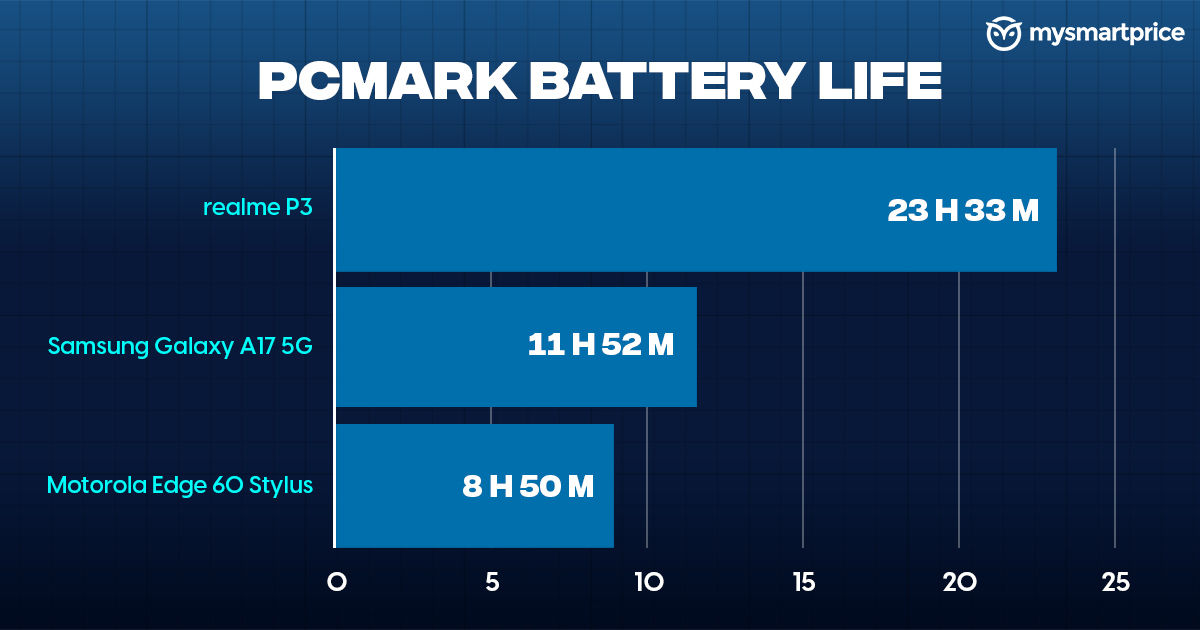
Battery is rated at 5,000mAh but in our testing it delivered backup closer to what 6,000mAh phones manage, thanks to good optimisation. Software support runs to three years of Android updates and six years of security patches. The only real complaint is that there is no charger in the box, which adds to the effective cost.
iQOO Z10R
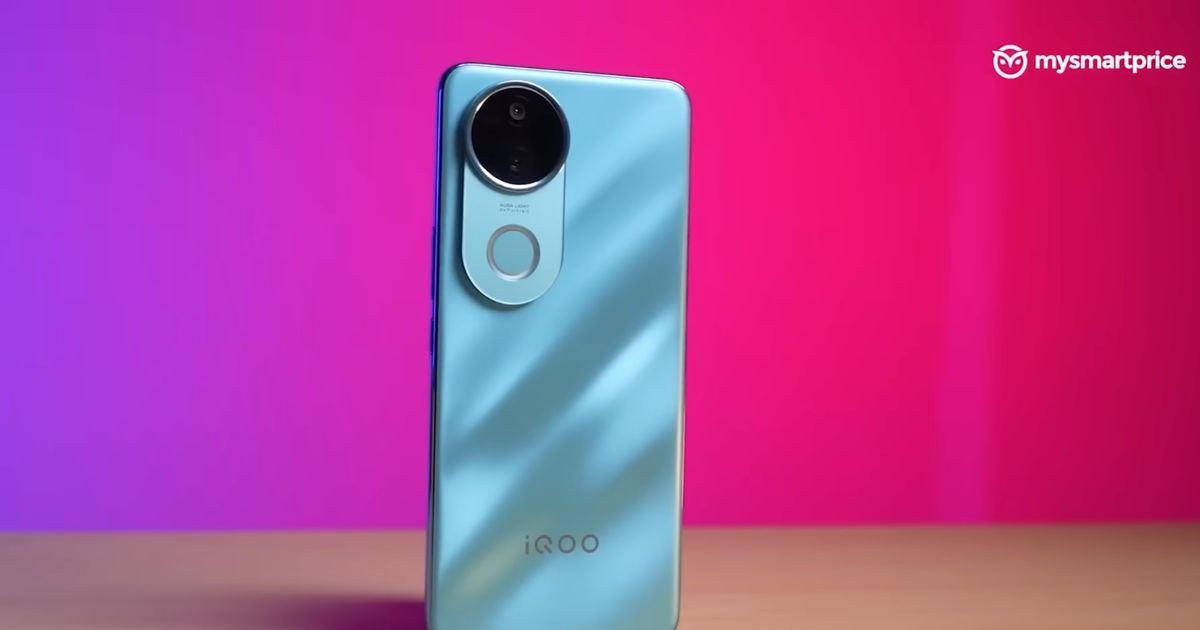
If your priority is the camera, with durability as a bonus, the iQOO Z10R earns its place. It uses a single rear camera (technically its a dual camera setup, but the other one is just the depth sensor), but the Sony IMX882 sensor behind it is one of the better units in this price bracket, and the front camera matches it for selfies. Output is sharp, colours are restrained rather than oversaturated, and low-light handling holds up better than most rivals here.
The AMOLED display has slim bezels that give the phone a premium feel in hand. More importantly, it carries both IP68 and IP69 ratings, which is genuinely uncommon at this price and makes the phone usable in conditions where most competitors would not survive. Performance comes from the Dimensity 7400, which handles everything from social apps to mid-weight gaming without complaints.
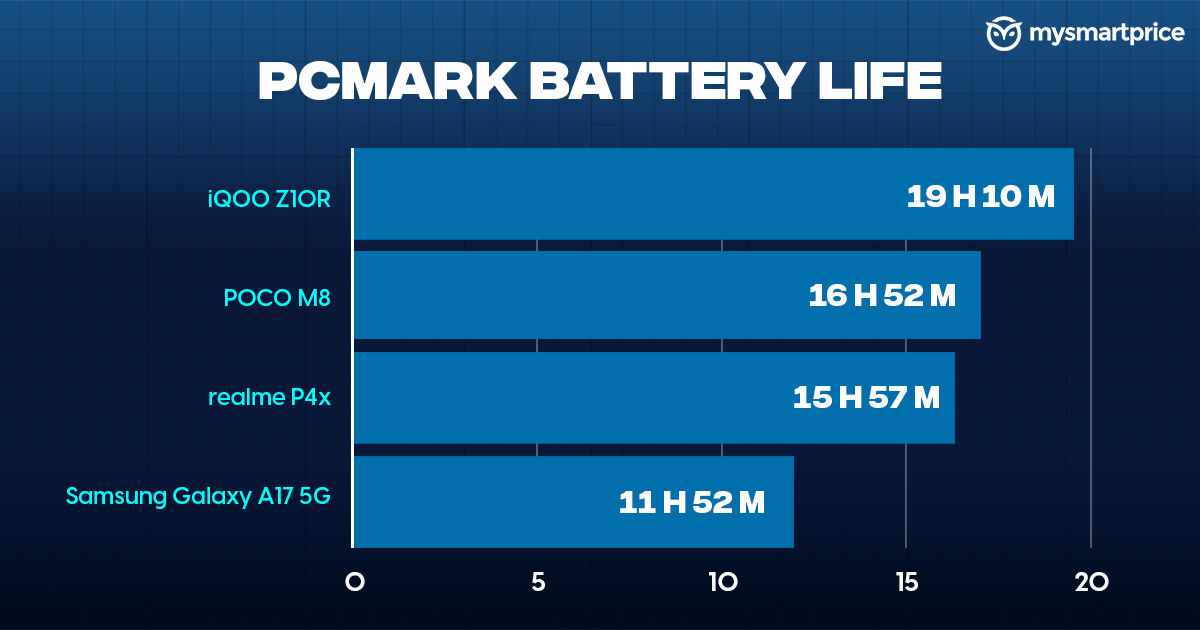
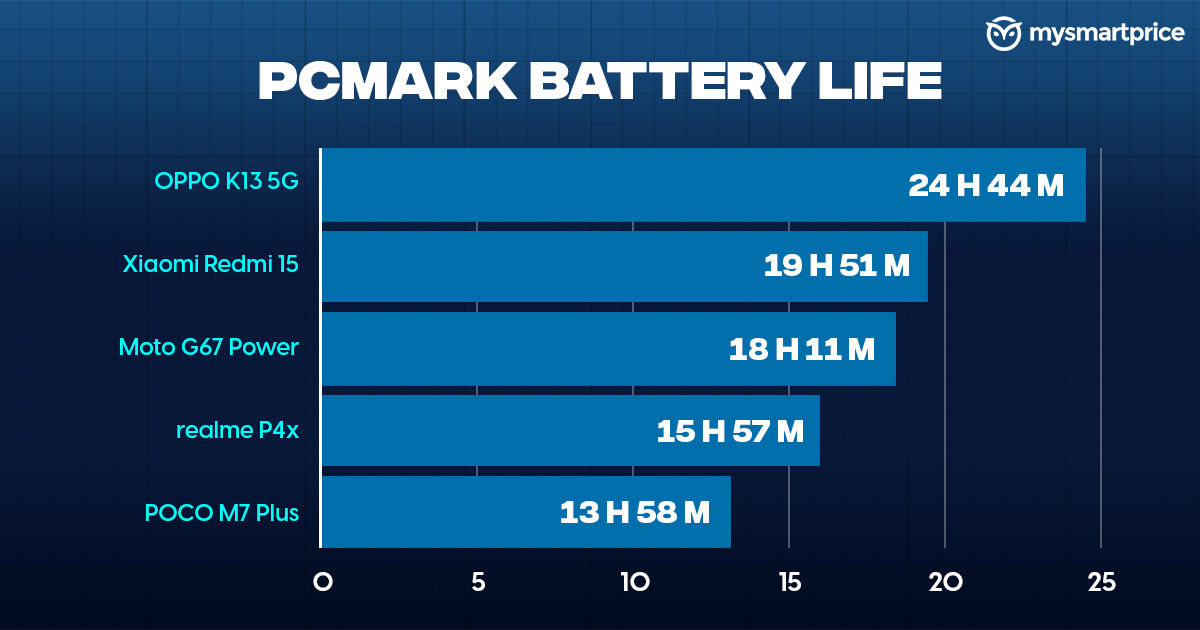
The 5,700mAh battery clocked 19 hours in our PCMark test, and with moderate real-world use it comfortably crosses a day. A 44W charger is included in the box. It ships with Android 15, and iQOO has confirmed an Origin OS update is on the way with new AI features. Update policy is two OS versions and three years of security patches, which is the weakest link.
Oppo K13
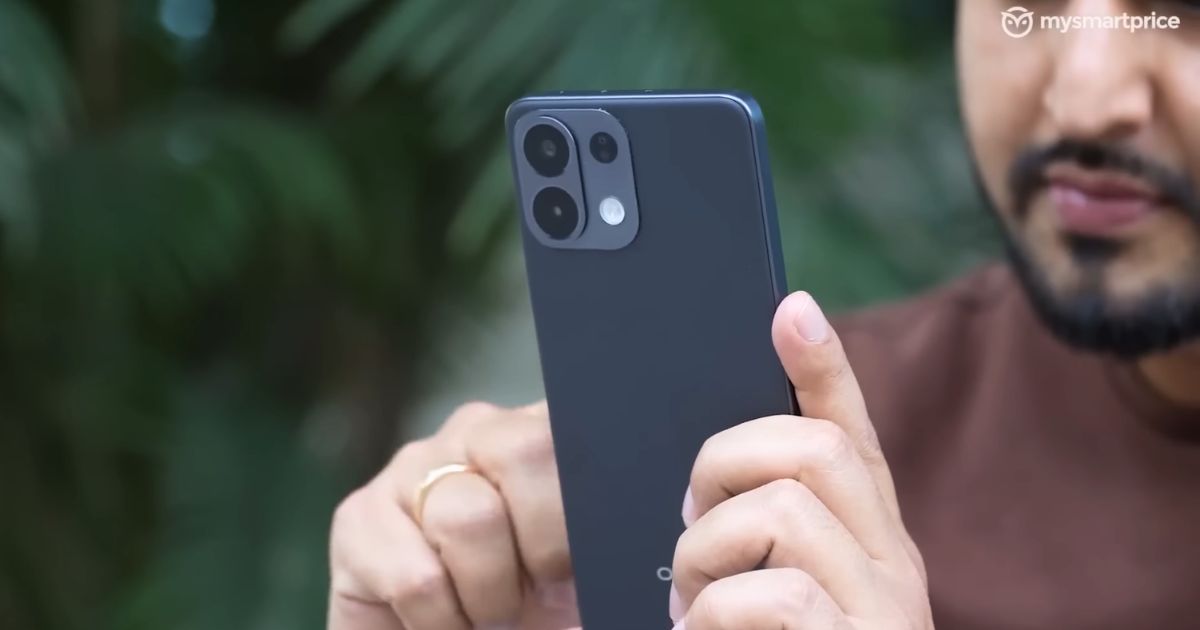
The K13 is the phone to buy if battery is non-negotiable. Oppo has packed in a 7,000mAh cell, and in our drain tests it outlasted every other phone on this list by a meaningful margin. To make sure you are not stuck charging it for hours, the box includes an 80W SuperVOOC charger.
Beyond the battery, the K13 brings a 6.67-inch 120Hz AMOLED display and stereo speakers, which together make it a strong pick for long video sessions and calls. The Snapdragon 6 Gen 4 paired with UFS 3.1 storage handles gaming at high frame rates well. There is an IP65 rating, and Oppo’s Splash Touch technology means the screen stays responsive when wet, and the touchscreen also works with gloves on.
ColorOS adds a useful set of AI tools, including AI Transcribe, Voice Scribe, AI Eraser, Reflection Remover, and Clarity Enhancer, which are genuinely useful rather than gimmicky. Camera output, both rear and selfie, is reliable for the price.
Infinix GT 30
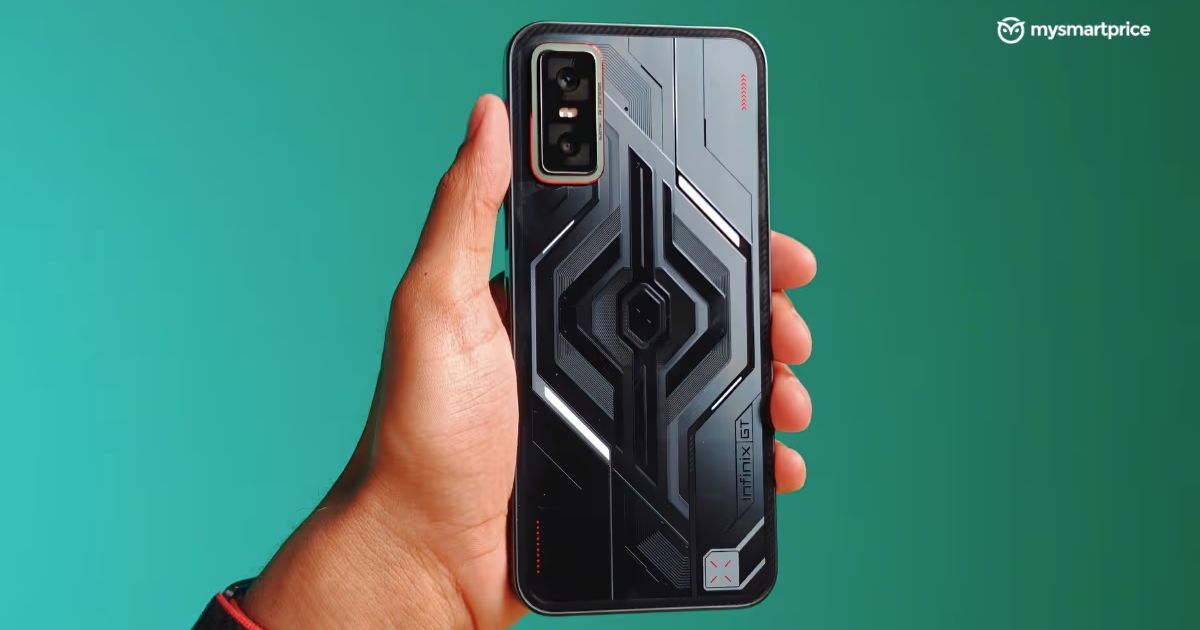
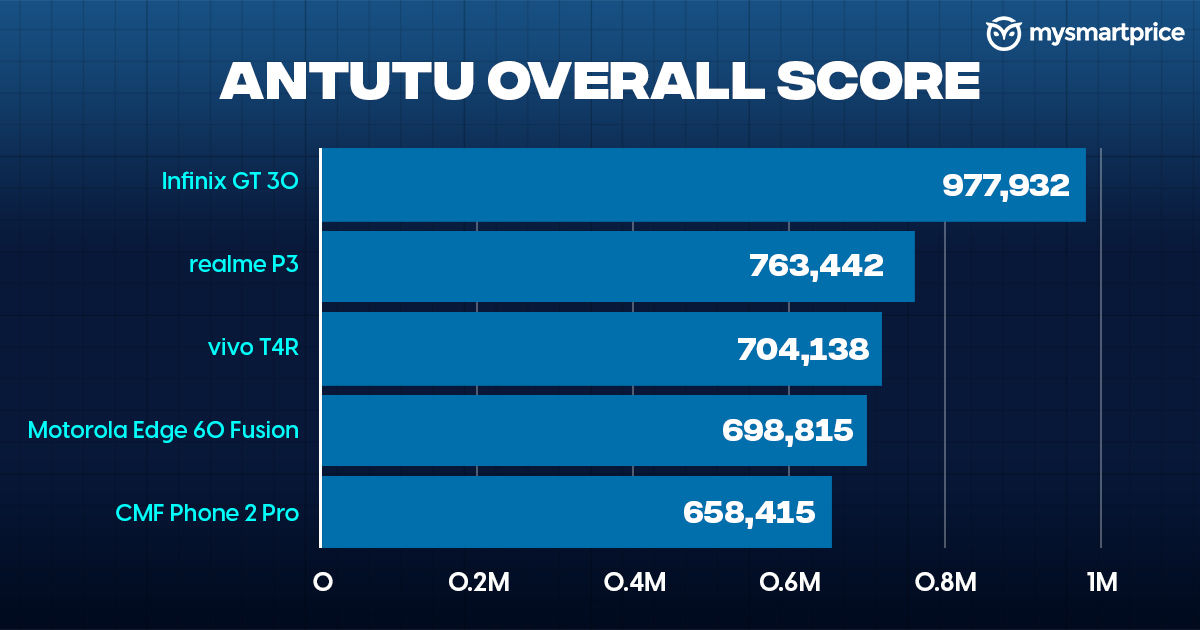
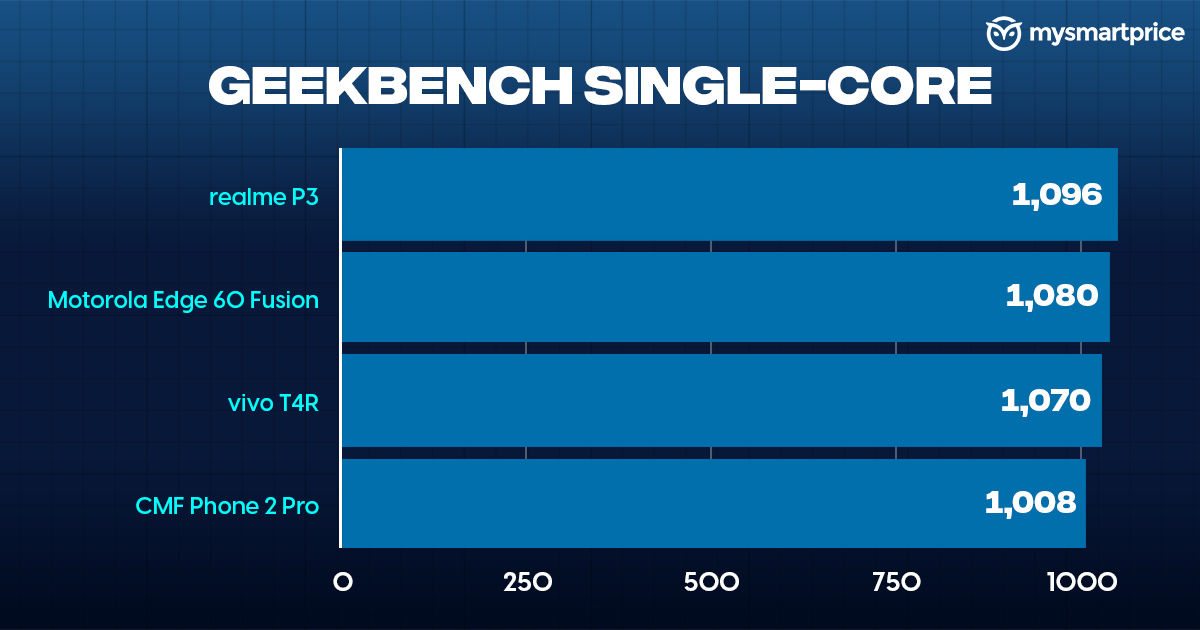
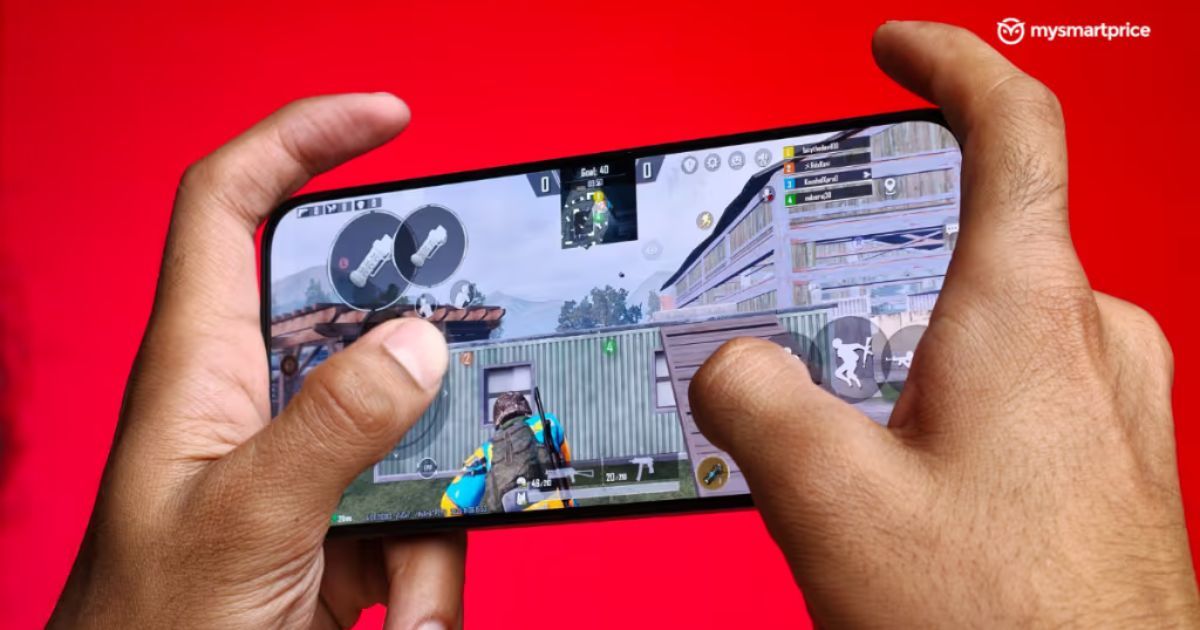
For someone who care primarily about gaming, the Infinix GT 30 is the most focused option here. It runs on the Dimensity 7400 and pushes BGMI at 90fps with stable frame delivery. The transparent back panel is a styling choice that fits the gaming brief, and the stereo speakers add to the experience. Here’s how the phone performed on benchmarking platforms:
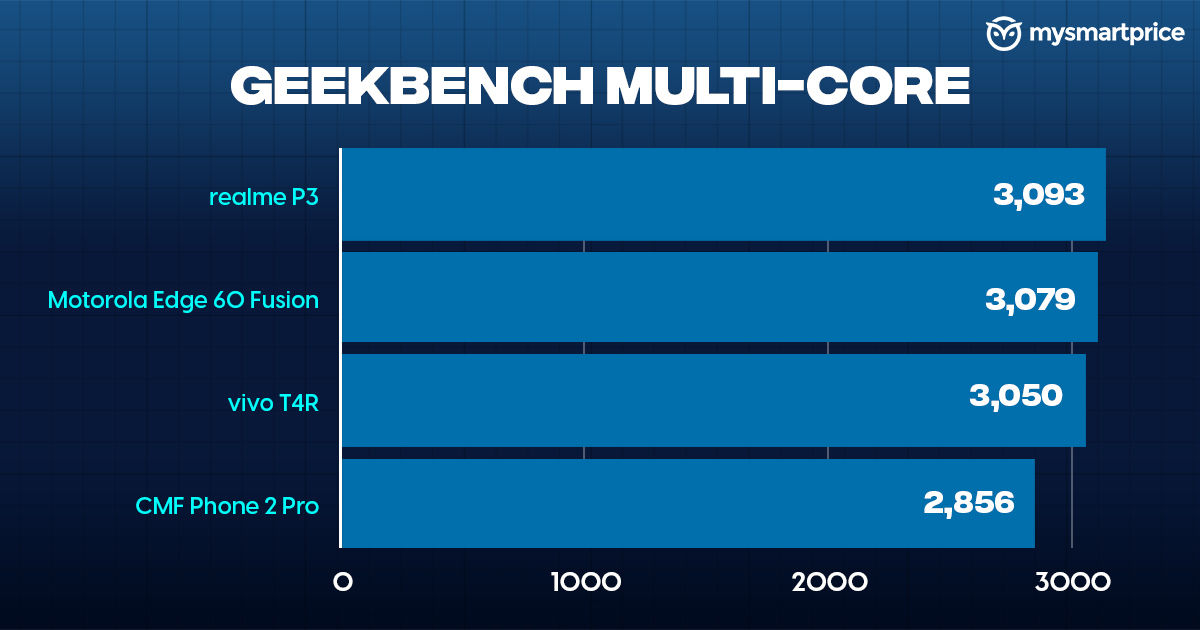
| Hardware | Specifications |
| RAM | 8GB LPDDR5X |
| Storage | Up to 256GB UFS 2.2 |
| Storage Test | 44493 |
| CPU Throttling Test | 81 per cent |
| Software Version | XOS 15, based on Android 15 |
| Connectivity Details | Bluetooth 5.4 and Wi-Fi 6 |
| Number of Software Updates | Two years of major OS upgrades and three years of security updates |
The display is a 1.5K AMOLED panel, which is a step above the FHD+ screens most of its rivals use. Durability is covered by an IP64 rating and Corning Gorilla Glass 7i on the front. The 5,400mAh battery ran for over 13 hours in our PCMark test, and a 45W charger is bundled in the box.
Cameras are not the priority here, but the triple setup with a 64MP Sony main sensor, an 8MP ultrawide, and a 13MP front camera covers the basics well enough for social media use.
Samsung Galaxy A17
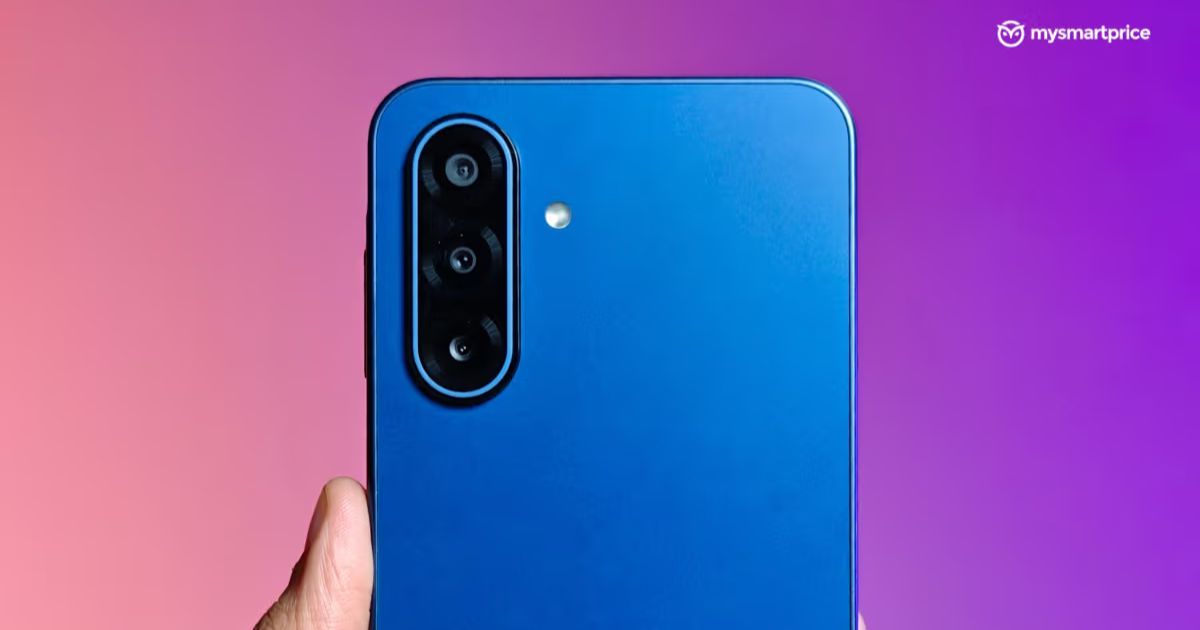
The Galaxy A17 is, in many ways, the second-best all-rounder on this list, and it happens to be one of the best-selling phones in the segment. From the back, it carries a flagship-inspired design with a triple camera setup: 50MP main, 5MP ultrawide, and 2MP macro, paired with a 13MP selfie shooter. The primary camera output is genuinely good for the price.

The front carries Gorilla Glass Victus protection, and the phone has an IP54 rating. The 6.7-inch 90Hz AMOLED display is bright and accurate. The teardrop notch will feel dated to some, which is a fair criticism in 2026. The 5,000mAh battery comfortably lasts a day with moderate use.
Where the A17 pulls clearly ahead is software support: Samsung is offering six years of OS updates, which is unmatched in this segment and effectively turns the A17 into a long-term investment rather than a one-or-two-year device.
Which One Is for You?
| Buyer Type | Recommended Phone | Why |
|---|---|---|
| Wants the most balanced experience | CMF Phone 2 Pro | Strong display, telephoto camera, clean software |
| Camera-first user | iQOO Z10R | Sony IMX882, IP68/IP69 durability |
| Heavy user / travels often | Oppo K13 | 7,000mAh battery, 80W charger |
| Serious BGMI player | Infinix GT 30 | 90fps gaming, 1.5K AMOLED |
| Wants the longest software life | Samsung Galaxy A17 | 6 years of OS updates |
The CMF Phone 2 Pro is the safest choice for anyone who does not want to compromise on any single area, and the inclusion of a telephoto lens at this price is hard to ignore. The iQOO Z10R is the pick for buyers who prioritise photography and want a phone that will survive accidental exposure to water and dust without anxiety. The Oppo K13 is built for users who simply do not want to think about charging during the day, and the 7,000mAh cell genuinely changes the experience.
The Infinix GT 30 is the most specialised of the lot and only makes sense if gaming is the primary use case. And the Samsung Galaxy A17, despite some dated design choices, remains the long-term value pick thanks to its update commitment and proven service network.
Things to Keep in Mind While Buying a Smartphone in India
- Check offline prices before you click buy. Local retailers, especially in Tier 2 and Tier 3 cities, often run bank or exchange offers that are not advertised online. On phones in this segment, the offline price can be Rs 1,000 to Rs 2,000 lower than the listed online price once you factor in cashbacks and instant discounts.
- Compare across at least three platforms. Flipkart, Amazon, and the brand’s own website (Samsung Shop, Oppo Store, iQOO India, etc.) often run staggered offers. The same phone can have very different effective prices depending on the bank card and exchange terms on a given day.
- Factor in the charger. Some phones, including the CMF Phone 2 Pro, do not include a charger in the box. If you do not already own a compatible one, add Rs 1,000 to Rs 1,500 to your effective budget.
- Look at the update policy, not just the spec sheet. A phone with six years of OS updates is a fundamentally different purchase from one with two. If you plan to use the device for three years or more, this matters more than a small chipset difference.
- Verify service centre presence in your city. Samsung and Oppo have the deepest service networks in India, while brands like CMF and Infinix are still expanding. If you are in a smaller city, this can decide how painful any future repair will be.
- Do not buy on launch day if you can wait. Most phones in this segment see a price correction of Rs 1,000 to Rs 2,000 within six to eight weeks of launch, especially during sale events. If you are not in a hurry, waiting almost always pays off.
- Inspect the box at delivery. Whether buying online or offline, open-box delivery is now standard with most platforms. Check the IMEI on the box against the phone, and make sure the seal and accessories are intact before accepting.
- Be cautious with no-cost EMI. The processing fee and GST on EMI conversion can quietly eat into the discount. Calculate the total amount payable before opting in.
The under Rs 20,000 segment in 2026 is in a healthy spot, but with global pricing pressures building, the smarter move is to lock in your purchase sooner rather than later, and to make sure you are buying for the right reasons rather than for marketing-led specifications.