The Rs 25,000 to Rs 30,000 bracket is one of the most competitive segments in the Indian smartphone market right now. Brands are packing flagship-level displays, large batteries, and capable chipsets into phones that were unthinkable at this price just two years ago. However, with so many options available, picking the right one is not that simple. Whether you want the best all-rounder, a gaming beast, a camera phone, or the longest battery life your money can buy, there is a pick here for you. This list has been curated based on the phones that have launched in Q1 2026, and we will be updating this to include the newer launches in due course of time.
Our Testing Methodology: How We Ranked These Phones
Every phone on this list has gone through our internal smartphone testing process, where we evaluate each device across CPU and GPU performance, storage speeds, display quality, battery life, camera performance, and overall user experience. Each factor is scored individually and rolled into a final score out of 10. We only recommend phones we have tested ourselves, and we update this list as new devices launch and prices shift.
Best Phones You Can Buy Under Rs 30,000 in India Right Now
We have picked five phones as our primary recommendations, plus two bonus picks for those who can stretch their budget slightly. Here is a quick look at how all of them compare before we get into the details.
| Device | Price | Our Score | Standout Strength |
| Vivo T5X | ₹26,999 | 8.6 / 10 | Best battery life: 32 hrs in testing |
| realme GT 7T | ₹29,999 | 8.3 / 10 | Top-tier gaming & performance |
| moto Edge 70 | ₹24,999 | 8.3 / 10 | Best all-round package, great build |
| Nothing Phone (3a) Pro | ₹29,999 | 8.2 / 10 | Versatile triple-camera, clean software |
| Infinix GT 30 Pro | ₹24,999 | 8.1 / 10 | Gaming-focused with 144 Hz display |
Scores are based on MSP’s internal testing methodology covering performance, display, battery, camera, and software.
Full Specification Comparison
| Specification | Moto Edge 70 | Vivo T5X | Realme GT 7T | Nothing (3a) Pro | Infinix GT 30 Pro |
| Display | 6.7″ AMOLED 120Hz | 6.7″ LCD 120Hz 1200 nits | 6.8″ AMOLED 1.5K 120Hz | 6.7″ AMOLED 120Hz | 6.78″ AMOLED 1.5K 144Hz |
| Chipset | Snapdragon 7 Gen 4 | Dimensity 7400-T | Dimensity 8400 Max | Snapdragon 7s Gen 3 | Dimensity 8350 Ultimate |
| Battery | 5,000 mAh | 7,200 mAh | 7,000 mAh | 5,000 mAh | 5,500 mAh |
| Charging | 68W | 44W (in-box) | 120W SuperVOOC | 50W | 45W |
| Main Camera | 50MP | 50MP | 50MP | 50MP | 108MP |
| IP Rating | IP68 + IP69 | IP68 + IP69 | IP68 + IP69 | IP64 | IP64 |
| Android Updates | 4 yrs OS | 2 yrs OS | 4 yrs OS | 3 yrs OS | 2 yrs OS |
| Our Score | 8.3 / 10 | 8.6 / 10 | 8.3 / 10 | 8.2 / 10 | 8.1 / 10 |
Moto Edge 70: The Best All-Rounder
If you want one phone that does everything well without a glaring weakness, the Moto Edge 70 is the one to buy right now. Motorola has been consistent with its formula: IP68 water resistance, a clean, near-stock Android experience, and stereo speakers that punch well above their price, and the Edge 70 delivers all of that while still feeling slim and light in hand. The build quality is the kind you expect from phones that cost significantly more.
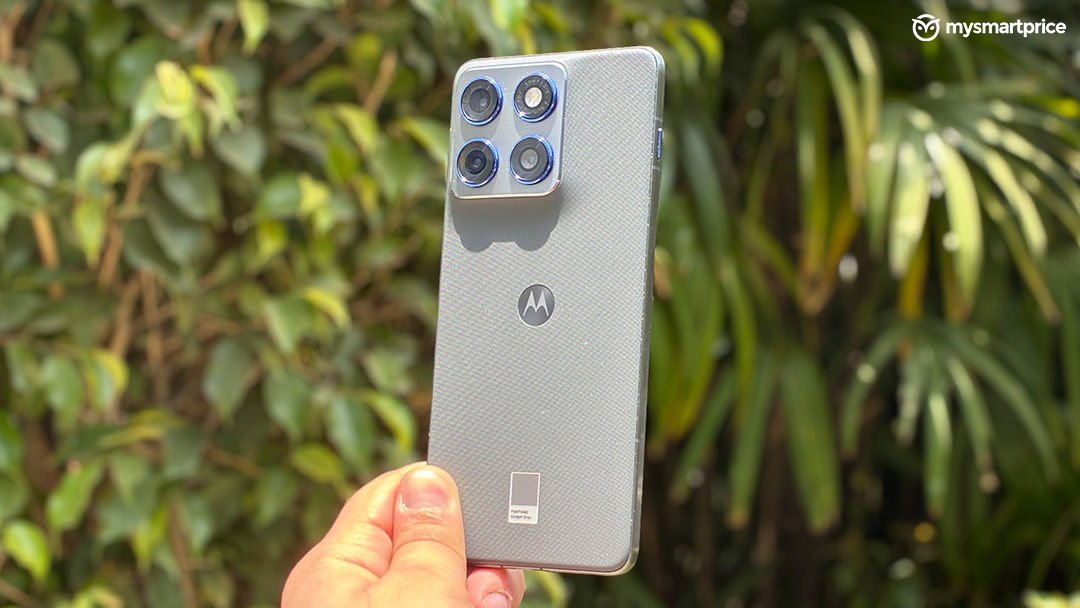
The 6.7-inch flat AMOLED display runs at 120Hz and gets very bright in direct sunlight, so outdoor use is not a problem. The Snapdragon 7 Gen 4 chipset handles day-to-day tasks without any lag, and in our gaming tests, it managed 90 to 120 FPS in BGMI, which is more than enough for most players. The 50MP main camera comes with OIS and is capable of 4K video with solid stabilisation. The ultrawide and front camera are both 50MP as well, which is a bit unusual at this price.
Battery life is not the longest on this list, but Motorola’s software optimisation keeps the 5,000 mAh cell going comfortably through a full day. The software story is arguably the strongest in this segment. You get four Android OS updates and five years of security patches, which means this phone will stay relevant and secure for a long time. The AI features built into the Moto software are genuinely useful rather than just marketing. If you want a phone you can trust for four or five years, this is it.
Vivo T5X: Rock-Solid Daily Performer
The Vivo T5X scored the highest on our list at 8.6 out of 10, and the reason is straightforward: it has the most impressive battery performance we have tested in this segment. In our PCMark battery drain test, the T5X ran for 32 hours straight, which means on normal usage patterns, you are looking at a phone that genuinely lasts two days between charges. The 7,200 mAh cell is part of the story, but Vivo’s power management software on Origin OS 6 (based on Android 16) deserves equal credit.
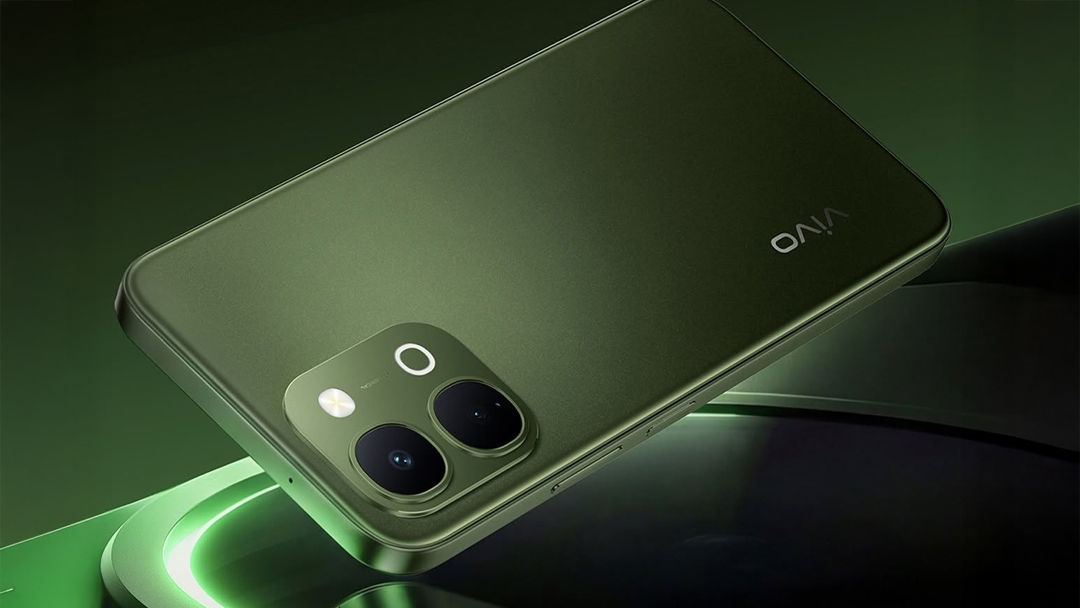
The display is an LCD panel, not AMOLED, but Vivo has managed to push peak brightness to 1,200 nits, which is significantly higher than most LCD displays and addresses the most common complaint about the technology outdoors. The MediaTek Dimensity 7400-Turbo handles everyday tasks and moderate gaming without issues, BGMI on medium settings runs smoothly. The 50MP main camera and 32MP front camera produce results that are genuinely good for the price, not just acceptable.
The phone carries both IP68 and IP69 ratings, which puts it ahead of most competitors in terms of durability. A 44W charger is included in the box, and it takes the phone from flat to full in around two hours. The 8/256 GB variant is priced at Rs 26,999, making it the most affordable route to a two-day battery in this segment. If you travel frequently, are away from a charger for long stretches, or simply hate worrying about battery levels, this is the phone to buy.
Realme GT 7T: The Top Choice for High-Performance Gaming and Speed

The Realme GT 7T is the most powerful phone on this list by a margin. The MediaTek Dimensity 8400 Max is one of the strongest chipsets available in the sub-Rs 35,000 segment, and it shows in performance tests. BGMI runs at stable high frame rates, heavy multitasking does not slow it down, and thermal management during extended gaming sessions is noticeably better than what you get from mid-range chipsets. If raw performance is the priority, this phone wins.
The 6.8-inch 1.5K resolution AMOLED panel at 120Hz makes gaming feel immersive, and the 7,000 mAh battery means you can game for hours without anxiety. When you do need to top up, the 120W SuperVOOC charger is the fastest on this list by a wide margin. The 50MP Sony sensor main camera with OIS handles photos well, and 4K at 60fps video recording is available. The IP69 rating makes it more durable than it looks. Software gets four Android updates and six years of security patches.
One thing to note: the Realme GT 7T’s price fluctuates. At the time of writing, it sits at Rs 29,999, but it has been seen at Rs 31,000 to Rs 32,000 during certain periods. If your budget is strictly under Rs 30,000, keep an eye on it and buy when the price dips. If you can catch it at the right price, it is one of the best value gaming phones available in India right now.
Nothing Phone (3a) Pro: The Top Choice for Distinctive Design and Clean Software
The Nothing Phone (3a) Pro is the most distinctive phone on this list in terms of design and software philosophy. The translucent back with Glyph lights is genuinely unique; it is not a gimmick you stop noticing after a week, because the lights serve actual notification and charging status functions. If standing out from the crowd matters to you, no other phone at this price does it as effectively.
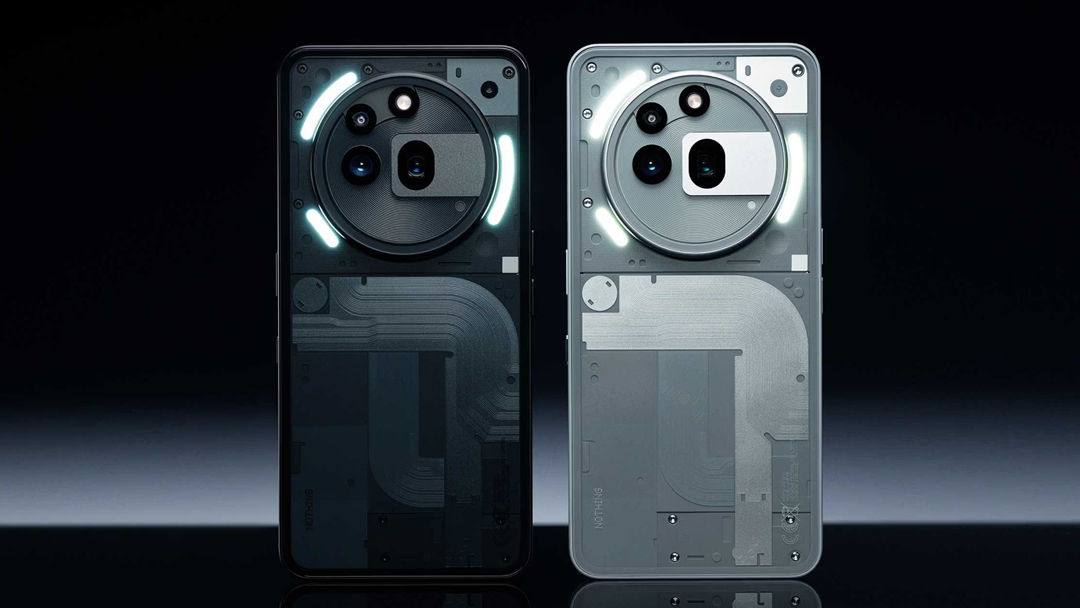
Where it earns its place on a practical list is the camera system. You get a primary, ultrawide, and telephoto lens, a triple-camera setup that gives you flexibility across focal lengths most phones in this price bracket simply do not offer. Portrait shots, wide landscape photos, and zoomed-in subjects are all handled competently. The Snapdragon 7s Gen 3 chipset is not the fastest here, but it manages day-to-day work and BGMI at 90fps without issues. The 5,000 mAh battery lasted around 14 hours in our PCMark test.
The software is close to stock Android with Nothing’s own Glyph interface layered on top. It is clean, fast, and free of the bloatware that comes with most Chinese brands. You get three years of Android updates and six years of security patches. The one genuine downside: no charger in the box. If you already have a compatible 50W charger, that is less of an issue. If you do not, factor in the additional cost. For anyone who wants a versatile camera, a unique design, and a software experience that respects their time, the Nothing Phone (3a) Pro is a strong buy.
Infinix GT 30 Pro: High-Frame-Rate 120fps Gaming and Dedicated Shoulder Triggers
If the Realme GT 7T is out of your budget or fluctuating in price, the Infinix GT 30 Pro is the gaming phone to buy under Rs 25,000. The MediaTek Dimensity 8350 Ultra chipset is a capable performer, and the 6.78-inch 1.5K AMOLED display at 144Hz is the smoothest screen refresh rate on this entire list. For gaming, that translates to noticeably fluid visuals, especially in fast-paced titles. BGMI runs at 120fps on this device, and frame rates stay stable during longer sessions.
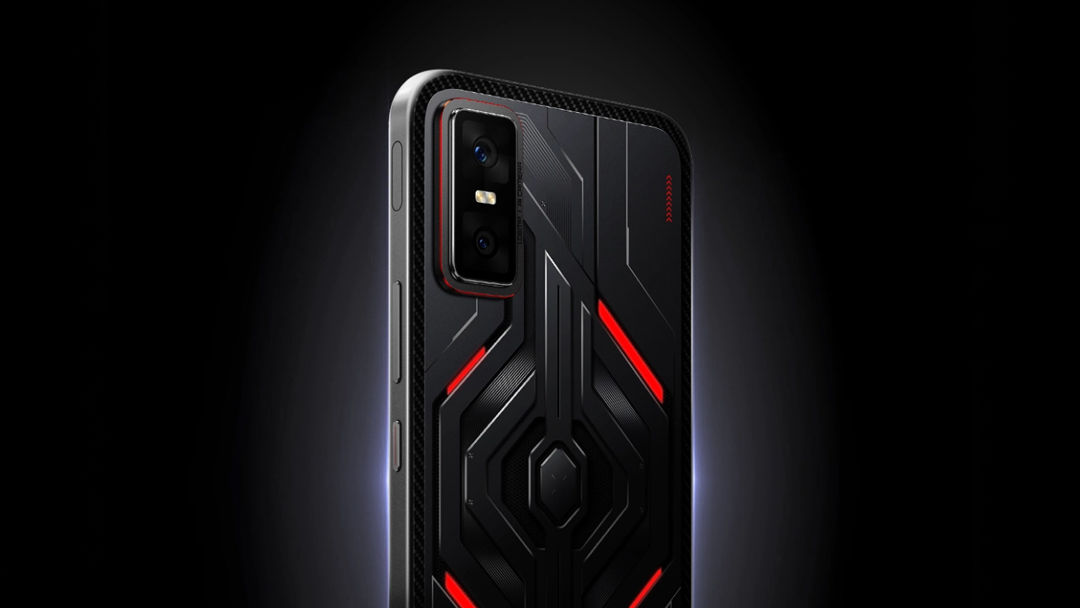
The GT 30 Pro also has physical GT triggers and shoulder buttons on the frame that can be mapped to in-game actions. It is the kind of hardware feature that makes a genuine difference in shooters and similar games, and it is rare to find at this price. The RGB LED strip on the back is aesthetic, but it contributes to a phone that feels designed for its intended audience rather than being a generic device with a gaming skin applied. The 108MP primary camera produces detailed shots and 4K 60fps video recording is available.
Battery life is decent for a day of normal use, and a 55W charger is included in the box. Software runs on Android 15 with Infinix’s XOS skin, you get two years of Android updates and three years of security patches, which is the weakest support commitment on this list. The back panel does not carry a formal IP rating either. Those are real trade-offs, but at Rs 24,999 for a phone with a 144Hz 1.5K display and a proper gaming chipset, the Infinix GT 30 Pro is competitive enough that performance-focused buyers under a tight budget should not overlook it.
product_id=”6620391,620727,619909,619575,619924″ highlight_product_ids=””]
Bonus Picks: Worth Considering If You Can Stretch the Budget
Two phones did not make the primary list strictly because of budget constraints, but they are worth knowing about if you can spend a little more.
OnePlus Nord CE6
For buyers who want strong performance, a long battery, and an immersive display, the Nord CE6 is a well-rounded option. It scored 7.9 out of 10 in our testing. The price puts it just outside the Rs 30,000 ceiling, but it remains competitive for what it offers.
OPPO Reno 14
The highest-scoring phone on this extended list at 8.8 out of 10. It was closer to Rs 32,000 when we first reviewed it, though prices have since moved. It offers a triple-camera system with a telephoto lens, excellent photo and video quality, and a software experience that holds up over time. If you can find it near Rs 32,000, it is arguably the best camera phone value in this entire segment.
The Final Verdict: Which Phone Fits Your Needs?
Different buyers have different priorities. Here is a straightforward breakdown of which phone makes the most sense depending on what matters to you.
| If you want… | Buy this | Why |
| Best overall value | Moto Edge 70 | Great build, solid camera, clean software, IP rating |
| Longest battery life | Vivo T5X | 7,200 mAh cell ran 32 hours in our testing |
| Best gaming performance | Realme GT 7T | Dimensity 8400 Max, 7,000 mAh, 120W fast charging |
| Budget gaming under Rs 25K | Infinix GT 30 Pro | 144 Hz display, GT triggers, stable 120 FPS in BGMI |
| Best camera system | Nothing Phone (3a) Pro | Primary + ultrawide + telephoto, versatile across focal lengths |
| Clean software + unique design | Nothing Phone (3a) Pro | Glyph interface, stock-like UI, 3 yrs Android updates |
| Bonus pick — performance + display | OnePlus Nord CE6 | Strong GPU, immersive panel, good battery (Rs 32K budget) |
| Bonus pick — best cameras, no compromise | OPPO Reno 14 | 8.8/10 score, triple camera with telephoto, excellent video |
If you are genuinely unsure, the Moto Edge 70 and Vivo T5X are the safest bet. The Moto Edge 70 wins on build quality, software longevity, and the overall package. The Vivo T5X wins on battery and by a margin significant enough that if you have had battery anxiety issues with previous phones, it should be your first choice.
For dedicated gamers, the Realme GT 7T is the one to watch on pricing. When it dips to Rs 29,999, it offers performance that genuinely beats everything else on this list. The Infinix GT 30 Pro is the fallback if you need to stay firmly under Rs 25,000.
Things to Keep in Mind Before Buying a Smartphone in India
Beyond specs and scores, here are some things worth knowing before you spend Rs 25,000 to Rs 30,000 on a phone:
- Check offline store prices before ordering online. This segment sees aggressive offline pricing that is not always visible on e-commerce platforms. A dealer in your city may have the same phone Rs 1,000 to Rs 2,000 cheaper, and you also avoid the hassle of returns if something goes wrong. This is particularly true for brands like Vivo, Realme, and Infinix, which have strong offline distribution.
- Sale pricing is real, but do not wait indefinitely. Big sale events on Flipkart and Amazon do bring genuine discounts of Rs 2,000 to Rs 3,000, but phones in this segment also go out of stock or get replaced by successors within six to nine months. If a phone is already at a price you are comfortable with, buy it rather than holding out for a marginally better deal.
- Software update commitments vary. The Moto Edge 70 offers four Android OS updates. The Infinix GT 30 Pro offers two. That gap matters if you plan to use this phone for three or more years. A phone left without Android updates is not necessarily insecure immediately, but it loses access to new features and eventually falls behind on app compatibility.
- Check the IMEI and bill when buying offline. Counterfeit units and grey market stock do surface at unauthorised dealers. Buy from authorised brand stores or established retailers, and insist on a proper GST invoice, you will need it for warranty claims.
- The camera megapixel count is not the whole story. A 108MP sensor can produce worse photos than a 50MP sensor with a better lens, larger pixel size, and OIS. Pay attention to the aperture, OIS availability, and video recording quality alongside the megapixel figure.