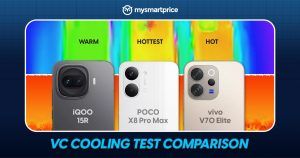
If gaming is the single biggest reason you are buying a new phone, the sub-Rs 40,000 segment is arguably the sweet spot in the Indian market right now. As of Q1 2026, you are not paying flagship money, but you are getting flagship-grade chipsets, high refresh rate displays, large vapour chambers, and batteries that can survive a full day of back-to-back BGMI matches. In short, the gap between a Rs 70,000 phone and a Rs 35,000 phone has shrunk drastically when it comes to raw gaming performance.
We have shortlisted five of the best gaming phones you can buy under Rs 40,000 in India in Q1 2026, based on factors such as processors, gaming performance, thermal management, display quality, battery life, charging speeds, software experience, and overall value for money. This story takes a detailed look at how each one performs. We tested these devices for BGMI and Genshin Impact performance, checked thermals, and evaluated how they hold up beyond gaming, because no one buys a phone just to game on it. Here is the full breakdown, along with which one we think is the best buy overall, and a few honest tips before you spend your money.
Powerful Gaming Phones Under Rs 40,000 in India
The five phones on this list cover different priorities, battery, pure gaming, display, design and cameras, and all-round performance. Before we get into the details, here is a quick comparison of what each device offers and how it performed in our testing.
| Device | Price | Chipset | BGMI (Avg FPS – 120/165 mode) | Genshin Impact (Avg FPS – 60FPS, High) | Best For |
| OnePlus Nord 6 | ₹38,999 | Snapdragon 8s Gen 4 | 102.5 (at 165FPS) | 59.7 | Battery life |
| POCO X8 Pro | ₹31,999 | Dimensity 8500 Ultra | 117.7 | 58.0 | Pure gaming |
| Motorola Edge 70 Pro | ₹38,999 | Dimensity 8500 Extreme | 111.4 | 59.7 | Display |
| Nothing Phone 4a | ₹34,999 | Snapdragon 7s Gen 4 | 111.8 | – | Design and cameras |
| realme GT 7 | ₹39,999 | Dimensity 9400e | 112.7 | 56.0 | All-rounder |
OnePlus Nord 6
The OnePlus Nord 6, priced at Rs 38,999, is the pick if battery life is non-negotiable for you. It packs a 9000mAh battery, one of the largest in this segment, and in our usage it comfortably lasted a full day even with heavy gaming sessions in between.
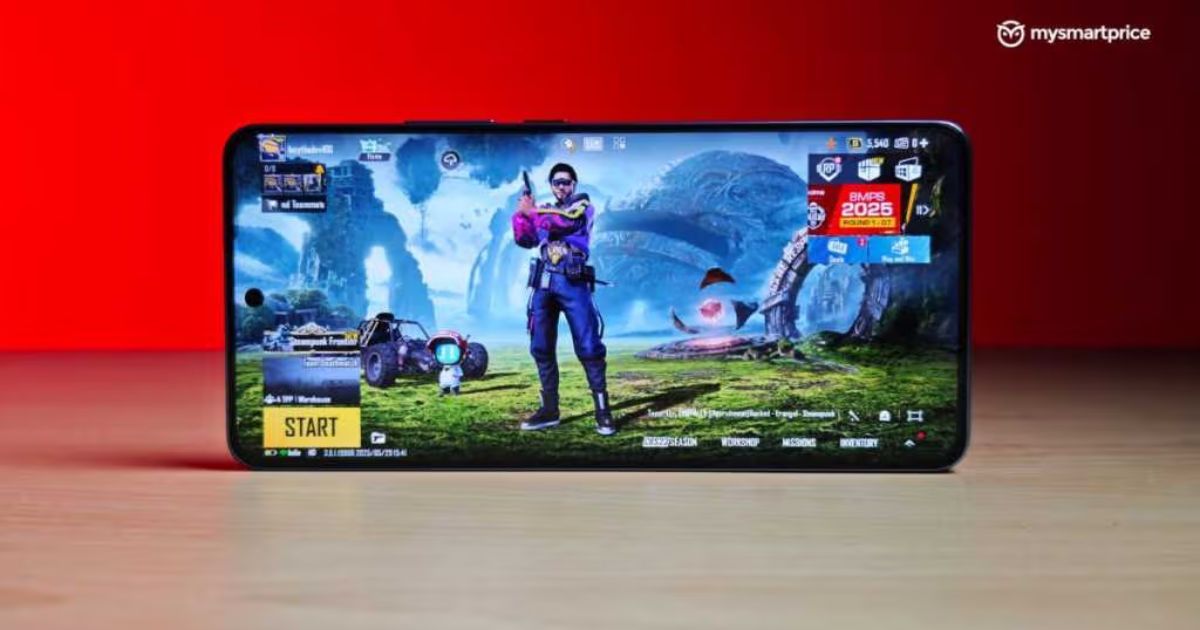
On the performance side, the phone runs on the Snapdragon 8s Gen 4 and has a 165Hz display. BGMI supports up to 165FPS on this device through frame interpolation, and we recorded an average of 102.5FPS in that mode. That said, the gameplay actually feels more stable at 120FPS, so that is where we would suggest you keep it.
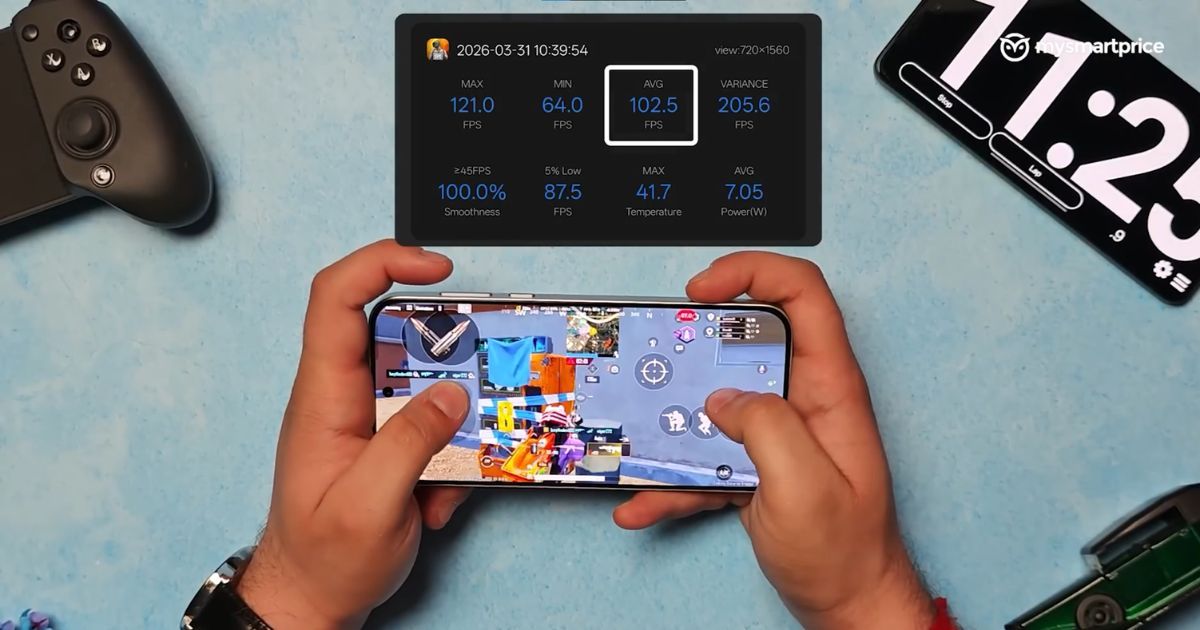
Graphics-heavy titles also run well. In Genshin Impact at 60FPS and high graphics settings, the Nord 6 averaged 59.7FPS, which is about as close to a locked 60 as you can get in this price range.
Poco X8 Pro
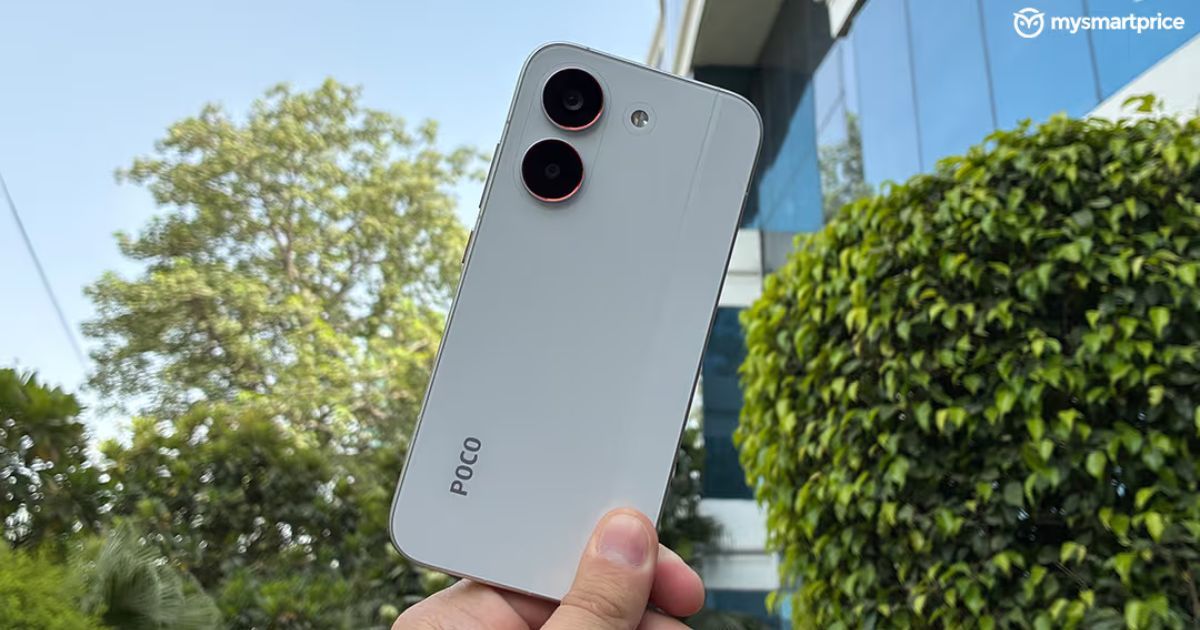
At Rs 31,999, the Poco X8 Pro is the most affordable phone on this list, and in our opinion it is also the best pure gaming phone you can buy under Rs 40,000 right now. It is powered by the MediaTek Dimensity 8500 Ultra.
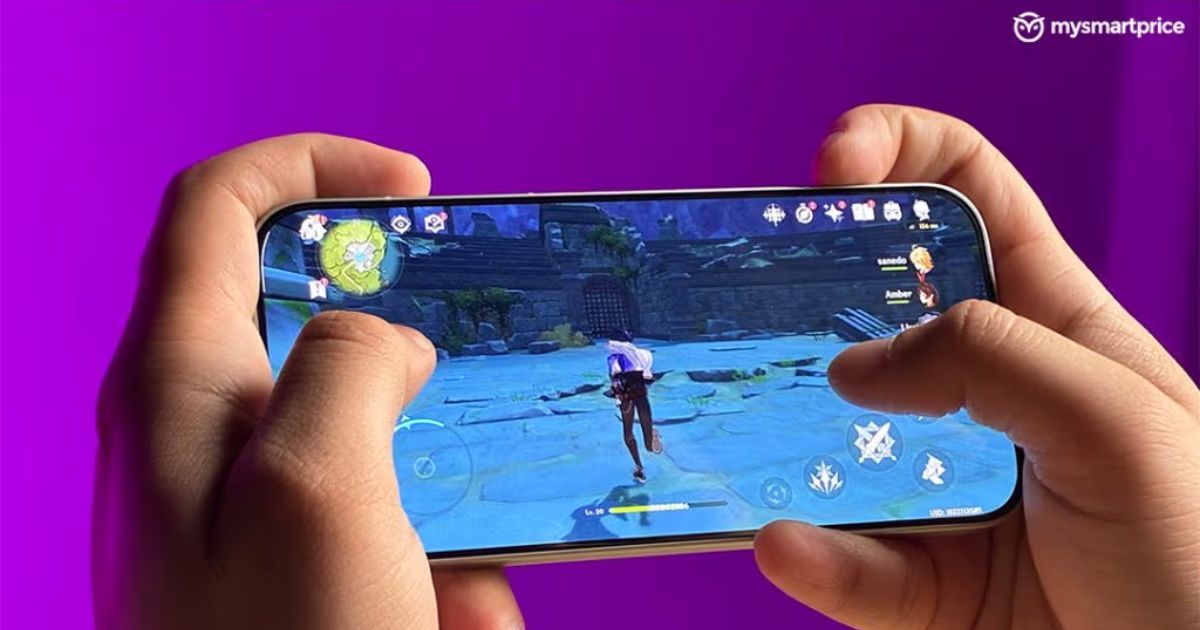
BGMI runs at up to 120FPS, and the phone averaged 117.7FPS in our testing, which is the highest in this list. The gameplay is consistently smooth, with no noticeable stutters or sudden frame drops. Genshin Impact also held steady at an average of 58FPS on high graphics.
What really sets the X8 Pro apart is its thermal performance. It does not throttle aggressively even after long sessions, which means the performance you see in the first ten minutes is roughly what you will get in the next forty. The display, cameras and battery are all decent, but it is the gaming consistency that makes this phone worth the money.
Motorola Edge 70 Pro
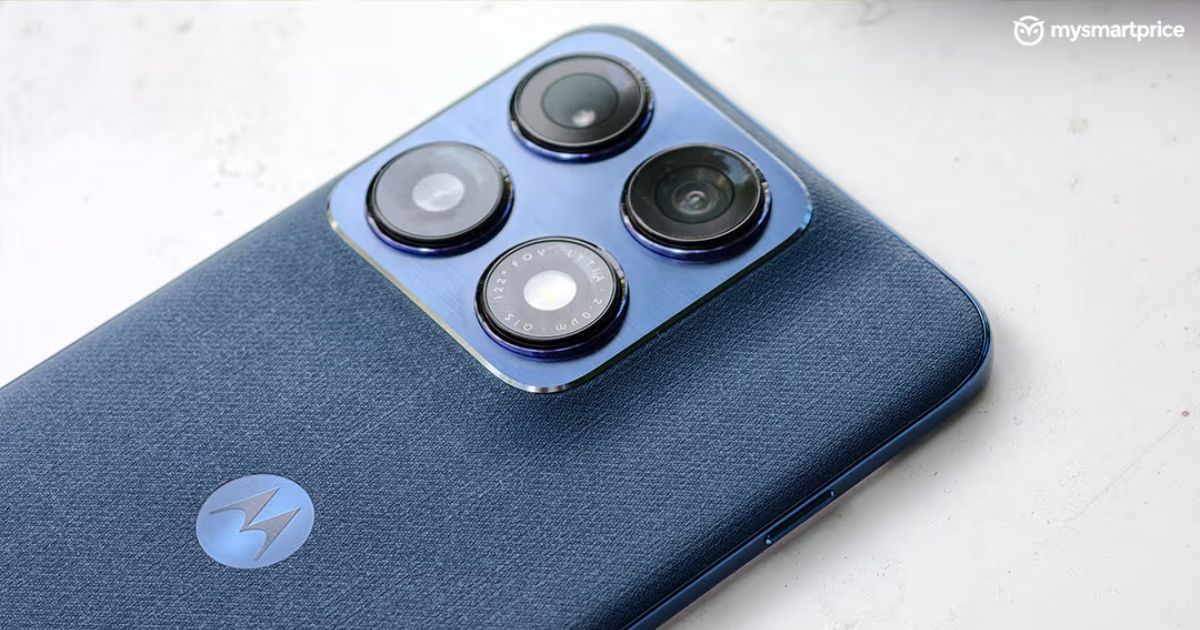
The Motorola Edge 70 Pro is priced at Rs 38,999 and is powered by the MediaTek Dimensity 8500 Extreme. This is the phone for someone who games, but also spends a fair amount of time watching content on the phone.
BGMI supports up to 120FPS, and we recorded an average of 111.4FPS. While that number is lower than the Poco X8 Pro and the Realme GT 7, the difference is not something you will actually feel during real gameplay. Genshin Impact averaged 59.7FPS at high settings, which is excellent.
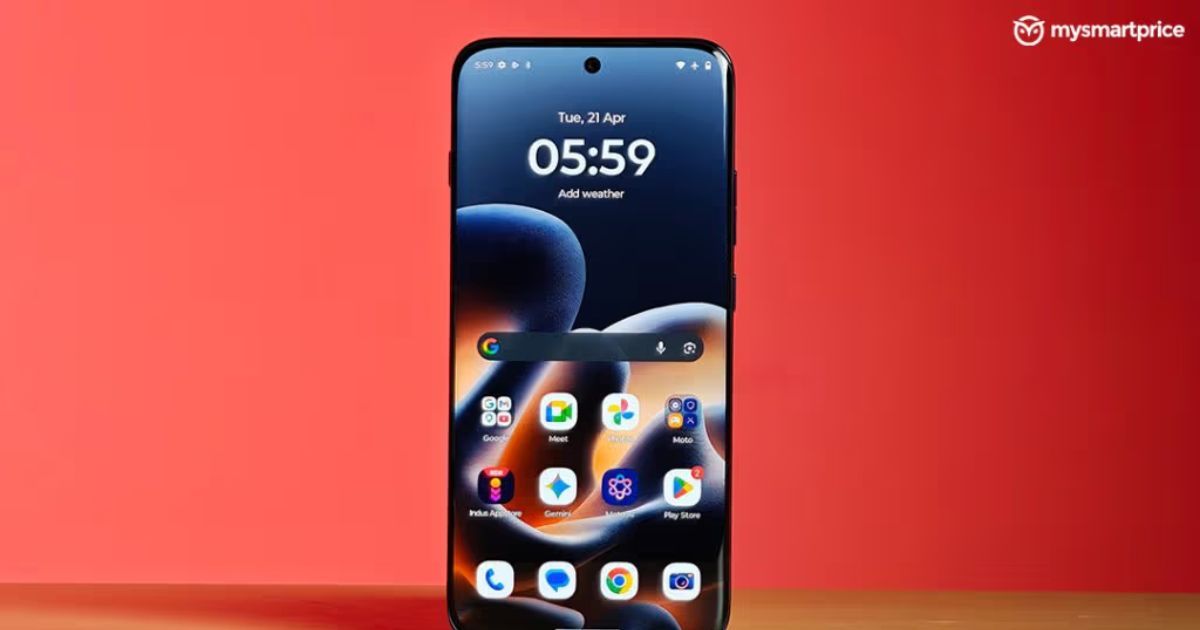
The standout here is the display. It is vibrant, sharp, gets bright enough for outdoor use, and has good HDR performance. If you want a phone that handles competitive titles well and doubles up as a proper entertainment device, this one fits the bill.
Nothing Phone 4a
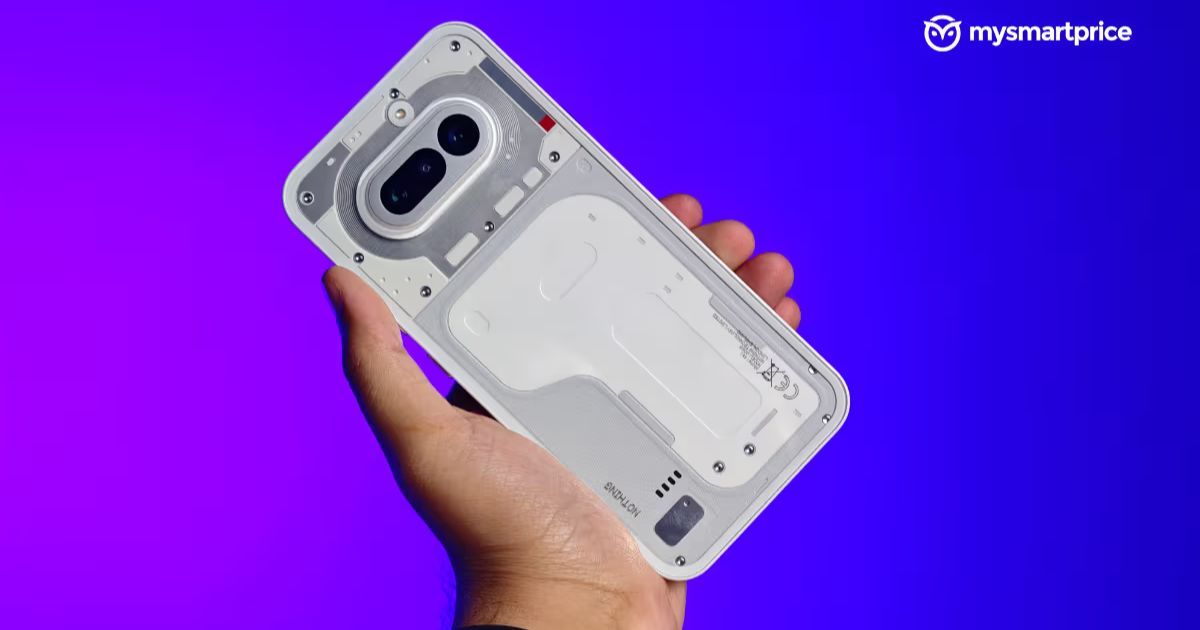
The Nothing Phone 4a, at Rs 34,999, is the most visually distinct option on this list. It carries the brand’s signature transparent back and Glyph design, and it is the kind of phone people will notice.
Under the hood, it runs on the Snapdragon 7s Gen 4. BGMI runs at 120FPS, and we recorded an average of 111.8FPS in our testing. Gameplay is smooth and responsive, and the phone does not heat up unreasonably.
Beyond gaming, the cameras are a real highlight, particularly the 50-megapixel periscope telephoto sensor, which is rare in this price segment. If you want a phone that games well but also takes proper photos and looks the part, the Phone 4a is a strong option. Here are some photos we took from the Nothing Phone 4a:



Realme GT 7
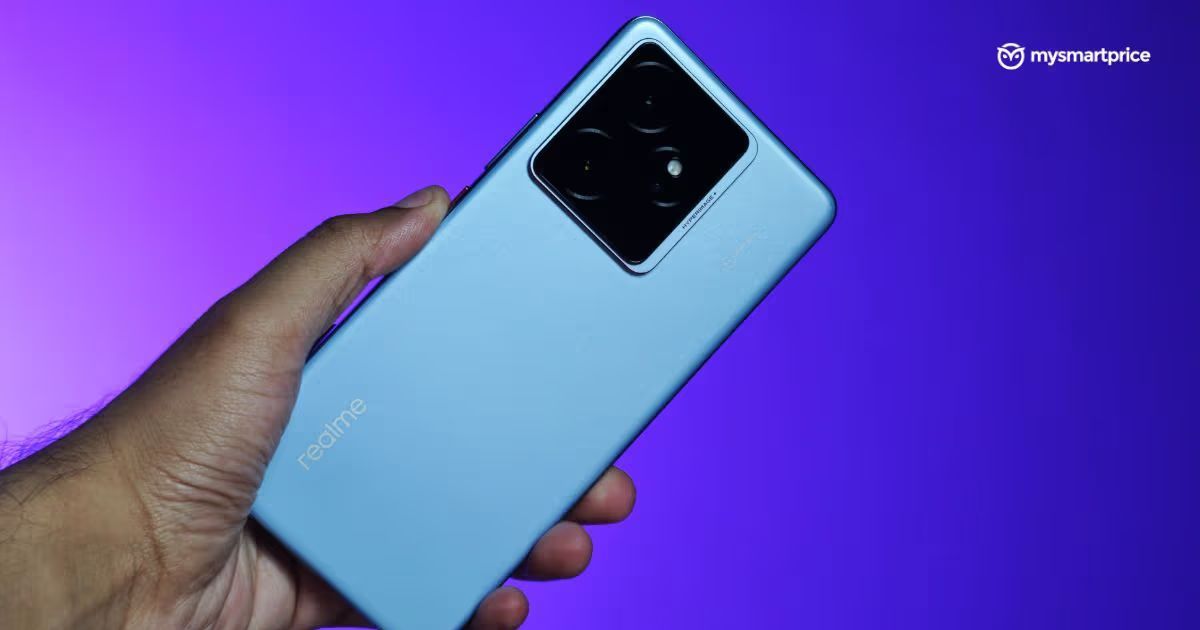
The Realme GT 7 starts at Rs 39,999 and is powered by the MediaTek Dimensity 9400e. This is the most well-rounded phone on the list.
BGMI runs at 120FPS with an average of 112.7FPS in our testing, and Genshin Impact averages 56FPS on high graphics. What makes the GT 7 stand out is its thermal management. The large vapour chamber cools the phone down within seconds of stepping out of a game, which makes long sessions far more comfortable.
The display is the most colour-accurate panel Realme has shipped so far. The cameras lean towards vibrant, social media friendly output, and the battery can stretch close to two days on lighter use. If you want competitive gaming performance without compromising on anything else, the GT 7 is the phone to look at.
How the Phones Stack Up on Benchmarks?
Benchmark numbers do not always translate to real-world gaming performance, but they do give you a useful baseline to compare raw hardware. On AnTuTu, the OnePlus Nord 6 leads the pack with a score of 2,352,082, which is expected given it runs the Snapdragon 8s Gen 4, the most powerful chipset in this list. The Motorola Edge 70 Pro 5G and the Realme GT 7 are almost neck and neck at 2,136,881 and 2,130,355 respectively, with the Poco X8 Pro close behind at 2,083,072. The Nothing Phone 4a sits at the bottom with 1,181,112, which lines up with the fact that it uses the more modest Snapdragon 7s Gen 4.
Geekbench tells a slightly different story. The Realme GT 7 takes the top spot in both single-core and multi-core tests, with scores of 2,192 and 7,147, which reflects the strength of the Dimensity 9400e in CPU-heavy tasks. The Poco X8 Pro and the Motorola Edge 70 Pro 5G are evenly matched on the multi-core test at 6,705 each, and they are close on single-core too. The Nothing Phone 4a once again trails the rest. What is worth noting here is that despite the Nord 6 leading on AnTuTu, the Realme GT 7 pulls ahead on CPU-specific workloads, which partly explains why the GT 7 feels so consistent during long gaming sessions and multitasking.
Which is the best Gaming Phone to Buy?
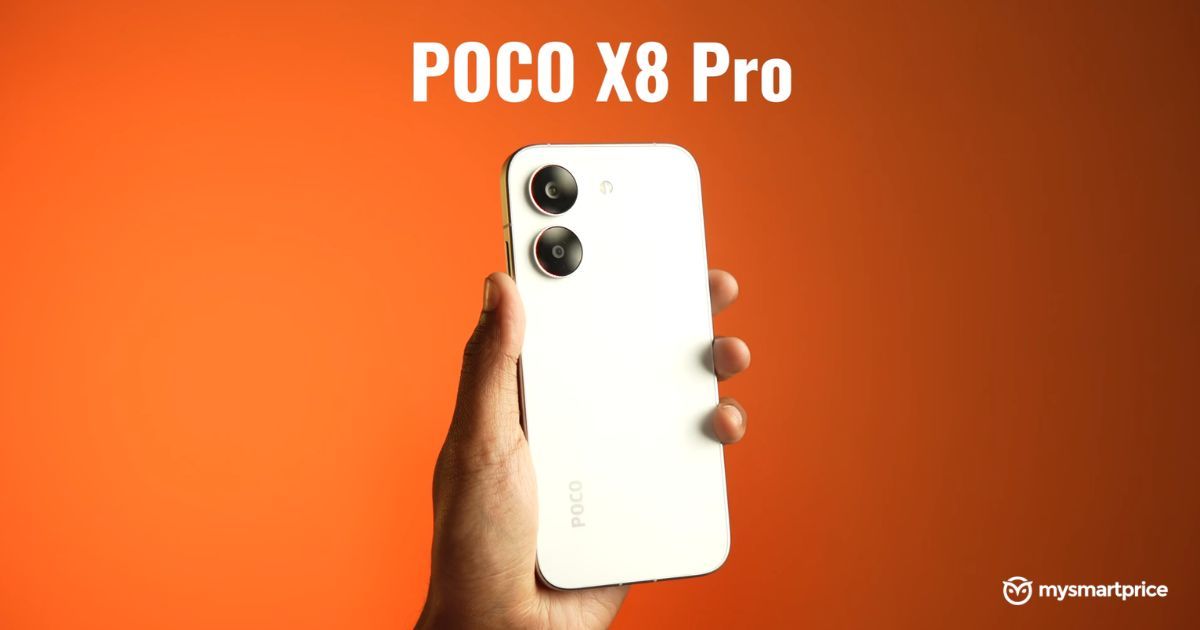
If we had to pick one phone from this list, it would be the Poco X8 Pro. At Rs 31,999, it is the cheapest device on this list, and it still posts the highest BGMI average FPS of the lot. More importantly, it sustains that performance under load, which is the real test of any gaming phone.
That said, the “best” pick depends on what else you want from the phone. If battery life matters most, the OnePlus Nord 6 is the easy choice. If you want the most balanced experience across gaming, display, cameras and battery, the Realme GT 7 is hard to beat. But for pure gaming value, where every rupee you spend is going towards frames and stability, the Poco X8 Pro is the phone we would recommend.
Things to Keep in mind while buying a gaming smartphone in India
- Look at sustained performance, not peak FPS. A phone that averages 117FPS for ten minutes and then drops to 80FPS is worse than one that holds 110FPS for an hour. Check long-session reviews, not just benchmark scores.
- Thermals matter more than the chipset name. Two phones with the same processor can perform very differently depending on the cooling system. A proper vapour chamber makes a real difference over time.
- Refresh rate support in games is not the same as display refresh rate. A 165Hz panel is useful only if the games you play actually support those frame rates. BGMI at 165FPS, for example, uses frame interpolation, which is not the same as a native high frame rate.
- Battery size is not the full story. Charging speed, standby drain, and how the phone manages background processes all affect how long you can actually game. A 9000mAh battery is great, but a well-optimised 7000mAh phone can come close.
- Touch sampling rate and haptics often decide competitive gameplay. These rarely make it to spec sheets but matter a lot in shooters. Try the phone in a store if you can, or look for hands-on impressions.
- Software updates and bloatware affect long-term performance. A phone with three to four years of updates and a clean interface will hold up better than one that is heavy on pre-installed apps.
- Do not ignore weight and grip. A 210-gram phone feels fine for ten minutes and painful after an hour. If you game for long stretches, lighter is better.
- Check the warranty and service network for the brand in your city. Gaming phones run hot and stressed, and you want a brand whose service centre you can actually reach if something goes wrong.