Foldable smartphones continue to evolve, with brands focusing on durability, thinner designs, and improved usability. While the category is still niche, upcoming models are expected to address long-standing concerns such as battery life, crease visibility, and software optimisation. Here's a look at some of the key foldable smartphones expected to arrive in 2026.
Samsung Galaxy Z Fold8
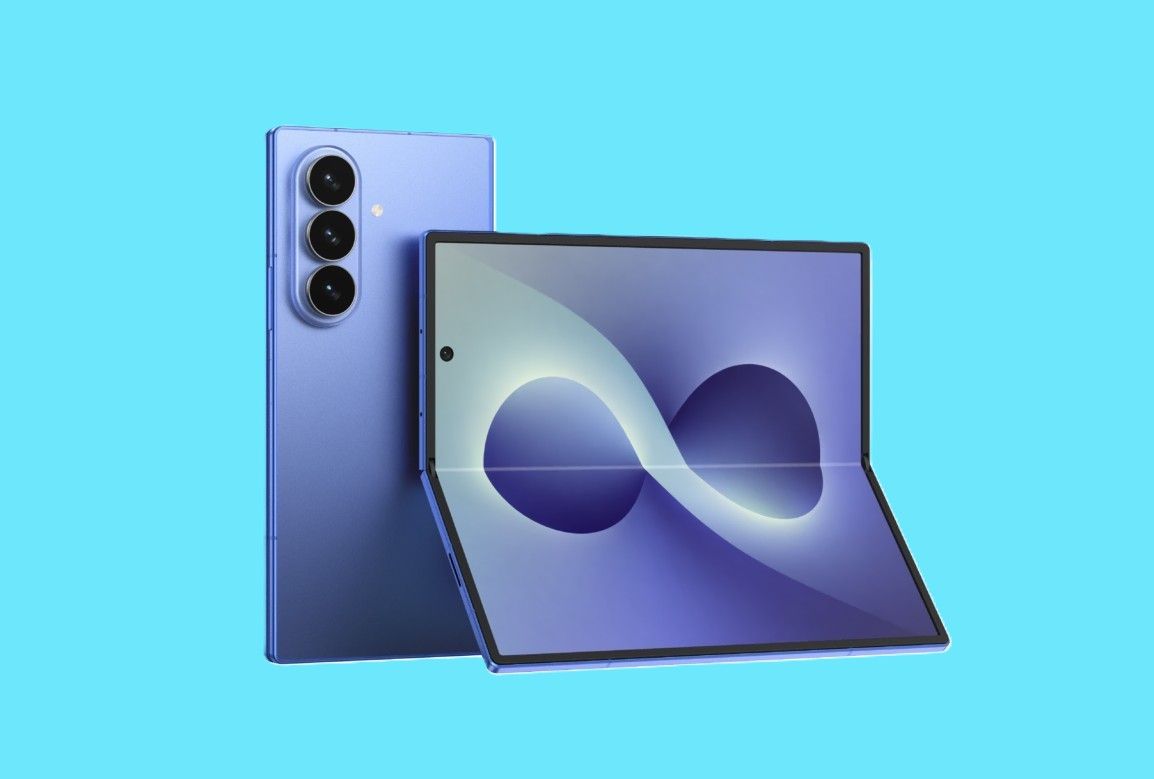
The Samsung Galaxy Z Fold8 is expected to launch in July 2026 and is said to focus on two major pain points seen in earlier models: battery life and display crease. The device is tipped to feature a larger 8-inch inner display with a new dual-layer UTG (Ultra-Thin Glass) structure that is expected to minimise visible creasing.
Under the hood, it is likely to be powered by the Snapdragon 8 Elite Gen 5 for Galaxy chipset, paired with up to 16GB of RAM. In terms of optics, the phone is rumoured to retain a 200MP main sensor while introducing an upgraded 50MP ultrawide camera. The battery capacity is expected to increase to 5,000mAh with support for 45W wired charging. Reports also suggest the return of S Pen support, which was absent in some slimmer prototypes seen in 2025.
Samsung Galaxy TriFold / G Fold
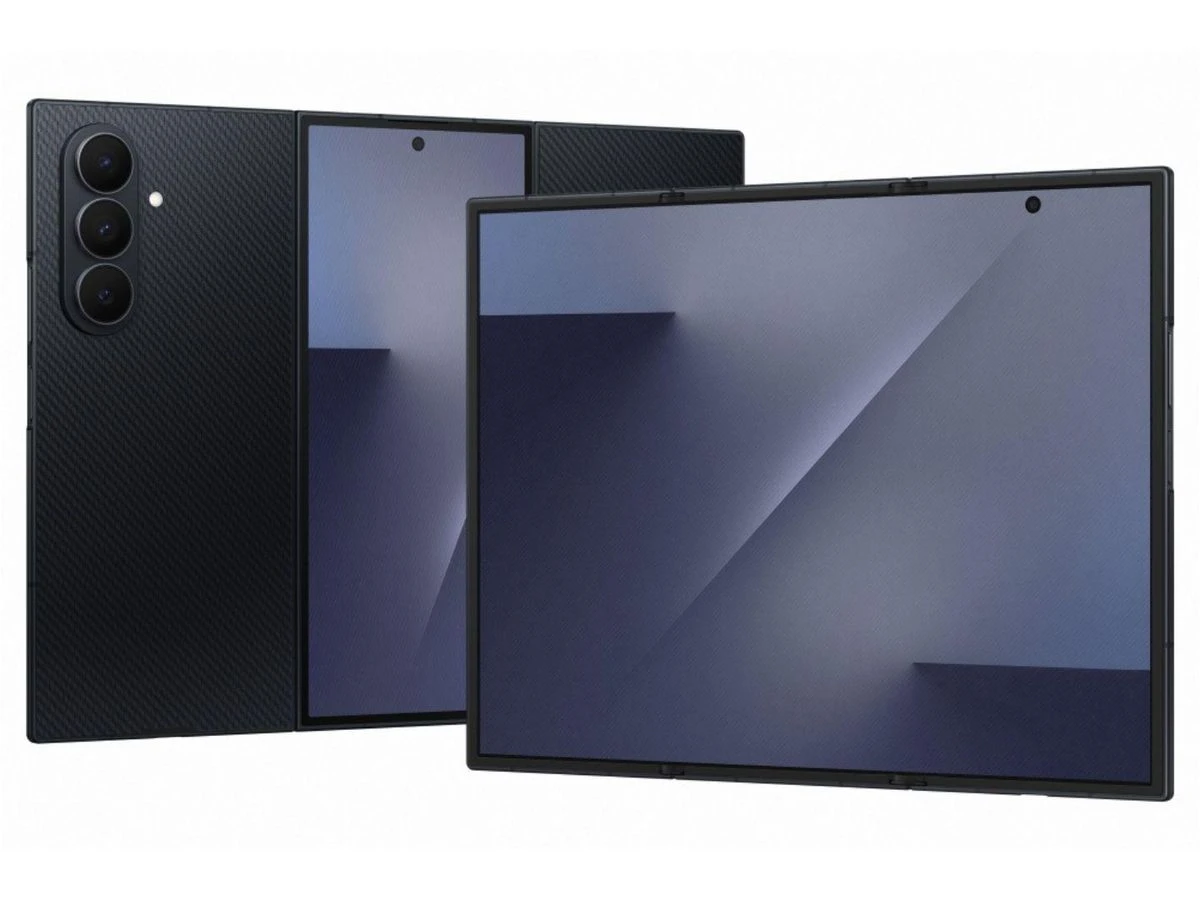
Samsung's triple-folding device, often referred to as the Galaxy TriFold or G Fold, is said to have launched globally in late 2025 or early 2026 as a limited-run product. The device introduces a "G-shaped" folding mechanism that allows it to transform from a smartphone into a large tablet.
It is expected to feature a 10-inch QXGA+ Dynamic AMOLED 2X main display along with a 6.5-inch cover screen. The design reportedly uses a dual-hinge system with titanium-reinforced rails and is said to measure around 3.9mm when unfolded. Internally, the device is tipped to run on the Snapdragon 8 Elite chipset with 16GB RAM and a 5,600mAh three-cell battery.
The TriFold is believed to be positioned as a technology showcase, and reports indicate it could be discontinued shortly after launch to make way for a second-generation model.
Motorola Razr Fold (Book-style)
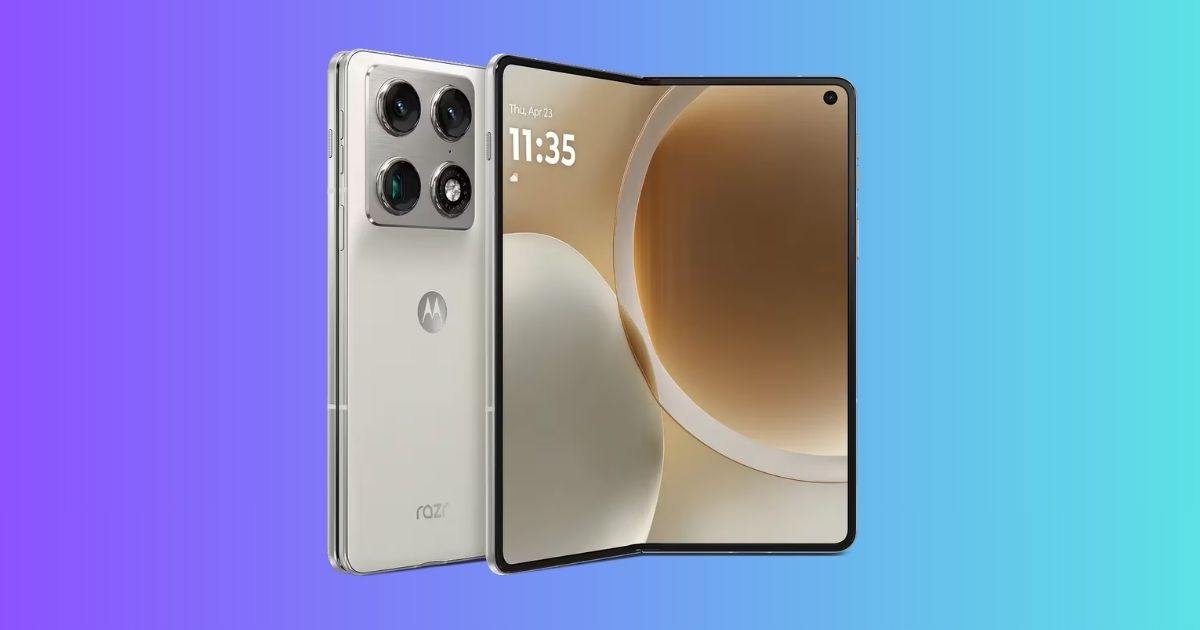
Motorola is expected to expand its foldable portfolio with the Razr Fold, a book-style device that marks a shift away from its traditional flip-style Razr series. The device was showcased at CES 2026 and is likely to enter the market around June or July, with pre-orders expected to begin in April.
The smartphone is said to feature an 8.1-inch internal display with a peak brightness of up to 6,000 nits. Camera hardware is expected to include a triple 50MP setup, comprising a main sensor, periscope telephoto, and ultrawide lens. It is also tipped to pack a 6,000mAh battery with support for 80W wired and 50W wireless charging.
OPPO Find N6
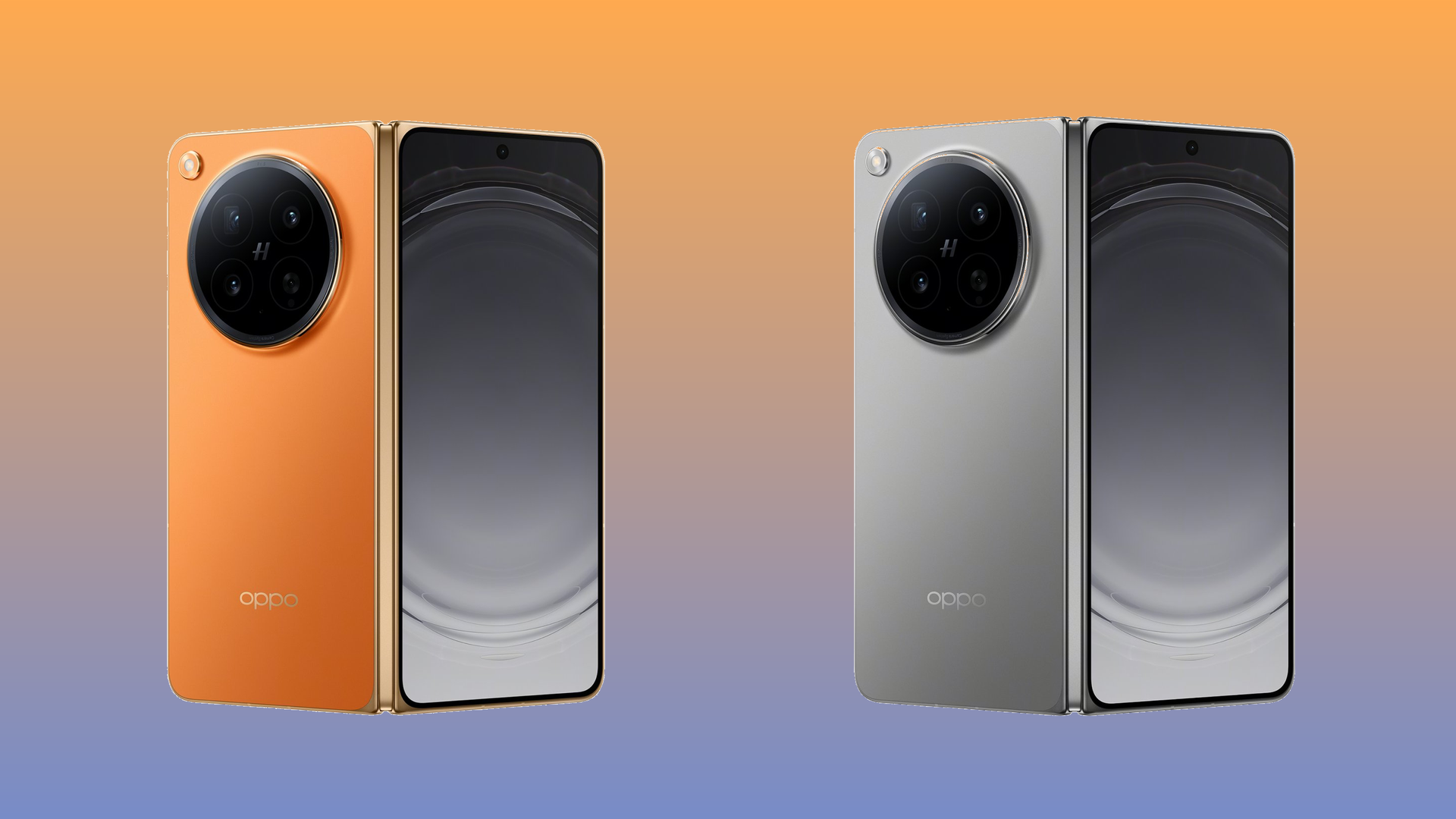
The OPPO Find N6, which launched on March 17, 2026, is being described as one of the flattest foldables to date. The device is said to feature an 8.12-inch inner display and a 6.62-inch outer screen, both supporting 120Hz LTPO technology.
A key highlight is its hinge design, which reportedly uses a titanium alloy structure combined with what is referred to as "memory glass" to reduce the central crease. On the camera front, the phone is tipped to include a 200MP main sensor tuned in collaboration with Hasselblad, along with dual 50MP secondary sensors. It is also expected to house a 6,000mAh silicon-carbon battery with 80W SuperVOOC charging.
Apple iPhone Fold
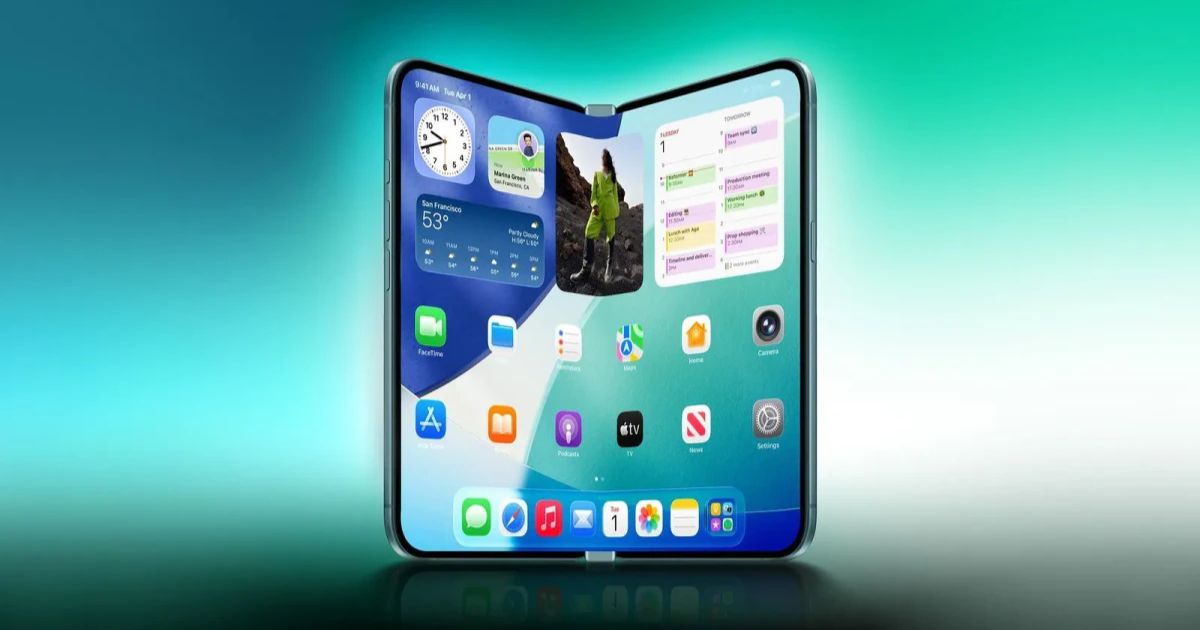
Apple is expected to enter the foldable segment with the iPhone Fold, which is rumoured to launch in late 2026. While details remain limited, leaks suggest the device could feature a dual-layer glass design aimed at reducing crease visibility.
The foldable iPhone is said to offer a 7.8-inch display when unfolded. As with most Apple products, the company is expected to focus on hardware-software integration, although specifics around performance and camera capabilities remain unclear at this stage.
Pixel 11 Pro Fold
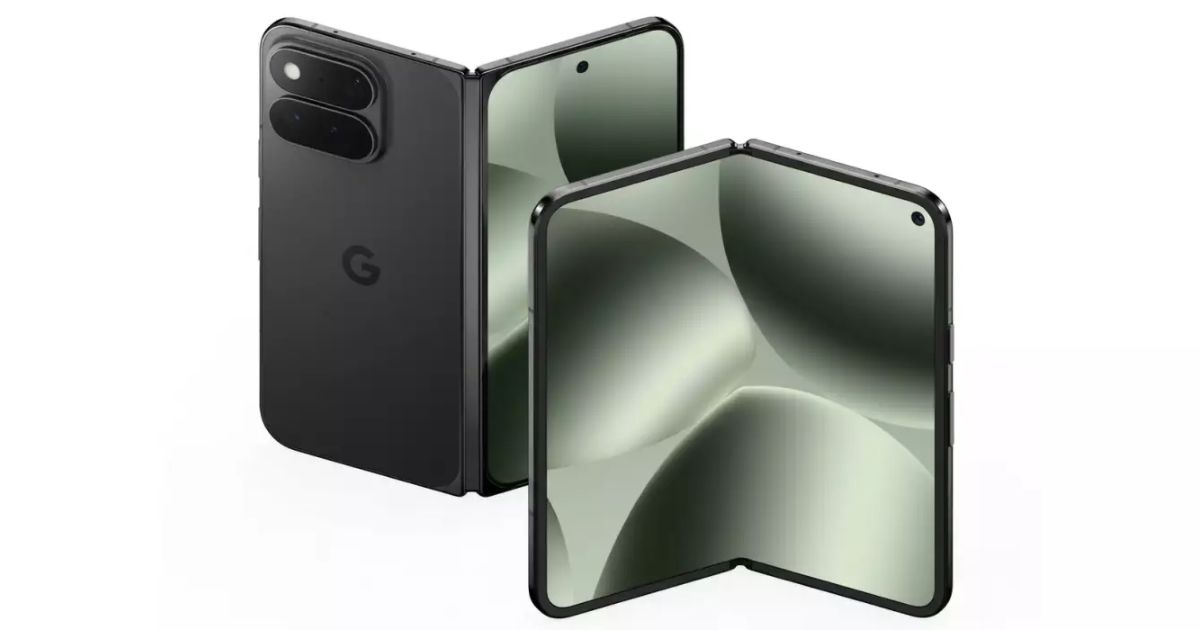
The Pixel 11 Pro Fold is likely to debut in October 2026 as Google continues to refine its foldable lineup. The device is expected to feature a redesigned camera visor, aligning it with the brand's evolving design language.
It is anticipated to be powered by the Tensor G6 chipset and could place a strong emphasis on AI-driven features, particularly deeper integration with Gemini. While detailed specifications are yet to surface, the device is expected to build upon the software-centric approach seen in earlier Pixel foldables.
Foldables in 2026 appear to be moving towards addressing practical usability rather than just showcasing new form factors. While many details are still based on leaks and early reports, the upcoming lineup suggests incremental but meaningful changes across hardware, design, and software.