Short answer: Yes, the Motorola Edge 70 is the best premium all-rounder phone under ₹30,000 in India right now. Not because it dominates every benchmark, but because it gets almost everything right — build, display, performance, cameras, software, and daily feel — in a single package that no other phone in this segment currently matches.
The Sub-₹30,000 Segment Is No Longer About Budget Flagships
The sub-₹30,000 smartphone market in India has become a strange place. On paper, phones in this segment look increasingly impressive, with bigger batteries, higher refresh rates, and louder chipset names. But spend a week with most of them and a familiar pattern emerges. They’re built around one headline specification, engineered to win a spec comparison table, and quietly compromised everywhere else to hit a price point.
You get the fast processor, but the build feels plasticky. You get the big battery, but the phone is uncomfortably heavy. You get the triple camera, but two of those three sensors are barely worth mentioning. You get the aggressive price, but the software is cluttered with ads and bloatware from day one. Increasingly, buyers in this segment are no longer just looking for "value-for-money" phones. They want these devices to feel genuinely premium too.
After months of testing phones in this segment, one device kept standing apart. Not because it dominated every benchmark, but because it refused to make those compromises in the first place.
The Motorola Edge 70.
At a launch price of ₹29,999, and realistically closer to ₹27,000 once bank offers are factored in, the Edge 70 delivers an ownership experience that genuinely overlaps with phones in the ₹45,000 to ₹50,000 range. Not because of raw numbers on a spec sheet, but because of something far harder to manufacture: a feeling of refinement that stays with you every single time you pick up the phone.
What Makes a Phone Truly Premium Under ₹30,000 — Beyond Specs
Before we get into the details, let’s talk about a word that gets thrown around constantly in smartphone marketing: premium.
A glossy back panel is not premium. A metallic paint finish is not premium. Four cameras glued onto a plastic chassis is not premium.
True premium is about the experience of using a device, day after day, month after month. It’s the weight of the phone in your hand. The way the chassis doesn’t flex when you grip it. The feel of the glass under your thumb. The confidence that comes from knowing your phone is certified to survive rain, dust, and the occasional drop. The satisfaction of software that just works, cleanly, without pestering you with notifications you never asked for.
And increasingly in 2026, premium is also about what’s not missing. Because right now, across this segment, brands are quietly trimming features to manage rising component costs. They’re dropping bundled chargers, swapping glass backs for plastic, cutting durability certifications, and replacing actual ultrawide cameras with placeholder sensors. These cuts rarely make the headlines, but you feel them every day.
The Motorola Edge 70 goes in the opposite direction. And that is precisely what makes it so unusual, and so easy to recommend as the best premium all-rounder phone under ₹30,000 in India right now.
Best Build Quality and Design in a Phone Under ₹30,000: Motorola Edge 70
There’s a moment with every smartphone, the first time you actually hold it, not in a showroom with fluorescent lighting and a security tether, but properly, in your hand, where you either feel it or you don’t.
With the Edge 70, you feel it immediately.
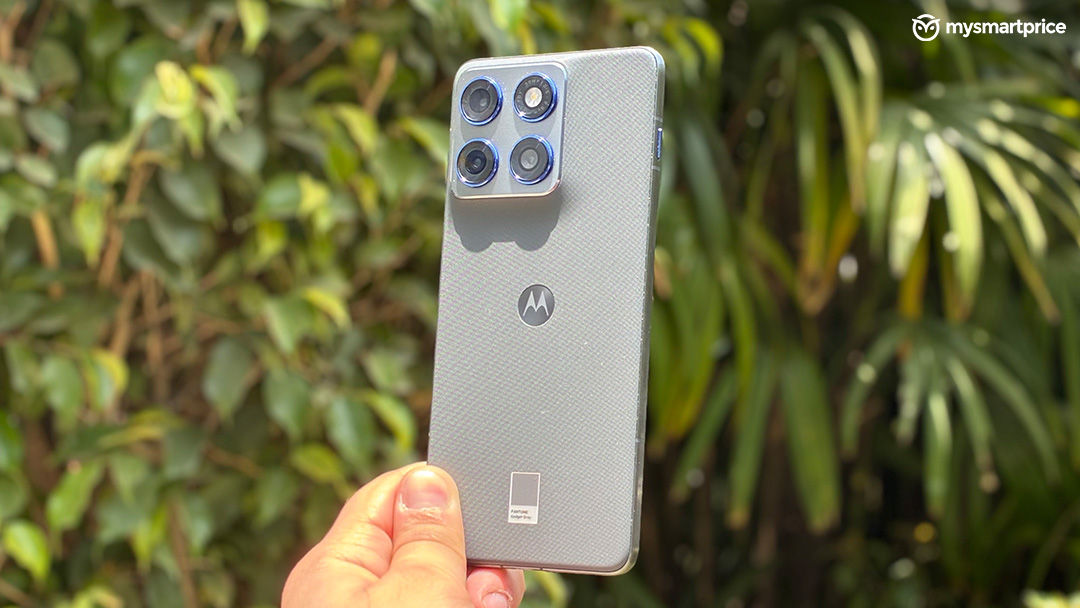
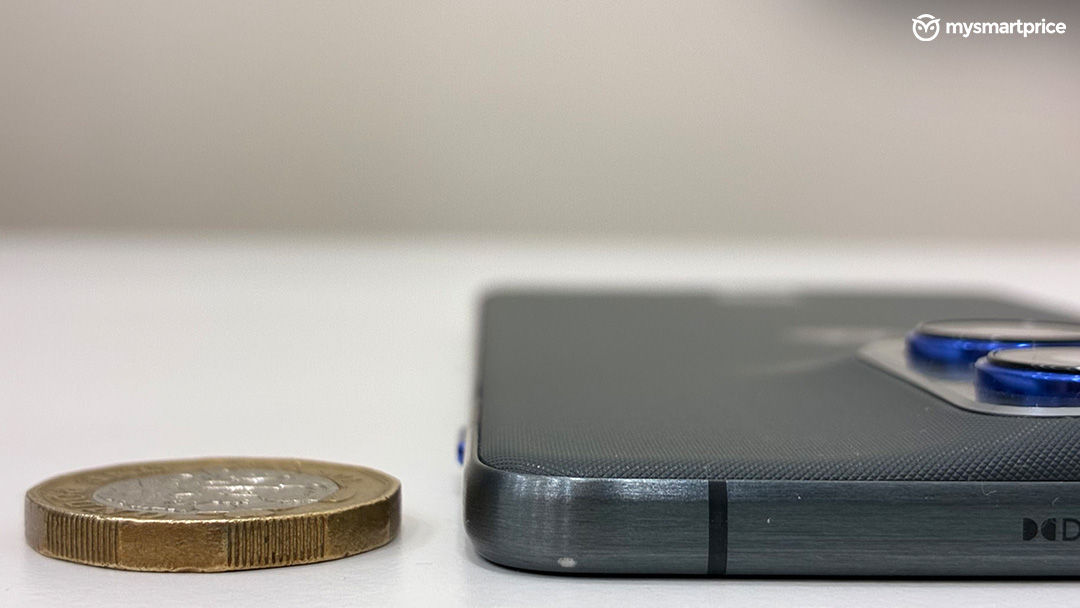
At just 5.99mm thin and approximately 159 grams, this is an astonishingly slim and light device for a 6.7-inch phone. But what makes that genuinely remarkable is that Motorola didn’t achieve this by cutting corners. This isn’t a slim phone that sacrifices everything to stay slim. The aircraft-grade aluminum frame is solid and rigid. The textured back panel is impressively fingerprint and smudge-resistant, and unusually for a phone this thin, genuinely grippy. The curved edges sit naturally in your palm. The weight distribution is balanced in a way that prevents the top-heavy fatigue you feel with larger phones after extended use. The bezels are slim and even, the kind of screen-to-body ratio and attention to detail that used to be reserved for phones at double this price.
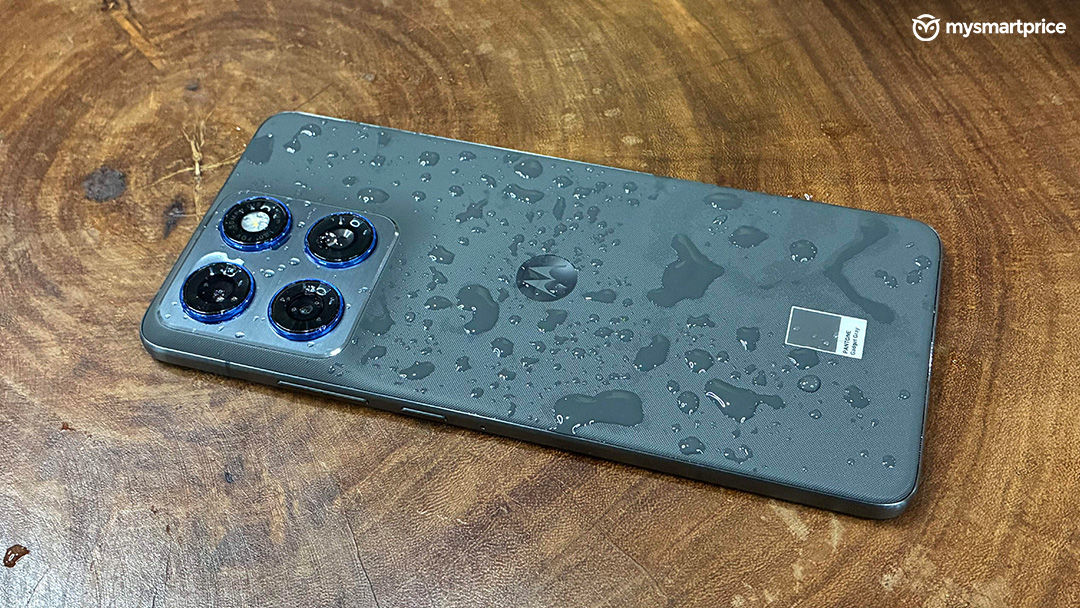
And then there’s the certification list. IP68 and IP69 dust and water resistance, MIL-STD-810H military-grade durability, Gorilla Glass 7i protection. These are not features you’ll think about every day. But knowing they’re there changes how you carry the phone, how you use it in the rain, how you feel when it slips off a table. That confidence has a value that doesn’t show up on any benchmark chart.
Motorola also includes 15W wireless charging, still a rarity at this price point, along with a 68W TurboPower fast charger bundled in the box. That last detail matters more than it sounds. In a market where brands increasingly ship phones without a charger, or with a slower charger to upsell accessories, Motorola ships a genuinely fast charger in the box. That’s the kind of attention to detail that separates a brand that respects its buyers from one that’s simply managing costs.
In an era where smartphones are getting bulkier, heavier, and less considered with every generation, the Edge 70 feels like a deliberate step back toward elegance. It is one of those rare devices that communicates refinement before you even turn the screen on.
Best Display in a Phone Under ₹30,000: The Edge 70’s pOLED Explained
The Edge 70’s 6.7-inch 1.5K pOLED display is, without qualification, one of the best screens available in this price segment right now.
What separates it from the aggressively saturated AMOLED panels common in this category is Pantone color validation, a calibration standard that produces balanced, accurate, mature color reproduction rather than the oversaturated “pop” that looks impressive in a showroom but becomes fatiguing over extended use. Watching OTT content, scrolling through photos, reading, everything looks natural and refined rather than artificially vivid.
The technical credentials are genuinely flagship-grade: 120Hz refresh rate, HDR10+ support, and a peak brightness of up to 4,500 nits. Our own testing measured approximately 2,220 nits, which translates to excellent outdoor visibility in harsh Indian sunlight. The bezels are among the slimmest in this segment, with a screen-to-body ratio that used to be reserved for phones at double the price.

This is a display you’ll appreciate every single time you use the phone. Not just during movie marathons or gaming sessions, but while checking messages over morning chai, scrolling Reels on a commute, or video calling family. That daily touchpoint quality is what premium displays are actually about.
Snapdragon 7 Gen 4 Performance Review: Is It Enough for a Premium Phone Under ₹30,000?
Let’s be direct about the chipset conversation. The Snapdragon 7 Gen 4 is not trying to out-muscle flagship gaming processors. If you want the absolute ceiling of raw processing power under ₹30,000, there are phones built around that single goal.
But here’s what those phones often don’t tell you: peak benchmark performance and sustained real-world performance are very different things. A phone can sprint through a synthetic test and then aggressively throttle the moment temperatures rise, which in Indian summers happens faster than you’d expect.
The Edge 70 is tuned differently. Motorola’s thermal optimization prioritizes consistency over peak numbers, and that approach pays off in daily use.
The numbers are strong: 1.38 million on AnTuTu, 4,174 in Geekbench multi-core, and most tellingly, an 85.2% stability score on 3DMark. That last figure reflects how well the phone maintains performance under sustained GPU load rather than in isolated bursts. For context, many performance-focused phones in this segment score significantly lower on stability despite higher peak scores. The Edge 70 holds steady.
In practical terms, app switching stays fluid, UI responsiveness remains consistent through long sessions, and gaming frame pacing is stable. BGMI averaged nearly 114 FPS in Smooth mode during our testing, while maintaining excellent thermal stability, which is impressive for a phone that’s under 6mm thin.
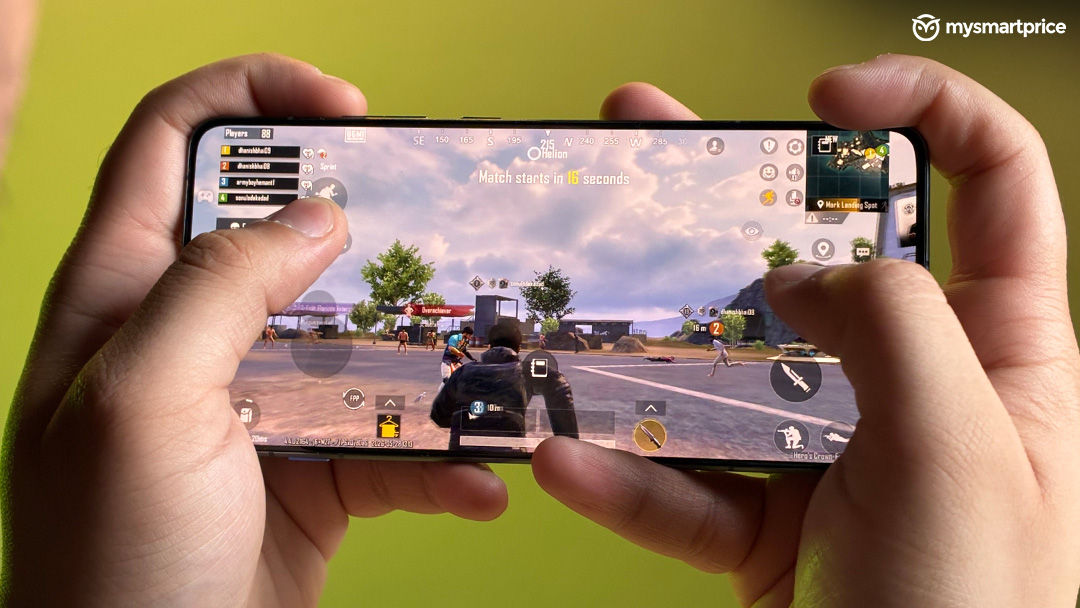
For the overwhelming majority of users, including heavy users, this level of sustained performance matters far more than a higher peak benchmark that the phone can’t actually maintain. The Snapdragon 7 Gen 4 is more than enough for a premium all-rounder under ₹30,000. It is, in fact, exactly the right chip for what this phone is trying to be.
Battery Life on the Motorola Edge 70: A 5000mAh Cell That Punches Well Above Its Weight
The instinctive concern with any ultra-slim phone is battery life. It’s a fair concern, since most sub-6mm smartphones quietly shrink the battery to hit their thickness targets, leaving you hunting for a charger by early evening.
Motorola doesn’t do that here. The Edge 70 packs a full 5000mAh battery, a proper full-sized cell by any standard, not a compromised capacity dressed up with technology marketing. What makes the real difference, though, is how intelligently the entire system is tuned around making that capacity last.
The Snapdragon 7 Gen 4 is one of the more power-efficient chips available at this price point, and Motorola’s software layer is lean enough to not waste what the hardware saves. There’s no heavy UI overlay running unnecessary background processes, no bloated ecosystem quietly draining your battery while the screen is off. The combination of efficient silicon, intelligent software tuning, and a well-sized battery produces results that consistently outperform phones with larger-capacity cells but heavier software stacks.
PCMark battery testing returned approximately 12 hours and 33 minutes, a strong result for a device this slim. In real-world use, the Edge 70 comfortably delivers a full day for most users. Heavy users on calls, navigation, hotspot, and social media for much of the day will still make it to bedtime without anxiety. That’s a harder achievement than it sounds, and it speaks to how well Motorola has tuned the complete package rather than just chasing a headline mAh number.
And when you do need to top up, the options are genuinely premium. The 68W TurboPower charger, bundled in the box, handles fast wired charging without fuss. But it’s the 15W wireless charging that quietly elevates the daily experience in a way that’s hard to appreciate until you’ve actually lived with it. Place the phone on your car’s wireless charging pad and even a 15 to 20 minute drive is enough to meaningfully top up the battery. No cables to fumble with, no adapters to carry, no hunting for a socket. The phone just charges in the background while you drive, and you arrive with meaningfully more battery than when you left.
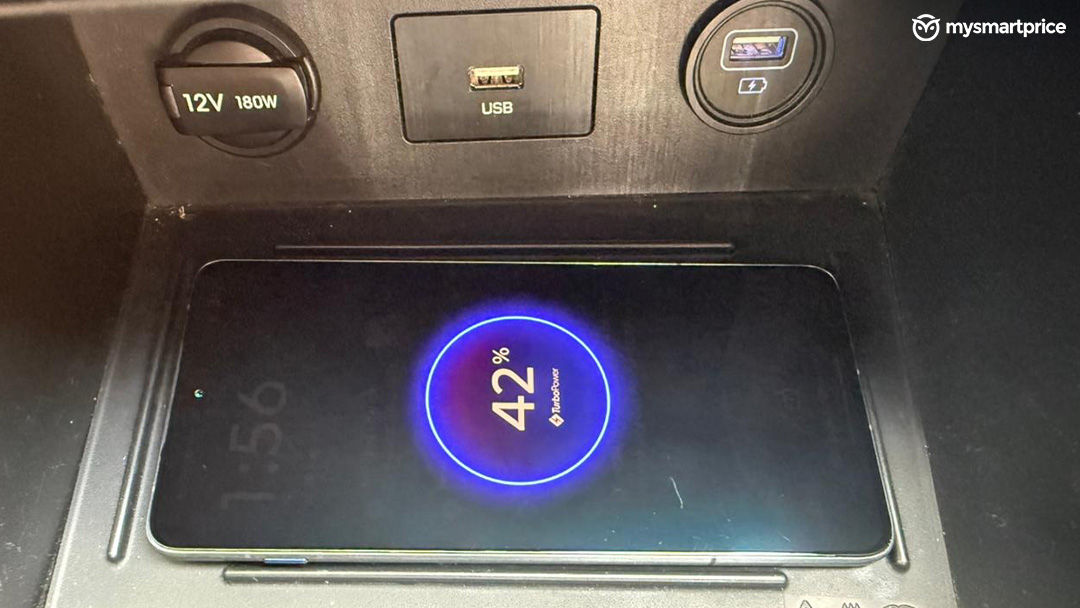
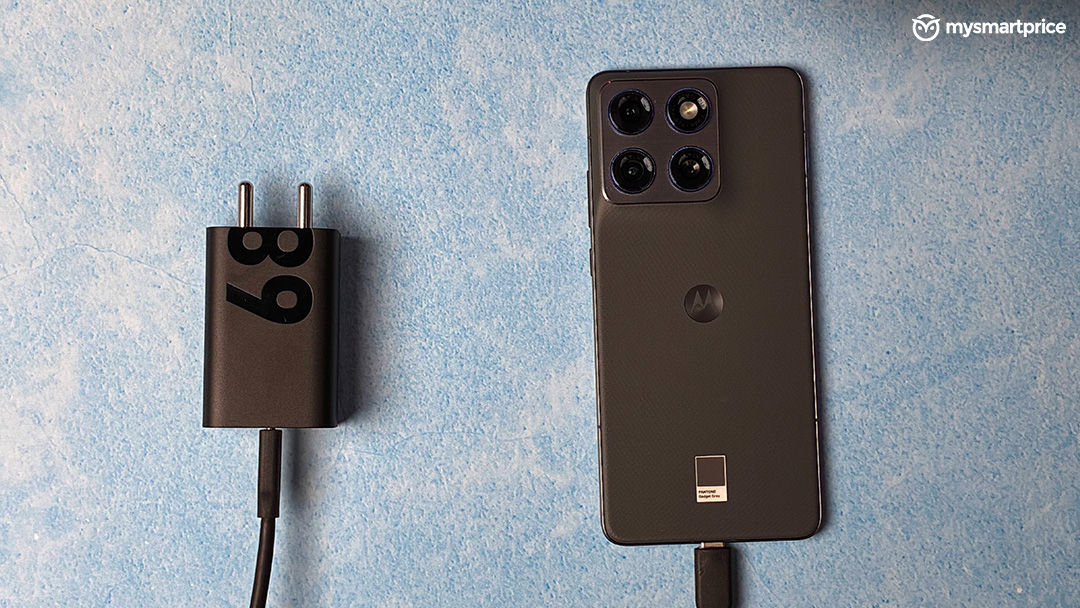
That kind of effortless, cable-free flexibility is the sort of premium convenience that most phones under ₹30,000 simply don’t offer. And once you’ve had it, going back to wired-only charging feels like a genuine step down.
Motorola Edge 70 Camera Review: Best Camera Phone Under ₹30,000?
The camera segment under ₹30,000 is where spec sheet manipulation is most obvious. “Triple camera” phones in this range routinely pair one capable sensor with two filler cameras, typically a low-resolution depth sensor and a macro lens that produces results you’d never actually use.
The Edge 70 takes a fundamentally different approach, and the difference becomes clear the moment you start shooting.
The Main Camera: Dependable, Versatile, Consistently Excellent
The primary 50MP Sony sensor with OIS handles the heavy lifting, and it does so with the kind of consistency that matters in real use. Strong HDR handling, natural colour science, reliable Pantone-validated skin tones, and solid low-light performance form the backbone of the experience. But what elevates the main camera beyond hardware specs is a set of software features that most phones in this segment simply don’t offer.

Horizon Lock is the standout. It uses the phone’s gyroscope and AI processing to keep your video footage level even when you’re moving, whether you’re walking through a crowded market, shooting from a moving vehicle, or capturing action at a family event. The result is footage that looks intentional and composed rather than shaky and handheld. Most phones at this price rely on standard electronic image stabilisation, which smooths out minor wobbles but can’t correct rotational tilt. Horizon Lock does. It’s the kind of feature you’d expect to find on phones at twice the price, and once you’ve used it for travel or event videos, shooting without it feels like a step down.
Complementing this is Moto’s Adaptive Stabilisation, which is always on by default, automatically sensing how you’re moving and continuously adjusting to deliver smooth footage whether you’re walking, running, or filming from a moving vehicle. Together, these two stabilisation modes give the Edge 70 a video capability that is genuinely rare in this segment.
The Ultrawide: A Genuine Two-in-One, Not a Spec Filler
This is where the Edge 70 quietly does something most phones at this price point refuse to do properly. The 50MP ultrawide camera includes phase-detection autofocus (PDAF), and that single decision transforms it from a landscape lens into a proper two-in-one tool.
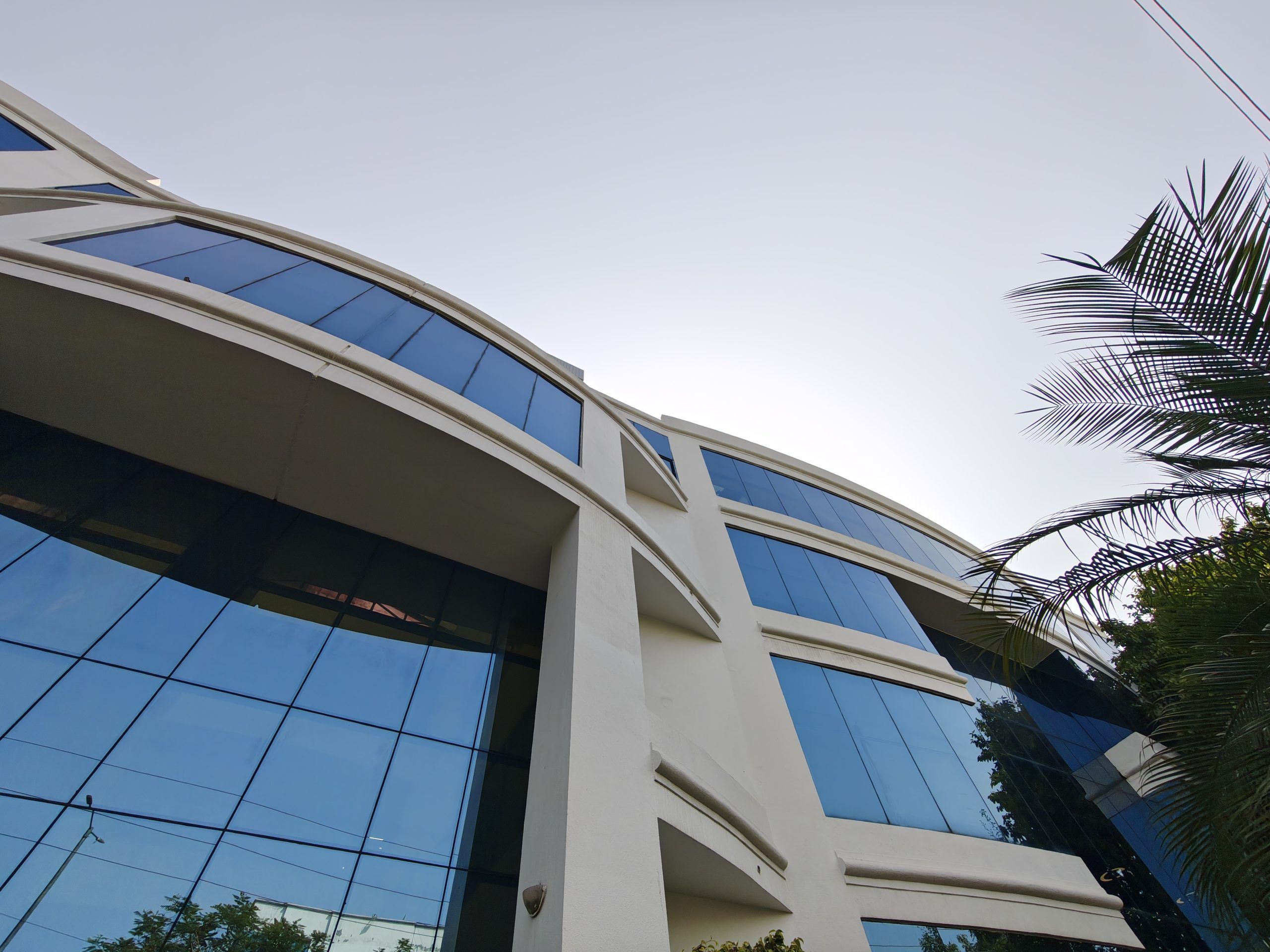
With autofocus on the ultrawide, the Edge 70 can focus on subjects as close as 3.5cm, enabling true Macro Vision photography at 50MP resolution. This isn’t the gimmicky low-resolution macro lens found on most mid-range phones, added purely to inflate the camera count. This is the full-resolution ultrawide sensor, repurposed for extreme close-up shooting: capturing the texture of a fabric, the detail in a piece of jewellery, the intricacy of a rangoli pattern, the fine embroidery on a kurta, all with the same colour accuracy and dynamic range you’d expect from the main camera. The automatic macro mode kicks in seamlessly when you move close to a subject, without requiring a separate mode switch.

Most competitors at this price use a fixed-focus ultrawide that simply cannot achieve this. The PDAF on the Edge 70’s ultrawide is a genuine differentiator, and one of those features you won’t fully appreciate until you’ve used it.
Moto Actions and AI: The Hidden Premium Layer
Beyond the hardware, Motorola layers in a set of software gestures and AI tools that add genuine everyday value. Quick Capture lets you launch the camera with a wrist twist. Three-finger screenshot, fast flashlight toggle with a karate chop motion, and an attentive display that keeps the screen on while you’re looking at it are small things that collectively make the phone feel more intelligent and responsive than its price suggests.
On the AI side, Auto Smile Capture, Auto Night Vision, and Pantone SkinTone validation work quietly in the background to improve shots without requiring manual intervention. These aren’t marketing features. They’re tools that consistently produce better results in everyday shooting without the user needing to think about them.
Video: Serious Stabilisation Across All Cameras
All three cameras support 4K recording, which is still rare in this segment. Combined with Horizon Lock and Adaptive Stabilisation, the Edge 70 produces video footage that holds up on a large screen, not just on a phone display. Audio is captured in stereo at 256Kbps with a 48kHz sample rate, a detail that matters when you’re shooting at a concert, a wedding, or a festival, and you want the sound to match the quality of the picture.
The Honest Caveat
In extreme low-light, against flagship devices with larger sensors and more advanced computational photography, the limitations do show. Shadow recovery and ultra-dark scene handling cannot fully match phones at twice the price. But those situations represent perhaps 10% of how most people actually use a camera phone.
For the remaining 90%, covering daylight photography, travel, portraits, indoor family moments, social media content, and everyday video, the Edge 70 consistently performs at a level that rivals phones in the ₹45,000 to ₹50,000 category. With Horizon Lock, Macro Vision, and Moto’s AI camera tools layered on top, it does so with a depth of features that most phones in this segment can’t come close to matching.
The cameras feel dependable and they feel genuinely premium. That combination, at under ₹30,000, is harder to find than it should be.
Long-Term Review: Living With the Motorola Edge 70 as a Daily Driver for 3 Months
We’ve been using the Motorola Edge 70 as a daily driver for just over three months. Here’s what extended use actually reveals.
The things that impressed us on day one, the slim chassis, the display, the build quality, have only grown on us. But what’s become clearer over three months is how much the sum of these parts shapes the daily experience. This is a phone that reveals its quality gradually, through repeated use, not through a single benchmark or a single camera shot.
The software hasn’t slowed down. There are no new ads in the notification tray. No apps have quietly installed themselves. The UI remains as clean and responsive as it was out of the box, something that sounds like a low bar but is genuinely rare among phones in this segment after extended use.
The cameras have proven consistently reliable across three months of varied conditions, including weddings, travel, indoor family moments, and everyday street photography. Not every shot is perfect, but the hit rate is high enough that you instinctively reach for this phone rather than a dedicated camera.
The battery has remained stable, with no noticeable degradation in endurance over three months of daily charging cycles, which is a reassuring sign for long-term ownership.
And the build? Still pristine. No flex, no creak, no wear on the frame finish that you’d expect from daily handling. The IP certifications have been tested, not deliberately, but the way phones get tested in real life. It’s held up without drama.





Three months in, the Edge 70 doesn’t feel like a phone you’re making peace with. It feels like a phone you’re still discovering things to appreciate about. That, more than any spec or benchmark, is what makes it the best premium all-rounder phone under ₹30,000 in India.
Why Motorola Is a Trusted Premium Brand: Software, Support, and Global Standing
When you’re spending close to ₹30,000, the name behind the phone matters, and Motorola has genuinely earned its place in the premium conversation.
Motorola is a globally trusted smartphone brand with decades of innovation history, and that heritage shows in how the Edge 70 is built and supported. Motorola’s Hello UI remains one of the cleanest Android experiences available in this segment, close to stock Android in philosophy, uncluttered, fast, and free of the aggressive ad integrations and duplicate apps that make many competitors frustrating over time. The additions Motorola does make, including Moto gestures, smart connectivity tools, and thoughtful multitasking features, feel purposeful rather than padded.
On software support, Motorola has committed to three years of Android OS upgrades and four years of security patches for the Edge 70, with support running through 2031. If you’re planning to use this phone for two or three years, which at this price you likely are, that commitment matters. A phone that stays secure and current is a phone that retains its value, both financially and experientially. In a segment where many brands offer vague or minimal update commitments, Motorola’s position here is a meaningful differentiator.
Clean software and long-term support aren’t glamorous. They don’t win spec comparisons. But they are exactly what separates a phone that keeps delivering a premium experience two years from now from one that quietly deteriorates, and that distinction is very much worth ₹30,000.
Verdict: Is the Motorola Edge 70 the Best Premium All-Rounder Under ₹30,000 in India?
Yes. The Motorola Edge 70 is the best premium all-rounder phone under ₹30,000 in India in 2026, and it isn’t particularly close.
It is not the phone with the loudest specifications in this segment. It’s not the benchmark champion, not the gaming powerhouse, not the phone that wins spec comparison tables.
It is the phone with the fewest compromises, and right now, in a market where brands are quietly trimming features to manage rising component costs, that distinction is more valuable than ever.
Aircraft-grade aluminum frame. IP68 and IP69 certification. Military-grade durability. A 1.5K pOLED display with Pantone validation and flagship-grade brightness. A well-tuned 5000mAh battery in a sub-6mm chassis. Consistent triple-50MP cameras with Horizon Lock, Macro Vision, and 4K video across all lenses. Wireless charging. A 68W fast charger in the box. Clean software, three years of OS updates, four years of security patches. A globally trusted brand that has earned its premium reputation.
Put all of that together, and you have a phone that delivers a premium experience not just when you’re gaming or shooting photos, but every single time you pick it up. That kind of all-round refinement, at under ₹30,000, is genuinely rare, and in the current market, increasingly hard to find.
After three months of daily use, we’re still not finding a compelling reason to put it down.
The Motorola Edge 70 is our pick for the best premium all-rounder under ₹30,000 in India. Unambiguously.
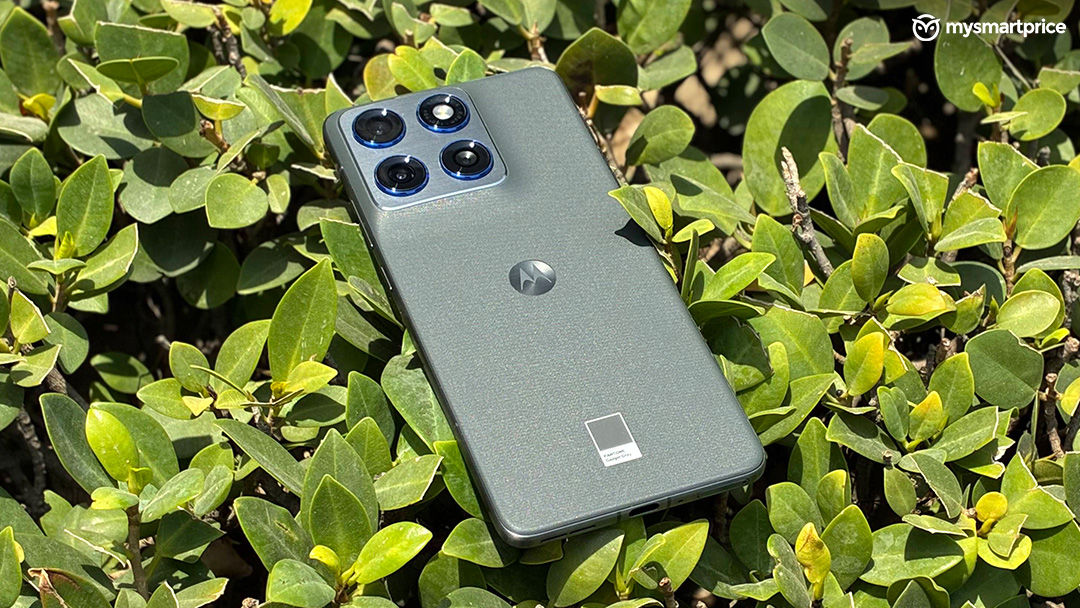
Best Alternatives to the Motorola Edge 70 Under ₹30,000 in India
The Edge 70 is the most balanced premium option in this segment, but balance isn’t everyone’s priority. Here’s where alternatives make sense, and what you give up for them.
Best Phone Under ₹30,000 for Gaming:
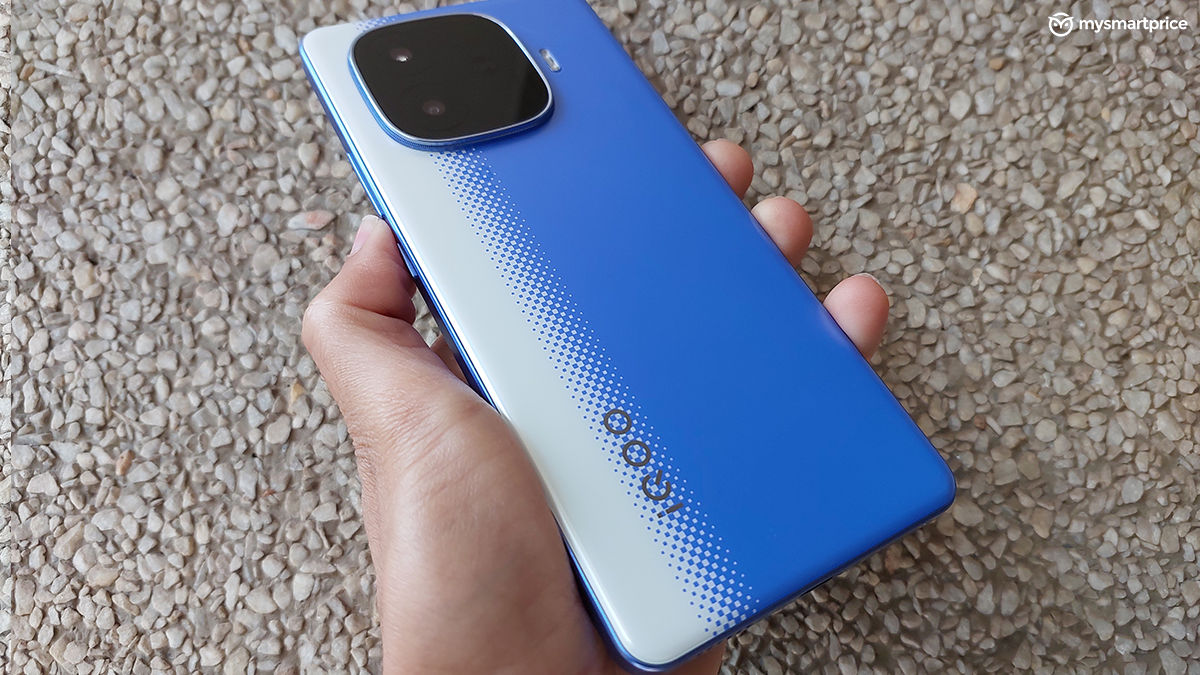
If sustained gaming at ultra-high settings and outright processing ceiling are your only criteria, the iQOO Neo 10R’s Snapdragon 8s Gen 3 holds a genuine 15 to 20% advantage in CPU and GPU workloads over the Snapdragon 7 Gen 4. That advantage is real in sustained gaming, emulation, and GPU-heavy rendering. In everyday use, covering app launches, multitasking, and UI responsiveness, the difference is far smaller than benchmark charts suggest.
The trade-off is just as real. The Edge 70 is noticeably slimmer, lighter, more refined in hand, and more polished in software. The Neo 10R feels more powerful. The Edge 70 feels more premium. That’s the choice.
Best Phone Under ₹30,000 for Battery Life: Motorola Edge 60 Pro
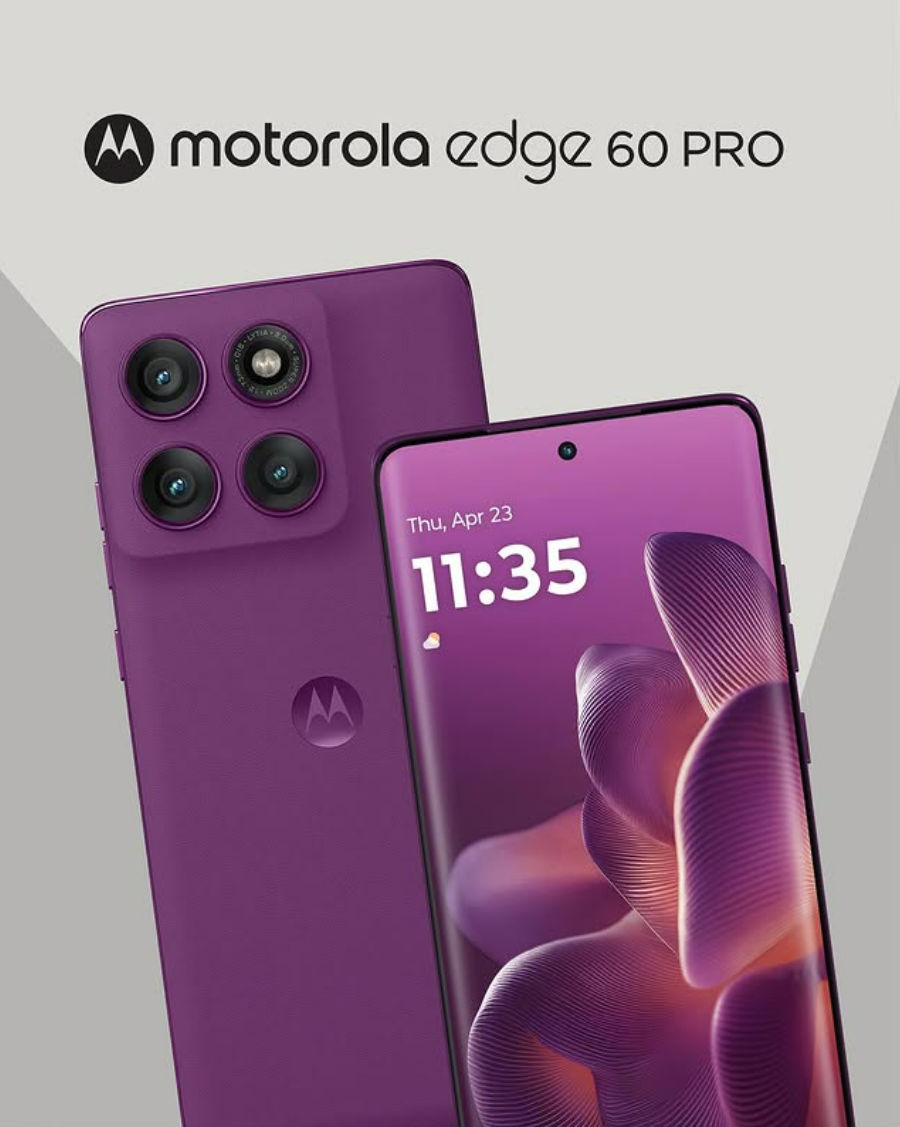
For users who prioritize endurance above everything else, the Edge 60 Pro is the closest alternative that doesn’t sacrifice premium character to get there.
To be fair, there are phones in this segment with bigger batteries on paper. The Realme P4 Power ships with a 7000mAh cell and will outlast the Edge 60 Pro on a single charge for heavy users. The Poco F7 goes even further with a 7550mAh battery. If raw endurance is the only thing that matters to you, those numbers are hard to argue with.
But here’s the thing: battery life doesn’t exist in isolation. The Edge 60 Pro pairs its 6000mAh capacity with 90W fast charging, a curved pOLED display, IP68 and IP69 certification, wireless charging, and Motorola’s clean Hello UI software. It feels genuinely refined in hand, it’s built to last, and it charges fast enough that you’re rarely waiting around. The Realme P4 Power and Poco F7 have the bigger cells, but they can’t match the Edge 60 Pro on build quality, display refinement, software cleanliness, or the overall sense that you’re holding a phone that was designed with care rather than just engineered around a single headline spec.
If you want premium battery life, rather than just maximum battery capacity, the Edge 60 Pro is the only phone under ₹30,000 that genuinely delivers both endurance and a premium ownership experience. It follows the same philosophy as the Edge 70: balance and refinement first, with battery life as a core strength rather than a compromise.
Best Camera Phone Under ₹30,000: Does Anything Beat the Edge 70?
This is where the Edge 70 becomes genuinely difficult to displace. Most camera-focused phones in this segment compromise elsewhere, with bulkier builds, plastic chassis, weaker ultrawide sensors, bloated software, or inconsistent secondary cameras. The Edge 70 avoids most of those compromises.
The one alternative worth raising is the Google Pixel 8a, which offers stronger computational photography in extreme low-light and HDR-heavy conditions. But it comes with clear trade-offs: a less premium hardware design, thicker bezels, slower charging, and a less immersive multimedia experience overall.
The Pixel 8a wins in pure computational photography science. The Motorola Edge 70 wins as the best all-round camera phone under ₹30,000, and as the more complete premium package overall.