Samsung recently announced the Galaxy S26 series, and as expected, much of the attention quickly shifted to the Galaxy S26 Ultra. Cameras have long been the defining feature of Samsung’s Ultra lineup, but this year the company appears to be taking a slightly different approach.
The Big Camera Upgrades
For years, the smartphone industry has been locked in a relentless megapixel race, with bigger numbers often dominating spec sheets even when the real-world improvements were marginal. With the Galaxy S26 Ultra, Samsung seems to have recognised that it already has more than enough resolution to work with. Instead of pushing the megapixel count further, the focus this time shifts to areas that actually influence photography: better light capture, improved stability, and smarter processing.
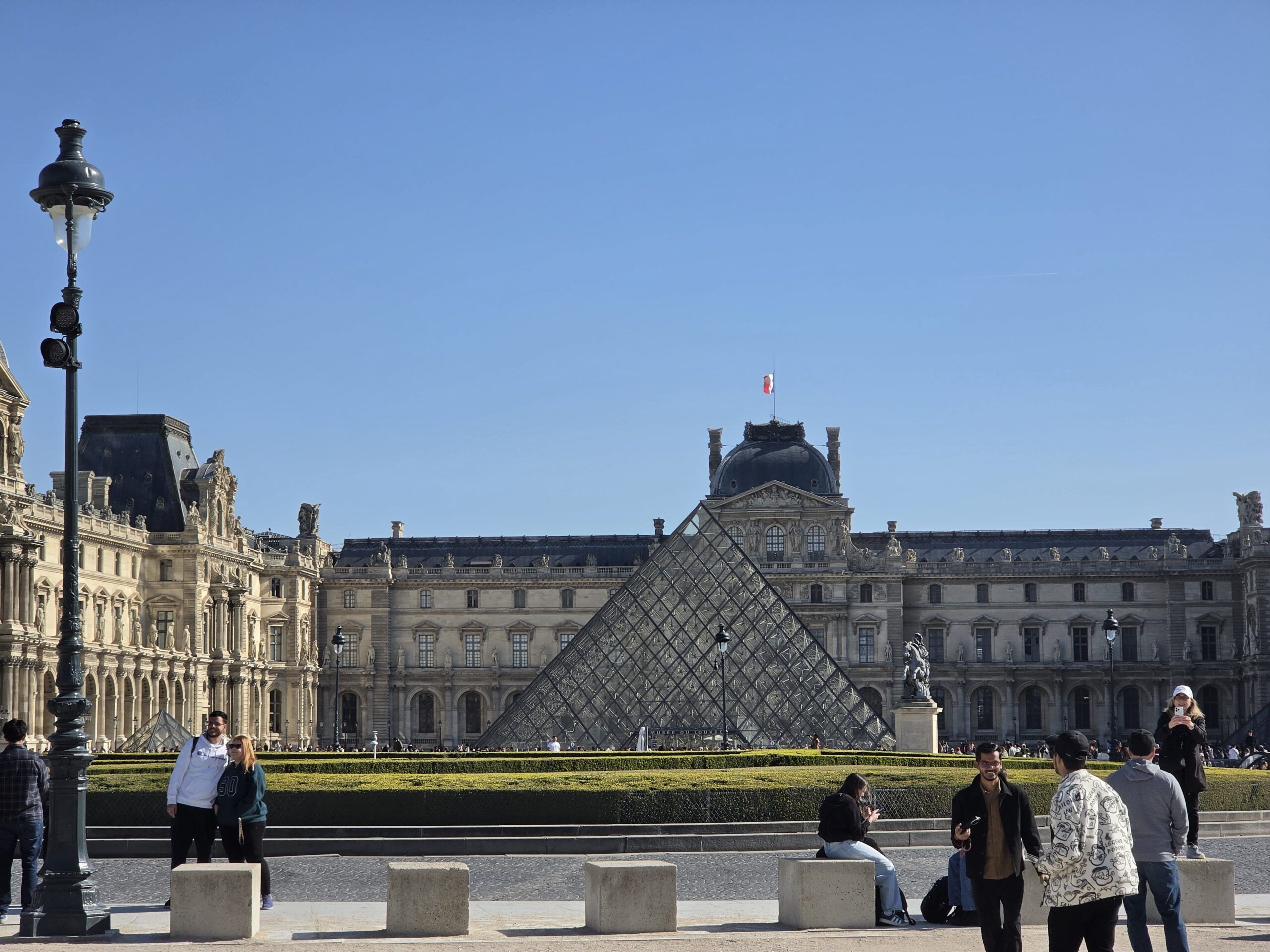
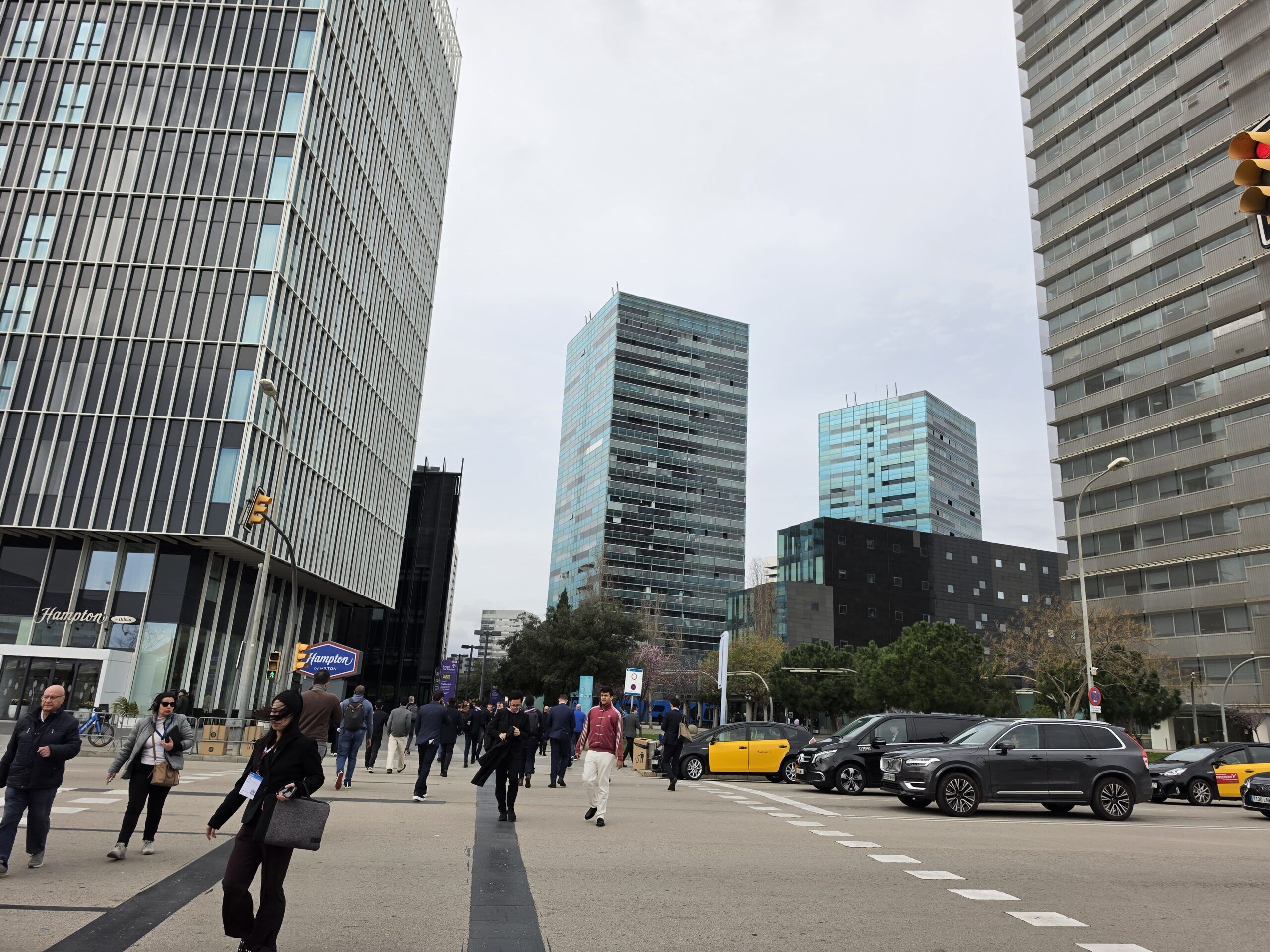
The most noticeable hardware change this year is the wider aperture on the main sensor. The Galaxy S26 Ultra retains the 200MP primary sensor but upgrades to a wider f/1.4 aperture. This allows the sensor to capture roughly 47% more light, enabling faster shutter speeds to freeze motion in low light and producing a shallower, more natural optical bokeh that reduces the need for software-driven portrait effects
Low-Light Photography Gets a Noticeable Boost
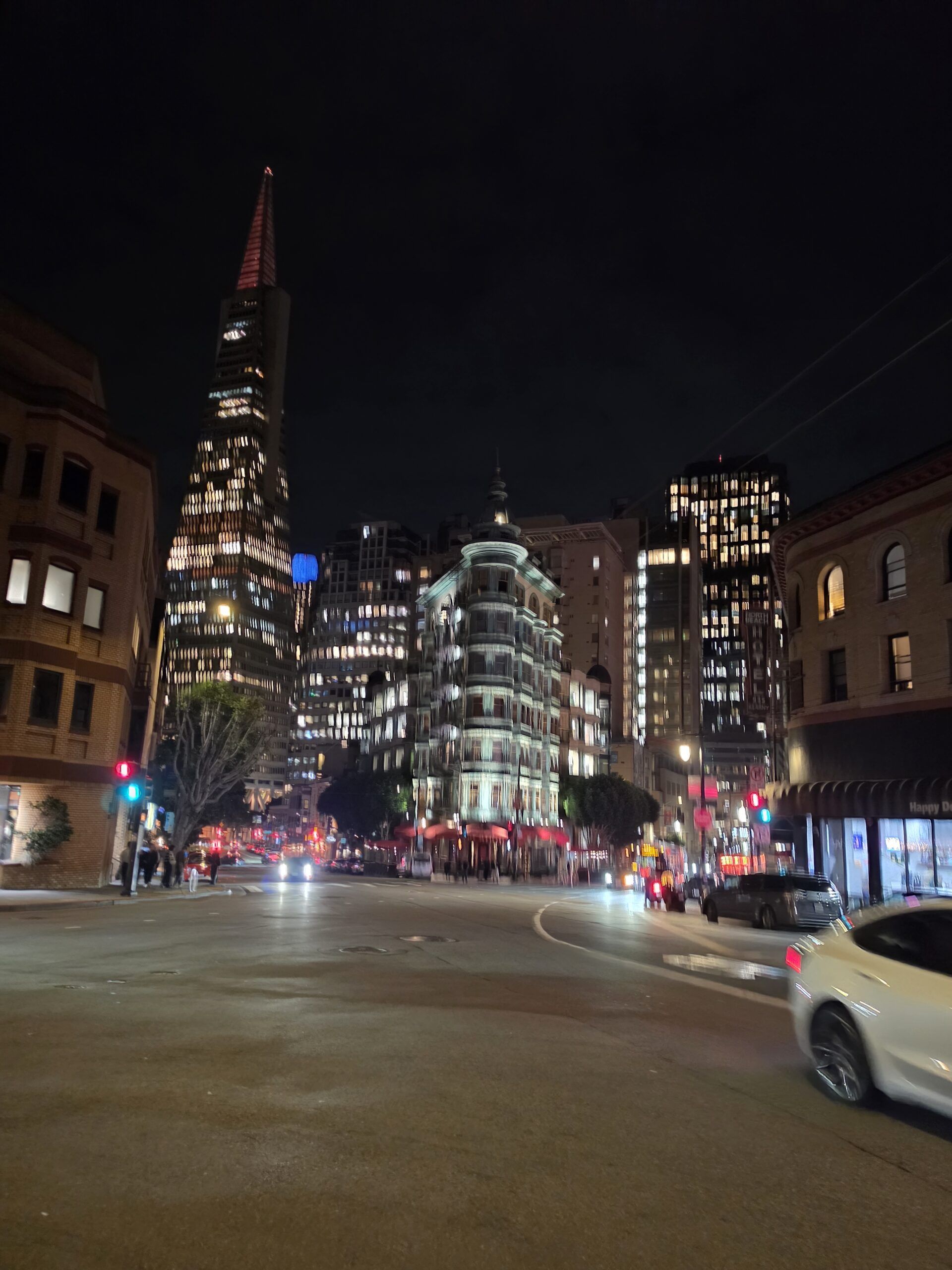
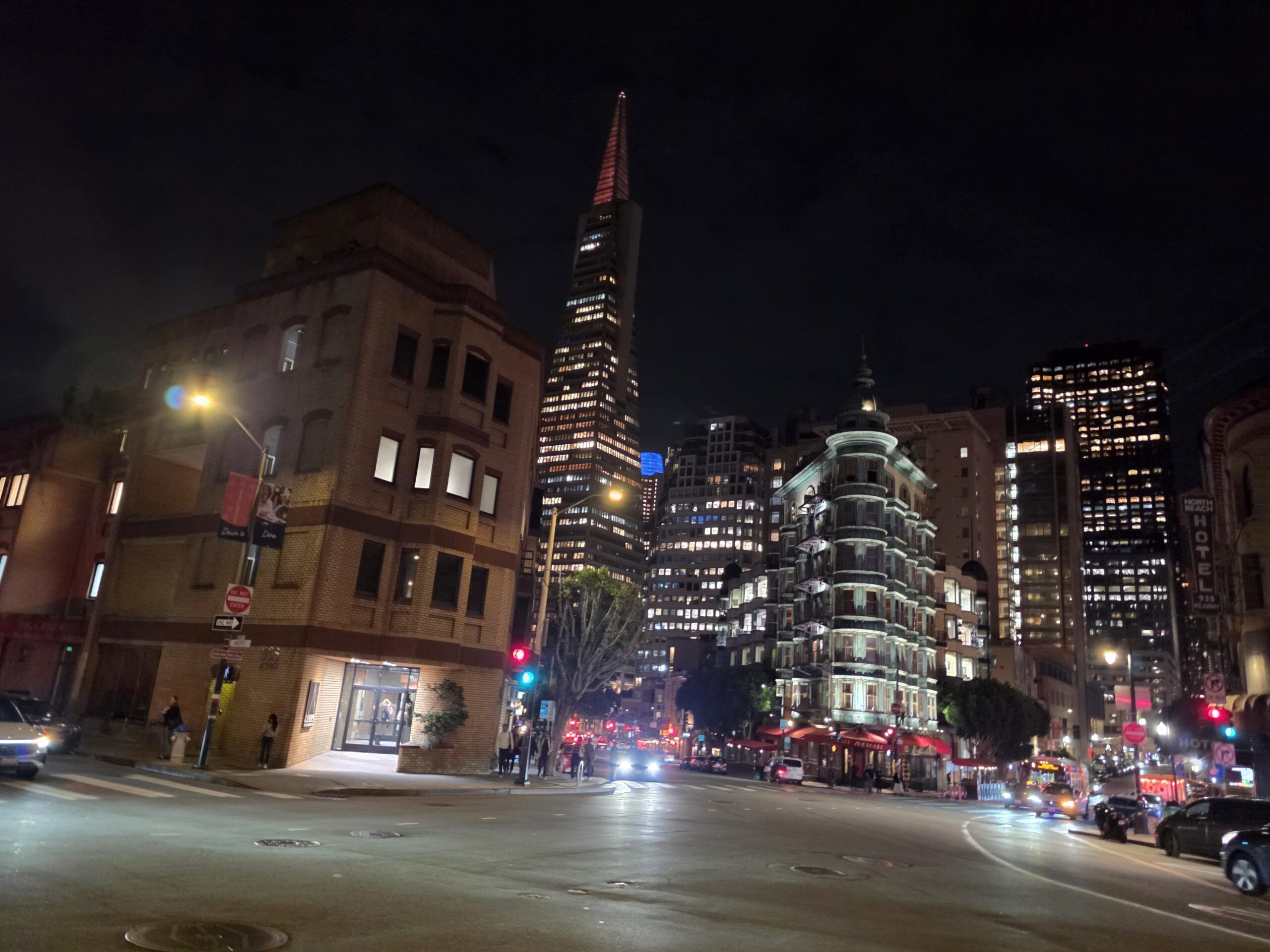
To see how these changes translate in real-world usage, we began shooting in San Francisco at night. Urban street scenes like this are often a tough test for smartphone cameras. There are multiple light sources, moving vehicles, and deep shadows all within the same frame. Many phones either overexpose the brighter parts of the image or struggle to retain detail in darker areas. In this shot, the Galaxy S26 Ultra manages to keep the scene balanced. The illuminated buildings remain detailed without blowing out highlights, while the darker parts of the street still retain visible texture. Even with moving traffic and mixed lighting conditions, the image remains relatively clean, with no excessive noise creeping into the frame.
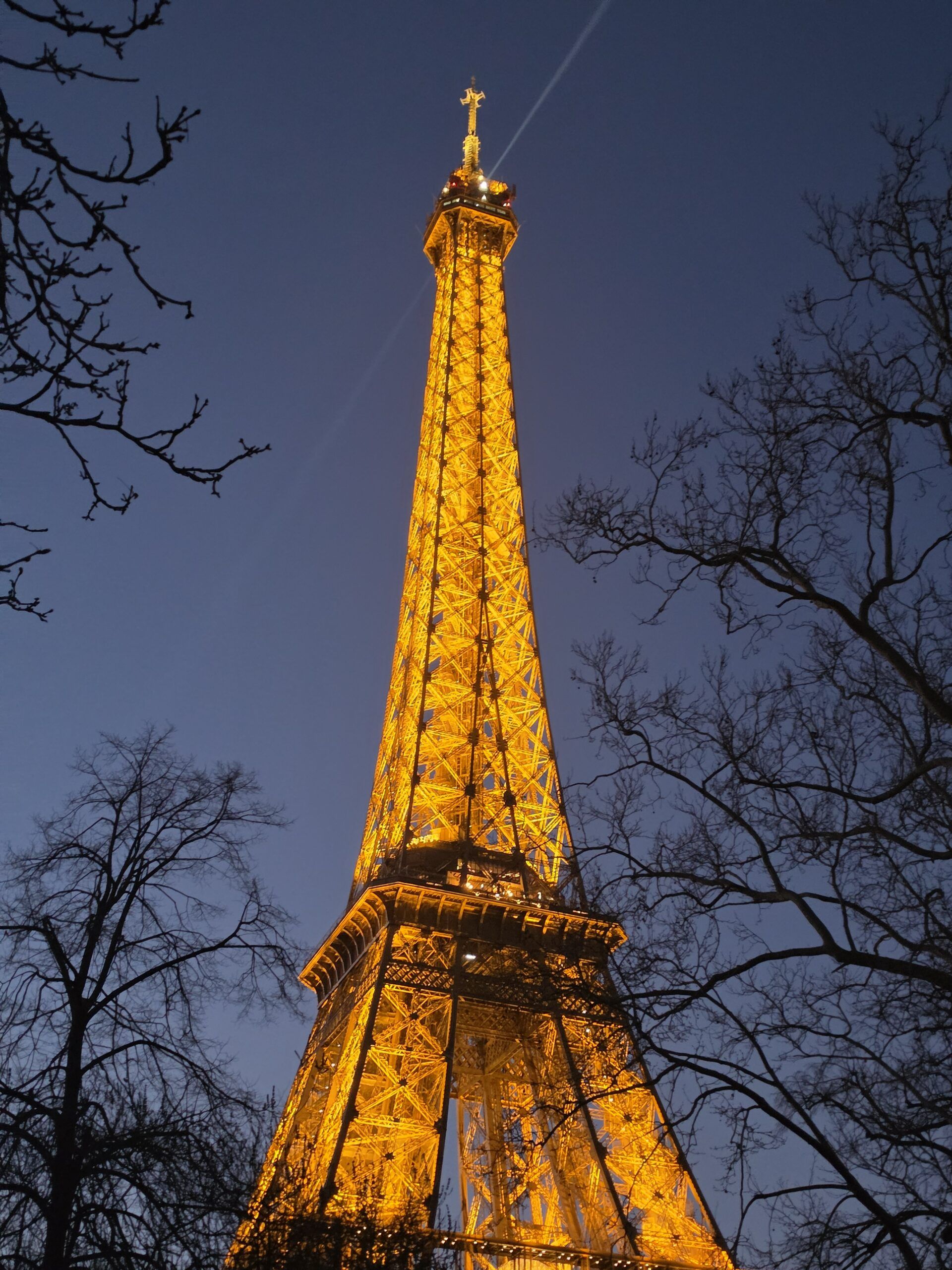
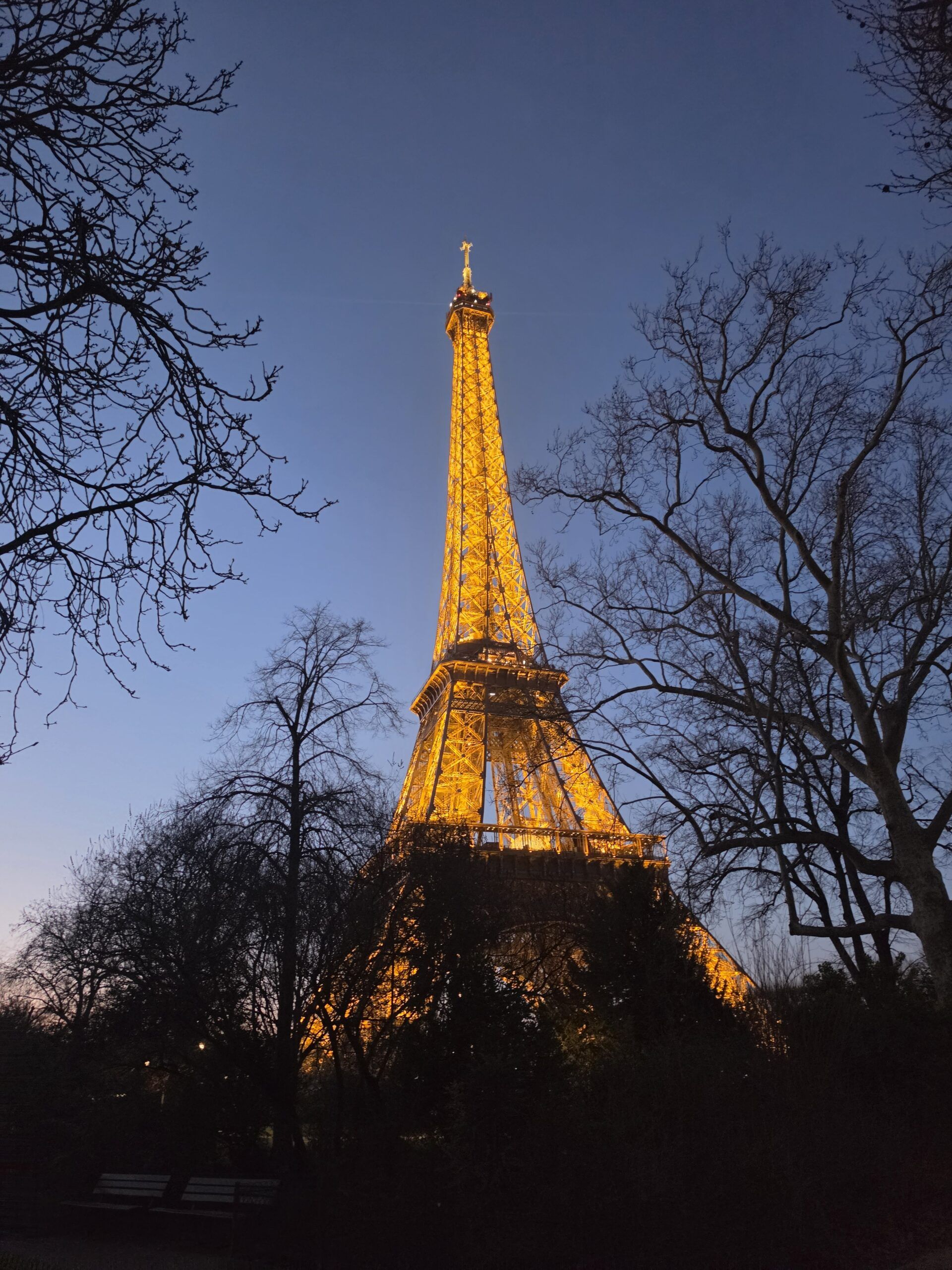
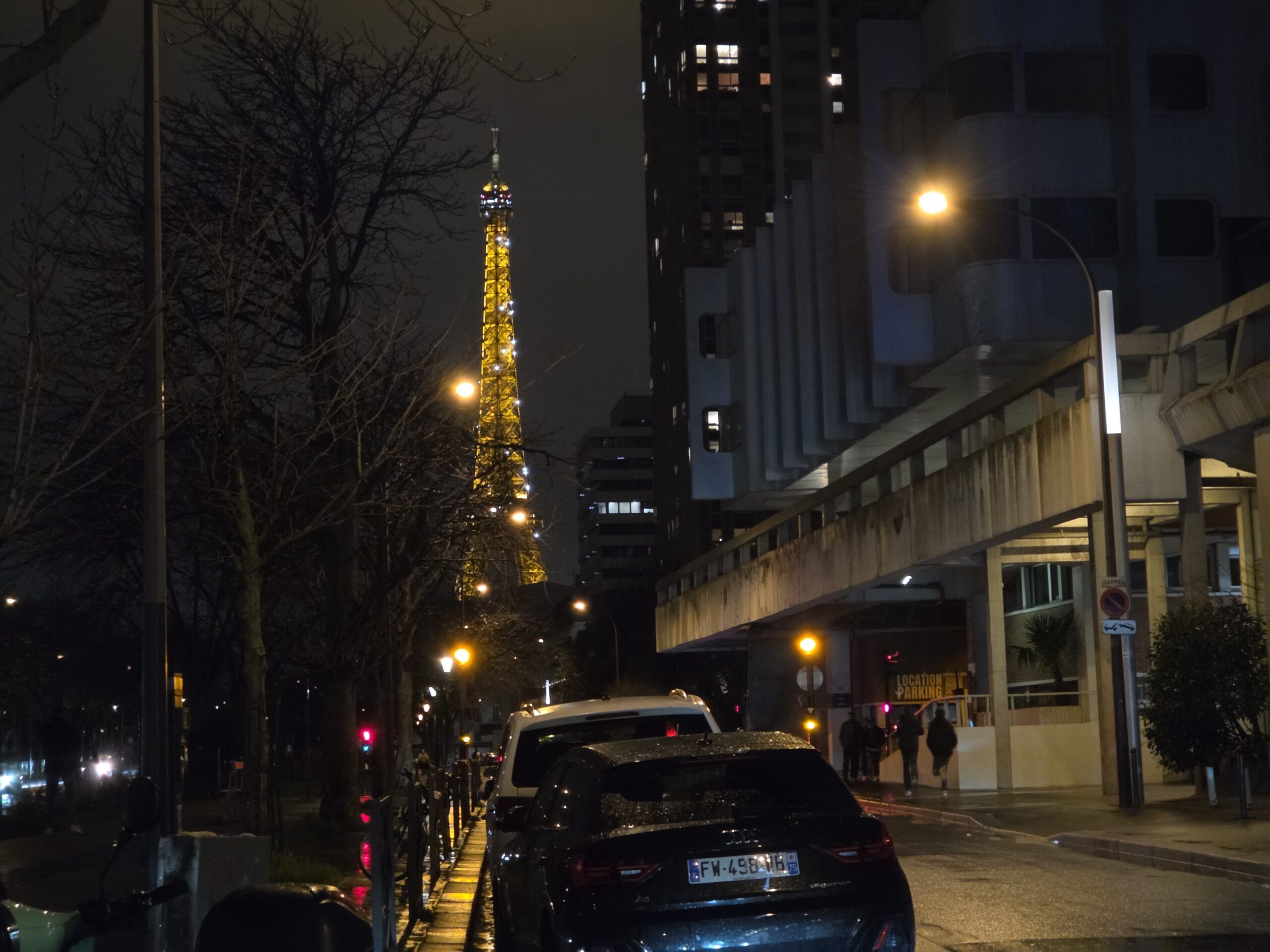
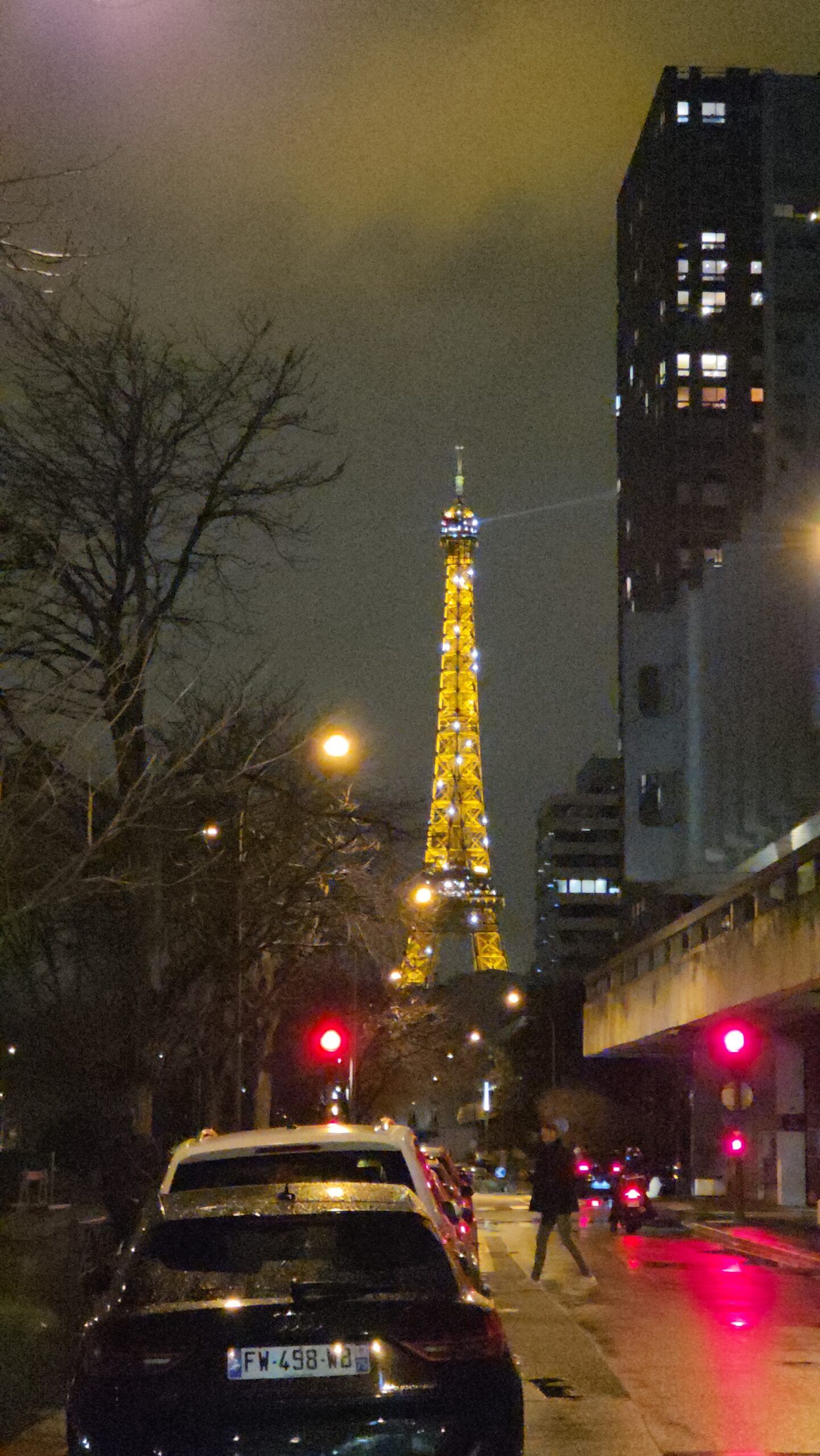
We got a chance to try this out while shooting at night in Paris. The Eiffel Tower is spectacular after sunset thanks to the lighting around it, but photographing it well on a phone can be tricky. In many cases, the lights either blow out highlights or lose detail in the darker parts of the frame. The Galaxy S26 Ultra handled the scene surprisingly well, balancing the bright lighting with the surrounding night sky. The results were noticeably cleaner and more detailed than what we typically see from smartphone cameras in similar conditions.
Here are some of the images we captured after sunset.
The upgrades are not limited to the main camera. Samsung has also widened the aperture on the 50MP 5x telephoto lens, which now sits at f/2.9. On paper this might sound like a small adjustment, but it addresses a real limitation that most smartphone cameras struggle with.
Long-Range Zoom Put to the Test
Zoom photography in low light is usually where things fall apart. The moment you zoom in after sunset, images often become noisy and lose sharpness because the telephoto lens simply does not receive enough light. The wider aperture on the Galaxy S26 Ultra makes the 5x zoom far more usable in the evening. In our testing, it delivered cleaner images with noticeably less noise compared to what we typically expect from telephoto cameras at night.



Evening Light Tests the Camera’s Detail and Exposure Balance
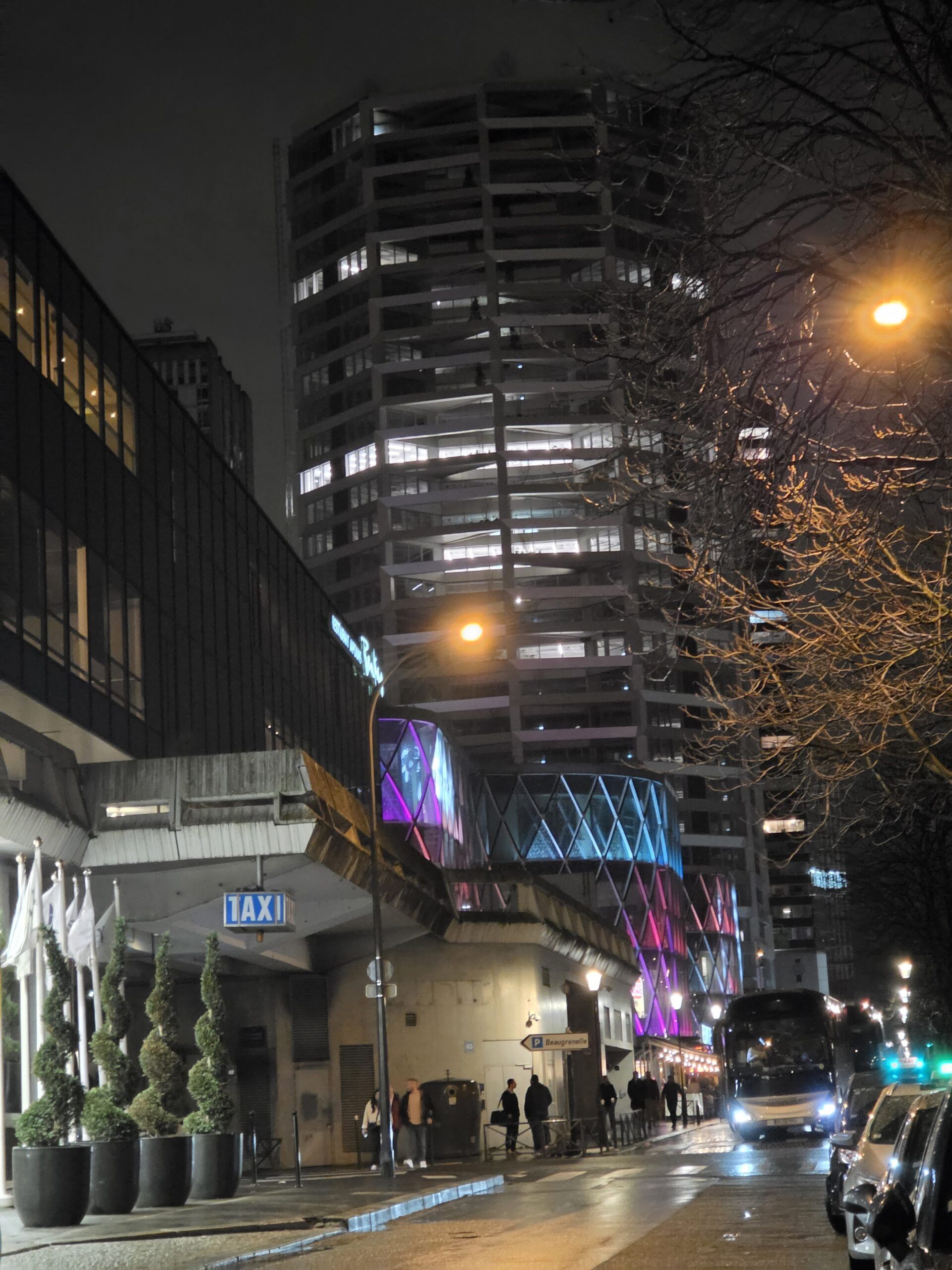
We first stepped out earlier in the evening when the skies over Paris had turned overcast. This kind of lighting is deceptively tricky for smartphone cameras. The scene is not dark enough for night mode, but the dull grey sky, wet streets, and artificial café lighting create a mix of lighting conditions that can easily throw off exposure and colour balance.
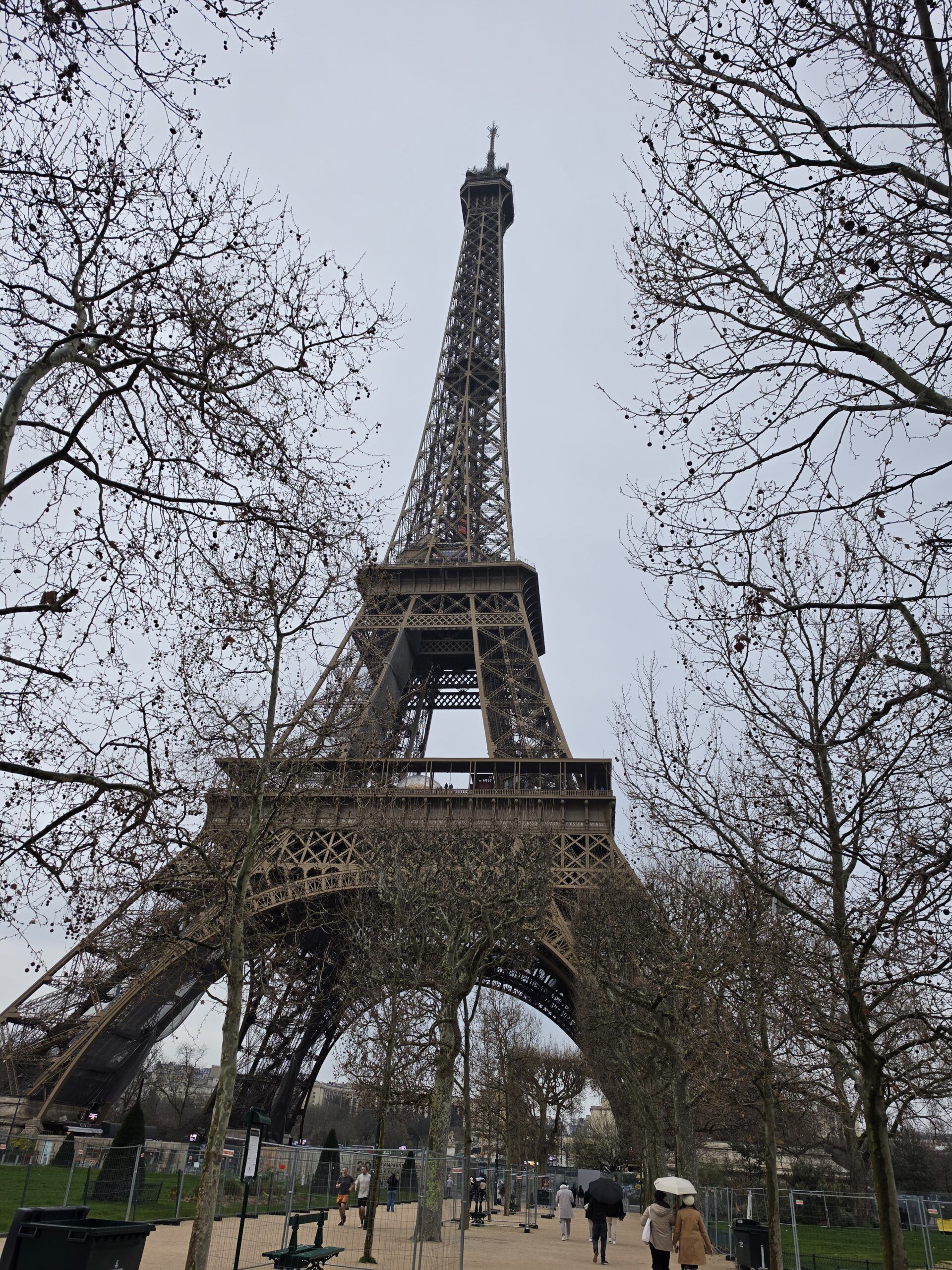
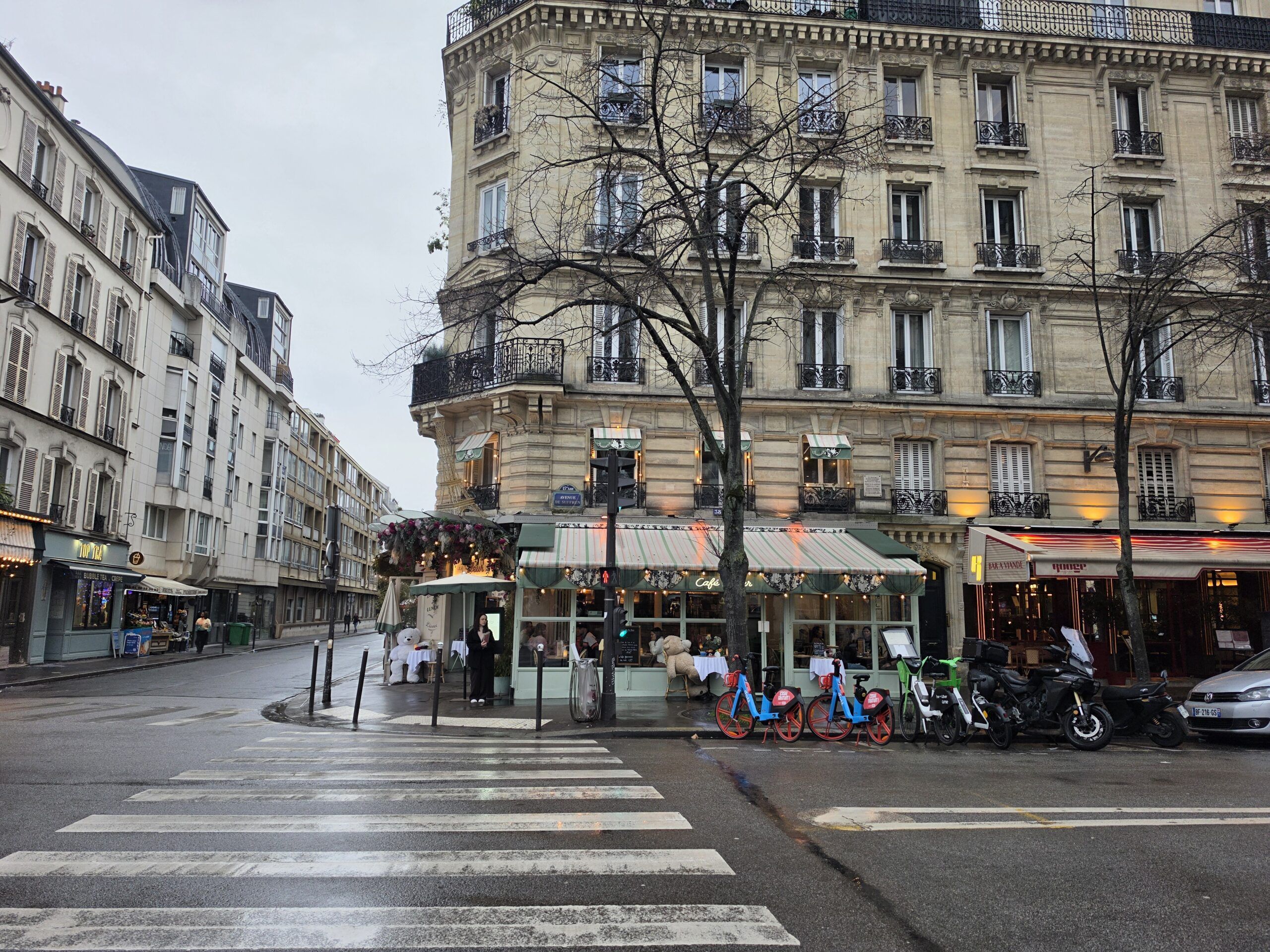
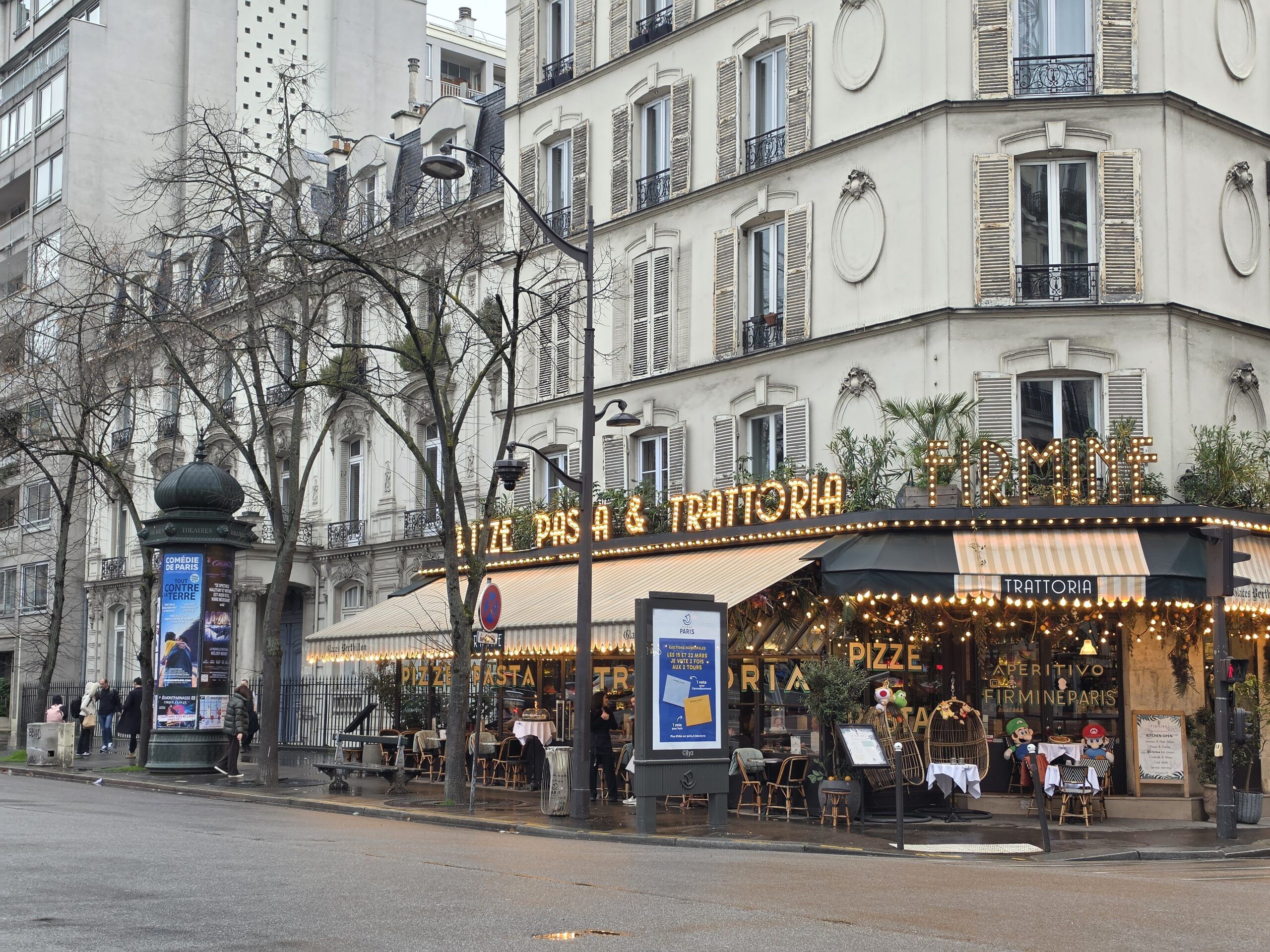
In our shots, the Galaxy S26 Ultra handled this quite well. The camera managed to retain texture in the Eiffel Tower’s structure without blowing out the bright sky behind it. At street level, the café lighting, buildings, and road reflections were balanced naturally without the colours looking overly boosted. It is the kind of scenario where many phones either flatten the scene or overcompensate with aggressive HDR, but Samsung’s tuning here felt more controlled.
AI-Powered Camera Features in Action
Beyond the hardware improvements, Samsung has also expanded its AI-powered editing tools. Photo Assist continues to evolve as part of Samsung’s Galaxy AI ecosystem, allowing users to make complex edits using simple text prompts. Instead of manually outlining objects or carefully selecting areas, users can describe the change they want, and the system will attempt to generate the edit automatically. For example, we picked this photo of hot chocolate from our Galaxy S26 Ultra and asked AI to add a croissant to it; here is what it whipped up.


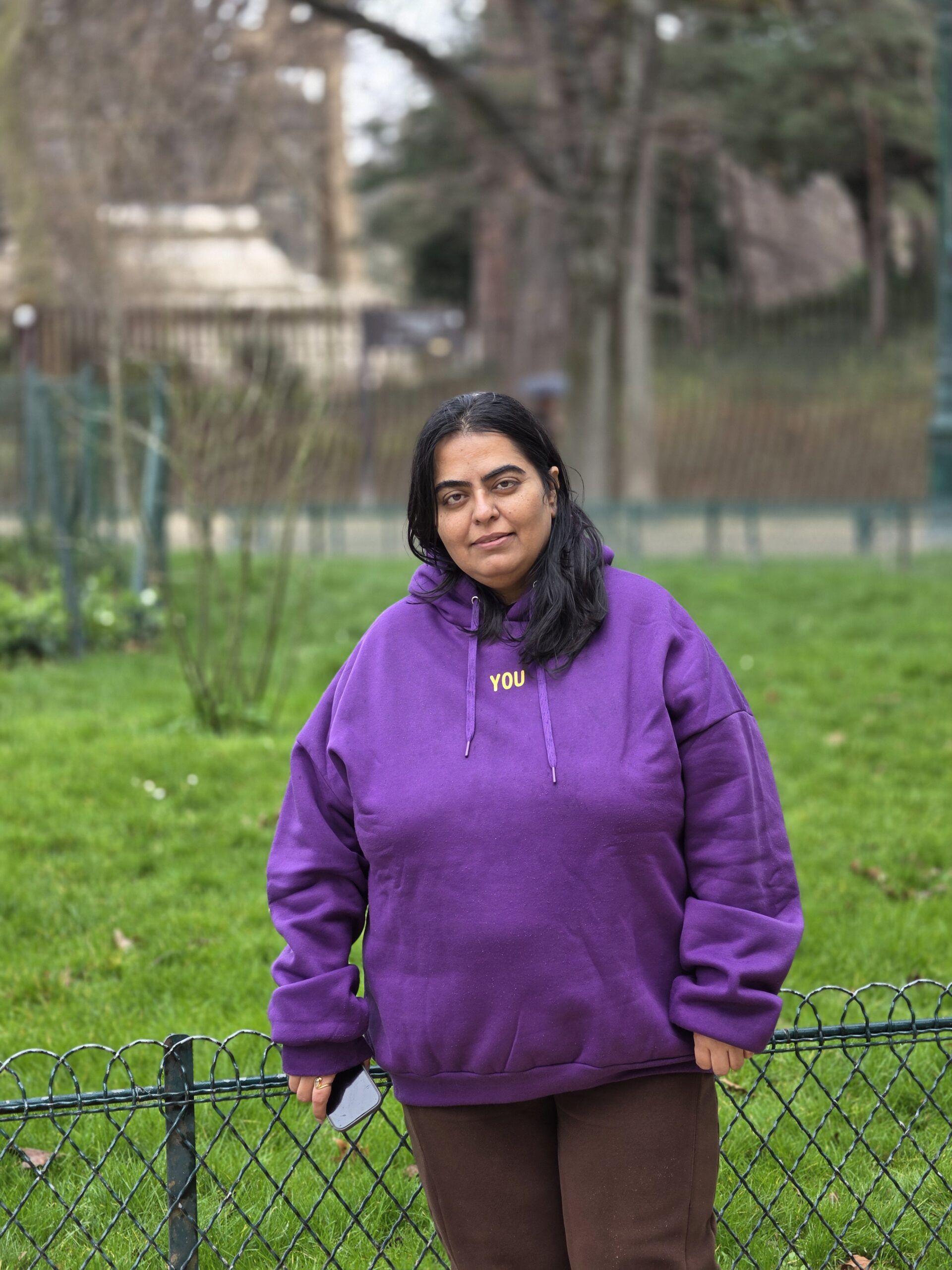
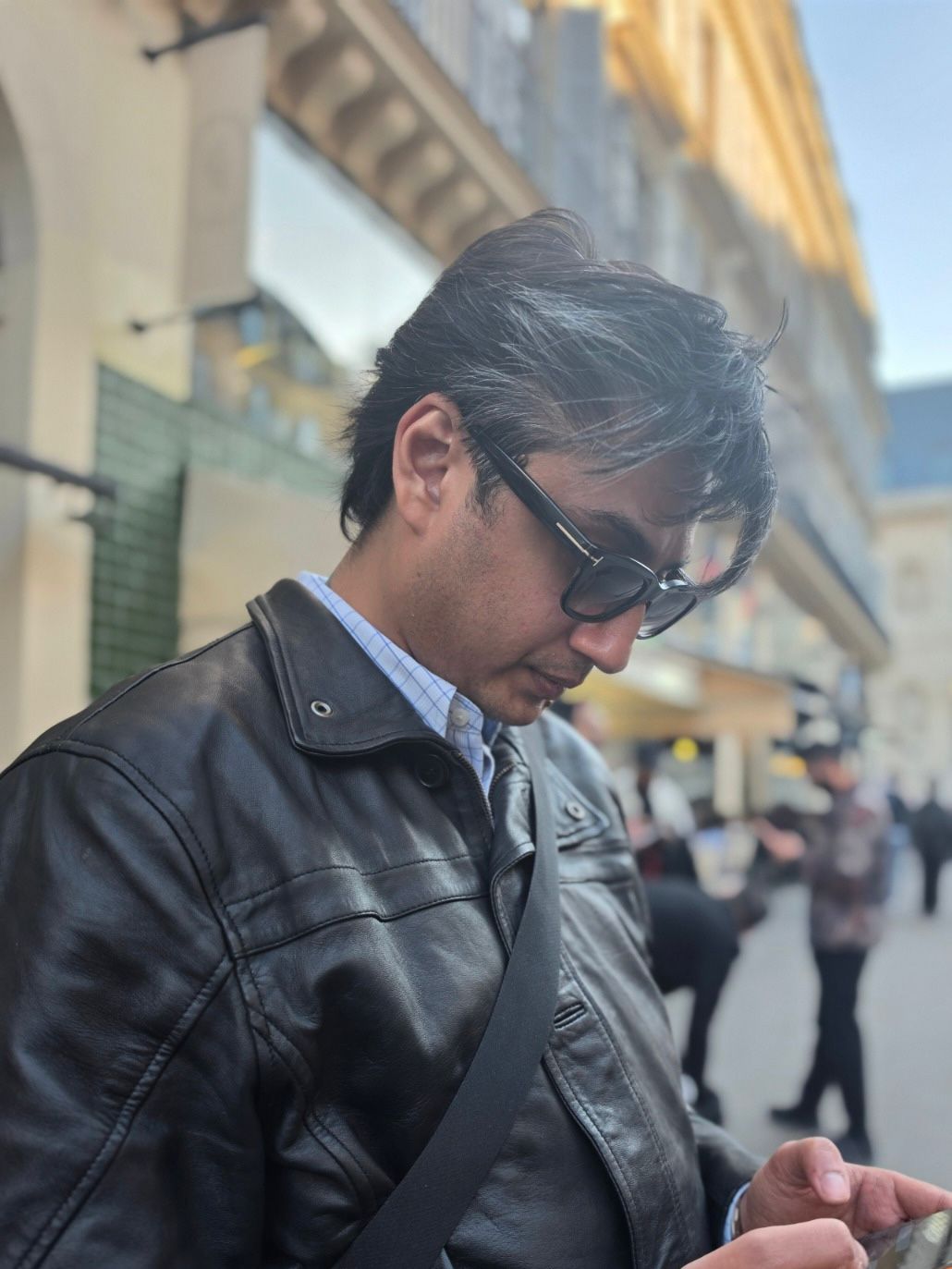
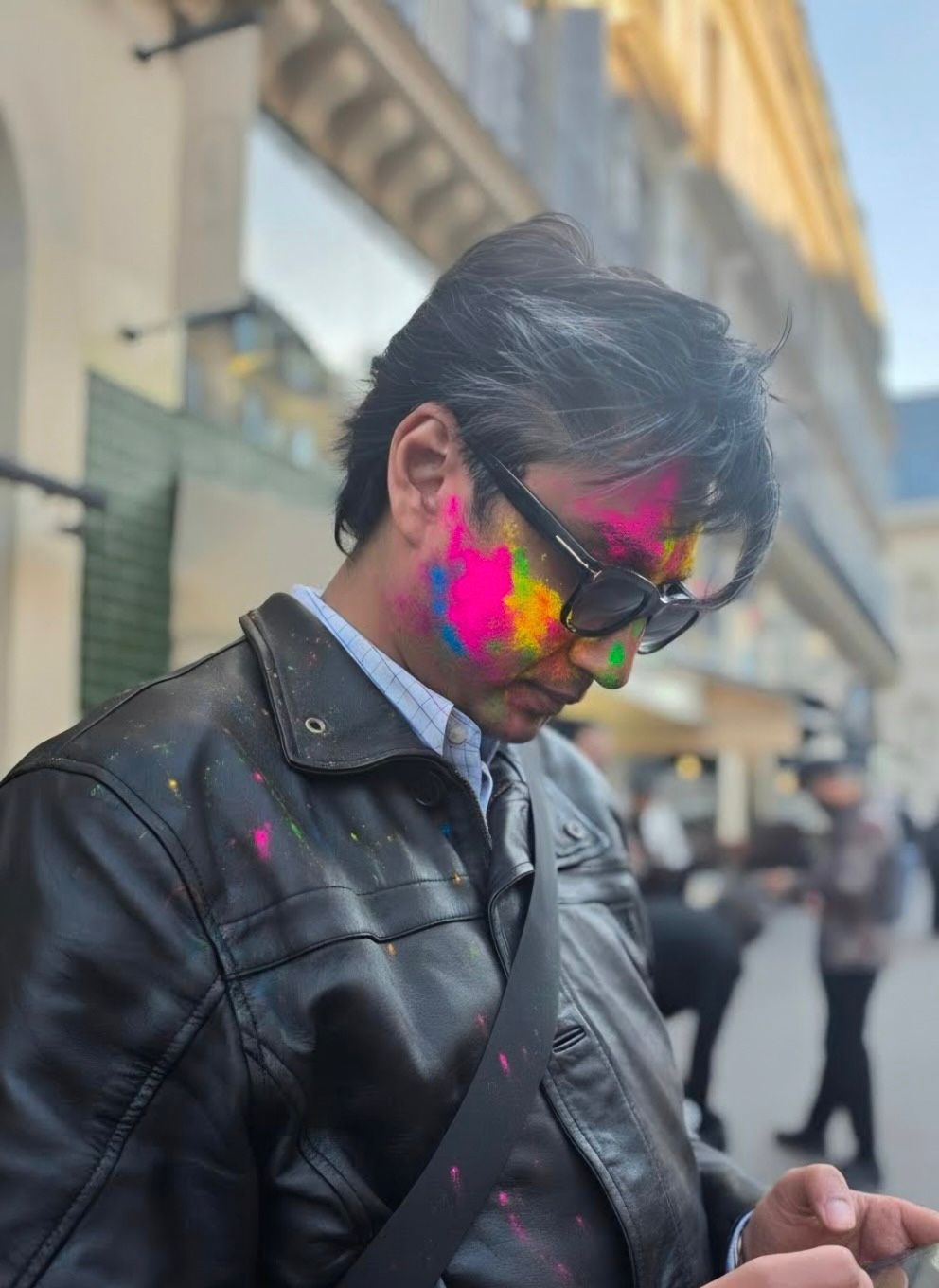
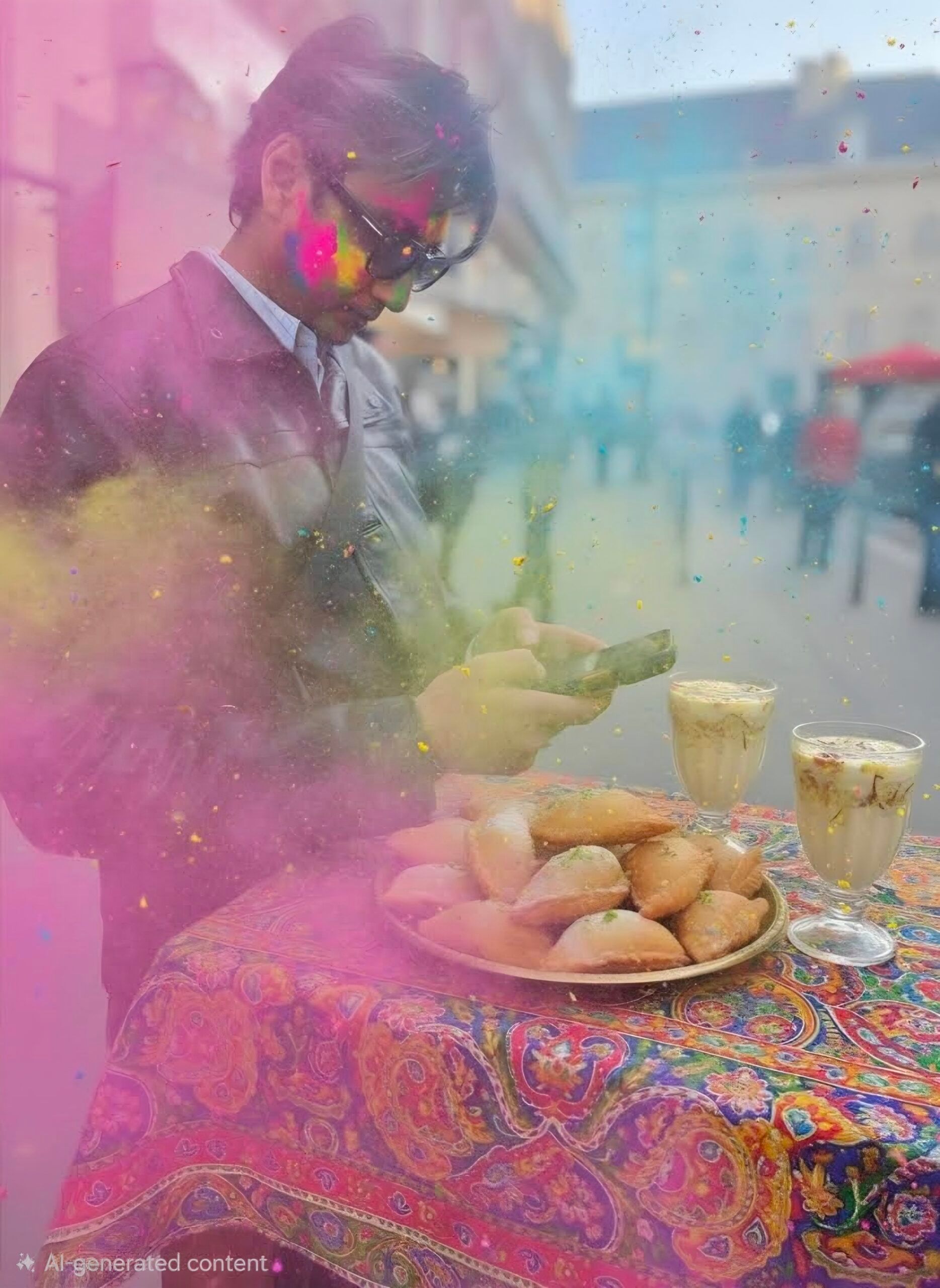
We also experimented with Samsung’s AI-powered Photo Assist tools to see how far the editing capabilities could go. Starting with a simple portrait shot from the Galaxy S26 Ultra, we used the AI editing feature to gradually transform the scene into something completely different.
First, we prompted the system to add gulal on the subject’s face, turning a regular portrait into something that resembled a Holi celebration. From there, we pushed it further by asking the AI to introduce water splashes around the frame. Finally, we added elements such as thandai and gujiya to complete the scene, effectively turning a photograph taken in the middle of Paris into a festive Holi setting.
Macro Photography Captures Fine Details
We also tried the macro capabilities of the Galaxy S26 Ultra with this close-up shot. The camera manages to capture fine textures in the petals and leaves while maintaining clear colour separation between the bright yellows, pinks, and purples.

Trying Out Horizon Lock for Video
Low light has always been the ultimate stress test for any smartphone camera. Another area that often struggles in such conditions is video, particularly when the subject involves movement or action. To address this, Samsung has also introduced a feature called Horizon Lock within its Super Steady video stabilisation mode. The system uses real-time gyroscope data to keep the horizon level while recording video. Even if the phone tilts or rotates during movement, the footage remains visually level, which can be particularly useful for action shots or handheld walking footage.
View this post on Instagram
Overall Impressions
The time we have spent with the Galaxy S26 Ultra so far suggests that Samsung has focused on making the camera system more refined rather than simply chasing bigger numbers. Across daylight scenes, zoom shots, evening photography, and AI-assisted edits, the phone consistently delivers results that feel reliable and easy to achieve.
What stands out is how seamlessly the hardware and software come together. The powerful sensors and optics provide a strong foundation, while Samsung’s AI-driven processing enhances images without making them look overly artificial. The result is a camera system that feels versatile and dependable across a wide range of scenarios.
We have been enjoying our time exploring what the Galaxy S26 Ultra’s camera can do in different situations. It already appears to achieve what Samsung set out to deliver: a camera experience that blends powerful hardware with intelligent software to produce strong photos and videos with minimal effort.
We will continue putting it through more real-world tests in the days ahead, so stay tuned for our full review, which will be going live soon.