For years, the Redmi Note series was defined by momentum. Each new generation pushed harder on specifications, added more variants, and climbed steadily up the price ladder. Somewhere along the way, the "classic" Redmi Note began to feel like the middle child in Xiaomi's portfolio, overshadowed by Pro and Pro+ models that carried the weight of innovation.
That is precisely what Xiaomi is now trying to correct.
In a detailed conversation with MySmartPrice, Anuj Sharma, Chief Marketing Officer, Xiaomi India, described this phase as a conscious reset rather than a routine refresh. "It's slightly unfair that we keep going up from a price point perspective just so consumers can experience something new," he said. "Innovation does not always have to be the latest and greatest spec. It can also be the right combination of experiences in a price band people are comfortable with."
Fixing the Middle Without Inflating the Top
Over the past few years, rising component costs and a global supply chain that never fully recovered from the pandemic have quietly reshaped smartphone pricing. Xiaomi, like most brands, found itself talking more about its highest-end Redmi Notes while the base model faded into the background.
"For the last three or four launches, we were only speaking about the Note Pro or Pro Plus," Sharma admitted. "But the segments are very different today. Even a ₹3,000 to ₹5,000 gap creates a completely different consumer."
The solution was not to add more variants but to simplify. For the first time since 2017, Xiaomi has focused on a single classic Redmi Note. "Instead of trying to tune three devices, we could focus on doing justice to just one," he explained.
Cameras Beyond the Megapixel Race
That sharper focus is most evident in the camera strategy. While the ₹20,000–₹30,000 segment remains crowded, Xiaomi believes the industry lost sight of imaging fundamentals in the race for specifications.
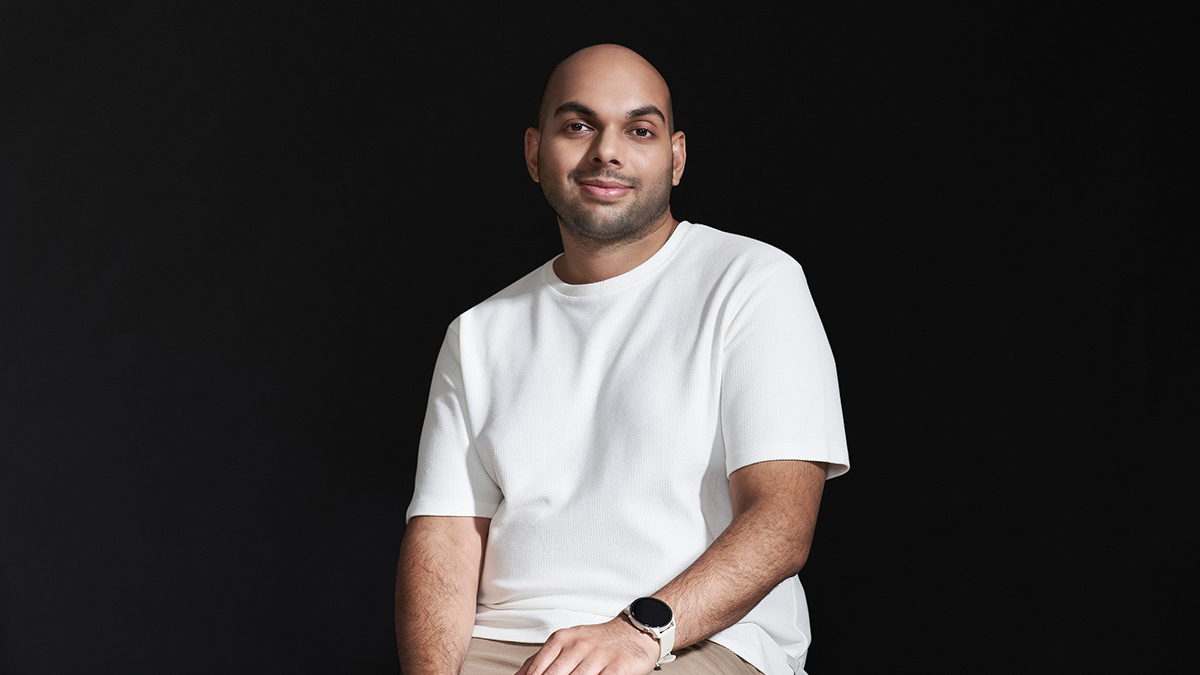
"At one point, everything became about numbers," Sharma said. "People forgot about imaging. But consumers today are far more aware. They are not just looking at megapixels anymore. They are looking at how a camera performs in real life."
The new Redmi Note returns to a 108MP sensor, but Xiaomi is keen to distance this from spec-led marketing. "This is a very different 108MP," Sandeep Sarma, Associate Director, Marketing and PR. "At its core, the technology is flagship-grade."
The sensor uses dual-channel gain, a technology Xiaomi has previously deployed in its premium phones. The benefits are tangible: better low-light performance and significantly improved dynamic range. "Earlier, you had to choose," he explained. "Either expose well for the subject or expose well for the background. With this sensor, you don't have to make that sacrifice."
Post-processing has also become central to the experience. Xiaomi's approach assumes that users will edit their photos. "If your base image has more data and detail, you have much more freedom later," Sandeep said, pointing to features that can remove reflections or visual barriers with a single tap.
Design That Sells Offline, Durability That Builds Trust
Design continues to play a decisive role, especially in offline retail. According to Xiaomi's internal insights, nearly 70 to 80 percent of buyers in this segment still want a sleek-looking phone.
"That slight curvature, the premium feel, it matters," Sharma said. "But we also know the concern that comes with it. People worry that curved displays will break."
To address that anxiety, Xiaomi invested heavily in durability. Stronger glass, reinforced frames, internal shock protection, and water resistance were non-negotiable. "We've seen cases where the phone doesn't break, but the internals take damage," Sharma said. "So even that has to be guarded."
The result is one of the slimmest and lightest Redmi Notes Xiaomi has launched this decade, without compromising on strength.
Battery Life Without the Bulk
Battery life was another area where Xiaomi aimed for balance rather than extremes. "Our benchmark is simple," Sharma said. "The phone has to last more than a day."
Using silicon-carbon battery technology, Xiaomi has managed to deliver around 1.6 to 1.8 days of typical usage while keeping the device slim. "We didn't want to go ultra-thin and sacrifice the basics," he added. "Usability still comes first."
Software Longevity as a Value Signal
If hardware defines the first impression, software longevity is where Xiaomi is now making a long-term bet. Redmi Note users already hold on to their phones longer than the industry average, and Xiaomi is leaning into that behaviour.
"We've been building the Notes a little too well," Sharma said with a smile. "The industry average replacement cycle is about three and a half years. For Redmi Note users, it's more than that."
The new Redmi Note ships with HyperOS 2, is ready for HyperOS 3, and comes with a commitment of four OS upgrades and up to six years of security updates. "Someone buying a Redmi Note today should comfortably be using it into 2030 or 2031," Sharma said.
Retail Experience and the Shift Away From Discounts
Xiaomi's thinking has also evolved on the retail front. Tablets were an early indicator of this change, with partners increasingly asking for demo units and trained staff to explain real-world use cases.
"Even if people plan to buy online, they still want to come and experience the device," Sharma said. "Retail is no longer just about availability. It's about explanation."
He believes the broader industry is moving in the same direction. "Experience is influencing buying behaviour more than discounts," Sharma observed. "Customers don't want to be pushed. They want to be understood."
India's Role in Xiaomi's Global Strategy
India remains central to Xiaomi's global plans. The latest Redmi Note makes its global debut in India, reinforcing the market's strategic importance. At the same time, Xiaomi is becoming more measured about expansion.
"At one point, our portfolio became too bloated," Sharma said. "Now we are focused on having a stronger portfolio, not just more products."
Phones remain the foundation, but Xiaomi is planning beyond them, with new categories being evaluated carefully for relevance, regulation, and long-term viability.
In resetting the Redmi Note, Xiaomi is acknowledging a larger truth about the Indian smartphone market in 2026. Growth will not come from louder spec battles or endless variants. It will come from restraint, clarity, and relevance.
Or as Sharma put it, "The goal is simple. When you buy a Redmi Note, you should be sure you're getting a phone that looks good, lasts long, and takes photos you actually like using."