Motorola is getting ready for its next big foldable launch, and the Razr 70 Ultra is already shaping up to be a meaningful upgrade over last year’s model. While the company hasn’t officially confirmed all the details yet, a steady stream of leaks, certifications, and reports has given us a fairly clear picture of what to expect.
From design refinements to camera improvements and a likely flagship-grade chipset, the Razr 70 Ultra seems positioned to compete more aggressively in the premium foldable space.
Launch Timeline and Expected Price
Motorola is expected to launch the Razr 70 Ultra around mid-2026, likely following a similar timeline as its previous Razr releases. In terms of pricing, the Razr 70 Ultra is expected to sit in the premium foldable bracket. Early leaks indicate a price close to or slightly higher than its predecessor. That would place it somewhere in the range of ₹90,000 to ₹1,10,000 in India, depending on storage variants and market positioning.
Design and Display Upgrades
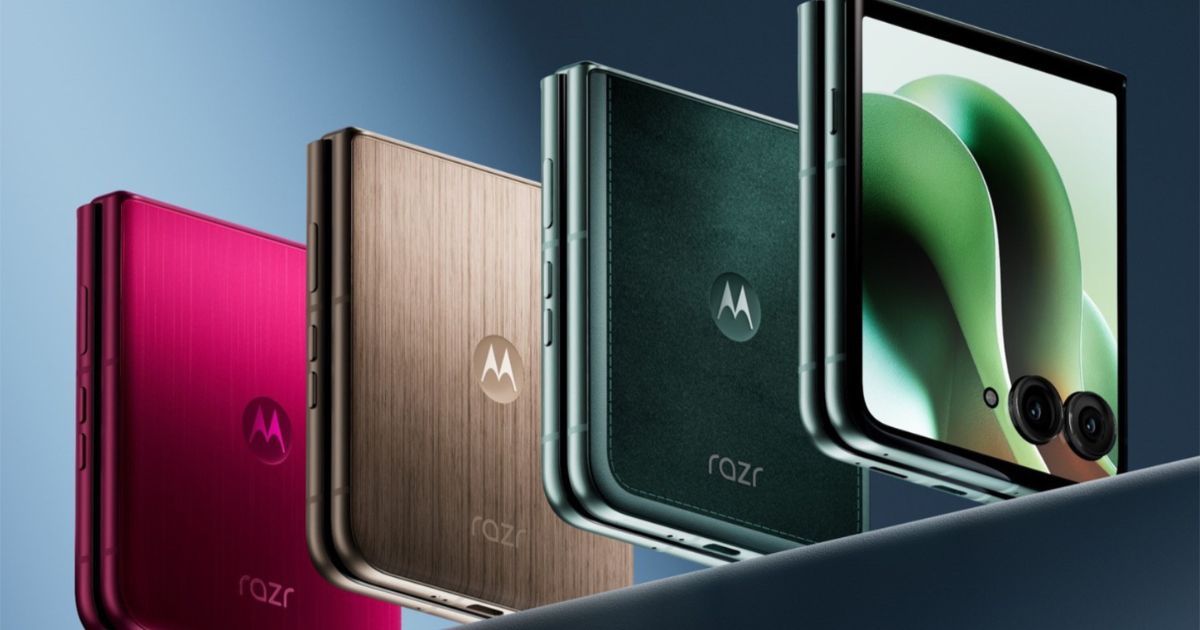
Motorola isn’t expected to make drastic changes to the Razr’s design language, but there will likely be refinements. The clamshell form factor remains, with a focus on durability and hinge improvements. The outer display is expected to stay large and functional, continuing one of the Razr series’ biggest strengths.
The cover screen could again be one of the most usable in the segment, allowing users to run apps, reply to messages, and interact without opening the device. On the inside, the foldable display is expected to feature a high refresh rate panel, possibly 165Hz, along with better crease management.
There are also reports suggesting HDR10+ support, which hints at improved color accuracy and better media consumption overall.
Performance and Hardware
Under the hood, the Razr 70 Ultra is expected to be powered by a flagship Qualcomm’s Snapdragon 8 Elite chipset, built on a 3nm architecture. Along with that it may also come paired with an Adreno 830 GPU.
The device is expected to come with ample RAM and storage configurations, possibly up to 16GB of LPDDR5X RAM and up to 512GB of UFS 4.1 internal storage. Motorola has been consistent in offering clean software experiences, so users can expect a near-stock Android interface with minimal bloat.
Battery life is always a concern with foldables, but Motorola is likely to make incremental improvements here. Fast charging support is expected, although exact numbers are still unclear.
Camera Improvements
Cameras are one area where Motorola has been working to close the gap with competitors. The Razr 70 Ultra is expected to feature a dual rear camera setup, with improvements in sensor quality and image processing.
It is expected to pack a 50MP rear main camera with OIS, along with another 50MP lens. On the front side, the selfie camera may have a 50MP resolution.
Software and Features
The Razr 70 Ultra is expected to run the latest version of Android out of the box. Motorola’s approach has typically been clean and close to stock, with a few added gestures and foldable-specific optimizations.
The external display experience is expected to improve further, with better app support and more customization options. Motorola has been ahead in making the cover screen actually useful, and this trend should continue.
Connectivity features like 5G, Wi-Fi 6E or Wi-Fi 7, and improved Bluetooth standards are also expected, keeping the device future-ready.
What This Means for the Foldable Market
With the Razr 70 Ultra, Motorola seems focused on refining what already works rather than reinventing the category. The company is doubling down on a practical cover screen, cleaner software, and flagship-level performance.
If the leaks hold true, this could be one of the most balanced clamshell foldables. The real challenge will be pricing and how aggressively Motorola positions it against competitors like Samsung.
For now, the Razr 70 Ultra looks like a solid step forward, not a radical shift, but in the foldable space, consistency and refinement might matter more than anything else.