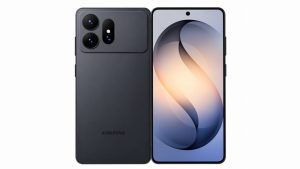
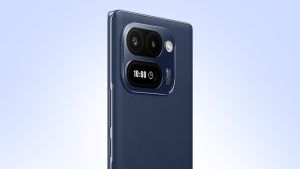
OnePlus has been in the spotlight lately, with a significant portion of attention tied to the upcoming OnePlus 15. The brand is gearing up to launch the highly anticipated new edition of its flagship, the OnePlus 15. With the launch date set for 13 November, the brand has been gradually revealing key details about the smartphone. While the teasers look promising, the real question is whether these upgrades will translate well in practical use.
Let’s start with the battery, which has received the biggest jump on paper. The brand has made headlines with the announcement that the OnePlus 15 will pack a 7,300mAh Silicon NanoStack battery. It is 1,300mAh more than what the OnePlus 13 had offered, which is 6,000mAh to be exact.
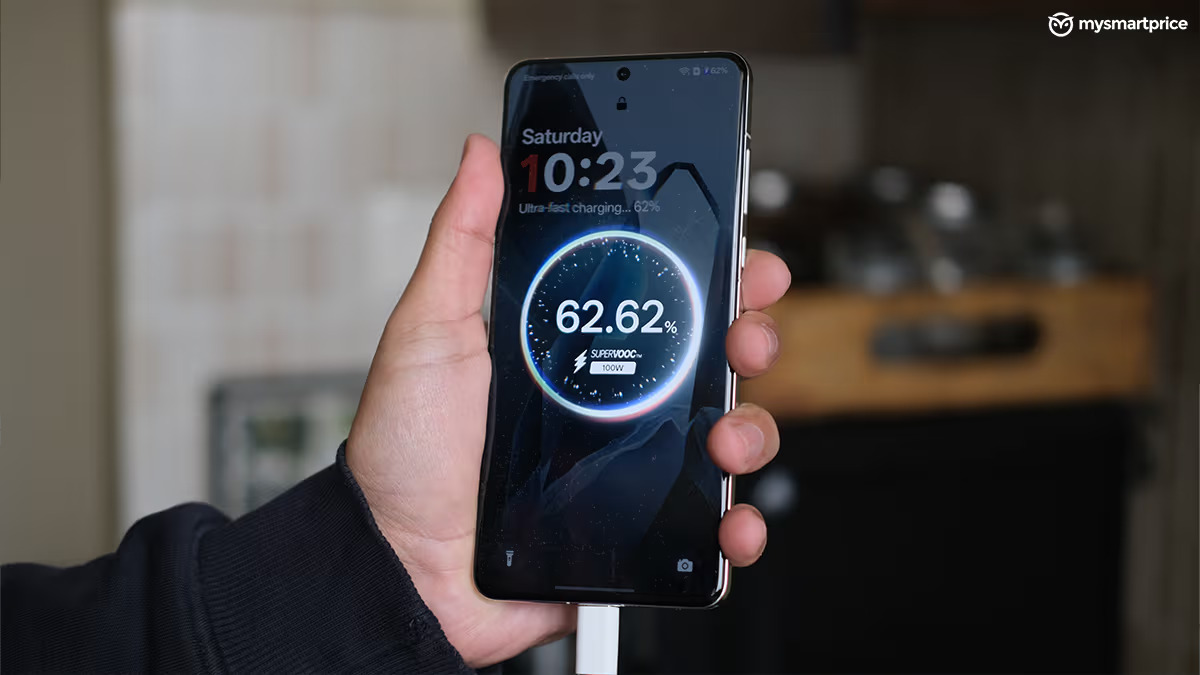
Upon evaluating the OnePlus 13, we noted that it could easily give eight hours of screen-on time on moderate use, which involved surfing social media apps, binge-watching hour-long series, and playing a bit of battle royale. If OnePlus manages to optimise the OnePlus 15 similarly, we could see battery life that easily powers through three days of use or more. However, a real-world test will help us determine its true potential. On the charging front, the upcoming OnePlus smartphone will support 120W SUPERVOOC wired charging and 50W AIRVOOC wireless charging.
Battery aside, the display is where the OnePlus 15 tries to make an even bolder statement. This smartphone will feature a 6.78-inch OLED display with a 1.5K resolution and a 165Hz refresh rate, utilising LTPO technology.
The jump to a 165Hz refresh rate is noteworthy because most premium smartphones have maintained a 120Hz refresh rate for years. Some brands even pushed mid-tier phones, such as the Infinix GT 30 or Redmi 15, to 144Hz, to gauge how users would respond. But flagship devices mostly avoided going past 120Hz. With the OnePlus 15 adopting a 165Hz refresh rate, it reflects a shift in how brands view high refresh rates on top-tier phones. It also places the device closer to gaming-focused laptops and monitors rather than typical smartphones.
Previously, OnePlus demonstrated its intention to gain an edge over its competitors by delivering similar or better specifications at a lower cost.
This approach lasted up to the launch of the OnePlus 8 Pro. Things shifted with the OnePlus 9 Pro, where the brand seemed more focused on positioning itself in the premium segment. Pricing and brand perception began to matter as much as raw performance.
The OnePlus 15 suggests a possible course correction. It brings noticeable upgrades in areas users experience daily, such as battery capacity and display responsiveness. This signals an effort to regain the balance between practical value and flagship ambition, rather than relying mainly on brand momentum.
However, a fast display is only as effective as the hardware driving it. This leads to the performance side of the OnePlus 15. The Snapdragon 8 Elite Gen 5 SoC will power this upcoming OnePlus flagship, which has some incredible capabilities. For starters, it offers a noticeable jump in Ray Tracing performance, delivering console-like visuals and support for Unreal Engine 5. The AI system can run LLMs directly on phones with this chipset, enabling instant summarisation, advanced photo editing, and code suggestions without an internet connection. It also includes Agentic AI, which learns your habits and can handle simple in-app tasks independently.
But things go a step further, as OnePlus has revealed that the OnePlus 15 will feature an advanced triple-chip setup.
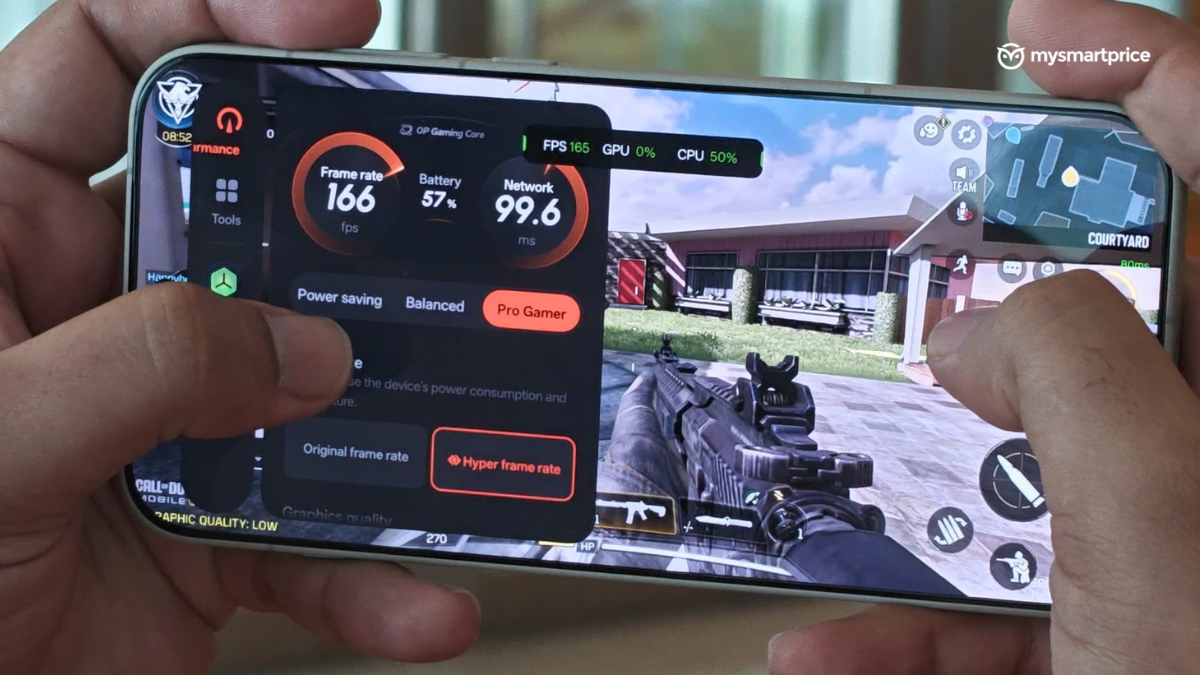
This setup boosts gaming efficiency, improves touch accuracy with up to 3200Hz sampling, and enhances connectivity through smarter signal management, ensuring smoother and more responsive gameplay overall. To learn more about this performance triple-chip architecture, you can head to this article.
From the software standpoint, the OnePlus 15 will run on the Oxygen OS 16, which is based on Android 16. It is built around the idea of being smart and smooth. OnePlus focuses on fluid animations, a light-inspired interface with a soft, glowing aesthetic, and practical AI features that are powerful yet easy to use.
Where the OnePlus 15 Lands Among Rivals