2025 will not be remembered as a year of headline-grabbing appliance launches or category-defining inventions. Instead, it marked a quieter reset. Appliance brands stopped chasing spectacle and began fixing fundamentals. For consumers, this shift proved far more meaningful than any single breakthrough.
AI Became Invisible, Not Impressive
AI dominated appliance communication in 2025. From air conditioners and washing machines to refrigerators and robot vacuums, almost every major launch leaned heavily on AI-led positioning. "AI-powered" became a default headline across brand campaigns, product packaging, and retail pitches.
What changed in 2025 was not the noise around AI, but its usefulness. The conversation gradually shifted from what AI could theoretically do to whether it actually improved daily usage. Consumers began asking simpler questions: Does the AC cool more efficiently over long hours? Does the washing machine reduce fabric wear? Does the refrigerator manage temperature better without constant manual adjustment?
Brands like LG, Samsung, and Haier played a key role in this transition. LG continued refining its AI DD approach in washing machines to deliver more consistent fabric care. Samsung's Bespoke AI strategy focused on usage patterns and energy optimisation rather than automation for its own sake. Haier leaned into AI-driven load sensing, adaptive cooling, and India-specific tuning across its appliance portfolio, positioning AI as a practical tool rather than a futuristic promise.
At the same time, brands that leaned too heavily on AI as a buzzword without delivering tangible outcomes began facing greater scrutiny. Review narratives and consumer conversations increasingly called out features that sounded intelligent but failed to make a meaningful difference in real-world use.
AI did not disappear as a differentiator in 2025, but it matured. Not having AI started to feel outdated. Having it, however, was no longer impressive unless it delivered visible, everyday benefits.
Energy Efficiency Moved From Spec Sheet to Purchase Driver
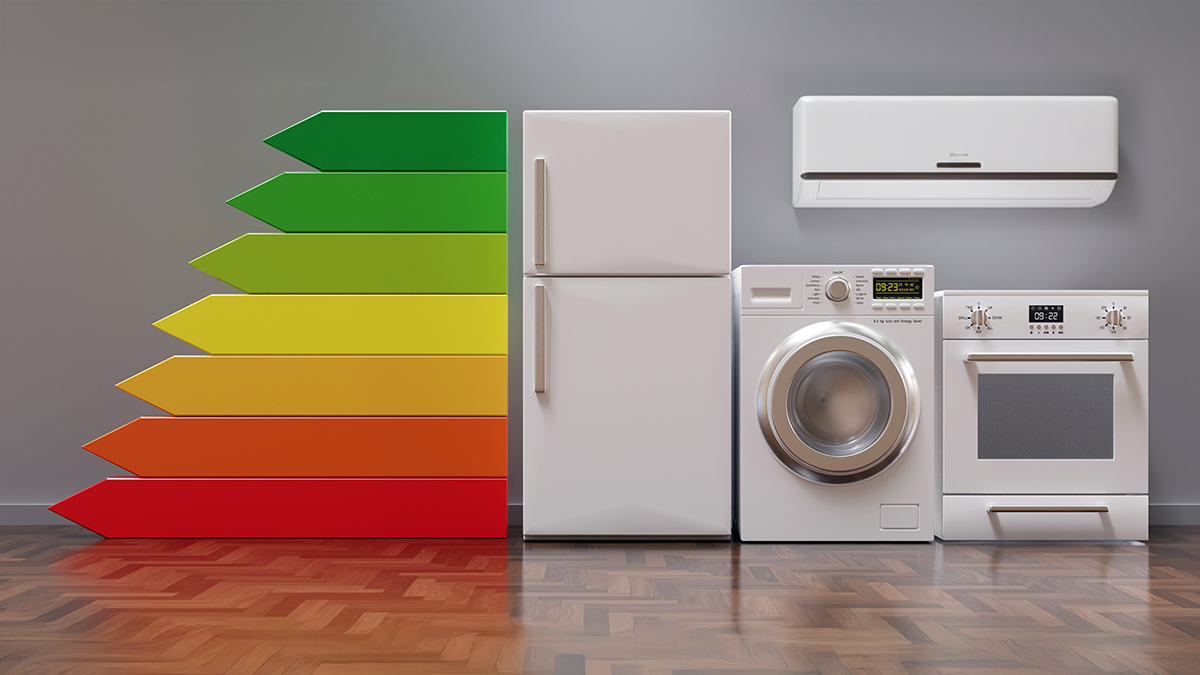
Few trends shaped appliance buying decisions in 2025 as strongly as energy efficiency. Rising electricity tariffs, longer daily usage, and tighter energy-label norms made running costs impossible to ignore, especially in air conditioners and refrigerators.
Brands such as Godrej, Voltas, and Blue Star increasingly highlighted seasonal energy efficiency ratios, real-world power consumption, and long-hour usage scenarios instead of peak cooling claims. Refrigerator makers, including Haier and LG, leaned into inverter compressors and adaptive cooling systems that balanced performance with lower power draw.
What changed in 2025 was intent. Energy efficiency was no longer marketed as an eco-friendly add-on or a premium advantage. It became a core buying reason, even in mid-range segments.
Reliability and Consistency Took Priority Over Peak Performance
After years of feature inflation, 2025 saw buyers reassess what actually mattered. Maximum spin speeds, extreme suction ratings, and exaggerated cooling figures lost some of their appeal.
Instead, appliances that delivered consistent performance across seasons, load sizes, and usage patterns stood out. Brands began talking more about calibration and tuning than raw capability. For instance, washing machines focused on balanced wash programs for mixed Indian loads, while AC brands highlighted stable cooling during long summer usage rather than short burst performance.
This marked a shift in how "premium" was defined. In 2025, reliability increasingly beat novelty.
Indian Usage Patterns Shaped Core Product Design
Localisation went beyond pricing in 2025 and entered product engineering. Appliance makers paid closer attention to how Indian households actually use their devices.
Air conditioners were designed to handle higher ambient temperatures and longer daily runtimes. Washing machines accounted for water pressure variation and mixed fabric loads. Refrigerators focused on better cooling recovery during frequent door openings and voltage fluctuation tolerance.
Companies like Haier and Samsung openly spoke about India-specific tuning and design inputs, while brands such as Godrej continued to emphasise durability and efficiency for smaller homes and regional markets. This was not a cosmetic change. It reflected a deeper understanding that Indian usage conditions demand different priorities.
Value Replaced Innovation as the Core Narrative
Perhaps the most defining shift of 2025 was narrative-driven. Innovation did not disappear, but it stopped being the headline.
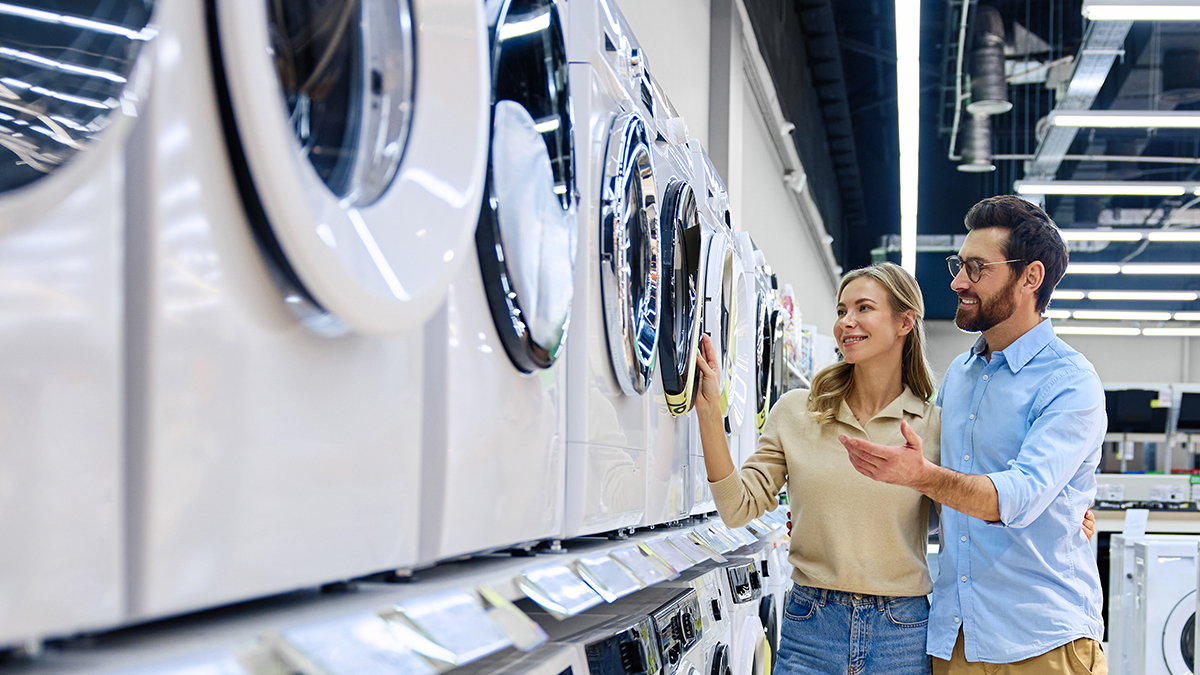
Brands increasingly explained why a feature mattered rather than what was new. Premium products were expected to justify their pricing through longevity, lower running costs, service reach, and everyday convenience. Even high-end appliances were framed around practical value rather than aspiration.
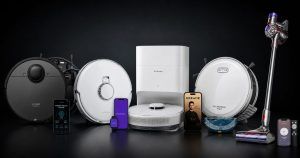
This shift was visible across categories, from robot vacuums that emphasised mapping accuracy and maintenance ease, to air purifiers that focused on noise levels and night-time usability instead of raw CADR numbers.
Takeaway 2025
If there is one takeaway from 2025, it is that the appliance industry matured. The focus moved from attracting attention to earning trust. Technology became quieter, efficiency became personal, and value became the language brands had to speak fluently.
2025 did not redefine appliances overnight, but it changed the direction they are heading. And that course correction may prove more important than any single innovation.