Xiaomi has launched a new smart cordless vacuum cleaner with up to 90 minutes of battery life and automatic dirt detection, signalling its latest effort to expand beyond smartphones and TVs. The product, which debuted globally and is expected to reach more markets soon, brings together smart sensors, strong suction, and a sleek design aimed squarely at the segment long dominated by Dyson.
If the company decides to bring this to India, it will hint at something larger than a new home gadget. It represents Xiaomi’s renewed ambition to strengthen its smart-home ecosystem, a space where the brand once made an aggressive entry but later pulled back after limited traction.
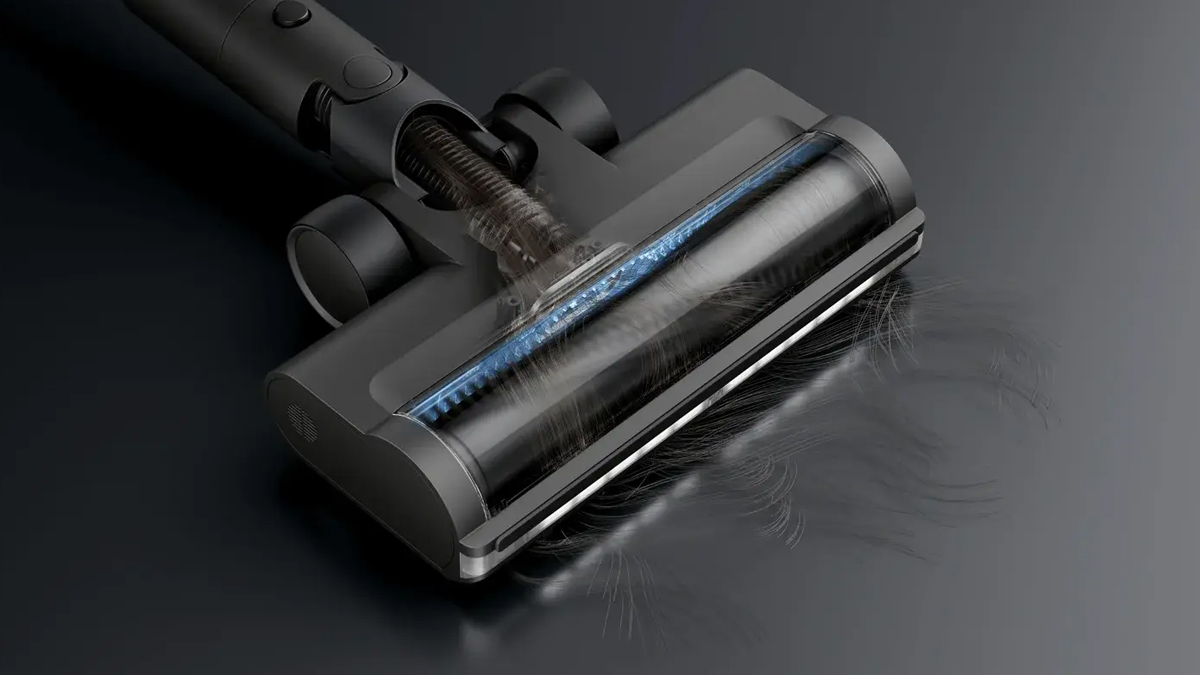
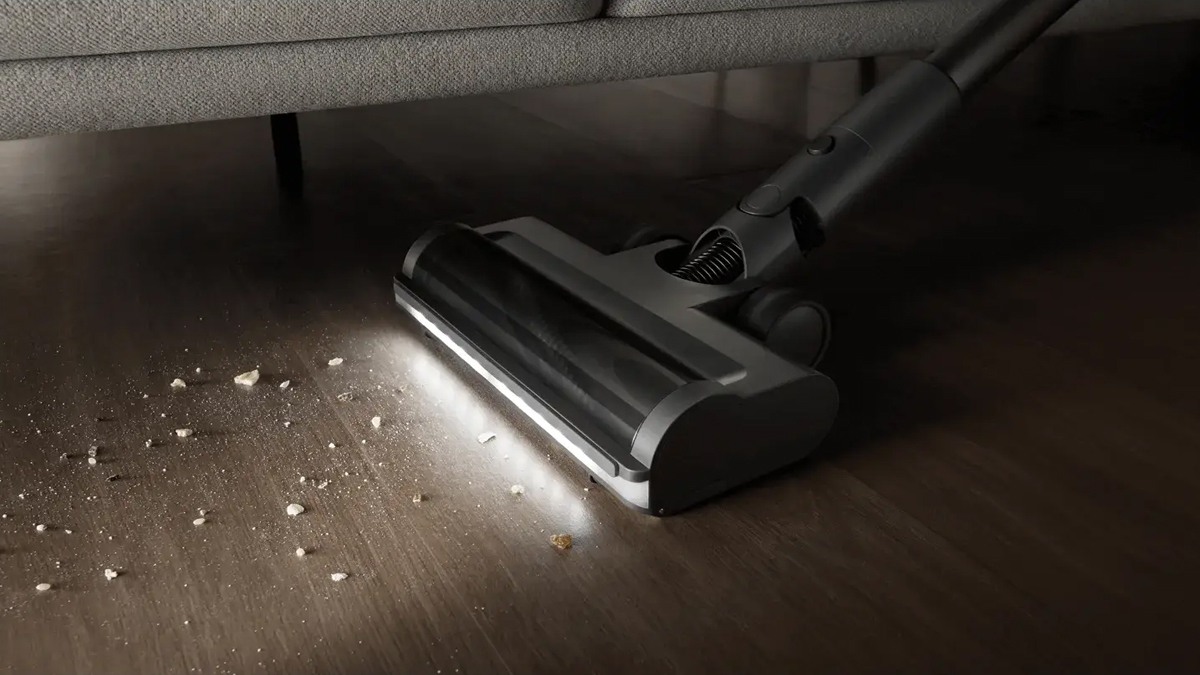
The Xiaomi Vacuum Cleaner G30 Max brings together advanced hardware and smart automation in a compact, cordless form factor. It runs on a high-efficiency brushless digital motor that delivers powerful suction while keeping noise levels in check. The device can operate for up to 90 minutes on a full charge, supported by a high-capacity lithium battery designed for longer cleaning sessions across large homes. Its smart dirt-detection system automatically adapts suction based on the type and amount of debris, ensuring energy is used efficiently. The G30 Max ships with multiple interchangeable heads suitable for hard floors, carpets, and upholstery, and includes an anti-tangle roller brush that handles pet hair effectively. A built-in LED headlamp improves visibility under furniture, while the multi-layer HEPA filtration system captures fine dust and allergens, making it suitable for allergy-prone households. The vacuum also offers one-touch bin emptying, a wall-mounted charging dock for easy storage, and full integration with the Xiaomi Home app, which lets users track cleaning time, battery health, and maintenance reminders directly from their phone.
From Phones to Homes: Xiaomi’s Ecosystem Story
When Xiaomi entered India’s home appliance market, it did so with energy and experimentation. Between 2019 and 2022, the company launched a range of connected lifestyle products, including air purifiers, water purifiers, smart toothbrushes, robot vacuum-mops, and air fryers. Some of these, like the Mi Air Purifier series, found steady buyers among urban households, while others struggled to scale because of high service costs, limited awareness, and fragmented after-sales support.
The water purifier and smart toothbrush, for instance, were eventually discontinued as the company focused on core categories like smartphones, televisions, wearables and audio wearables. That retreat reflected a broader reality: India’s smart-appliance ecosystem was still young, and maintaining category-specific servicing networks proved challenging.
With the new smart cordless vacuum, Xiaomi seems ready to try again. It is leveraging years of R&D in automation and connected devices, while promising longer battery life and smarter performance. The move suggests that Xiaomi believes the Indian market is finally mature enough to support premium, tech-led home products.
Cordless Vacuum Market: Still Premium, Still Under-Penetrated
The global cordless vacuum cleaner market is expected to grow to over 11 billion dollars by 2029, led by Asia-Pacific and North America. In India, the vacuum-cleaner segment is projected to expand at around 9 to 10 percent CAGR through the decade. Despite that, penetration remains low, especially for cordless and smart variants that cost above ₹25,000.
At present, the Indian market is heavily skewed toward Dyson, whose V-series vacuums set the benchmark for suction performance and durability. BSH, through its Bosch and Siemens brands, also has a small but steady premium presence. Below that sits a fragmented mid-range with players like Milagrow, Dreame and Eureka Forbes offering more traditional wired models.
Xiaomi’s arrival in this segment could be disruptive if it manages to deliver strong real-world performance and an aggressive price point. The company has not confirmed Indian availability yet, but global listings indicate a price of around USD 400, which roughly converts to ₹33,000-₹35,000. If Xiaomi retains that pricing with local assembly or offers launch discounts, it could challenge Dyson’s dominance and make cordless vacuums accessible to a wider audience.
Several factors make the timing more favourable than it was a few years ago. Indian households are increasingly investing in convenience appliances, particularly post-pandemic. Urban buyers in metros and Tier-2 cities are embracing robotic and cordless vacuums for faster, quieter cleaning. Pet ownership and smaller living spaces are also driving adoption of lightweight, handheld designs.
Xiaomi’s vacuum offers a runtime of up to 90 minutes, multiple cleaning modes, and automatic suction control based on dust levels. It is expected to connect with the Xiaomi Home app, allowing users to monitor usage, schedule maintenance, and potentially link it with other smart devices. If the company ensures local service readiness and spare-part availability, it could translate its smartphone-like ecosystem efficiency into the home-cleaning space.
What Xiaomi Needs to Get Right
The challenge lies not in technology but in trust. Indian buyers of premium appliances look for reliability, easy service, and brand longevity. Xiaomi’s earlier exits from the water purifier and smart toothbrush categories may make some consumers cautious. The brand will need to demonstrate that its commitment to home appliances this time is long-term.
Moreover, Dyson’s strong recall and aspirational appeal mean Xiaomi must compete not only on price but on credibility. Localising components, offering extended warranty support, and educating customers about cordless cleaning could be key differentiators.
Xiaomi’s latest launch is a calculated attempt to rebuild its home-appliance credentials. It is betting that Indian consumers are now ready for smart, cordless, and connected cleaning devices that balance affordability with advanced features. If priced right and backed with reliable after-sales service, this new vacuum cleaner could mark Xiaomi’s re-entry into a category it once exited too early.
The bigger story, however, is Xiaomi’s ecosystem play. By expanding from screens and smartphones to essential home tools, the company is reinforcing its vision of becoming India’s most accessible connected-living brand. Whether it can sustain that ambition in a market where Dyson continues to lead will decide if this is a revival or another experiment in the making.