During the recent launch of the Motorola Signature series, the atmosphere was different. Motorola wasn’t just launching a phone; it was staking a claim. We sat down for a candid discussion with Shivam Ranjan to understand the “secret sauce” behind the brand’s recent momentum and its aggressive push into the mainstream premium market.
The conversation went far beyond standard marketing talking points, touching on distribution and reach stories, design philosophies, and why some popular trends simply don’t sell. Here is the full story.
India is Leading the Premium Growth
Motorola is seeing a unique trend in India. While the brand is growing globally, the Indian market is adopting its high-end devices at a surprising rate.
Ranjan shared a startling statistic: “If you see global has reached 40% contribution [from premium], we have reached 50%, which means we are doing better than global when it comes to selling premium products.”
To ensure these numbers are accurate, Motorola keeps the definition strict. “We have kept it simple… G is our non-premium franchise. So we keep G out. Anything that is happening in Edge the Razr and now the Signature series, of course, is a premium contribution.”
This success fuels their ambition to become a top-three player in India. “We are very close to that target,” he said, noting that they have been “the fastest growing brand for the last three years, consistently,” with some quarters even seeing “triple digit growth.”
The Quentessential Offline Push
For years, Motorola has been synonymous with online sales, particularly on Flipkart. However, Ranjan was frank about the limitations of this model, admitting, “Online will take us to a certain point only.”
He acknowledged that the Indian market is “roughly 50-50” between online and retail. To capture the remaining 50%, Motorola has aggressively expanded its physical footprint.
“We are traditionally a Metro tier one strong brand, so that is our core strength. But it’s not that we don’t want to expand beyond that,” Ranjan explained. Through partnerships with Reliance Digital and Redington, the brand has expanded its reach significantly. “We have been able to reach a 60,000-plus distribution width in offline retail.”
The “Compact” vs. “Slim” Reality
We asked about the Moto Edge 50 Neo, a compact phone that tech enthusiasts loved but which has notably disappeared from the 2025 roadmap. Ranjan’s answer was brutally honest: the sales did not match the hype.
“It was an experiment that we did very clearly… we wanted to test the markets,” he said. While their research suggested consumers wanted smaller phones, “the numbers told a different story.”
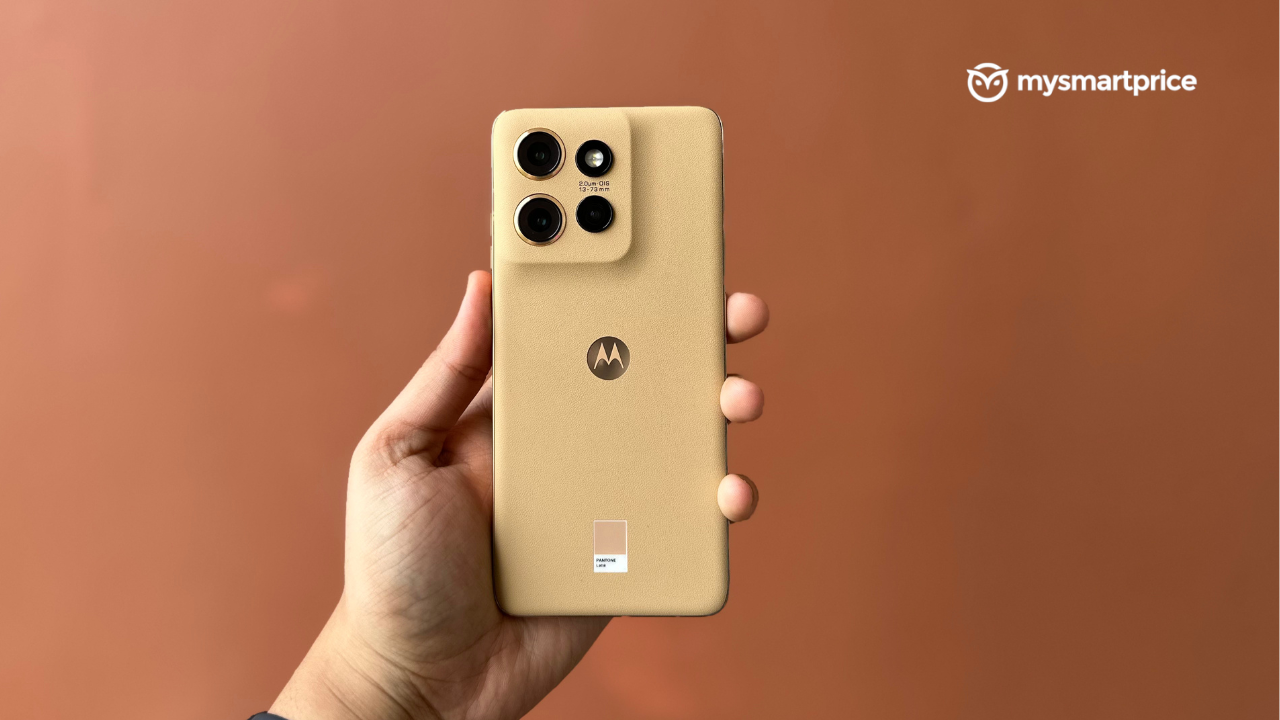
Consequently, the compact phone is out, and the “slim” phone is in. Ranjan pointed out that modern flagships are becoming too heavy. “In the world of flagships, you will see people when they pack so much into a phone, it eventually makes it bulky.”
Motorola’s counter-strategy is devices like the Edge 70 (5.9mm) and the new Signature (6.99mm). Ranjan describes the latter as “the slimmest, the lightest and the most luxurious looking phone in the flagship segment.”
Consistent and Meaningful Design Evolution
One of the most interesting parts of the conversation was about who buys which phone, and how that dictates design. Ranjan explained that they are now using design to separate their audience segments clearly.
“The Edge series, which caters to a younger generation of consumers like Gen Z, will have more poppy, more bright Pantone graded colors,” he noted. In contrast, the top-tier Signature series is designed to be a luxurious-looking phone that is more classy, more elevated,” using premium fabric finishes.
He also highlighted a specific manufacturing shift that fans might have missed. “Up till last year… the vegan leather itself was a part of the camera module… it was a seamless design,” he explained. “Starting this year… Edge has now started coming with a metal camera module.”
This shift allows them to add accents and a more premium, industrial feel without losing the brand identity. “We don’t want to disrupt it. We want to evolve,” he said. “I’m not suddenly making a round camera… Tomorrow, people will not even be able to see the device and say, ‘Oh, that’s a Moto’.” He went on to add that Motorola wants to keep the distinct identity intact, paving the way for the loyal Moto customers to upgrade from the Edge series to the Signature series in a seamless manner.
To Edge or to Curve?
Perhaps the most candid moment of the interview came when discussing displays. The new phones feature flatter screens, moving away from the deep curves that Motorola’s Edge series was known for.
Ranjan revealed this is a difficult balancing act between global trends and Indian preferences. “Globally, we didn’t see so much demand from a curved perspective… people typically preferred flat display designs.” However, India still loves the premium feel of a curve.
We asked if they would consider making different versions for different countries. Ranjan’s reaction was immediate.
“Oh, that’s my nightmare in terms of logistics and production setups,” he laughed, explaining that creating separate product lines messes up the unit economics and manufacturing efficiency. You cannot simply split the market without doubling your headaches.
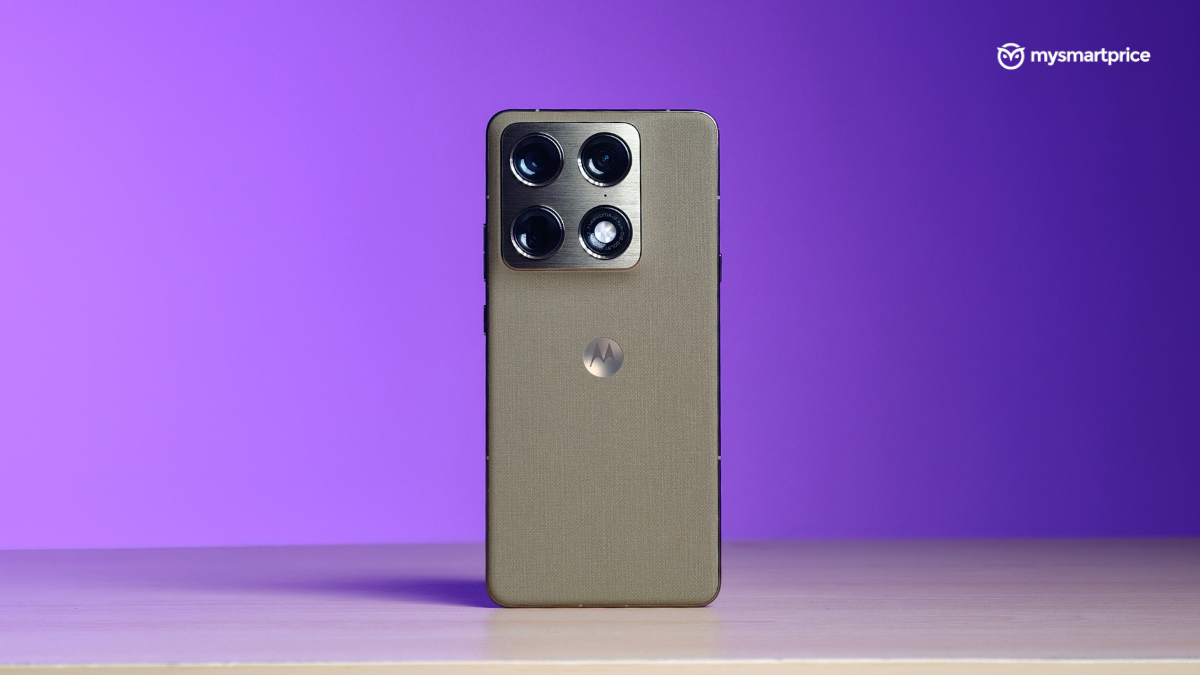
The solution? A “fusion” display on the Signature series. It is mostly flat to satisfy the global trend but features “micro curves” on the sides to satisfy the Indian preference for hand-feel. “We are not completely giving up on the curve,” he said, “because we believe that the curves actually give that beautiful, enhanced feel.”
A Good Head Start
Looking at the search volumes on our own platform and the overall reception from consumers and reviewers, the Motorola Signature series seems to have got a solid start. You can check out our own lab testing results and the detailed review of the Motorola Signature smartphone. The searches are strong, and there’s enough buzz around the premium feel and look that the Motorola Signature series brings. The pricing at Rs. 59,999 is a delicate balance; it’s lower than the flagships but still does breach the 50K mark. It will be interesting to see how the buyers respond to the Motorola Signature. The seven years of security and OS updates should help the Motorola Signature build a strong case in the premium segment.