Xiaomi’s television strategy in India has always centred around bringing bigger screens and premium features to more accessible price points. In 2026, the company seems to be pushing that approach even further. Xiaomi has already been aggressive with its TV portfolio this year, and the company also claims to be India’s No.1 Google TV brand. The next big focus now appears to be moving beyond just smart features and screen size, and bringing premium display technology to a wider audience.
Xiaomi TV S Mini LED Series 2026
Rs 99,999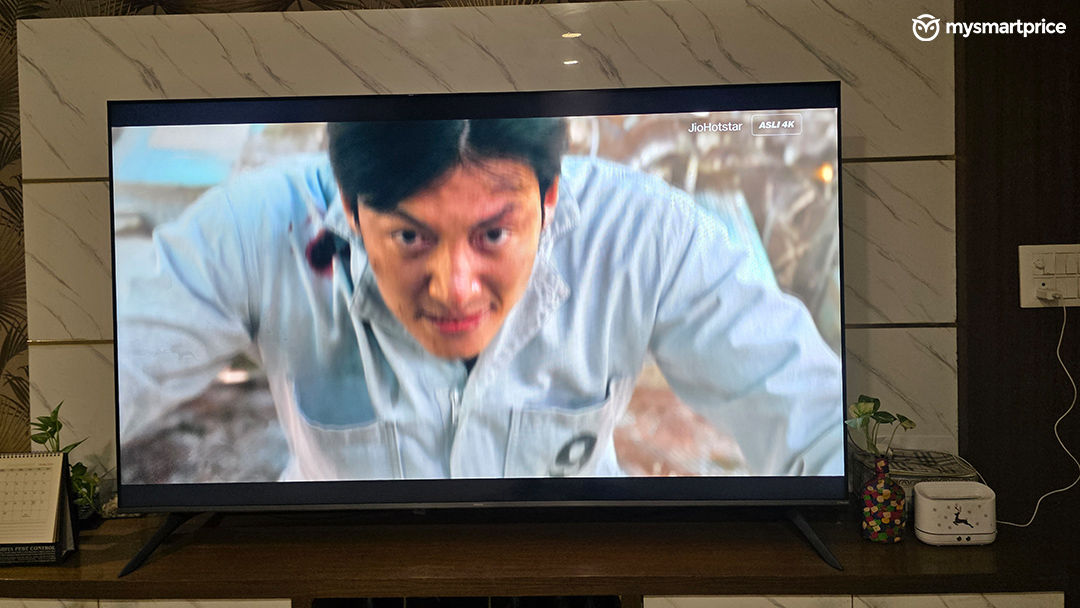
What Is Good?
- Excellent Mini LED panel with impressive contrast and brightness
- Deep blacks with very good shadow detail and minimal blooming
- Google TV experience with wide app support
- Aggressive Pricing
- Filmmaker Mode is a useful addition
What Is Bad?
- 2GB RAM feels conservative for a premium TV
- Legs of the Stand could have been sturdier
The timing also makes sense. Indian living rooms are changing, with users spending more time watching live sports, OTT releases, and cinematic content at home. Bigger screen sizes are becoming more common, but the conversation is also shifting towards better picture quality, higher brightness, improved contrast, and a more theatre-like viewing experience.
Therefore, it comes as a little surprise that Mini LED comes has been one of the biggest TV trends this year, but the technology has largely been associated with more expensive televisions. With the Xiaomi TV S Mini LED Series, the company is trying to change that equation by bringing Mini LED technology to a much more aggressive price point, with the lineup going under the ₹1 lakh mark.
However, specs and pricing only tell one part of the story. We spent time with the Xiaomi TV S Mini LED to see whether this is just another value-focused Xiaomi TV or if Mini LED genuinely changes the viewing experience. Here’s what we feel:
Design: Familiar Xiaomi Approach With a More Premium Intent
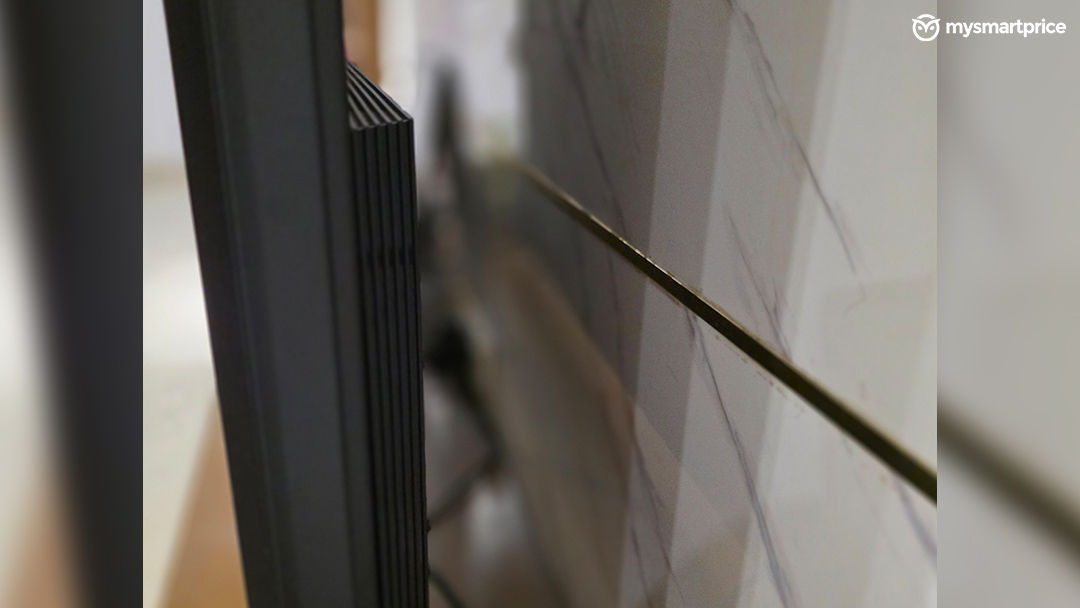
The Xiaomi TV S Mini LED does not try to completely reinvent the company’s TV design language. If you have seen Xiaomi’s recent X Series or QLED models, the overall approach here will feel familiar. You get slim bezels, a clean front profile, and a minimal design that is meant to blend into a modern living room setup rather than draw too much attention to itself.
Considering this sits higher in Xiaomi’s TV lineup, a slightly more premium treatment would have helped differentiate it from the company’s more affordable models. But this also feels like a conscious decision. Xiaomi seems to have focused more on putting the investment into the Mini LED panel and display hardware rather than adding cosmetic upgrades that would push the price higher.
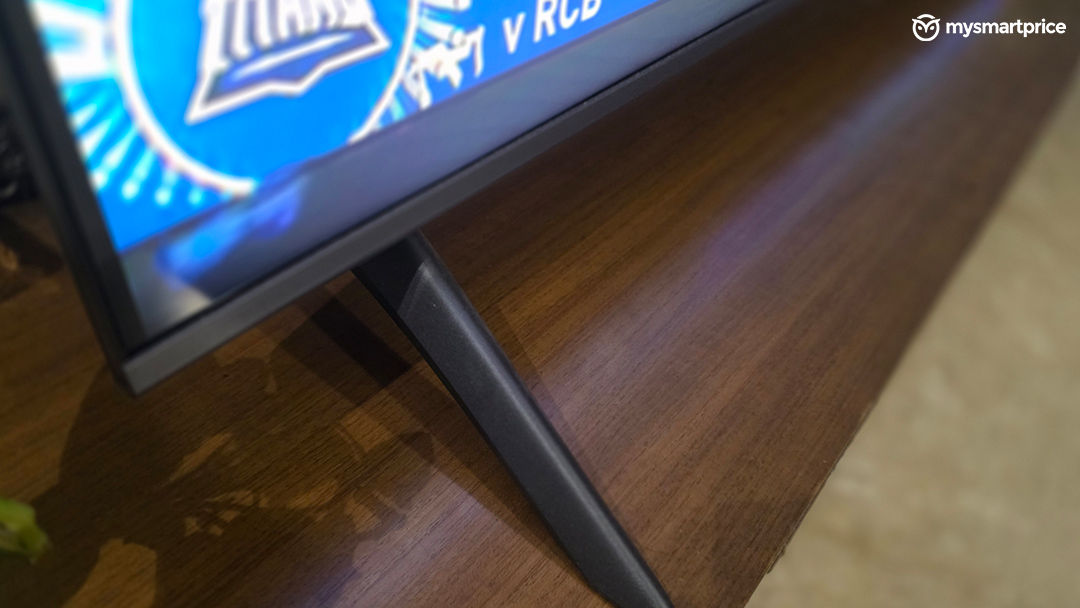
That said, the design itself does not feel compromised. The TV looks modern, the bezels are minimal, and once wall-mounted, it fits well into the kind of setup most buyers in this screen size category would prefer. For the purpose of this review, I had opted for the table top and for people like us I feel that the only area where I feel Xiaomi could improve is the stand. The legs get the job done, but they could have felt slightly sturdier, especially considering the size of the television. Having said that, most users buying large-screen TVs usually opt for wall mounting, which probably explains why Xiaomi has kept the stand design simple.
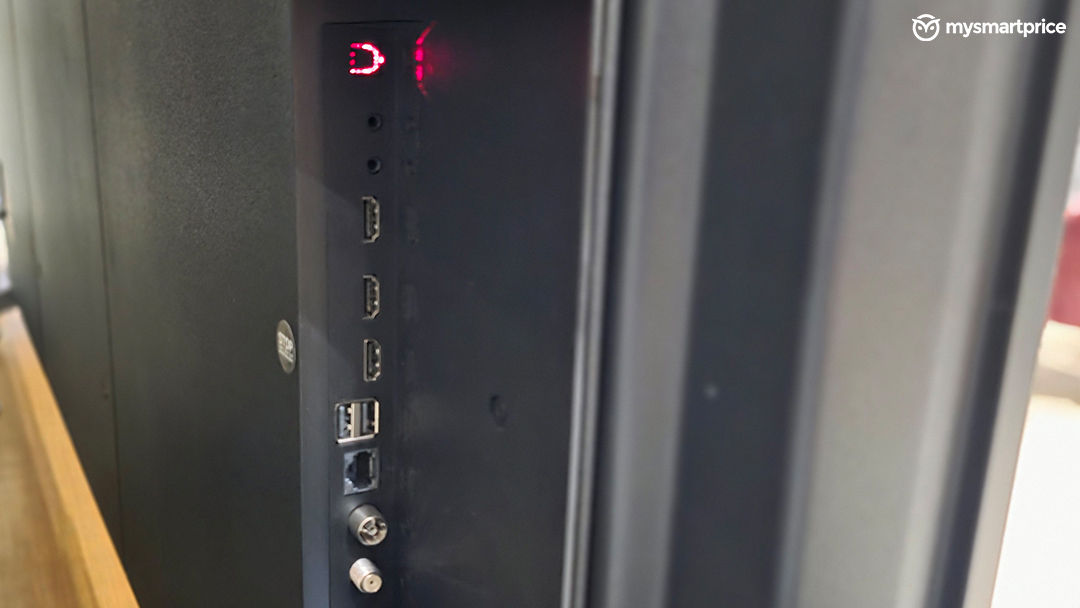
For connectivity, Xiaomi has covered the essentials with three HDMI ports, including HDMI 2.1 with eARC support, along with USB, Ethernet, optical audio, Wi-Fi, and Bluetooth connectivity. The HDMI 2.1 support is especially useful for users connecting a gaming console or a soundbar, although an additional HDMI 2.1 port would have made the setup more future-ready.
Display: Mini LED Makes the Biggest Difference Here
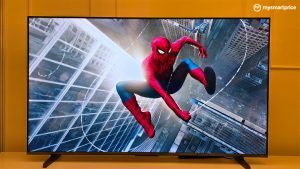
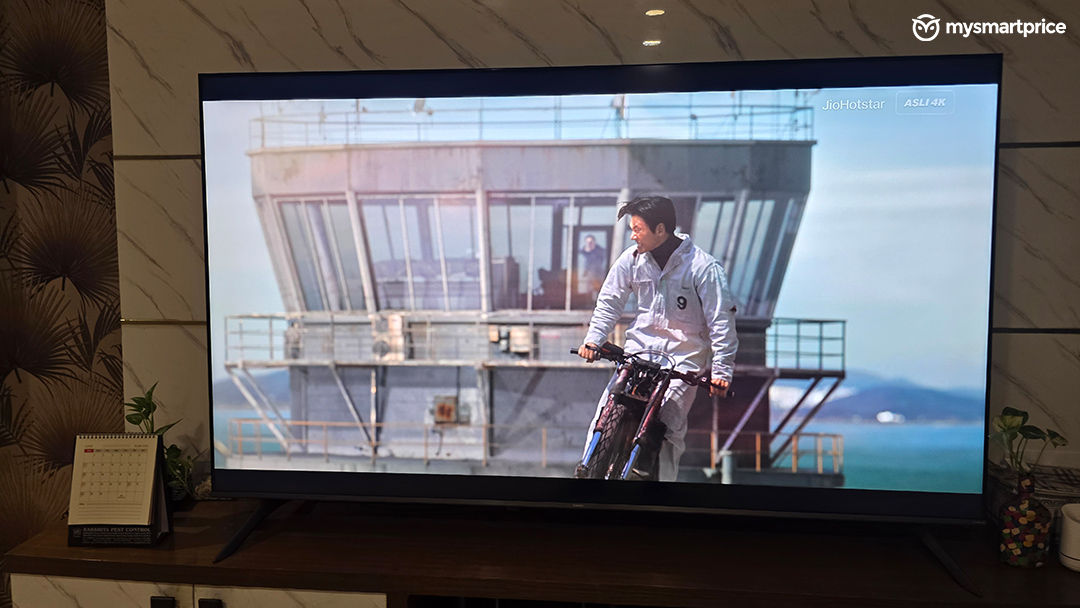
The display is obviously the biggest reason to consider the Xiaomi TV S Mini LED, and this is also where the TV starts separating itself from Xiaomi’s more affordable models. The move to Mini LED is not just about adding another specification to the sheet. The biggest difference comes from how the TV handles contrast, brightness, and darker scenes.
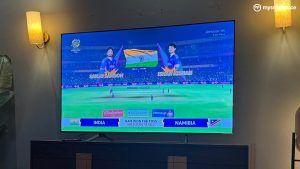
A lot of my viewing was done in a brightly lit room with direct lights around the TV, and surprisingly, that did not take away from the experience. The panel gets bright enough to maintain good visibility, and I never felt the need to create a perfect dark-room setup to enjoy movies or shows.
To test the Mini LED implementation, I watched darker sequences from House of the Dragon. Most budget TVs that I have reviewed in the past one year, usually struggle in this department. The candle-lit scenes and darker sequences around Dragonstone showed where the panel has improved. Blacks looked deep rather than washed out, and more importantly, shadow details were retained instead of everything turning into a dark patch.
Blooming was also practically non-existent during my viewing, even in scenes where brighter elements were placed against darker backgrounds. This is where the difference between a regular LED panel and a well-implemented Mini LED panel starts becoming noticeable.
For something completely different, I switched to KPop Demon Hunters on Netflix. The concert sequences, especially the ones with bright stage lighting, neon backgrounds, and fast transitions, really showed what the Mini LED panel is capable of. I could clearly see that the colours had the punch you expect from a premium panel, but they did not look unnecessarily boosted. The reds, purples, and blues during the performance scenes stood out, while smaller details like lighting effects and character outfits were still preserved instead of getting lost in all the brightness.
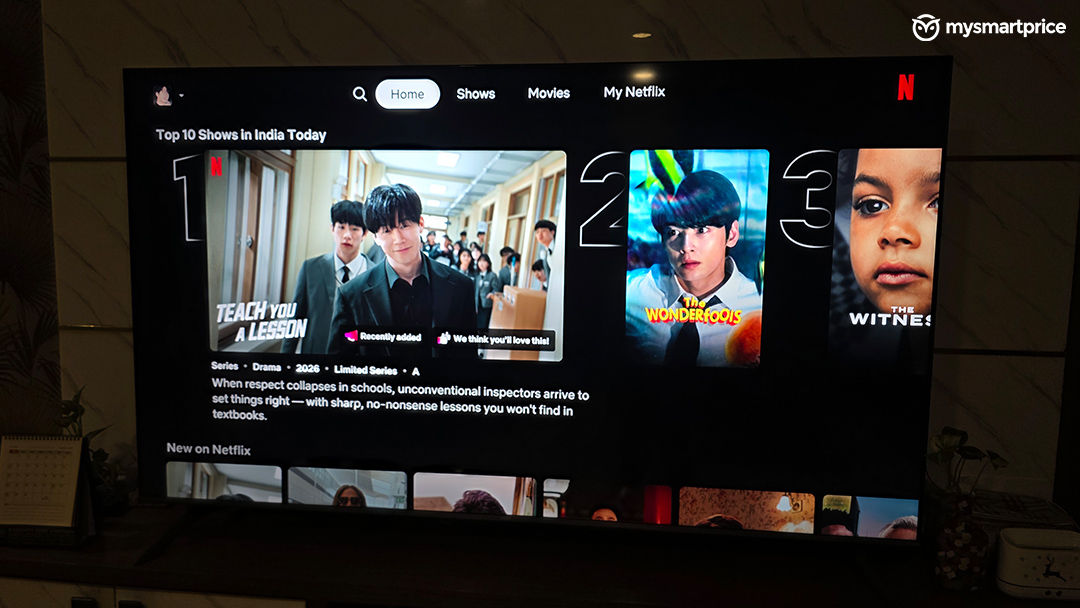
What also worked well was the contrast. Scenes that constantly shift between darker backgrounds and bright visual effects are usually where affordable TVs struggle, but the Xiaomi TV S Mini LED managed these transitions well. The brighter elements popped without affecting the darker parts of the frame.
Xiaomi also gives you multiple picture modes, including Standard, Vivid, Movie, Sports, and Filmmaker Mode. Filmmaker Mode is a nice addition, especially if you prefer watching movies closer to how they were originally intended. However, honestly, for most everyday viewing, I found Standard mode to be the easiest recommendation because it strikes a good balance between brightness, colours, and overall appeal.
New movies and shows are one thing, but most of us do not only watch the latest 4K Dolby Vision content. Sometimes we just want to revisit our favourites, and for me, that was ER, which recently arrived on Netflix. You can blame George Clooney and John Stamos for making that rewatch impossible to resist.
But nostalgia also turned into a good real-world test. ER originally aired long before the 4K streaming era, which means the TV had to rely more on upscaling instead of simply displaying native high-resolution content. The Xiaomi TV S Mini LED handled this better than expected. Faces looked natural, the hospital scenes retained enough detail, and watching an older show on a large screen did not feel like a compromise.
Software: Google TV Experience With Some Room for More Power
The Xiaomi TV S Mini LED runs Android TV 14 out of the box with the familiar Google TV experience. The interface remains easy to navigate, and content discovery continues to be one of its strengths, especially if you regularly jump between different OTT platforms.
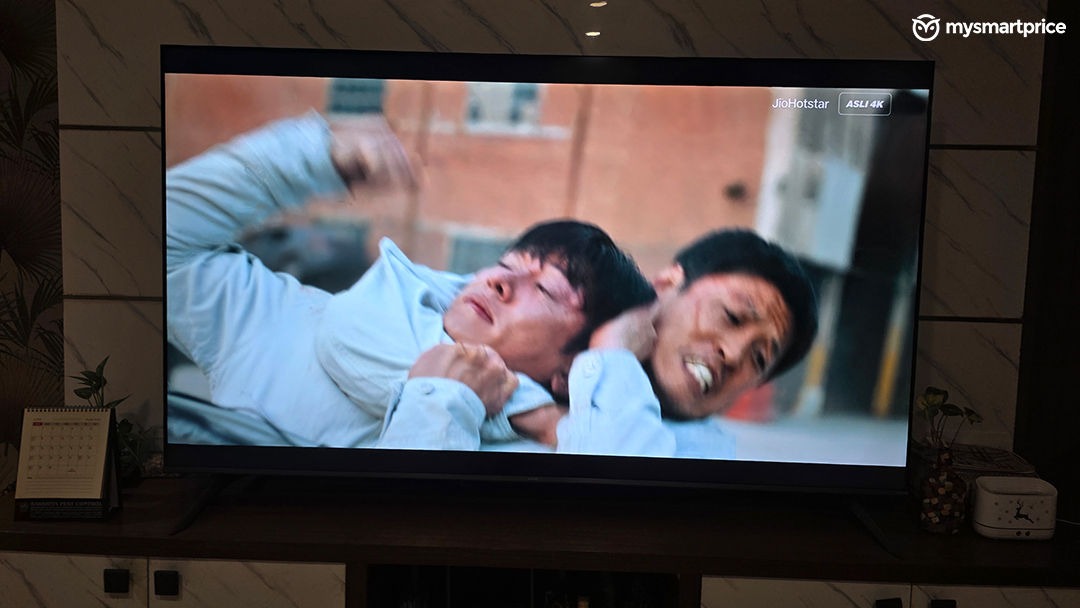
During the initial setup, I did notice some lag while the TV was installing apps and setting things up. However, the experience improved after some usage, and the TV seemed to settle in once the initial background processes were complete.
The TV comes with 2GB of RAM, which gets the job done, but considering this sits in Xiaomi’s premium TV lineup, slightly more RAM would have been a welcome addition for better long-term performance.
I am not someone who spends hours gaming on a television, so this was not my primary use case for the Xiaomi TV S Mini LED. However, Xiaomi has added a few gamer-focused features, including HDMI 2.1 support, Auto Low Latency Mode (ALLM), and Game Boost mode.
For someone occasionally connecting a PlayStation or Xbox, this should be more than enough. The large Mini LED panel, improved contrast, and smoother motion handling should add to the experience, especially in visually rich titles. However, if your primary reason for buying a television is competitive gaming, there are more specialised options available.
Audio: Clean and Balanced Over Artificially Loud
The Xiaomi TV S Mini LED comes with a 34W speaker setup, and for everyday usage, it does a decent job. The audio gets loud enough for movies and shows, and dialogue clarity is handled well.
What I liked is that Xiaomi has not gone for an overly processed sound signature. Some budget TVs, such as the Lumio Vision 9, lean towards heavier bass because that is what many Indian users associate with better sound. Xiaomi’s approach here feels more balanced and closer to the original audio mix.
The Dialogue Enhancer mode is useful, especially while watching movies or shows where conversations take priority over background effects. Of course, if you want a proper cinematic experience with deeper bass, pairing a soundbar will still make a difference.
Verdict: Should you buy it?
The Xiaomi TV S Mini LED feels like an important step in Xiaomi’s TV journey. For years, the company has been associated with bringing affordable smart TVs to Indian homes, but this time the focus is clearly on making premium display technology more accessible.
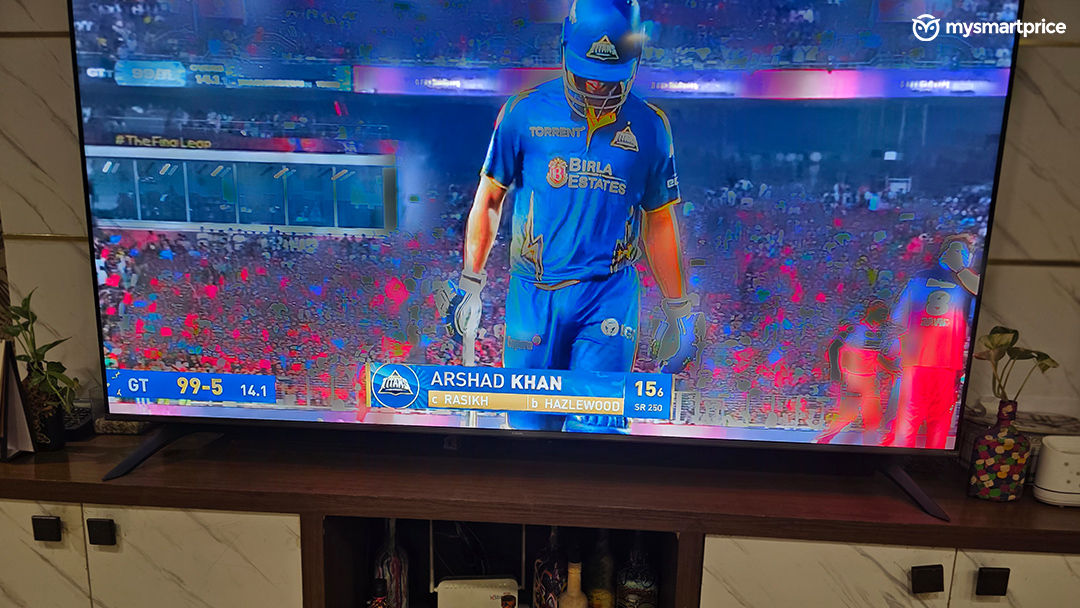
The biggest reason to consider this TV is undoubtedly the Mini LED panel. In terms of display, it consistently delivers where it matters. The improved contrast, deeper blacks, controlled blooming, and strong brightness make a noticeable difference in everyday viewing.
It is not without compromises. A more premium design, additional RAM, and stronger built-in audio would have made the package even better. However, Xiaomi seems to have made the right trade-offs by focusing on the one thing that matters most in a television: the viewing experience.
If you are upgrading from an older LED or even a budget QLED TV and want a larger screen for movies, sports, and OTT content without entering ultra-premium TV pricing, the Xiaomi TV S Mini LED makes a very strong case for itself.