The iPhone 17 Pro Max is the flagship smartphone from Apple’s 2025 lineup, and it aims to be the maximal-experience iPhone for power users, creators, and anyone who wants “top of the line”. While much of the spotlight has shifted to the slimmer, lighter “Air” variant this season, the Pro Max is still a device that deserves attention for the upgrades it offers in design and battery. It also offers a triple 48 MP “Fusion” rear camera system with major upgrades in telephoto, ultra-wide and main sensors, putting it firmly in the “pro-creator” category rather than just a standard smartphone. And under the hood, it features the new A19 Pro chip plus a revamped thermal design (including a vapour-chamber and aluminium unibody) to sustain high loads with less throttling. So lets get straight to the review.
Apple iPhone 17 Pro Max
0.00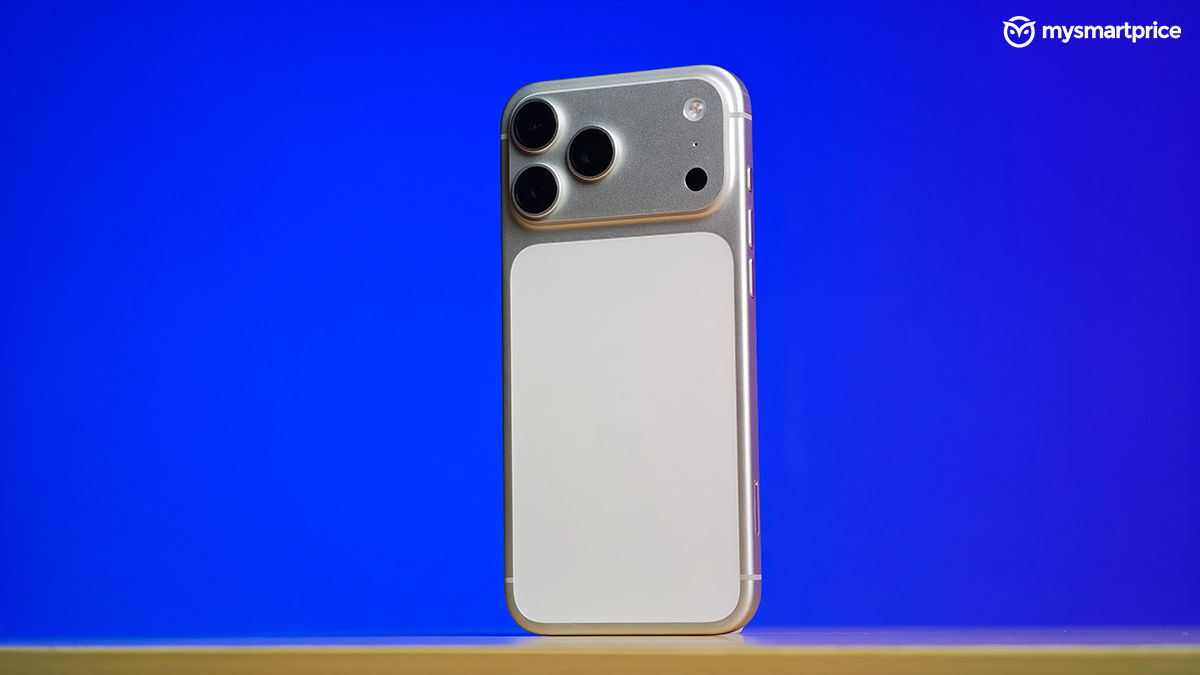
What Is Good?
- Outstanding battery life with improved power efficiency
- A19 Pro chip offers strong sustained performance with effective cooling
- Triple 48-megapixel camera system delivers sharp, detailed, and balanced images
- Refined design with improved durability, bright display
- Useful new software features like Visual Intelligence and Live Translation
What Is Bad?
- Design feels more functional than luxurious
- Charging Speeds are still slow
- iOS 26’s new look feel less warm
- Dual Capture and some AI features feel like catch-up rather than innovation
Design and Ergonomics
I’ve always preferred smaller iPhones. My first large-screen iPhone was the iPhone 6s Plus, and at that time, its 5.5-inch display felt expansive enough to comfortably watch content and still manage day-to-day tasks one-handed. Over the past two years, I’ve stuck to the more compact iPhone 15 Pro models for their manageable form factor and lighter build, which makes them easy to live with.
That’s what makes the iPhone 17 Pro Max such a noticeable shift. The moment you pick it up, the difference is evident. At 233 g, it’s almost identical in heft to the Samsung Galaxy S23 Ultra (234 g), and the resemblance in proportions is unmistakable. The iPhone’s broader frame and flatter edges make it feel slightly chunkier in hand, and since even the smaller iPhone 17 Pro (206 grams) is heavier than the 16 Pro (199 grams), it’s only natural that the 17 Pro Max feels even more substantial. One-handed typing, something I could still manage on the Pro, is nearly impossible here. It took me a couple of days to adjust, but the large 6.9-inch display undeniably transforms multimedia such as movies, games, and even social feeds look more immersive, vibrant, and richly detailed (more on this in the display section).
The biggest design change this year lies in the material shift. Apple has replaced the titanium frame used in the previous two Pro generations with a heat-forged aluminium unibody chassis. This marks a return to a more traditional metal approach, but one that feels distinctly more solid and slightly cooler to the touch. The unibody design integrates seamlessly with the display frame, giving the phone a sleeker, more unified silhouette.
Underneath that polished exterior, Apple has introduced a new vapour-chamber cooling system, which uses the aluminium frame’s high thermal conductivity to dissipate heat more evenly. This helps reduce hotspots during extended gaming sessions or prolonged 4K video recording. This has been an area where earlier models tended to warm up. I’ll be sharing more insights on its real-world performance in the Performance segment of this review.
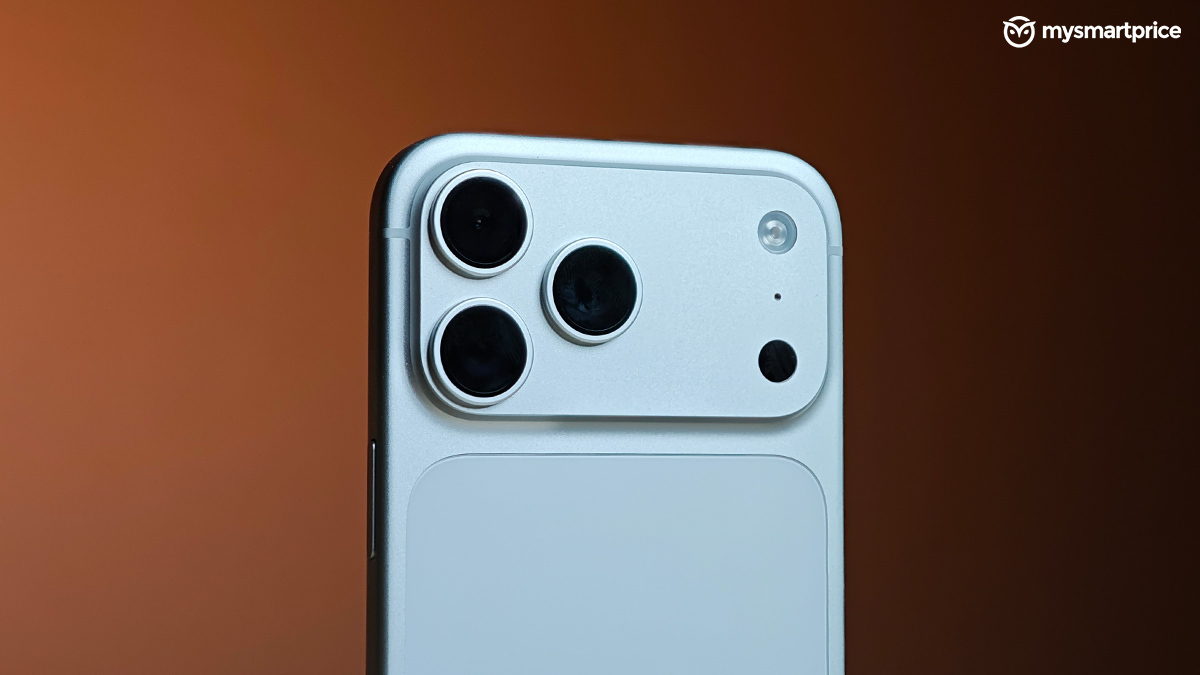
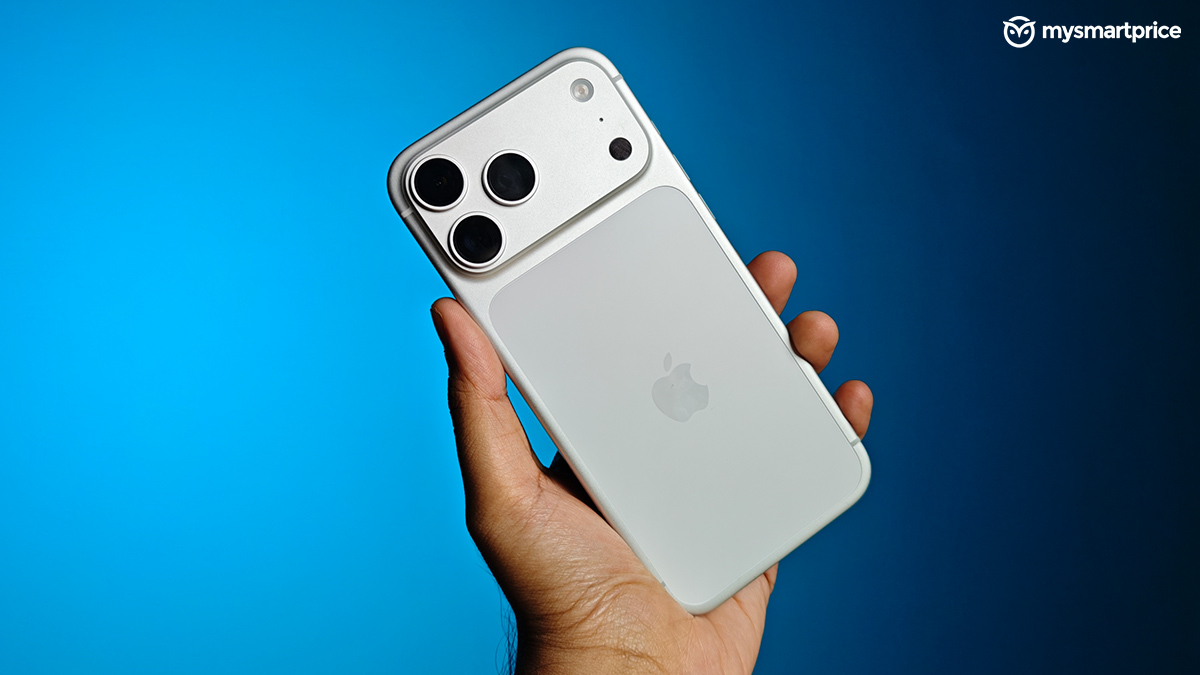
Another major design shift is at the back. Gone is the familiar camera bump, and it has been replaced instead by a wide camera “plateau” that spans the entire upper portion of the rear panel. This shelf-like design not only gives the iPhone 17 Pro Max a more grounded stance when placed on a flat surface, but also houses three 48 MP lenses, including a telephoto unit that now matches the main and ultra-wide sensors in resolution. The result is both aesthetic and functional: greater balance, cleaner lines, and a camera setup that visually communicates its power.
The back panel itself also features a new Ceramic Shield surface instead of conventional glass. Ceramic Shield uses nano-ceramic crystals embedded in a glass matrix, which Apple claims makes it four times more crack-resistant than the iPhone 16 Pro’s back glass. It gives the device a subtle two-tone finish, and in my Silver review unit, the contrast between the white upper section and the silvery frame looks striking. The effect is less pronounced on the Cosmic Orange model, but here it adds a nice sense of depth without feeling flashy.
The TPU case Apple provides this year is transparent, which I feel is a practical move, since the earlier titanium finishes often ended up hidden under opaque covers. It fits snugly, perhaps a little too snugly; I almost dropped the phone once while trying to pry it off. It’s protective and clean-looking, but doesn’t have the premium texture or finish one would expect from a Pro-series accessory.
Beyond these refinements, there aren’t many changes to report. The Action Button and Camera Control remain unchanged from the previous generation, keeping continuity for users upgrading from the 15 Pro series.
In Silver, the iPhone 17 Pro Max looks timeless and understated, which I feel is an elegant counterpoint to this year’s louder Cosmic Orange. For someone who still remembers the charm of the rose-gold iPhone 6s, this return to a cooler metallic palette feels more my style, and perhaps the truest expression of what an iPhone Pro Max should look like.
Display
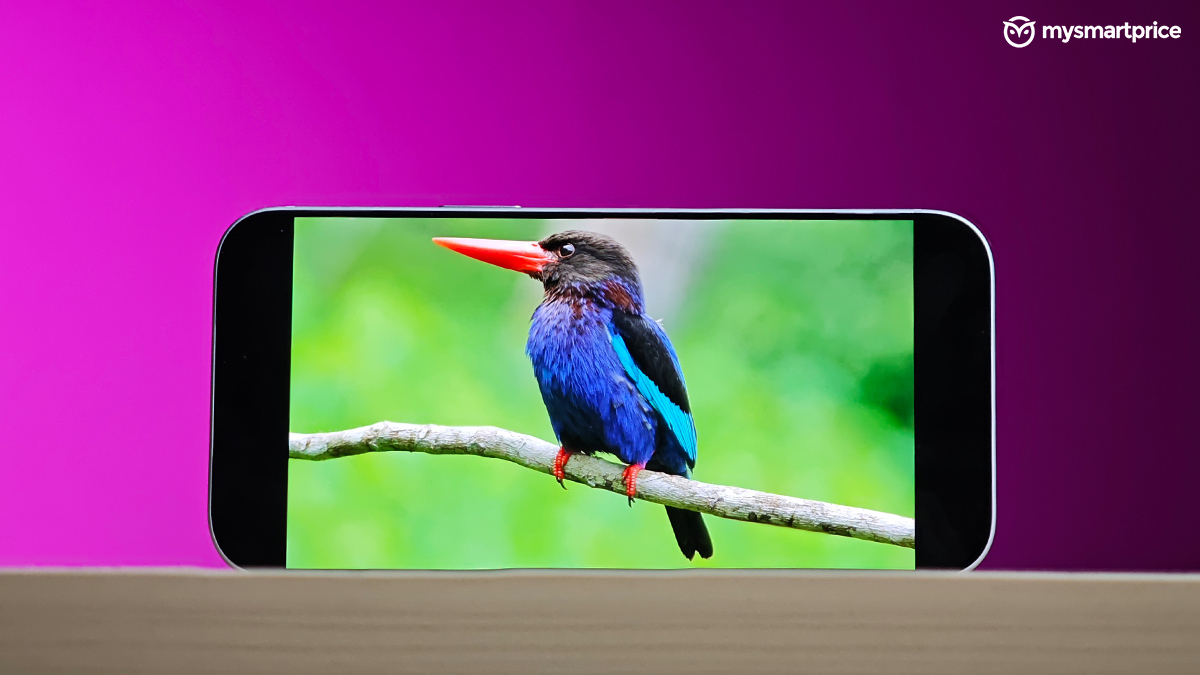
Moving on to the front, the iPhone 17 Pro Max comes with a 6.9-inch display, while the smaller 17 Pro features a 6.3-inch panel. Both now reach an impressive 3,000 nits of peak brightness outdoors, a clear step up from the 2,000 nits offered on the iPhone 16 Pro series. Since the weather has already started to turn mild, I did not get to test this brightness upgrade under harsh sunlight, but even so, the outdoor legibility on the 17 Pro Max is excellent. The screen maintains clarity, colour accuracy, and contrast in open daylight, and it is one of those displays you can comfortably use without constantly tilting for visibility.
The display is protected by Ceramic Shield 2, which Apple claims offers three times better scratch resistance than the glass on the iPhone 16 Pro and Pro Max. It is a welcome assurance, especially for a phone this large. Still, like most users, I would recommend adding a screen protector and a case to avoid any heartbreak from accidental slips.
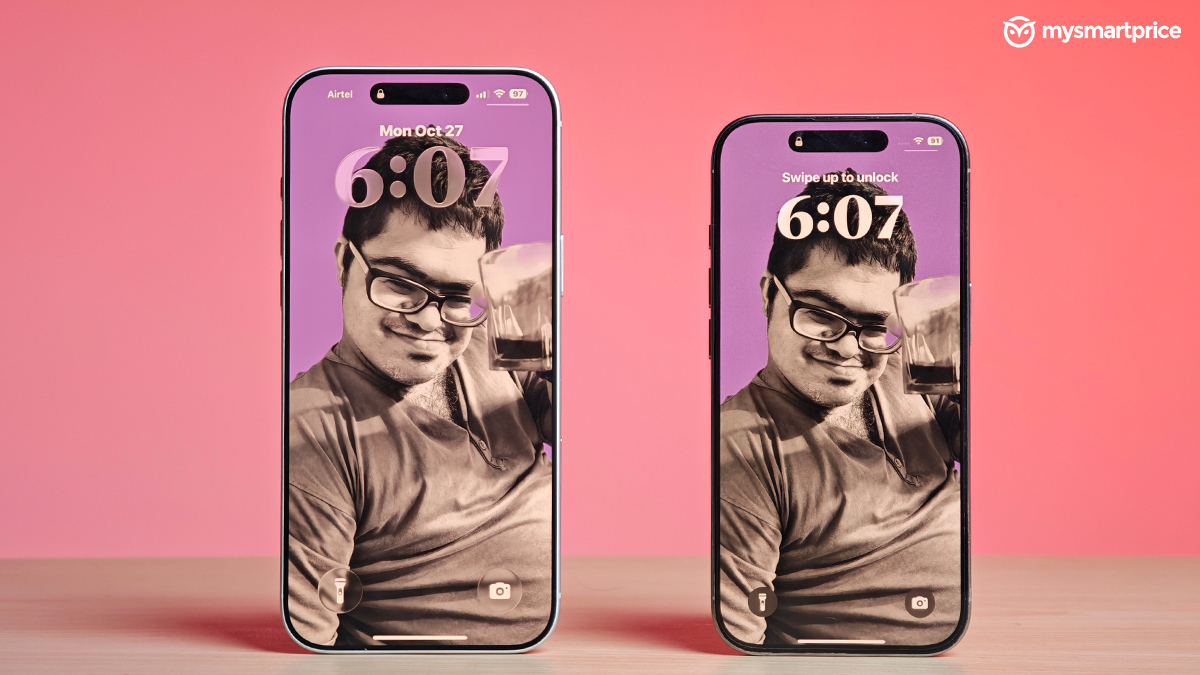
As before, this is a ProMotion display, which means the refresh rate automatically scales from 1 Hz to 120 Hz depending on what you are doing. During my time with the device, everything from scrolling through social feeds to gaming felt butter smooth, with no visible lag or hesitation. Apple’s adaptive refresh rate continues to feel more natural than many Android counterparts, shifting seamlessly between frame rates without any flicker or tonal changes.
The 6.9-inch OLED panel itself is a treat to look at. It delivers crisp details, deep blacks, and saturated yet balanced colours that avoid going overboard. Watching HDR content is particularly rewarding. Whether it is streaming something on Netflix or YouTube, or simply looking through your photo gallery, the 17 Pro Max offers a truly immersive visual experience. While watching the second season of Nobody Wants This, I noticed how well it handled the contrast between shadow-heavy scenes and brighter sequences, maintaining excellent depth and balance throughout.
Camera
The iPhone 17 Pro Max continues to be a camera-first device, and this year Apple has gone all in on resolution consistency. All three rear cameras now use 48-megapixel sensors, letting you shoot in 12 MP, 24 MP, or 48 MP depending on your storage preferences and shooting needs. You can switch between the trio of lenses, which includes wide, ultrawide, and telephoto, and still retain that high level of detail that defines the Pro lineup.
The telephoto camera sees the biggest change. Apple has moved from the 16 Pro’s 12-megapixel sensor with a 5x lens to a new 48-megapixel sensor that is 56 percent larger and uses a 4x telephoto lens.





In real use, this results in sharper long-range shots, cleaner edge definition, and less digital noise when zooming in. Even indoor portraits and night shots hold onto texture and tone more naturally than before.










There is also a new selfie camera on both Pro models that Apple calls Center Stage. It now takes 18-megapixel selfies, up from 12 MP on the 16 Pro, and comes with a clever square image sensor that lets you hold the iPhone vertically and still capture a horizontal frame. You can press an onscreen button to switch orientations or enable settings that automatically rotate and zoom out for group shots. It is a thoughtful addition, and one that creators and vloggers will likely appreciate.
Another new feature is Dual Capture, which lets you record video using both the front and rear cameras at the same time. This is something that Android phones from brands like iQOO have offered for a while, but it is good to finally see Apple implement it in its own clean, intuitive way.






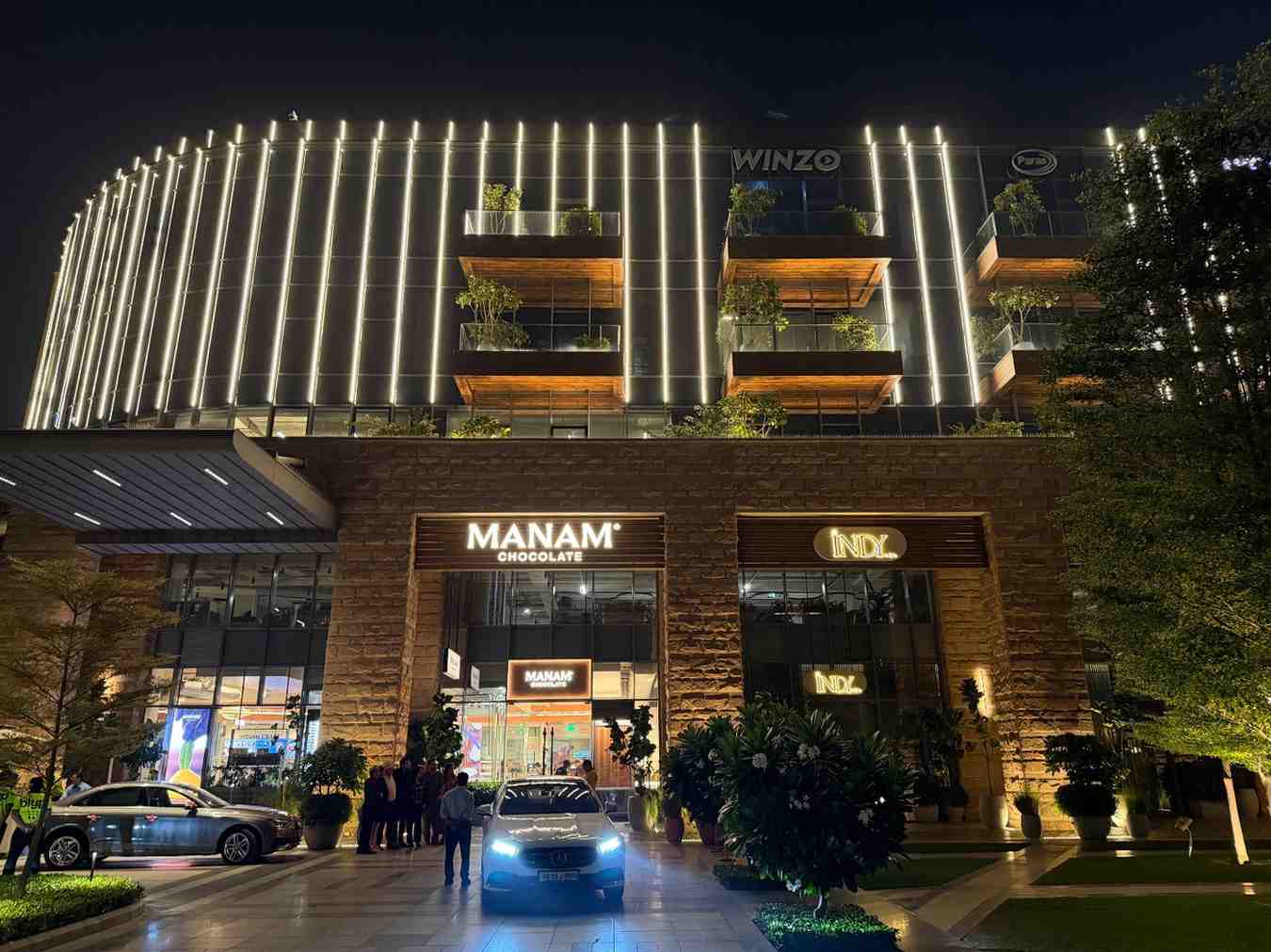
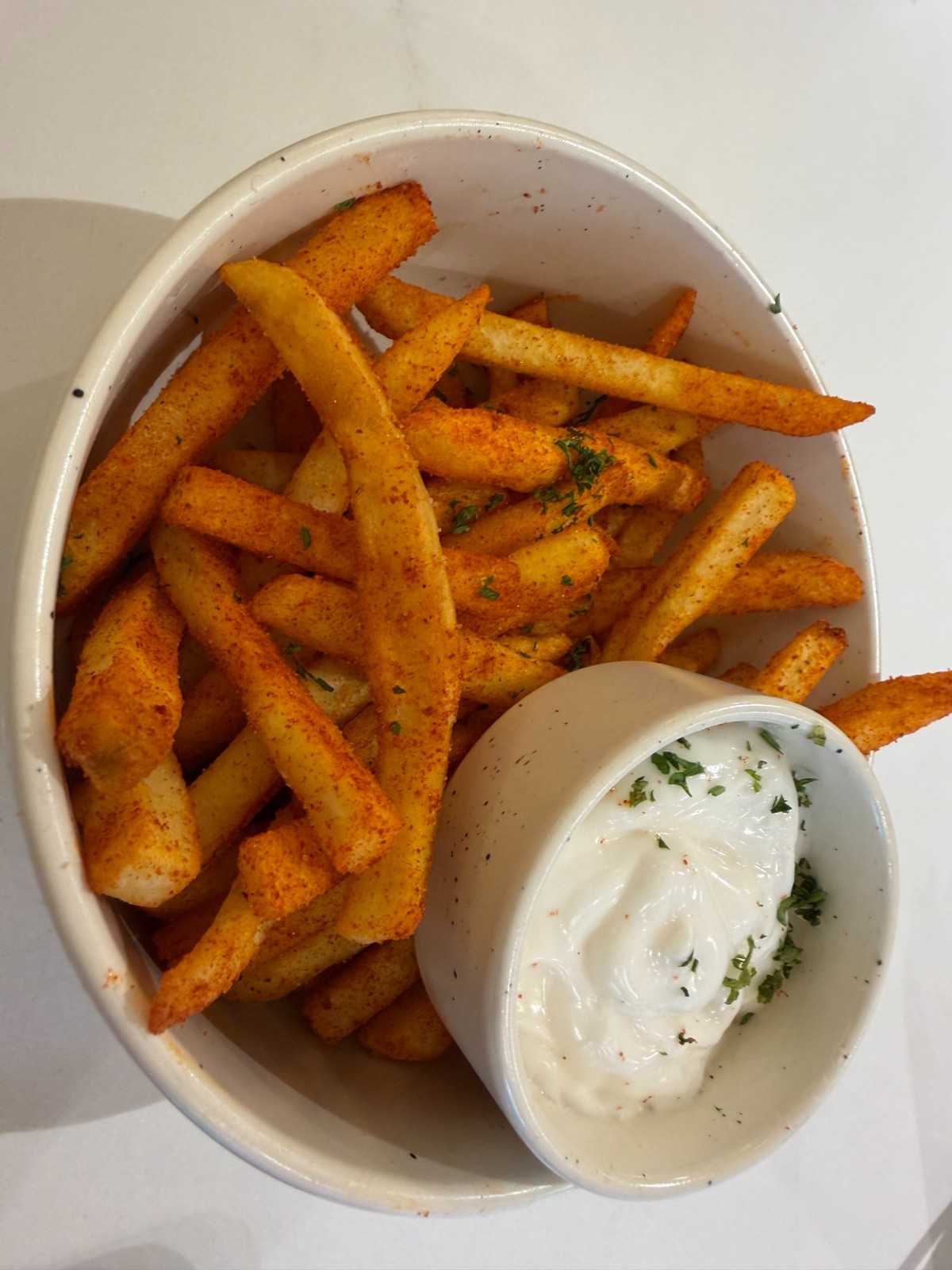
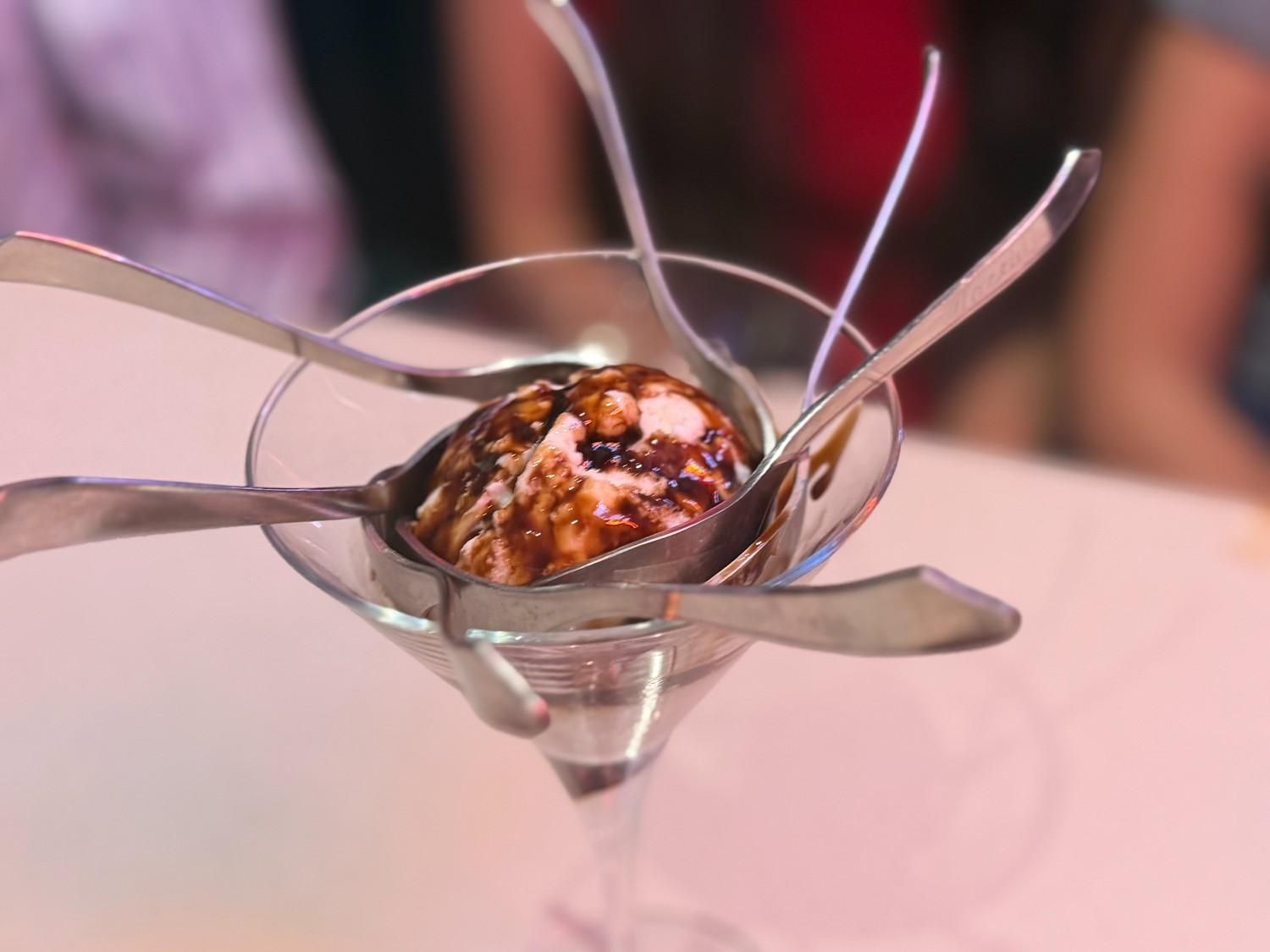
In actual use, the images I clicked from the rear camera showed noticeably sharper detail, richer colours, and improved low-light performance. Compared to the iPhone 16 Pro, photos from the 17 Pro Max have a touch more depth and contrast. Colours look vivid but not exaggerated, and dynamic range has improved, especially in scenes with mixed lighting.


I also compared portraits and regular photos taken with the OPPO Find X8 Ultra and the iPhone 17 Pro Max using a human subject. In portrait mode, the iPhone had a clear edge. The bokeh effect on the OPPO looked stronger, but Apple delivered better subject separation and more natural skin tones, resulting in photos that looked instantly ready for social media.


In regular photo mode, the Find X8 Ultra pulled slightly ahead with richer tones and a livelier overall look. The colour science between the two remains very different, so the choice ultimately depends on what appeals more to the eye.
Performance and Thermals
The iPhone 17 Pro Max is powered by the A19 Pro chip, the same one used in the iPhone Air. Apple claims it can deliver up to 40 percent better sustained performance compared to the previous generation. The chip features a 6-core CPU with two performance cores and four efficiency cores, and a 6-core GPU that now includes upgraded Neural Accelerators on each core. These additions are designed to make processes like computational photography, on-device AI, and large language model operations significantly faster.
In day-to-day use, the phone feels effortlessly powerful. Apps launch instantly, multitasking remains smooth, and high-end games such as BGMI or Call of Duty Mobile run with consistent frame rates. Even under load, the aluminium frame and the new vapour-chamber cooling system work well to keep temperatures under control. During long gaming sessions or extended video recording, the device becomes warm but not uncomfortable to hold. The overall experience is that of a device built for sustained performance rather than short bursts of speed.
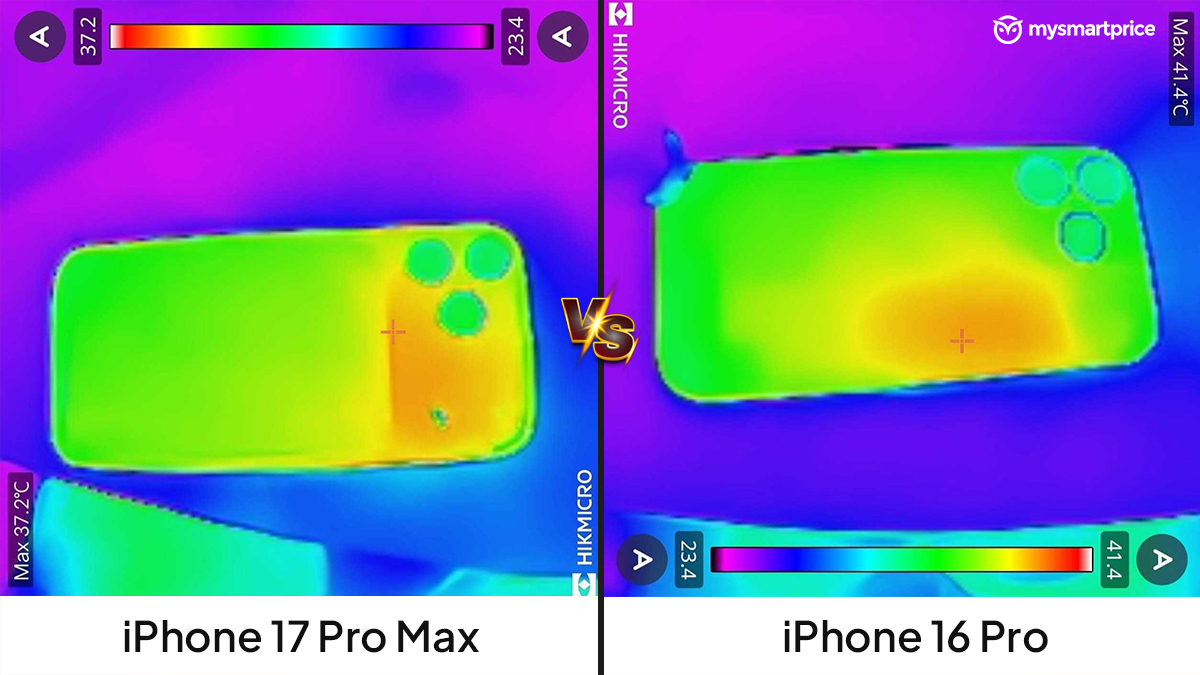
During testing, we played BGMI for 20 minutes on both the iPhone 16 Pro and the iPhone 17 Pro Max, and the temperature difference was noticeable. The 16 Pro reached 41°C, while the 17 Pro Max stayed around 37°C.
In benchmark tests, the iPhone 17 Pro Max performs strongly against leading Android flagships, even if the raw numbers vary across platforms. On AnTuTu, it scored 2,475,785, placing it slightly behind the iQOO 13 and OnePlus 13 but ahead of the Galaxy S25 Ultra.
On Geekbench, the results tell a different story, with the 17 Pro Max scoring 3,762 in the overall test and 9,847 in multi-core performance, nearly matching the Galaxy S25 Ultra while keeping thermals under control. These scores reflect Apple’s focus on stability and sustained performance rather than short bursts of speed. Combined with the lower temperatures during gaming, the 17 Pro Max feels well-optimized for long sessions and demanding workloads.
Software and Features
With the iPhone 17 series, Apple introduces iOS 26, which debuts a new interface called Liquid Glass. The unified look of this design extends across apps, the Home Screen, and the lock screen, giving the iPhone a glossy, modern appearance that feels a bit like polished plastic candy. It looks striking, but some of the warmth and texture that earlier versions of iOS carried seem to have been toned down in favour of this ultra-clean aesthetic.
Despite that, iOS 26 hides several small but meaningful improvements. You can now add background images to group chats in Messages, and the new Hold Assist tool makes handling phone calls easier by keeping the line active while you check information elsewhere on the screen.
One of the standout upgrades is Visual Intelligence, which now lets you use screenshots as prompts for a Google Images search or even as input for ChatGPT. You can scribble over a specific part of an image to narrow what is searched, which makes it particularly handy for referencing visual content or identifying objects. It still requires taking a screenshot first rather than long-pressing directly on the display, but it is a genuinely useful tool that bridges visual and conversational AI.
Another major addition is Live Translation, which now works across text messages, phone calls, and FaceTime calls. This feels like one of those small yet transformative features that could become indispensable for frequent travellers or anyone who interacts in multiple languages. iOS 26 also adds better call and message screening tools that intelligently filter unwanted interruptions.
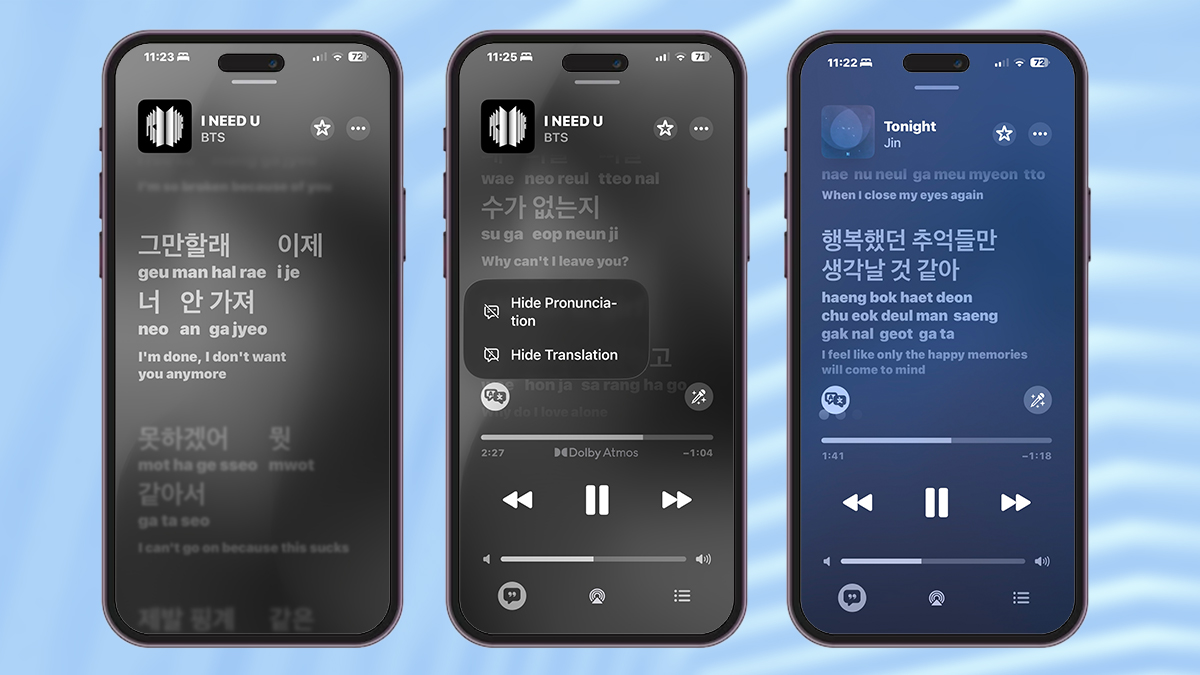
Apple Music too gets a thoughtful update. Lyrics can now be translated into multiple languages, complete with pronunciation guides for non-native speakers. It is a nice touch and one that makes Apple feel completely ready for the next wave of global music moments and yes, even the BTS comeback. The transitions between tracks and screens are smooth, and the new lyric view feels more dynamic and connected to the Liquid Glass aesthetic.
While these additions make the ecosystem richer, coming from older generations of iOS, there is still a learning curve. Some of the interactions feel slightly forced or less intuitive, as if Apple is still fine-tuning how its visual polish meets day-to-day usability. Over time, though, this version of iOS feels like a step toward a more intelligent and globally connected iPhone experience.
Battery and Charging
During my review, the iPhone 17 Pro Max has been my primary phone, and its battery life has been wonderful. Just like with the iPhone 16 Pro, I start my day with a full charge. I have a habit of leaving the phone plugged in overnight, so 100 percent is how my day begins. Since I am a heavy user, the 16 Pro would often drop to below 20 percent by late evening, and on some days, it would be close to shutting down. The 17 Pro Max, however, consistently ends the day with more than 30 percent left, which is impressive for the way I use my phone.
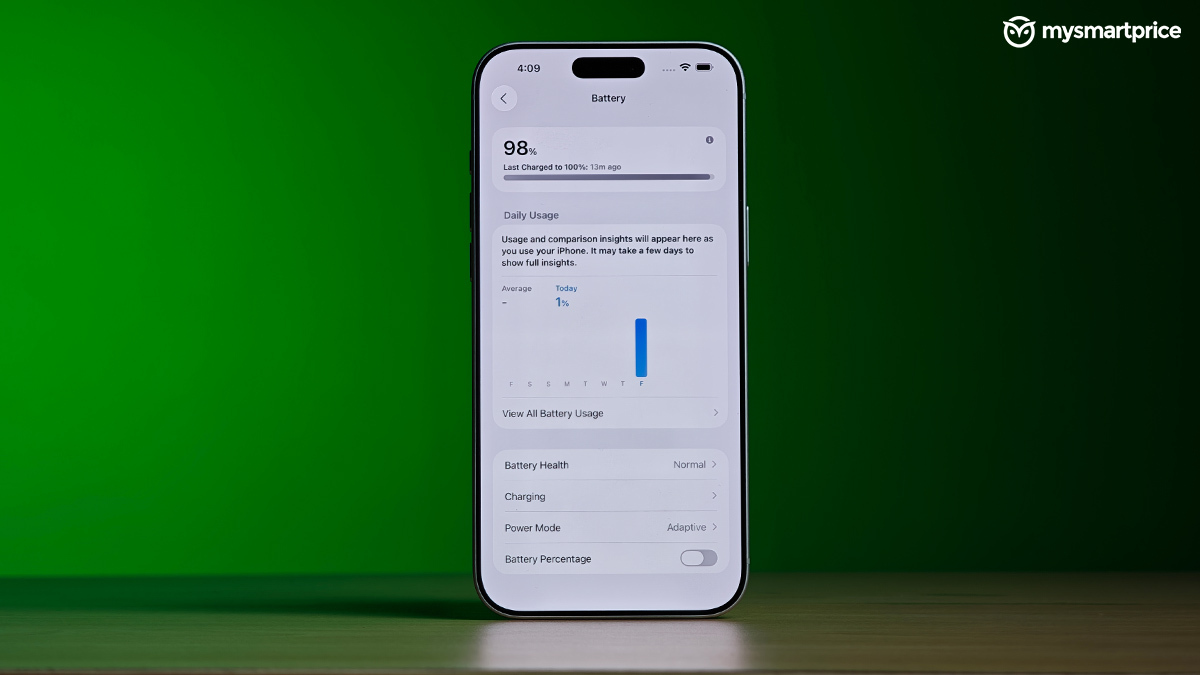
My screen-on time has remained similar to before, hovering around five hours or slightly above, yet the power management on the 17 Pro Max feels noticeably more efficient. Background processes drain less, and the device does not heat up as easily, even when multitasking or shooting videos.
Apple claims up to 39 hours of video playback on a single charge. While I have not completed a full playback loop yet, my initial tests have been encouraging. In one hour of video playback from 100 percent charge, the battery dropped by just 2 percent. During a 20-minute gaming session, starting again from a full charge, it dropped by just 3 percent. Both are solid results, especially for a phone with this much display brightness and processing power. We also compared this gaming test with the older generation iPhone 16 Pro and for the same testing duration, the drop was 5 percent.
In everyday use, the battery endurance is excellent. It comfortably lasts a full day of mixed usage that includes constant messaging, multiple social media apps, music streaming, photography, and a fair amount of screen time. The charging speeds remain similar to last year, but the bigger difference is how confidently the phone stretches through a long day without anxiety about reaching for the charger.
Verdict
The iPhone 17 Pro Max represents Apple’s most complete hardware and software package yet. It is big, powerful, and built for users who expect top-tier performance every single day. The new aluminium chassis and vapour-chamber cooling deliver tangible real-world benefits, while the display, camera, and battery continue to set class benchmarks.
If you are coming from an older iPhone, the jump in quality and longevity will feel substantial. For those upgrading from the 15 or 16 Pro, the difference is less about speed and more about experience, better heat management, longer runtime, and more creative flexibility from the camera system. For content creators and frequent travellers, it will still be a decent upgrade.
The iPhone 17 Pro Max is not for everyone. Its size and weight make it less suited for casual users or those who prefer compact phones, but if you value endurance, display quality, and consistency above all else, this is the iPhone that delivers on every front. Overall, for me, the most impressive part about the iPhone 17 Pro Max has been the battery and that will be a big win for all Apple enthusiasts.