Samsung Electronics has unveiled the Galaxy XR, its first headset built entirely around AI-driven extended reality, signalling the beginning of the Android XR ecosystem. Developed in partnership with Google and Qualcomm, Galaxy XR aims to merge natural interaction with spatial computing, giving users new ways to work, create, and explore.
The device runs on Android XR, a platform optimised for multimodal AI and embedded with Google's Gemini model at the system level. It allows Galaxy XR to respond through voice, vision, and gestures, understanding its environment in real time. Samsung says this makes the headset feel more like an intelligent companion than a traditional device, designed to learn from context and adapt to the user's surroundings.
Focus on Ergonomics
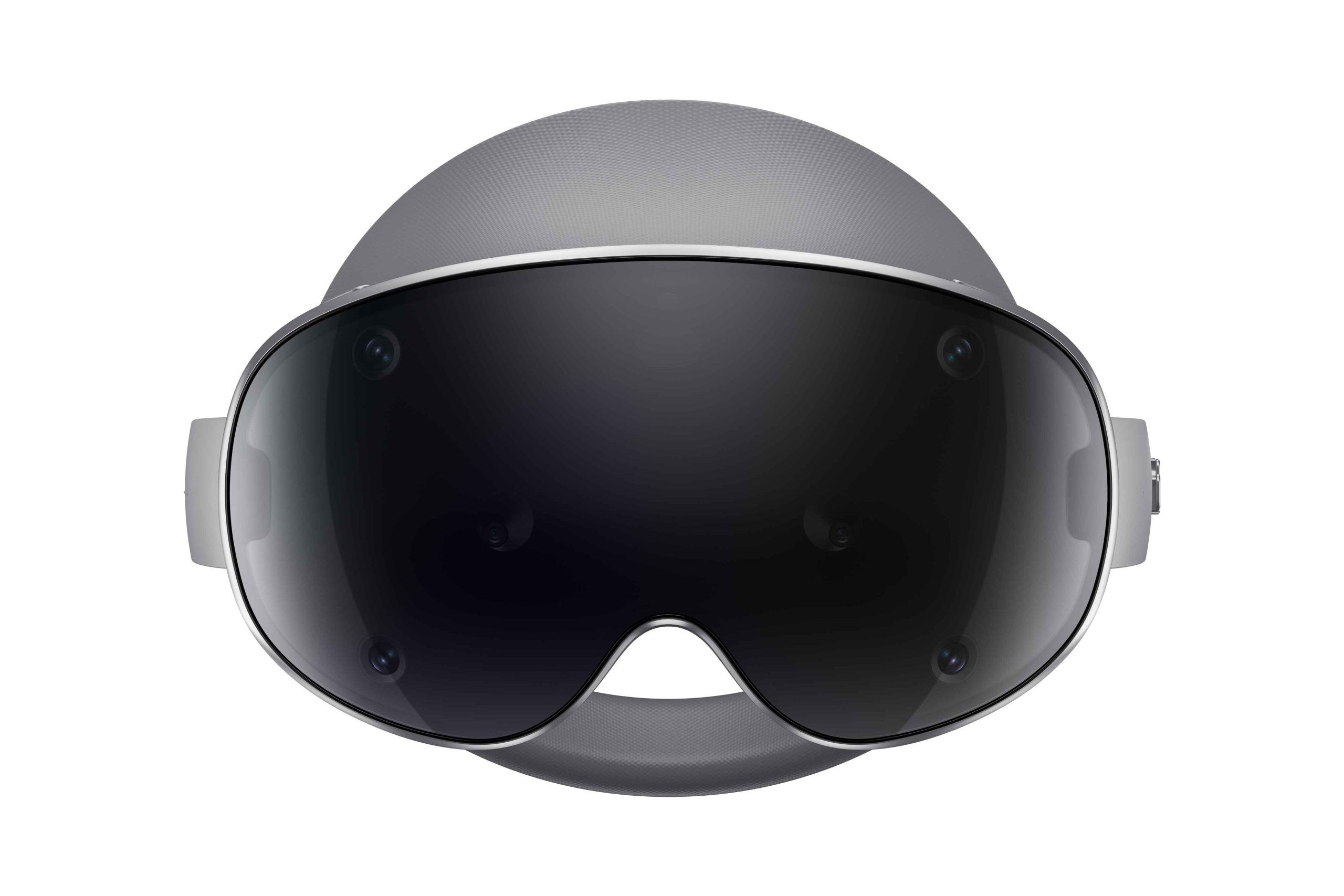
Samsung has focused heavily on ergonomics with the Galaxy XR. The headset weighs 545 grams and uses a separate 302-gram battery pack to distribute weight evenly across the head. Its detachable light shield allows users to switch between fully immersive and pass-through modes, while the 109-degree field of view, 4K Micro-OLED display, and Snapdragon XR2+ Gen 2 processor promise detailed, lag-free visuals.
The headset includes six world-facing cameras, four eye-tracking sensors, and a beamforming microphone array that together enable precise tracking of head, hand, and eye movement. Samsung claims the result is an experience that feels more intuitive and natural, whether one is watching content, creating 3D edits, or joining a virtual meeting.
AI at the Core
Galaxy XR is designed to bring AI into everyday experiences in meaningful ways. Users can navigate cities in 3D using Google Maps with Gemini acting as a virtual guide, or ask contextual questions while watching YouTube videos to learn more about the content in real time. The headset's Circle to Search feature works in pass-through mode, allowing users to identify real-world objects through simple gestures, while AI spatialization can transform standard 2D photos and videos into immersive 3D environments.
Samsung is positioning Galaxy XR as both a productivity and entertainment device. It offers up to two and a half hours of playback on its 4K Micro-OLED display, which feels like a personal theatre. Users can stream shows, play XR-optimised games with AI assistance, or use Adobe's Project Pulsar to edit cinematic videos with depth and layers in a 3D workspace.
A Broader Vision for Android XR
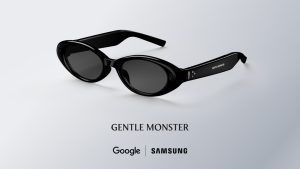
The Galaxy XR serves as a foundation for Samsung's long-term XR roadmap. The company is already working on AI glasses in collaboration with Warby Parker and Gentle Monster, combining technology and fashion to make extended reality more practical and stylish. On the enterprise front, Samsung has partnered with Samsung Heavy Industries to develop virtual training modules for shipbuilding and heavy industry, while Qualcomm's Snapdragon Spaces program supports developers building applications for design, training, and remote collaboration.
Samsung's entry into this category comes at a defining moment for the XR industry. Apple's Vision Pro has pushed spatial computing into the mainstream, and Meta's Quest 3 continues to serve the gaming and creator audience. With the Galaxy XR, Samsung introduces a third path, one that emphasizes openness, accessibility, and deep Android integration.
Unlike Apple's closed ecosystem, the Android XR platform supports existing Android apps and familiar development frameworks such as Unity and WebXR. This makes it easier for developers to create and scale immersive experiences, and for users to access a wider range of content. The strategy also positions Samsung as a key player in shaping an open, multi-device XR ecosystem that bridges smartphones, wearables, and headsets.
By merging AI, XR, and Android's open architecture, Samsung is making a strong statement about the future of personal computing. The Galaxy XR is more than an experimental headset; it is part of Samsung's plan to extend AI across its entire product ecosystem, from phones and TVs to appliances and SmartThings. The company is using its strength in hardware design, its partnerships with Google and Qualcomm, and its commitment to an open platform to lay the foundation for the next generation of computing experiences.
This launch also reflects how AI is redefining human-device interaction. The focus is shifting from command-based tools to adaptive companions that perceive, predict, and participate in the user's world. For Samsung, this marks an inflection point in its broader AI narrative, one that connects its devices through intelligence rather than just connectivity.
MSP Take
The Samsung Galaxy XR represents a pivotal step in bringing Android into the mixed-reality space. It brings together Samsung's design expertise, Google's Gemini intelligence, and Qualcomm's XR platform to create a unified, AI-first computing experience. While questions about pricing, content depth, and battery life remain, the Galaxy XR offers a compelling glimpse into how AI and extended reality can converge.
For now, it positions Samsung as one of the most credible challengers to Apple in the emerging spatial computing race, and sets the tone for how Android could lead the next evolution of immersive, AI-powered devices.