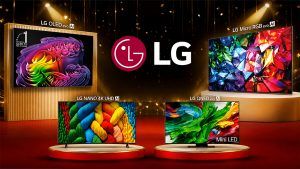
LG Electronics has announced the LG Gallery TV ahead of CES 2026, signalling its latest push into lifestyle-focused televisions that sit at the intersection of design and display technology. The company says the new TV will be officially showcased at CES 2026, which kicks off on January 6, alongside upgraded OLED G6 and OLED W6 flagship models. Together, these launches point to a broader refresh of LG's premium TV portfolio, spanning both high-end performance screens and design-led products.
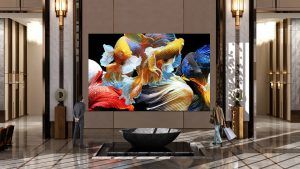
The LG Gallery TV is positioned as a digital canvas rather than a conventional television. LG describes it as a screen that blends into home interiors when not actively being used for viewing. It will be part of the company's Art TV lineup and will be showcased at LG's booth at the Las Vegas Convention Centre. Pricing and availability have not yet been announced, and LG has also not confirmed which markets will receive the product first.
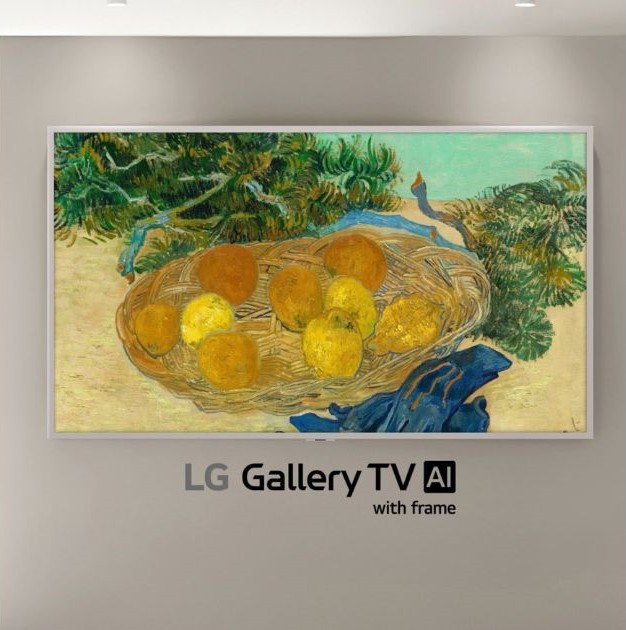
In terms of hardware, the Gallery TV will be offered in 55-inch and 65-inch sizes and is designed for flush wall mounting. One of its key visual features is support for interchangeable magnetic frames, allowing users to match the TV with their interior décor. LG says the product was developed in collaboration with museum curators and includes a dedicated Gallery Mode that fine-tunes colour accuracy and brightness to better reflect original artworks. The screen surface is designed to reduce glare and reflections, while ambient light sensors automatically adjust picture settings through the day.
How the LG Gallery TV fits into LG's premium TV strategy
Unlike LG's premium OLED televisions, the Gallery TV uses a 4K MiniLED panel. This choice makes sense for a product that is expected to display static artwork for long periods, as MiniLED avoids the burn-in concerns associated with OLED. Powering the TV is LG's α7 AI Processor, while audio is handled by AI Sound Pro with virtual 9.1.2-channel output. LG also says the TV includes internal storage, allowing users to save selected visual content directly on the device without relying entirely on streaming.
A major part of the Gallery TV experience is the new Gallery+ service. LG says the platform offers access to more than 4,500 visual works that are refreshed every month. This includes fine art, cinematic scenes, animations, and even game-inspired visuals. Users can also generate custom images using generative AI, display personal photos, and add background music via built-in tracks or Bluetooth streaming. There will be a limited free tier, while full access will require a subscription, which could become a deciding factor for many buyers.
LG's position in the TV market
From an India perspective, LG continues to hold a strong position in the TV market, with around 16.5 percent share. While Samsung currently leads the market, LG has carved out a solid premium niche, especially in OLED televisions. If the Gallery TV comes to India, its most direct competitor will likely be Samsung's Frame TV, which has already established the idea of a TV doubling as wall art. Other brands such as Sony also compete in the premium segment, while value-focused players like Xiaomi and TCL continue to put pressure on pricing across categories.
Globally, LG remains in a strong position, especially in OLED, where it has led the segment for over a decade. This dominance gives the company room to experiment with lifestyle products like the Gallery TV, which are less about mass volumes and more about brand image and differentiation. Internationally, design-led TVs are becoming a bigger focus as panel quality improvements alone are no longer enough to excite premium buyers.
What Indian buyers should keep in mind while buying a TV
There are a few things Indian consumers should keep in mind when buying a TV today. Panel quality matters more than marketing terms, so native refresh rates, proper local dimming, and real 4K resolution are more important than flashy labels. Software also plays a big role, whether it is LG's webOS or competing platforms, and buyers should look closely at long-term updates and app support. After-sales service and warranty coverage still matter a lot in India, especially for premium TVs.
It is also worth noting that while TVs get a lot of attention, the home appliances market in India, particularly air conditioners, is also massive and growing steadily due to rising temperatures and urbanisation. For companies like LG, TVs and ACs together form a big part of their consumer electronics business, and success in one category often strengthens brand trust in the other.
As a product, the LG Gallery TV feels like a logical response to Samsung's Frame rather than a radical new idea. The use of MiniLED instead of OLED is a sensible decision for an art-focused display, and the magnetic frames add real flexibility. The biggest question mark is the Gallery+ subscription, which could limit its appeal beyond affluent urban buyers. Still, as a statement product, the Gallery TV strengthens LG's premium image and shows that the company is serious about pushing TVs beyond being just another black rectangle on the wall.