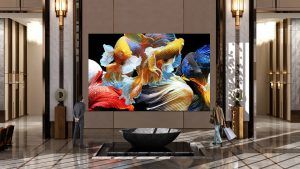
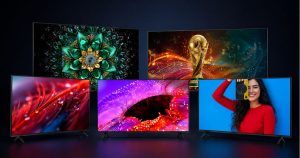
Xiaomi has expanded its premium TV portfolio in India with the launch of its first Mini LED lineup, the Xiaomi TV S Mini LED Series. With this move, Xiaomi is stepping beyond its value-led positioning and pushing into a more performance-driven segment where display technology, not just screen size, becomes the differentiator.
The move comes at a time when the Indian TV market is seeing a steady transition towards larger screens, but with increasing scrutiny on picture quality. While size continues to drive upgrades, display technology is now becoming a key differentiator, especially in the mid-to-premium segment where Mini LED is emerging as a viable alternative to OLED.
A Step Beyond Size-First TVs
With this launch, Xiaomi is attempting to address a growing gap in its portfolio. The brand has traditionally focused on aggressive pricing and content-led features, but Mini LED marks a move towards improving core display performance.
According to Anuj Sharma, the emphasis is on more precise control over backlighting, which becomes increasingly important as screen sizes scale up. This allows for better management of brightness and contrast across the panel, resulting in deeper blacks and more consistent picture quality.
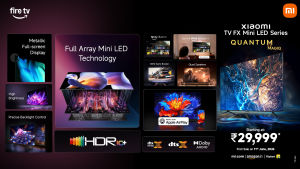
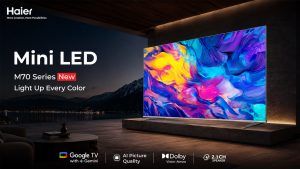
The Xiaomi TV S Mini LED Series is built on QD Mini LED architecture, combining Quantum Dot colour with Mini LED backlighting. In practical terms, this should translate into improved brightness control and more balanced visuals, particularly in mixed lighting conditions common in Indian homes.
Competing In A Crowded Premium Segment
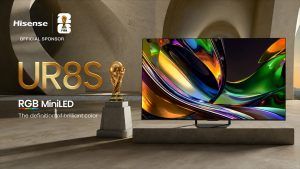
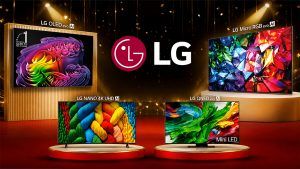
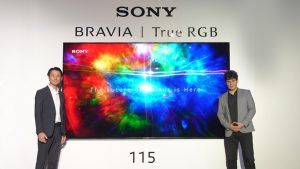
The launch also places Xiaomi more directly against brands like TCL and Hisense, which have already established a presence in the Mini LED space, as well as traditional players such as Samsung and Sony that continue to dominate the premium TV category.
The inclusion of formats like Dolby Vision and HDR10+, along with Filmmaker Mode, indicates that Xiaomi is aligning with industry standards expected in this segment. Motion handling features such as DLG 120Hz and MEMC also position the TVs for sports and gaming use cases, which are increasingly influencing buying decisions.
Ecosystem And Everyday Use Still Matter
Beyond display, Xiaomi continues to lean on its ecosystem play. The TVs run on PatchWall, offering content-first navigation along with access to free live TV via Xiaomi TV+. Support for AirPlay 2, Google Cast, and Miracast ensures compatibility across devices, while connectivity options like dual-band Wi-Fi and Bluetooth round out the experience.
Audio is handled through a 34W quad-speaker system with Dolby Audio and DTS:X support. While this is in line with expectations for the category, most buyers at this price point may still consider pairing the TV with a dedicated sound system.
Pricing And Availability
The Xiaomi TV S Mini LED Series will be available starting April 22 across online and offline channels, with pre-bookings open from today.
- 55-inch: ₹51,999 (₹48,999 with bank offers)
- 65-inch: ₹71,999 (₹66,999 with bank offers)
- 75-inch: ₹99,999 (₹89,999 with bank offers)
Xiaomi is also offering bank benefits of up to ₹10,000 along with extended warranty options, taking total coverage up to four years during the pre-booking period. No-cost EMI options for up to 12 months will be available as well.
Xiaomi Moves Up, But Execution Will Be Key
This is an important launch for Xiaomi. Moving into Mini LED is less about adding another feature and more about staying relevant as consumer expectations evolve.
For buyers, the pricing, especially for the 75-inch model, lowers the entry barrier to premium display technology. However, the real test will lie in consistency. Mini LED TVs require strong calibration and panel control to deliver on their promise, areas where established TV brands still hold an advantage.
If Xiaomi can get that balance right, this could mark the beginning of its next phase in the Indian TV market, one that goes beyond value and into sustained premium positioning.